Everything about atrial fibrillation (from diagnosis to control) - Dr. Marvarid Dadres

Dr. Marwarid Dadres
TehranCardiologist, echocardiography fellowship
 all About atrial fibrillation (from diagnosis to control)
- 30/06/1404
- 7 minutes
The human heart acts like a precise and coordinated pump, whose main task is to supply blood and oxygen to all body parts. This pump has four main chambers: two atria at the top and two ventricles at the bottom. The rhythm and contraction of these cavities must be coordinated and regular so that the blood supply takes place without problems. But in some situations, this rhythm becomes irregular. One of the most common types of these irregularities is atrial fibrillation.
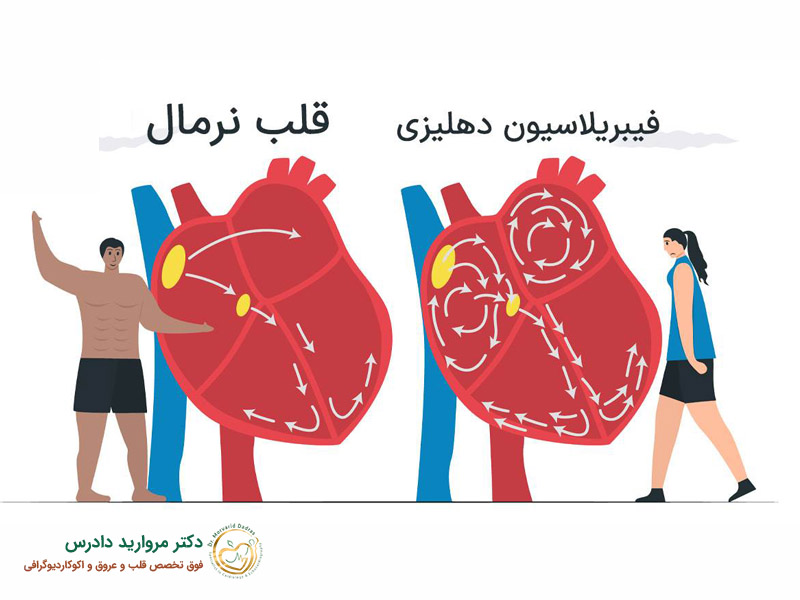
Atrial fibrillation (AF) is a type of cardiac arrhythmia in which the atria of the heart vibrate rapidly and irregularly instead of contracting regularly. This condition can affect the function of the ventricles and cause a change in the number of heartbeats in atrial fibrillation. Sometimes the heart rate increases and the person feels palpitations, weakness or even shortness of breath. This disease is of special importance in medical science due to its high prevalence and its direct connection with stroke, heart failure and sudden death. Many patients are faced with the question, is atrial fibrillation dangerous? The answer is yes; If not diagnosed and treated on time, this disease can have serious and life-threatening complications.
In this article, we will fully review the causes, symptoms, diagnosis and treatment methods of atrial fibrillation, and we will also explain its difference from ventricular fibrillation. In addition, diagnostic services such as echocardiography and echocardiography, which play an important role in identifying this disease, will be introduced.
What is atrial fibrillation and why is it important?

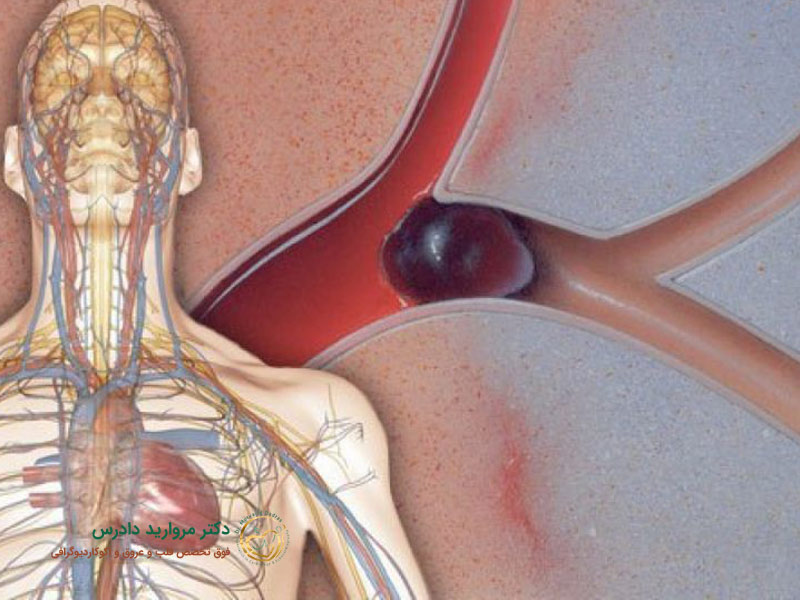
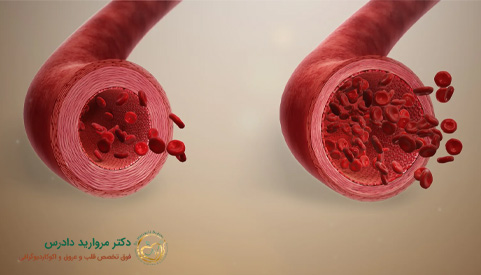
Fibrillation Atrial is a type of supraventricular arrhythmia in which the electrical activity of the atria becomes highly irregular. Instead of contracting and pumping blood into the ventricles, the atria begin to vibrate rapidly and irregularly. This condition causes part of the blood to remain in the atrium and the possibility of clot formation increases.
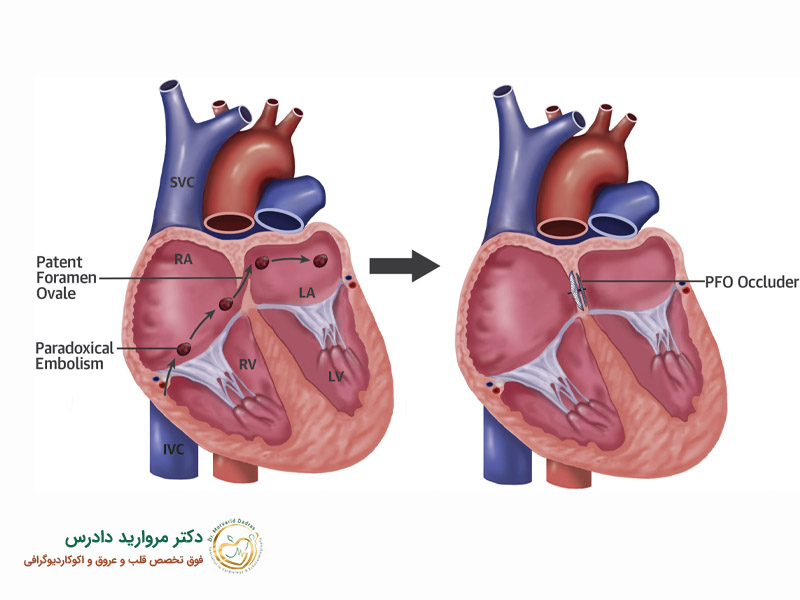
Clot formation in the atrium can be very dangerous; Because this clot may go to the brain through the blood stream and cause a stroke. For this reason, doctors emphasize that quick diagnosis and management of this disease is vital.
According to global statistics, millions of people in the world are suffering from this disease and it is expected that this figure will increase in the coming years as the population ages. Therefore, knowing the nature of this disease, its symptoms and treatment methods is important for all people (both patients and healthy people).
Causes of atrial fibrillation and risk factors

Recognition The cause of atrial fibrillation is very important for its prevention and treatment. In many patients, this disease is caused by a combination of several factors.
Main causes
- Underlying heart diseases: such as heart valve disease, heart failure, high blood pressure, and coronary artery disease.
- Thyroid disorders: Hyperthyroidism can increase heart excitability.
- Pulmonary diseases: such as pulmonary embolism or chronic obstructive disease. Lung.
- Alcohol and stimulants: excessive consumption of alcohol and caffeine increase the risk.
- Stress and heart surgery: after heart surgery or severe stress, there is a possibility of arrhythmia.
Risk factors
In addition to direct causes, some conditions increase the likelihood of this disease:
- Increase Age
- Diabetes
- Family history of arrhythmia
- Obesity and inactivity
- Uncontrolled blood pressure
Knowing these factors helps patients to modify their lifestyle and reduce the risk of atrial fibrillation.
Symptoms and how to diagnose atrial fibrillation
Symptoms of atrial fibrillation may be different in different people. Some patients have no symptoms and their disease is discovered by chance during medical tests. But in many cases, there are obvious symptoms.
Common symptoms
- Rapid and irregular heartbeat
- General fatigue and weakness
- Shortness of breath even with light activities
- Dizziness or feeling lightheaded
- Pain or pressure in the chest
Diagnosis
To diagnose this disease, doctors use several methods. They do:
- Heart strip (ECG): is the main diagnostic method. In atrial fibrillation, an irregular rhythm without a regular P wave is observed in the ECG. Usually, the doctor presents an atrial fibrillation electrocardiogram to show this condition to the patient.
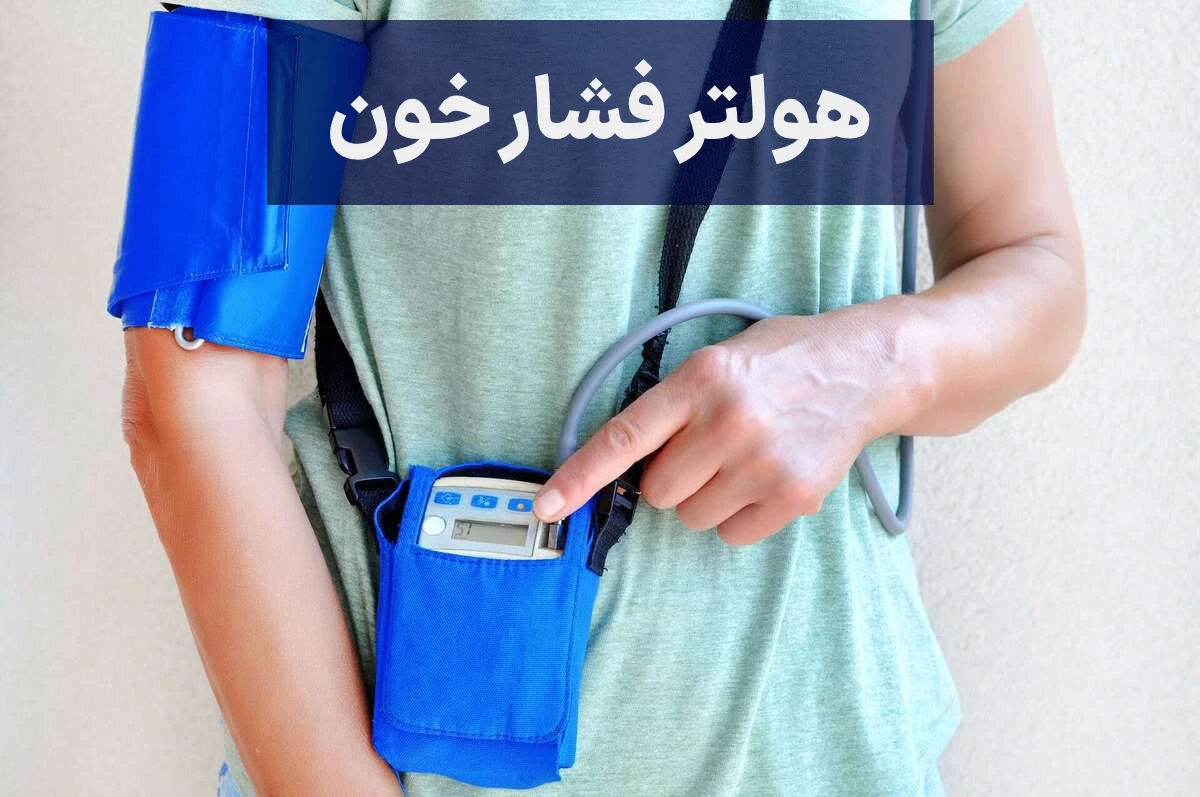
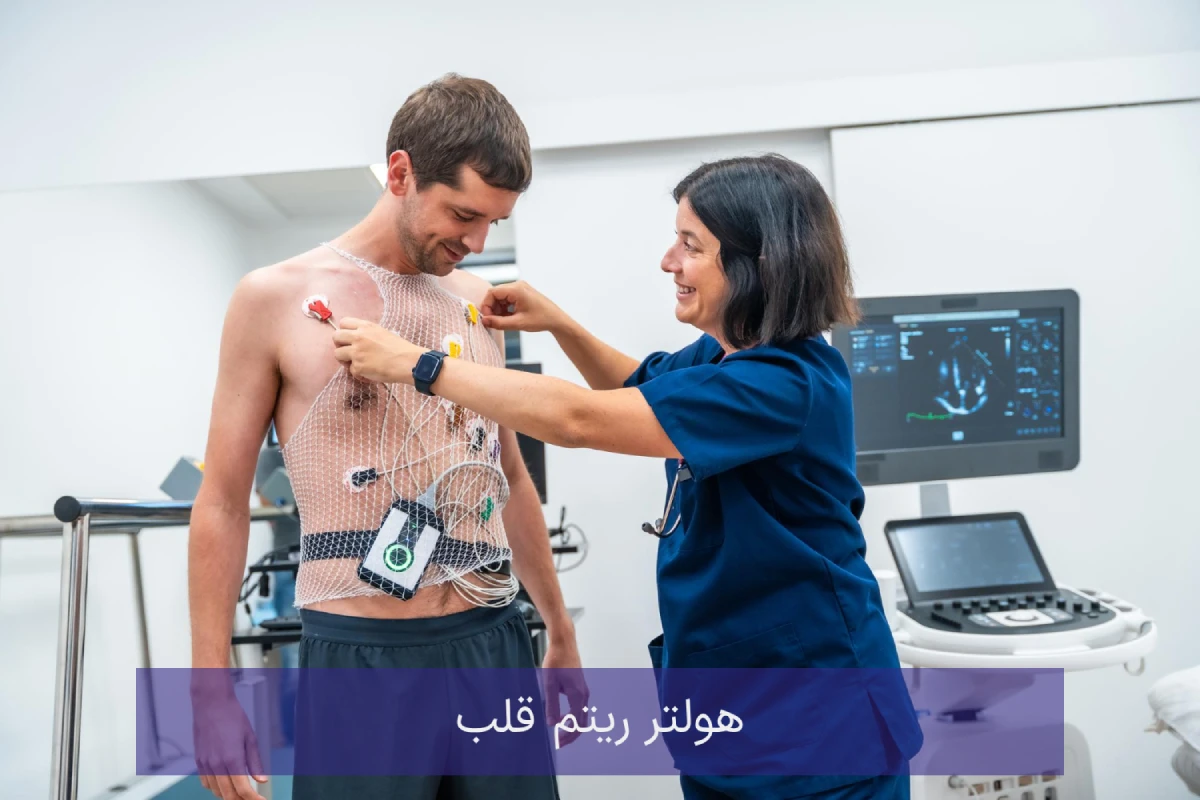
- Holter monitoring: ECG recording in 24 or 48 hours to check intermittent attacks.
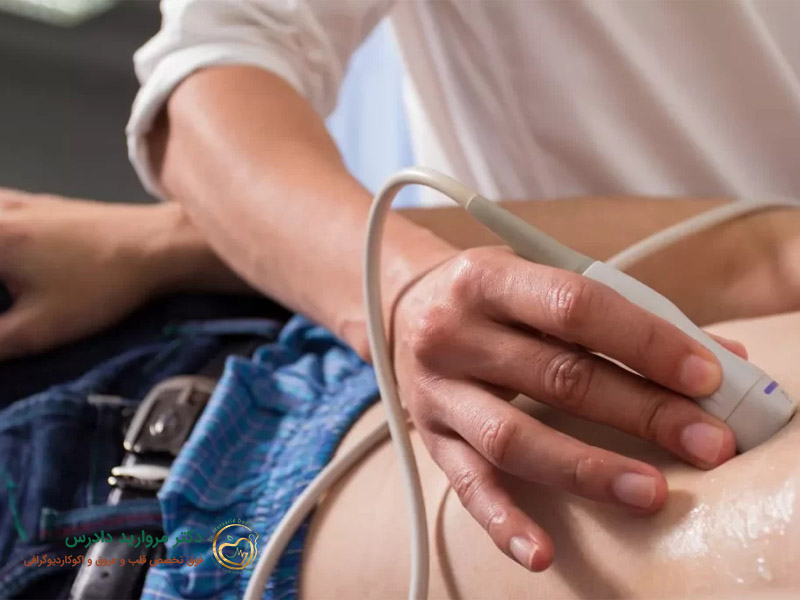
- Echocardiography (Echo): To examine the structure of the heart and identify underlying diseases such as heart valves.
- Blood test: to check thyroid function and other related factors.
Measuring the number of heart beats in atrial fibrillation is also very important. In these patients, the heart rate can reach more than 100 to 150 beats per minute. Controlling this beat is one of the main goals of treatment.
Treatment of atrial fibrillation and its control methods

Management And the treatment of atrial fibrillation is different according to the condition of the patient and the severity of the disease. The goal of treatment is to control the heart rhythm, prevent blood clots and reduce complications.
Pharmaceutical treatment
- Anticoagulant drugs such as warfarin or newer drugs to prevent strokes.
- Heart beat control drugs such as beta blockers or digoxin.
- Antiarrhythmic drugs to restore the normal heart rhythm.
Non-invasive methods Medical
- Electrical cardioversion: applying controlled shocks to the heart to restore normal rhythm.
- Cardiac ablation: burning points in the atrium that cause abnormal rhythms.
- Surgery or implantable devices: in resistant cases.
Lifestyle changes
- Reducing caffeine and alcohol consumption
- Quitting Smoking
- control of blood pressure and diabetes
- regular and light exercise
This combination of treatments helps patients reduce symptoms and improve quality of life.
Difference between atrial and ventricular fibrillation; Which is more dangerous?
Many patients ask: What is the difference between atrial and ventricular fibrillation? The answer is that both are types of arrhythmia, but their severity and consequences are very different.
- Atrial fibrillation: Occurs in the atria. Although dangerous and can lead to stroke or heart failure, it usually does not directly cause immediate cardiac arrest.
- Ventricular fibrillation: Occurs in the ventricles and is an emergency. If not treated immediately, this type of arrhythmia can lead to death within minutes.
Therefore, ventricular fibrillation is more dangerous, but atrial fibrillation can also seriously threaten a person's health if not controlled.
Concluding remarks
Atrial fibrillation is one of the most common and important cardiac arrhythmias that can lead to dangerous consequences such as stroke and heart failure. Knowing the cause of atrial fibrillation, knowing the symptoms of atrial fibrillation and seeing a doctor in time for diagnosis and treatment, plays a key role in controlling this disease. Diagnostic methods such as ECG, atrial fibrillation ECG photo, echocardiography, and checking the heart rate are tools that help doctors identify the disease and provide the best treatment. Treatment can include medication, cardioversion or more advanced methods.
The important point is that patients can live a healthy and longer life by modifying their lifestyle and regular medical follow-up.
FAQ
Is atrial fibrillation dangerous? Yes. Although it may be associated with only mild symptoms in the early stages, if left untreated, it can lead to stroke, heart failure, and even death.
How does atrial fibrillation appear on an EKG? In the ECG, this disease is diagnosed with an irregular rhythm, the absence of a distinct P wave, and changes in the R-R intervals. Doctors usually show patients an echocardiogram of atrial fibrillation to understand the abnormal heartbeat pattern.
What is the best way to treat atrial fibrillation? There is no single method. Treatment includes a combination of anticoagulants, rate and rhythm control, and in some cases cardioversion or ablation. The choice of method depends on the patient's condition.
Related contentIs angiography better from hand or foot? Complete comparison
When talking about detailed examination of heart vessels or vessels
What are the symptoms of nervous hypertension and how to control it?
Blood pressure is one of the most vital indicators of human health
Table of Contents Write your comment Cancel reply