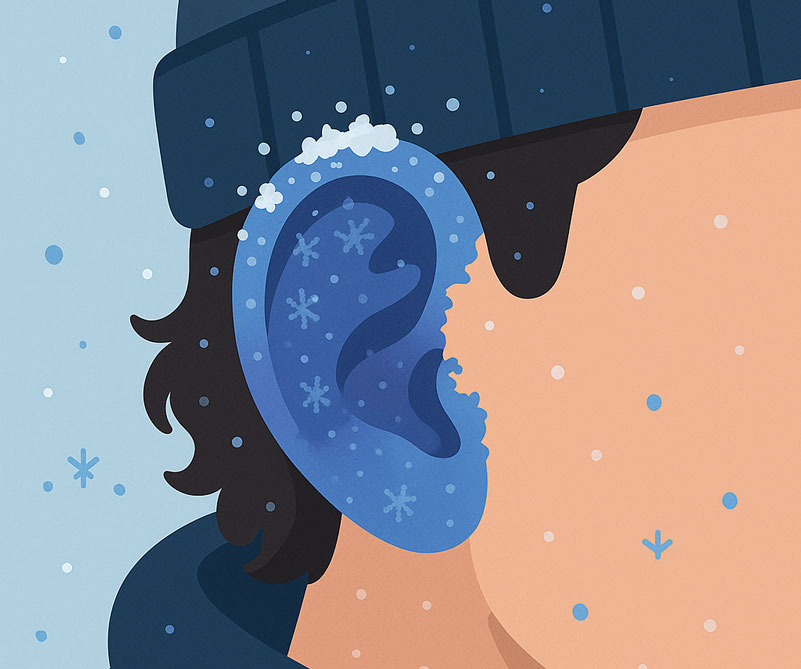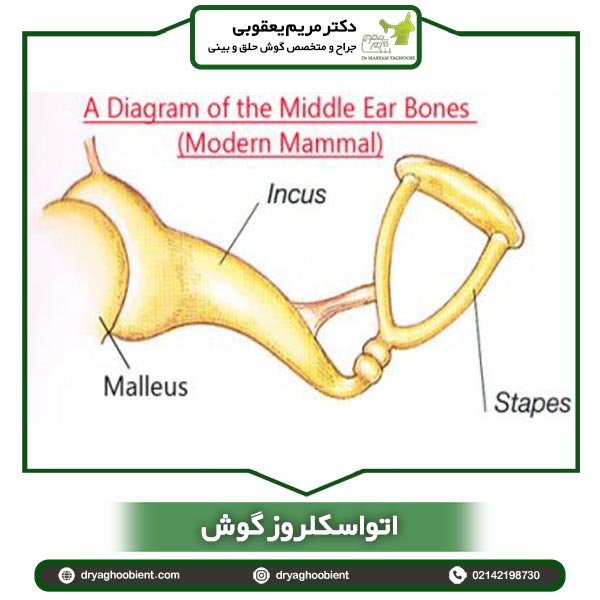


Ear infection is one of the most common ear diseases that usually follows the entry of bacterial or viral agents into the ear. An intermediate is created. The middle ear is an air-filled space behind the eardrum where the auditory ossicles are located and play an important role in sound transmission. This type of ear infection is more common in children, because the structure of the eustachian tube is shorter and more horizontal in them, and it provides the basis for the accumulation of infection. Ear infection can cause pain, fever, and temporary hearing loss, and if not treated in time, it can lead to more serious complications and ear surgery is needed. Quick diagnosis, compliance with the necessary care and attention to prevention methods such as strengthening the immune system and timely treatment of respiratory infections play an important role in controlling and preventing the occurrence of ear infections.

ear infection symptoms
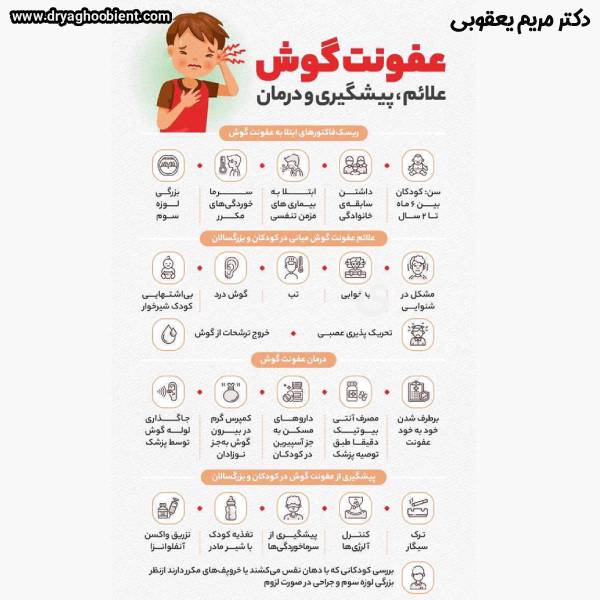
symptoms ear diseases such as ear infections in children and adults are slightly different from each other. If adults suffer from this condition, they face ear pain, discharge from the ear, and hearing problems. Of course, this complication affects children to a greater extent, and we will mention the most common cases below:
- Ear pain, especially when lying down
- Sleep disturbance
- Restlessness and agitation
- Disorder in Hearing and reaction to sound signals
- Imbalance is another cause of ear infection
- Increased body temperature
- Headache and lack of appetite
- Discharge from the ear
Remember that if these symptoms persist for more than a day and they intensify smoothly, it is necessary to consult an ear surgeon.
Symptoms of ear infection
Causes of ear infection
Ear infection may occur due to bacteria or virus entering the middle ear. This condition often occurs as a result of other diseases such as colds, flu, or various allergies that can cause congestion and swelling of the nasal passages, throat, and Eustachian tube. It continues from the middle to the back of the throat and the respiratory tract of the nose. The end of this path in the throat opens and closes regularly due to various reasons such as air pressure adjustment in the middle ear, air circulation, discharge of natural secretions from the middle ear, etc. Swelling of this area of the ear can cause blockage and accumulation of fluid in the middle ear. Accumulation of these fluids can increase the possibility of infection and contamination of this organ with different bacteria. It is better to know that these tubes are narrow and horizontal in children, which makes it harder to drain the fluids inside the middle ear and increases the possibility of ear infection. They are effective and colorful. Since this organ is close to the end of the Eustachian tube, its swelling can block the passageway and subsequently cause accumulation of secretions and infection.
In addition to the above two cases, ear infection may occur due to other reasons, which include:
- Otitis Media with effusion or swelling and accumulation of fluid in the middle ear without bacterial and
- viral infections. This problem occurs due to fluid retention after the infection has healed.
- Estachian tube dysfunction
- Non-infectious eustachian tube obstruction
What is the cause of inner ear infection?
In any part of the ear, the possibility of infection spreading It is caused by bacteria or viruses, and inner ear infection is also known as labyrinthitis. When the virus or bacteria in the ear is not treated, it reaches the inner ear. We will examine the types of infections in the following.
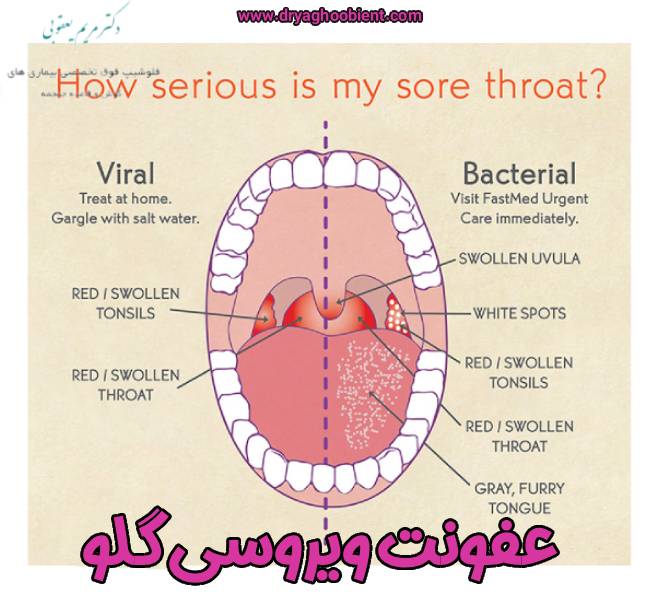
Viral infection enters the ear through flu and cold and reaches the middle ear if not treated. If you have symptoms of infection, immediately visit an experienced ear surgeon in Tehran to determine the required treatment method according to your condition. Antibiotics usually have no effect on the treatment of this type of infection.
Bacterial infection is another type that is more common in adults. With the destruction of the inner membrane of the ear, there is a possibility of transferring bacteria to this organ. In this case, Dr. Yaqoubi usually prescribes antibiotics according to the severity and extent of the infection.
Sometimes, due to other reasons, including autoimmune diseases, you may suffer from middle ear inflammation. If you have such a problem, you must first treat the autoimmune disease.
Symptoms and symptoms of inner ear infection
The inner ear plays a fundamental role in hearing and maintaining human balance. Therefore, if a problem occurs in other areas of the ear, you must take care so that it does not reach this stage and become more acute. Some symptoms of an inner ear infection include dizziness, nausea, imbalance while walking, hearing loss, ringing and ringing in the ears, a feeling of tightness, headache, earache, discharge of pus, etc. There are other symptoms, depending on the source of the infection, it can be next to an ear infection.
Diagnosis of an ear infection
To diagnose an ear infection, you should go to the best otolaryngologist and share your medical information with the doctor, including your age, history of ear diseases, duration of involvement with the infection, and existing symptoms. Also, according to the doctor's opinion, there are diagnostic tests that can be effective in this field. Some of these tests are:
- Tympanometry: Tympanometry is a test to measure the intensity and quality of movements of the eardrum.
- Acoustic reflectometer: This test is to measure the amount of sound reflection from the eardrum. justify;">Tympanocentesis: It is a method of draining fluids from the ear through a very narrow tube.
Treatment methods
Some cases of ear infection are treated with antibiotics. Of course, the appropriate treatment process for children depends on several factors such as age and severity of symptoms.
1- Use of antibiotics
After the initial examinations, the doctor may adopt the use of antibiotic drugs as a treatment process. If any of the following conditions exist, this type of treatment is considered for the child:
- Ear infection in children 6 months or older that causes relative or severe pain in their ear or ears for 48 hours and their body temperature is 39 degrees Celsius or more.
- Children 6 months to 2 A year old who has endured relative pain in their ears for less than 2 days and their body temperature is less than 39 degrees. 2-year-old or older children who are in this condition can also be treated with antibiotics.
2- Ear surgery
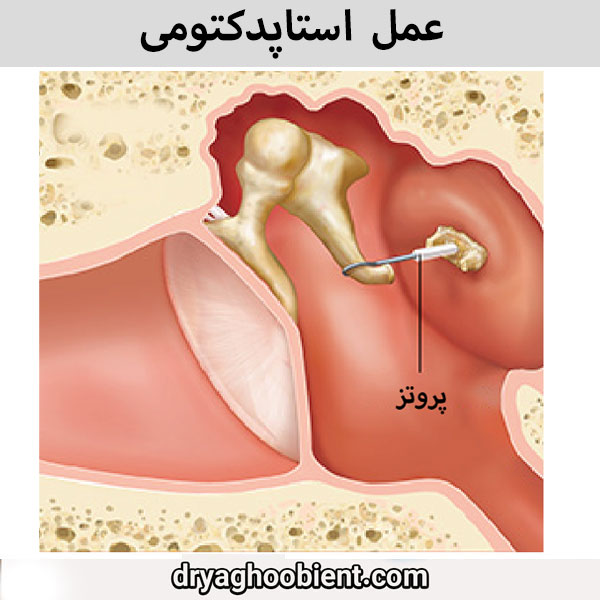
In order to remove the ear infection, a person may need surgery (myringotomy). During this process, the surgeon creates a very small hole on the eardrum and through it removes the fluid accumulated in the middle ear.
Treatment of ear infection in children
- Usually the doctor does not prescribe antibiotics from the beginning and waits until he considers the symptoms well.
- If severe symptoms await the person, the doctor may Prescribe antibiotics for 2-3 days. Regarding the treatment of antibiotics, they should be used promptly.
- Keep in mind that you are not allowed to give aspirin to children without a doctor's prescription because aspirin can increase the risk of developing a rare complication that damages the brain and kidneys.
After how long is an ear infection treated? Ear infection can be different depending on the type and severity of the infection, as well as treatment methods. For example, if the infection is severe and causes ear pain, hearing loss, and discharge from the ear, it is necessary to take antibiotics based on the opinion of the best ear surgeon in Tehran, and the duration of its use (7 to 10 days) should be observed.
If you are involved in a chronic middle ear infection, you will feel pain in the ear for a long time, but in a mild way, in this case, ear washing and the use of drops can be effective.
Also, ear infection in children occurs similar to adults with the same signs and symptoms, but usually the treatment process will be shorter between 5 to 7 days.
The duration of ear infection can be different, but with proper treatment and following the doctor's recommendations, most ear infections will recover within a few days to two weeks. If symptoms persist or worsen, it is best to consult your doctor again.
What are some ways to prevent an infection?
There are ways to reduce the risk of ear infections in children and adults:
- Control allergies : Inflammation and mucus caused by allergic reactions can lead to obstruction of the eustachian tube and as a result cause ear infections.
- Prevent colds : Try to prevent children from catching colds in their first year of life. Don't allow the child to use shared toys and things like that.
- Don't smoke: Studies show that shared smoking can greatly increase the risk of ear infections. Do not smoke in closed environments such as cars and homes, especially when children are present in this environment.
- Wash your hands regularly: This can prevent many viral diseases such as colds. Wash and disinfect your and your child's hands regularly.
- Feed your child with breast milk. : Breastfeeding a child between the ages of 6 months and 12 months is a very important point. There are antibodies in breast milk that will greatly reduce the risk of ear infection.
- Breastfeed the baby at the right angle: If you feed the baby with a bottle, place it at a precise angle. The wrong angle for the bottle causes fluid to back up into the eustachian tube.

Long-term effects of an inner ear infection
In general, symptoms go away once the infection is gone and treated. However, the effects can sometimes last longer than expected. Even when other symptoms of the infection have gone away, you may still feel dizzy and off balance for several days. This can be a sign of damage to the balance organs. Your brain can usually learn to work with these changes. Therefore, your sense of balance should return to its previous state over time. However, if you are struggling to cope with the problem or if the problem persists, you should see your otolaryngologist. Dr. Maryam Yacoubi can investigate the root cause of this problem and may refer you for vestibular rehabilitation treatment to help you regain balance. This is more likely if the inner ear infection is bacterial. Therefore, the doctor may recommend a hearing test to check your ears after the infection.
When should we go to the best otolaryngologist?
In general, if you see the following symptoms, it is better to immediately visit the best otolaryngologist in Tehran to treat an ear infection. These symptoms include:
- Symptoms do not go away after 2-3 days.
- Pus or fluid discharges from the ear, and sometimes the discharge is painless and long lasting even for several months. They increase the occurrence of ear infection
There are some factors that increase the probability of this disease occurring. These items include:
- Age: In general, as you probably know, the chances of children from 2 to 6 years of age having this problem are higher. The reason is the size and shape of the eustachian tubes in their ears. Also, their immune system is always evolving and this is another reason for them to get ear infections.
- Baby feeding: Babies who are fed from a bottle and usually lying down have a higher chance of getting this disease. On the other hand, children who were breastfed by their mothers are far from this disease.
- Seasonal cases: In general, the probability of these infections increases in seasons like winter and autumn. Also, those who have seasonal sensitivity are also at higher risk of getting this problem when the number of pollens is high.
- Low air quality: being close to people who use tobacco or using them by oneself and excessive amount of air pollution can be things that increase the risk of ear infection.
- Cleft Palate: Due to some deformities in the bone and muscle structure of children with cleft palate, the drainage for tubes eustachian makes it more difficult. This causes the person to get an ear infection due to the accumulation of mucus and fluids. e-con-full e-flex e-con e-child" data-id="72f24028" data-element_type="container" data-settings='{"background_background":"classic"}'>