

Dental lamination is one of the most popular cosmetic treatments in dentistry that leads to a brighter smile, neater teeth. And it leads to a more attractive appearance. However, one of the common concerns of patients before undergoing this treatment is experiencing pain and discomfort during or after it. Many people ask themselves: "Does laminate teeth hurt?" or "Is this procedure done under anesthesia?"
In this article, we intend to answer this question accurately, scientifically and based on clinical experiences. We will also talk about things like the amount of possible pain, how to control it, the dentist's role in reducing the patient's discomfort, and care tips after laminate, so that you can make a decision with a clear view and without worry.
| Subject | Important points |
| Laminate goal | Smile beauty, neater and more attractive teeth |
| Patient concerns | Pain and discomfort during or after lamination |
| Pain during treatment | Normally not; Local anesthesia makes cutting and installing the laminate painless |
| Tooth enamel scraper | Very little (about 0.5 mm), lasts less than half an hour |
| Pain or tenderness after treatment | Temporary sensitivity to heat, cold, or pressure may occur; It usually resolves within a few days to two weeks |
| Effective factors in pain | Excessive scraping of tooth enamel, improper installation of laminate, decay or gum disease, not taking care of oral hygiene |
| Prevention of pain and sensitivity | Choosing an experienced dentist, performing lamination only on healthy teeth, maintaining hygiene, using special sensitivity toothpaste, avoiding very hard or hot/cold foods, taking painkillers if needed |
| Final Result | Laminates, if performed correctly, are painless, less complicated and with satisfactory results |
| recommendation | If the pain persists for more than two weeks, it is necessary to see a dentist |
How much does dental laminate hurt?
The short answer is: Ceramic (porcelain) laminates are not painful, but in the first 10 to 14 days there may be some discomfort. This discomfort is mostly due to teeth getting used to the new coating and the gradual adaptation process of the mouth to the laminates.
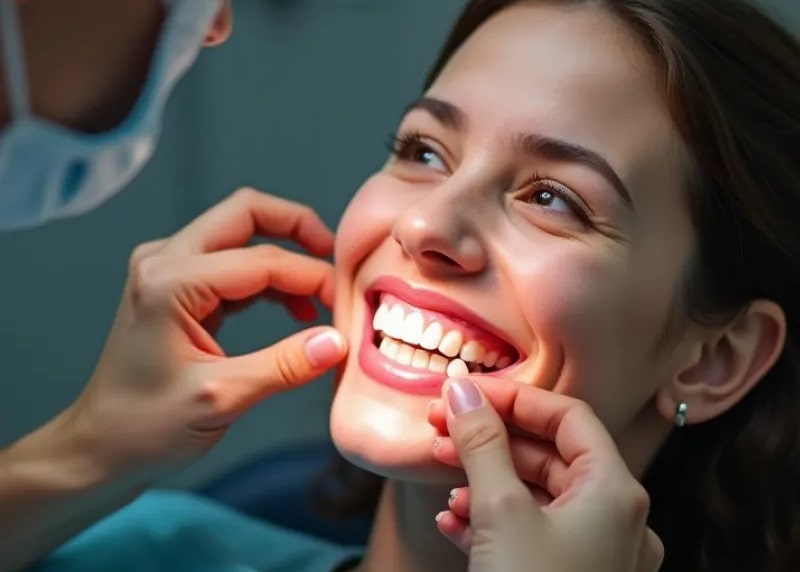
In the past, when the technology of veneers was in its infancy, some procedures by the dentist could be associated with discomfort. But today, everything has changed. Experienced dentists work with advanced equipment and high precision, and during lamination, local anesthesia is used so that the patient does not feel any pain. As a result, the dental lamination process is completely stress-free and pain-free.
Read more: Dental laminate steps + photo and video
In terms of the amount of pain, there are three important points:
- Laminate treatment is different from deep grinding of the tooth like a veneer (which extends to the dentin). In this method, only a very small amount of tooth enamel (about 1.5 mm) is removed.
- The whole process takes less than half an hour and because it is done under anesthesia, there is no pain during the treatment.
- The probability of sensitivity after tooth preparation is almost zero, because the surface of the tooth is covered with fluoride and protected with temporary restorative materials.
Does it hurt to put dental laminate?

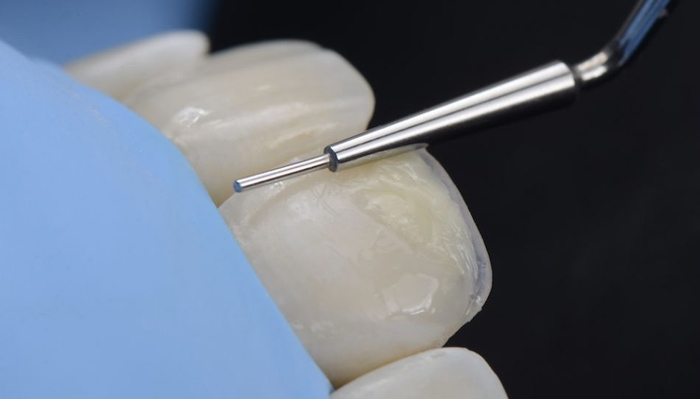
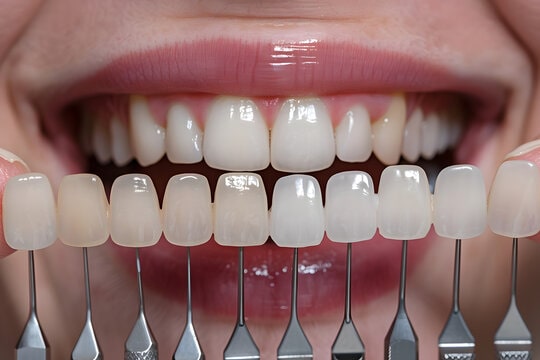
The installation process of laminates is generally simple and painless. In the first step, the dentist carefully examines the laminates to make sure they match your natural teeth.
Then a special glue is used to connect the laminate to the teeth.
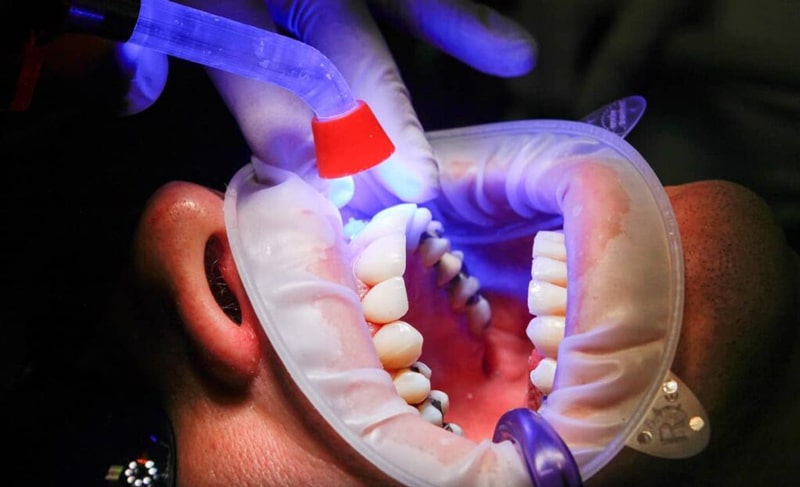
In the next step, using special light (light cure) for about one minute, the laminate is completely fixed on the tooth and a durable and long-lasting result is obtained.
For the first few days, you may feel some heaviness, mild sensitivity, or need to adjust biting (bite), but these feelings are temporary and usually go away completely after a few days.
Does it hurt to shave teeth for laminate?
Tooth enamel scraping is one of the parts that most laminate patients worry about.
But the reality is that, contrary to popular belief, this stage is usually accompanied by only mild discomfort and is not as annoying as many people think.
In most cases, the dentist only needs to remove a very thin layer of enamel— about 0.5 mm (about the thickness of a fingernail). This step usually takes less than 30 minutes and if only one tooth needs to be laminated, it can be done even faster.
Read more: Best brand + best type of dental laminate
The dentist usually uses local anesthesia or numbing gel before starting the treatment.
After the anesthesia has taken effect, tooth grinding begins and often patients do not experience any special discomfort at this stage. If more teeth (eg 6-8) are laminated, there may be some sense of pressure or mild pain in the gums or jaw, which is easily managed with simple over-the-counter medications such as ibuprofen.
Do teeth become sensitive after laminate?

During the treatment, the sensitivity of the teeth may increase temporarily; For example, some patients feel a slight pain or burning sensation from very hot or very cold foods. However, these discomforts are completely temporary and will disappear with time.
After the installation of dental laminates, the sensitivity of the teeth to hot or cold drinks may increase, and when applying pressure on the tooth (such as chewing or biting), a slight pain may be experienced. In addition, some patients may experience gum sensitivity, burning or pain in the area of the gums and teeth.
In some cases, a slight change in the way of speaking or pronouncing words is also observed. This is normal as your body and speech system are adjusting to the new shape and size of teeth. However, it should be emphasized that laminates are not inherently painful.
Usually these discomforts decrease and resolve within 3 to 5 days. But if after 2 weeks of installing the laminates, the pain continues or increases, it is necessary to see a dentist. In most cases, this situation can be caused by excessive scraping of the tooth surface, which requires examination and specialized treatment.
Effective factors in causing pain after dental laminate

- Excessive scraping of tooth enamel
If the dentist cuts too much enamel, a more sensitive part of the tooth (dentin) is exposed to stimuli. This issue can cause increased sensitivity to cold, heat or pressure.
- Incorrect laminate installation
If the size, shape or position of the laminate is not accurate and puts pressure on the gums or adjacent teeth, it may cause pain when chewing, gum irritation or persistent discomfort.
- The conditions of the patient's teeth and mouth (contraindications)
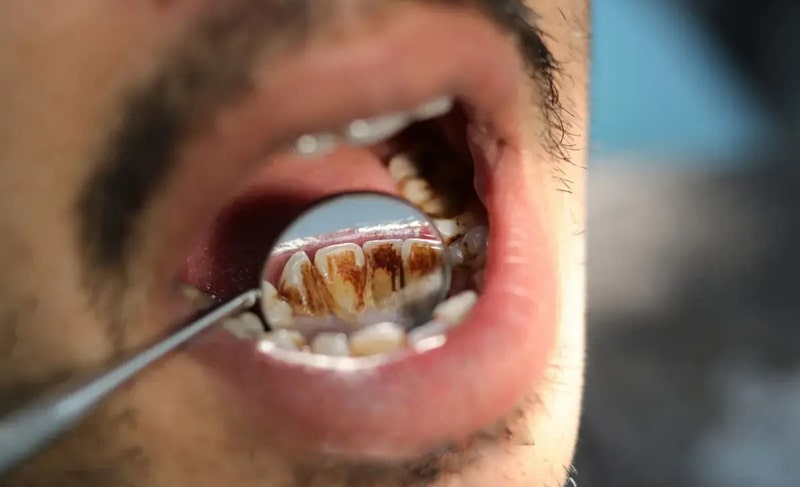
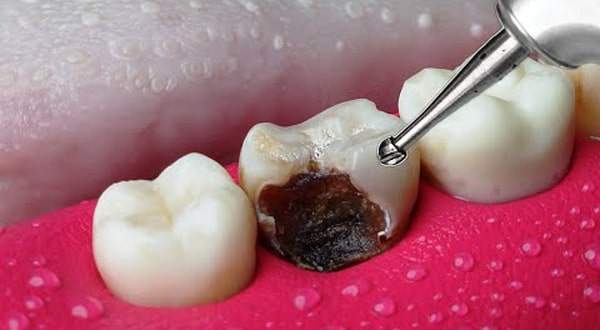
Laminate should not be placed on decayed, infected or gum diseased teeth. Ignoring these things can cause pain and aggravate the problems under the laminate.
- Temporary sensitivity after treatment
In some patients, after treatment, the tooth becomes temporarily sensitive to heat, cold or touch. This sensitivity usually resolves within a few days to at least two weeks.
Read more: How much and how to grind teeth for dental laminate
- looseness or cracking of the laminate
If the adhesive loosens or the laminate breaks, the sensitive surface of the tooth is exposed to direct contact, which can cause severe pain and sudden sensitivity.
- Gingival infection or inflammation
If health care is not followed after laminate installation, the accumulation of plaque in the border areas between laminate and gums may lead to inflammation, gum pain and even local infection.
Prevention of pain and sensitivity after laminate
- Choosing an experienced dentist specializing in ceramic laminates
- Making laminate only on healthy and decay-free teeth
- Complete observance of oral and dental hygiene before and after treatment
- Using toothpaste for sensitive teeth
- Avoidance of very cold or very hot foods and drinks in the first days
- Consumption of usual painkillers such as ibuprofen if needed
Read more: Dental laminate cost
- Avoid chewing hard foods until getting used to laminates
- Regular visits to the dentist to check the condition of the laminates
- Avoid pressing or grinding the teeth (brexism)
- Using a night protector in case of teeth grinding
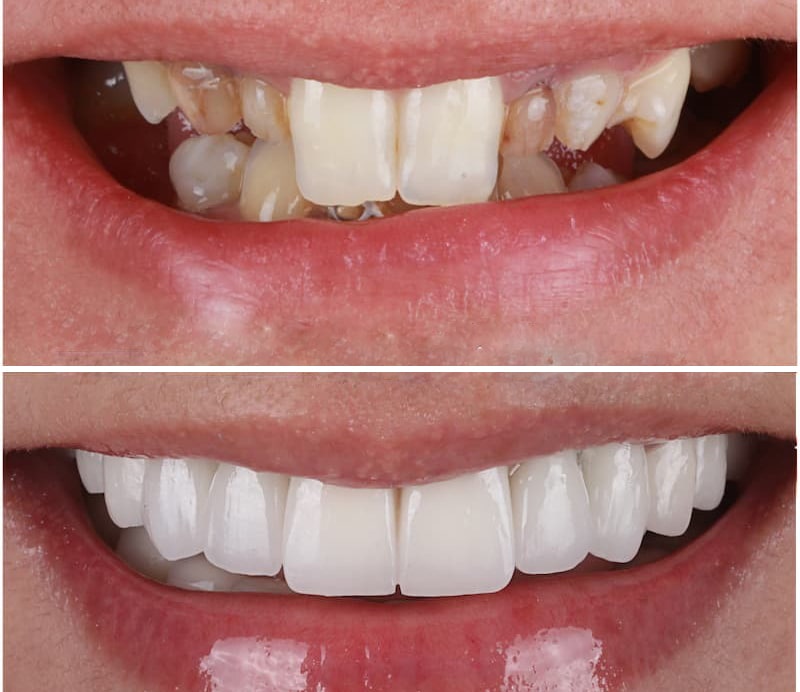
Many are afraid of the pain or complications of dental laminate, and this makes them give up on having a beautiful smile. The fact is that most of these concerns are caused by wrong experiences or little information. Lamination, if performed by an experienced specialist, is usually painless and has no serious side effects. Dr. Simin Barangi with years of experience in doing natural laminates, observes the necessary care before and after the treatment so that you get a safe and comfortable result.
To have a worry-free smile, make an appointment today 09031233928 and ask your questions directly to the specialist.
Summary
Dental lamination is one of the safest and least complicated methods of dental beauty, which is done painlessly in most cases. Installation procedures, including partial grinding of tooth enamel and gluing of veneers, are accompanied by local anesthesia and the patient usually does not feel pain.
However, some people may experience temporary sensitivity to heat and cold, or discomfort when chewing in the first few days, which gradually resolves. If the treatment is performed by an experienced dentist, high-quality laminates are used, and care tips are followed, the possibility of pain or complications will be minimized. If the pain persists or worsens after two weeks, you should definitely consult a dentist, because there may be a problem with the installation, hidden decay or gingivitis.
Finally, laminates are not only beautiful, but when done right, they are completely painless and with satisfying results.