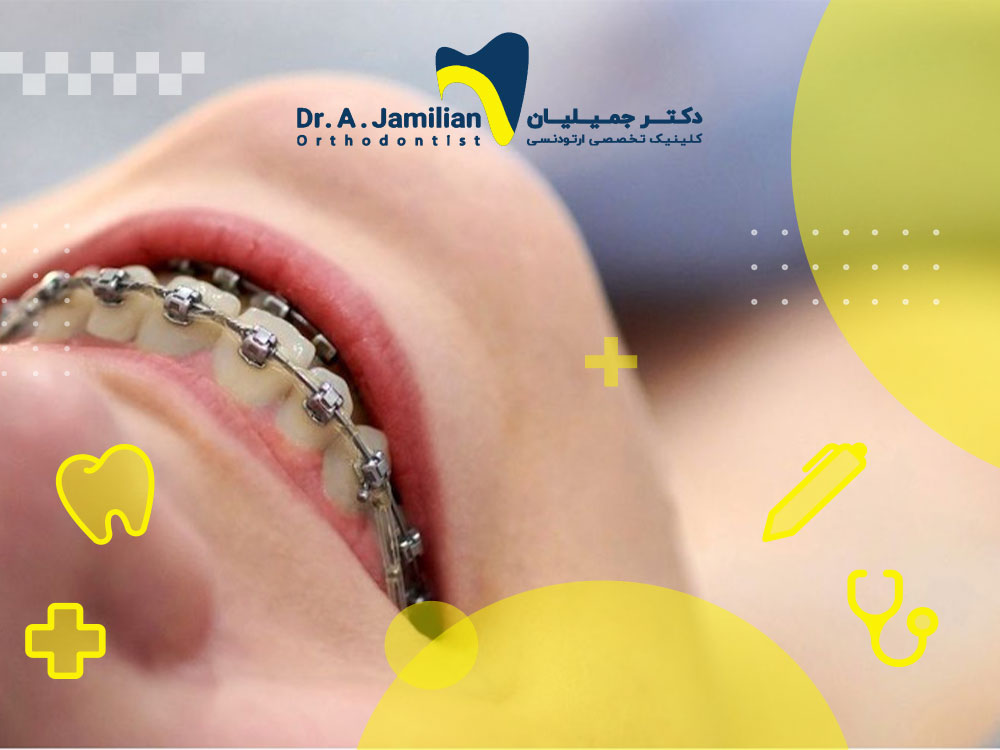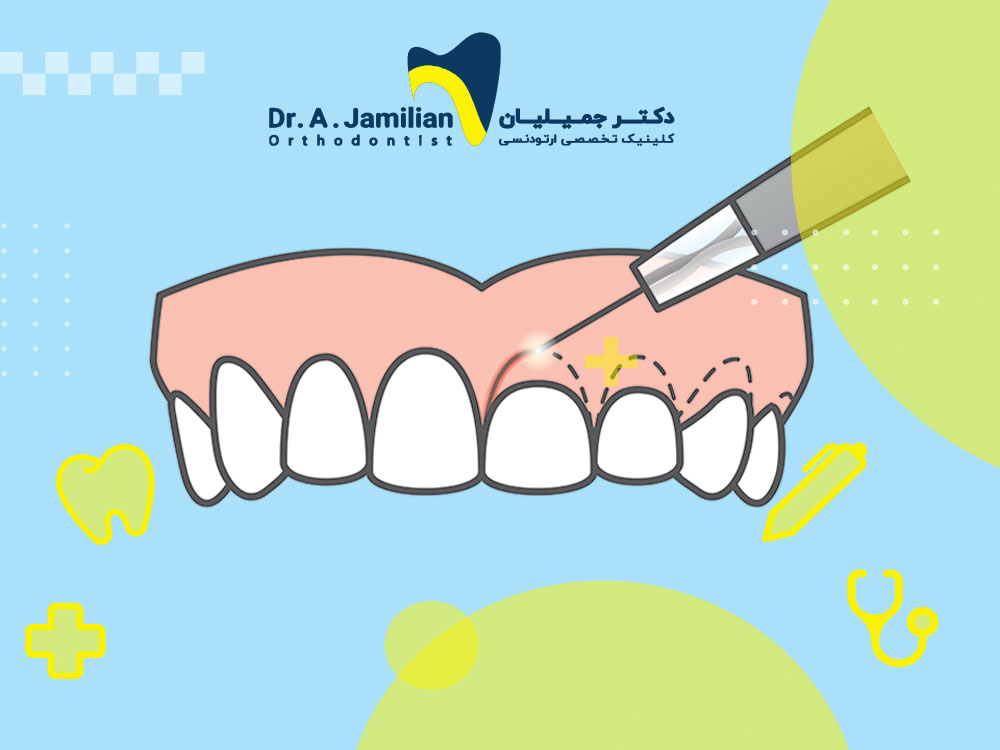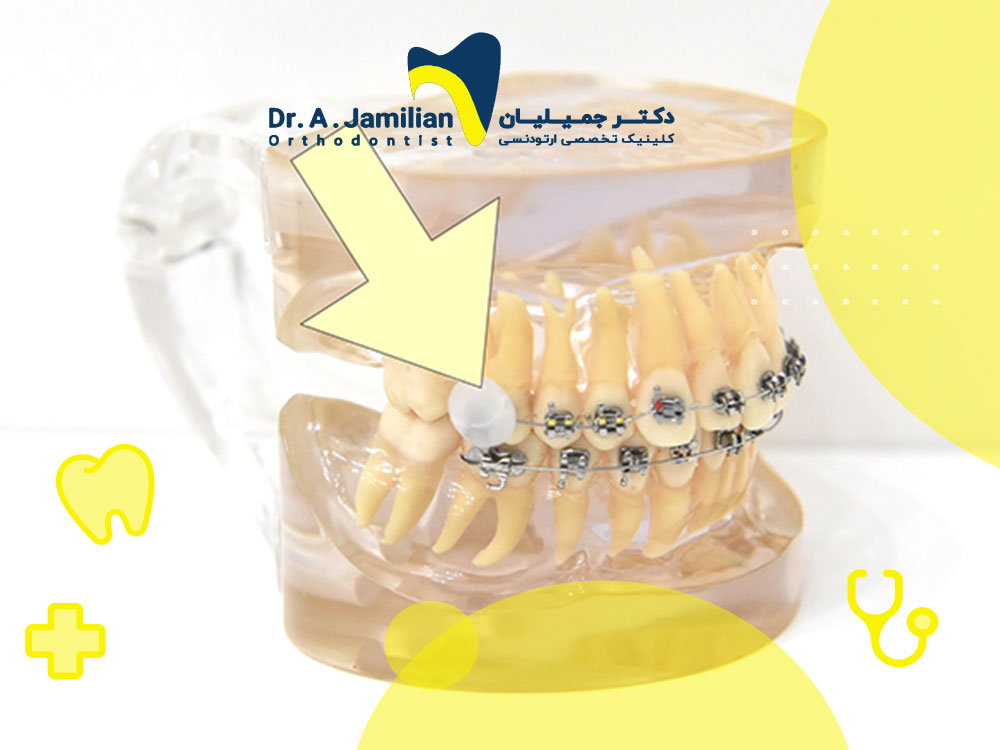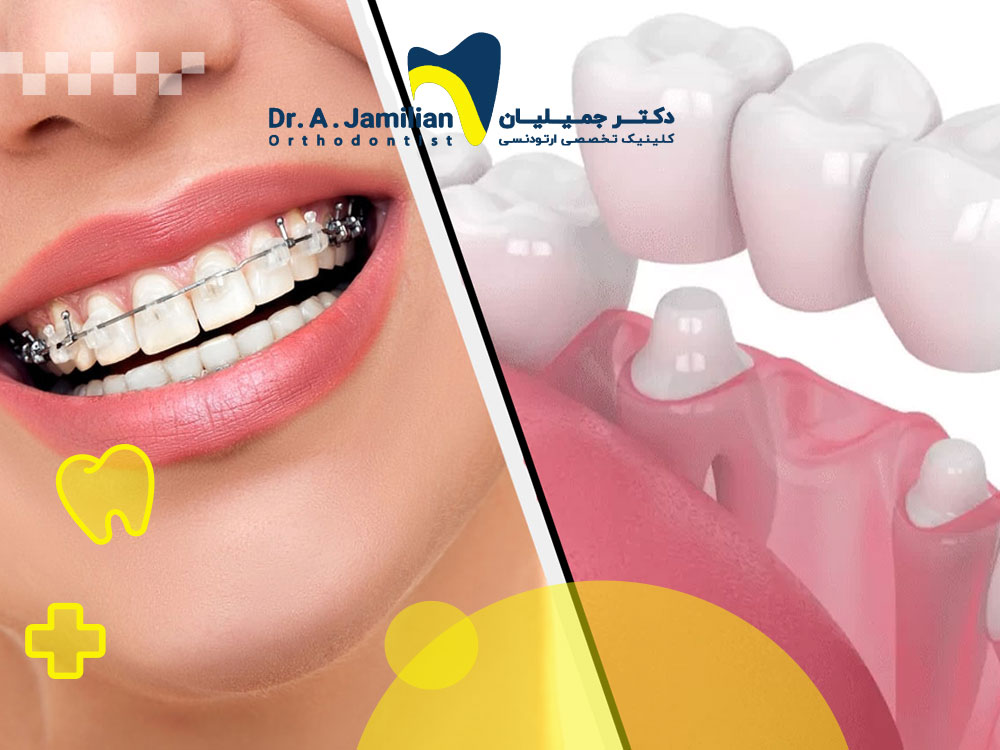

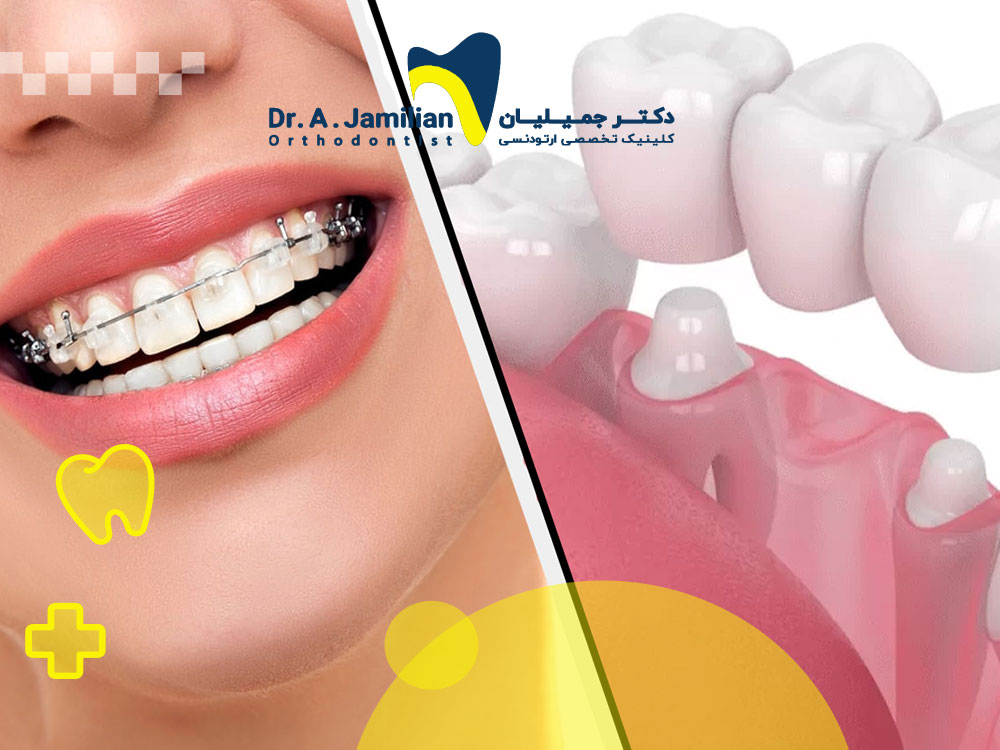
The simultaneous treatment of orthodontics and veneers connected together is one of the most important challenges facing those who need orthodontics and veneers. In this article, we are trying to comprehensively answer the most common questions in this field, such as: Does bonded dental veneers help orthodontic treatment? What are the advantages and disadvantages of combining orthodontic treatment with bonded veneers? Which one is better to do first?
Are connected tooth-covers a problem in orthodontic treatment?
In order to examine the question of whether or not bonded tooth veneers are problematic in orthodontic treatment, it is necessary to check 4 basic cases by an orthodontist:
- Does the patient currently have dental veneers or not?
- How old is the patient?
- What is the state of decay of the patient's teeth?
- What is the patient's goal of orthodontic treatment?
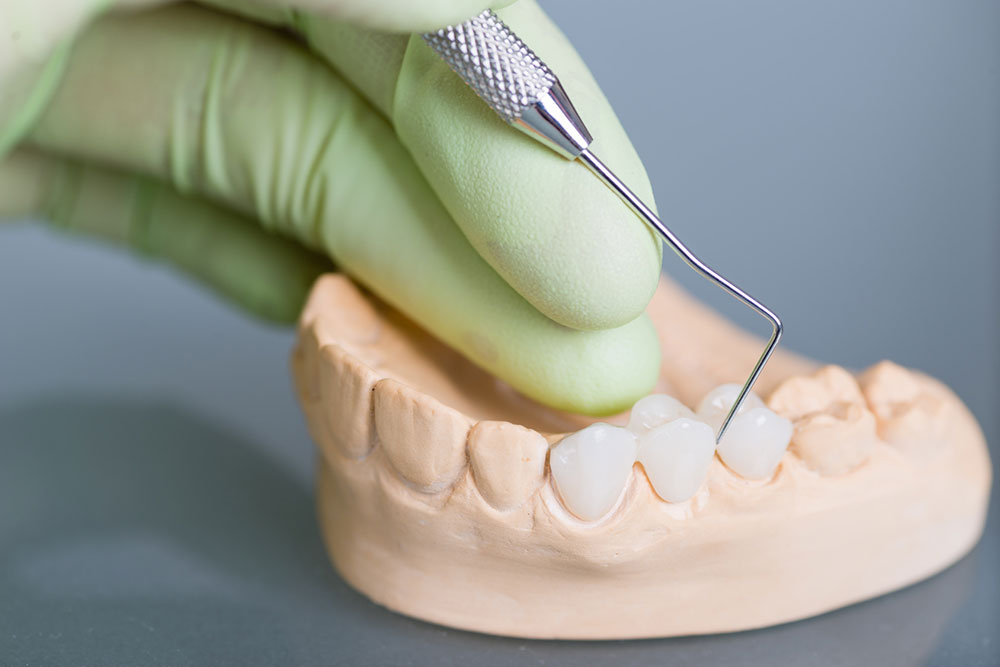
If the patient does not have tooth decay and is young, the main recommendation is to perform orthodontic treatment first, then the tooth is treated with veneers. But if the patient's teeth are severely decayed, the doctor may first recommend the installation of dental crowns. Dental cover can protect decayed teeth and prevent them from breaking and further destruction during orthodontic treatment.
Orthodontic problems on connected tooth-covers
The most important challenges and problems that the patient and orthodontist may face in connection with This treatment method is as follows:
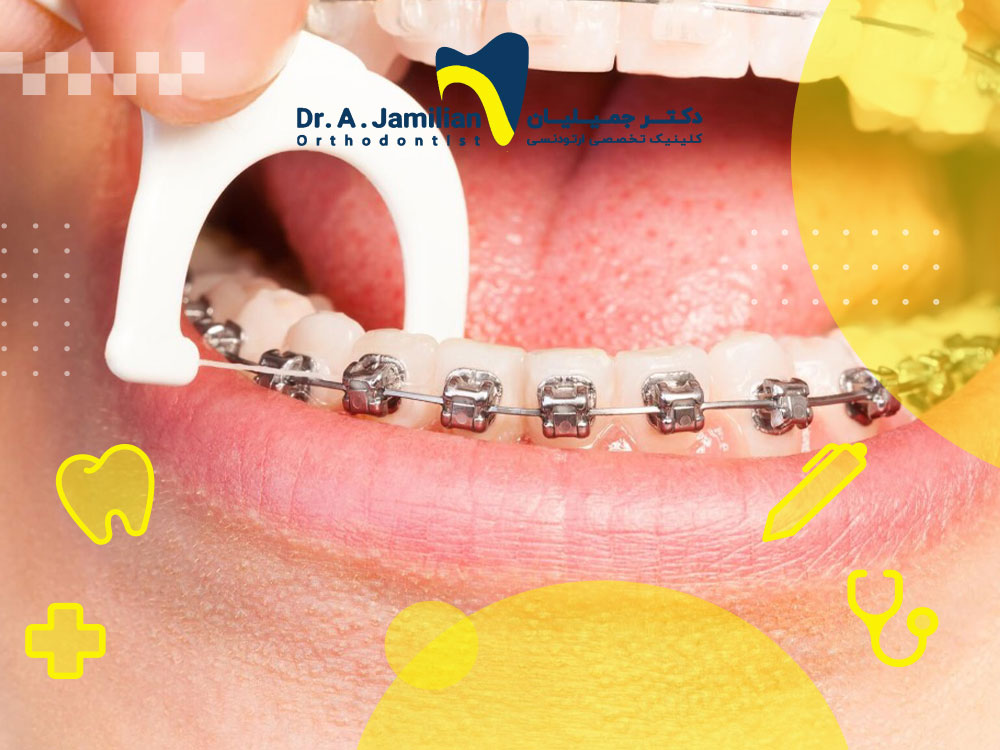
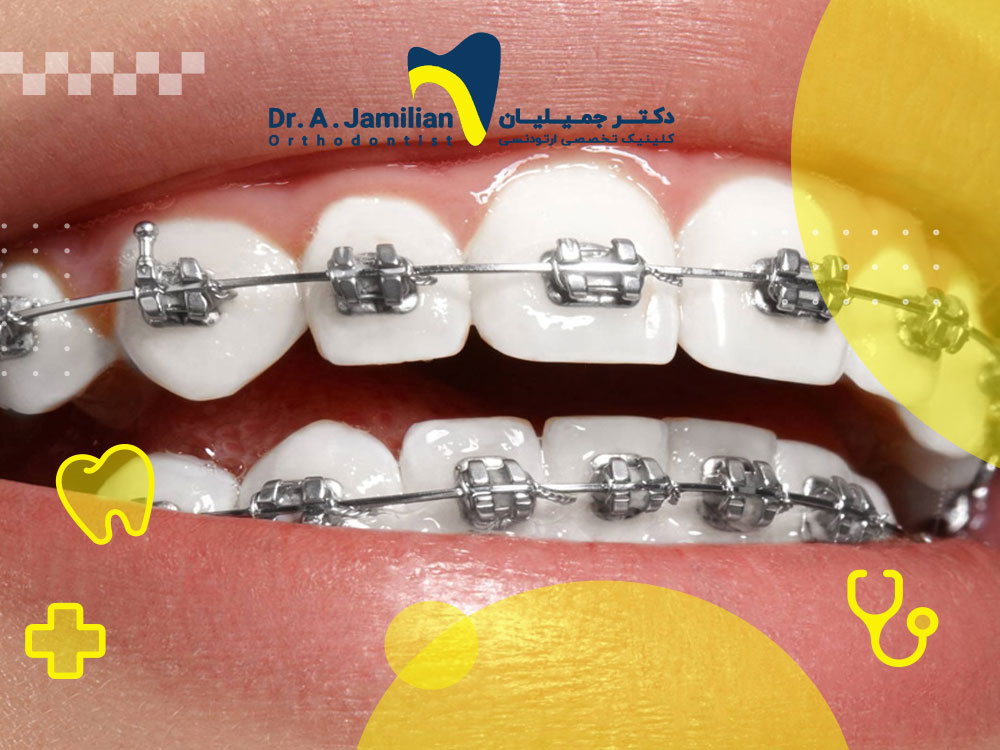
- Gluing orthodontic brackets to the surface of veneers is more complicated and difficult than gluing them to tooth enamel.
- Orthodontic brackets may be detached from the veneer during the treatment.
- It can cause unpredictability of teeth movement.
- There is a risk of detaching part of the porcelain cover and damaging them.
- Coating may loosen or detach during treatment.
- It may make oral hygiene more difficult.
In orthodontics, it is necessary to create force in precise and different directions to treat the misalignment of teeth. Bonded dental veneers prevent this because they bond multiple teeth together into a block that is forced to move together. This situation prevents the accurate prediction of the movement of the teeth and can cause unwanted space or deformation between the teeth.
Also, there is a possibility of damaging or breaking the cover when installing or removing the brackets. On the other hand, some patients need to re-install brackets or bondings due to loose or detached veneers during orthodontic treatment.
is connected dental cover better or single cover
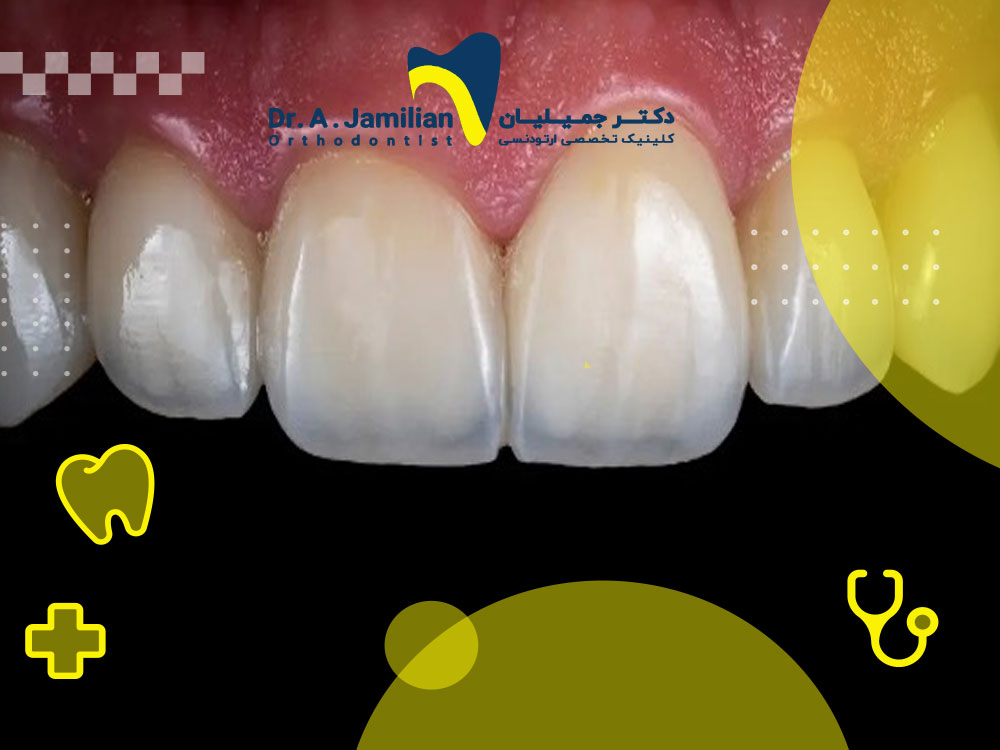
Using bonded dental veneers in orthodontic treatment can be effective for protecting decayed teeth. But it creates much more movement restriction. In addition, single veneers protect weak teeth and create less movement restrictions. As a result, the priority in this field is to install single covers. Unless there are several decayed teeth next to each other or there is a large gap between them due to a fallen tooth.
the best orthodontic solution with tooth-cover
If the patient has decayed teeth that need protection during orthodontics, it is better to use temporary veneers. In this case, dental abnormalities can be corrected more safely. For this, a team collaboration between the orthodontist and the restorative dentist is needed, so that the type of coating and the movement of the teeth are selected and adjusted in such a way that the final result is functional and beautiful.
If the patient has installed dental crowns connected to each other before orthodontics, several situations may occur. If the veneers are old and have chipping or decay under the veneer, it is usually recommended that they be removed. Then install the new cover.
But if the covers are new and there is no special problem, they can be preserved. If the dental abnormalities are severe, so that the veneers connected together are a serious obstacle to the complete orthodontic treatment, it is better to remove them before starting the treatment.
summary
Connected dental veneers can help in orthodontics under certain conditions, but often create serious movement restrictions for precise adjustment of teeth. It is recommended to cover the teeth individually before the orthodontic treatment and finally after the orthodontic treatment, if needed, a connected cover is installed. Therefore, to strengthen the structure and protect weak or damaged teeth during orthodontics, it is better to use single veneers and replace them with connected veneers after orthodontic treatment.