
بواسیر، که به آن هموروئید نیز گفته میشود، یکی از مشکلات رایج در سیستم گوارشی است که بسیاری از افراد در طول زندگی خود آن را تجربه میکنند. Symptoms of this disease usually include pain, bleeding and discomfort in the anus. But is it possible that hemorrhoids are related to other problems such as bloating? This is a question that many people may face. While hemorrhoids and bloating may seem like separate problems, medical studies have shown that common causes such as chronic constipation and excessive pressure on the bowels can exacerbate both problems. In this article, from Dr. Amani's website, we will examine the relationship between hemorrhoids and abdominal bloating, the factors that link these two problems, and the methods to deal with them. What is it?
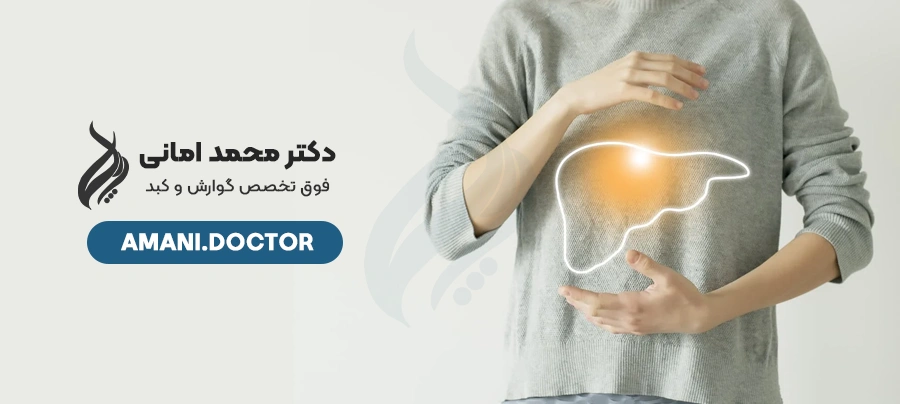
Abdominal bloating is the accumulation of gas in the stomach and intestines, which causes a feeling of fullness, swelling and sometimes pain in the abdomen. This condition can be caused by a number of reasons, including swallowing air while eating or drinking, consuming foods that cause bloating such as certain legumes and vegetables, constipation, or other digestive problems such as irritable bowel syndrome (IBS). In some cases, hormonal changes or intolerance to certain foods such as lactose can also cause bloating. Bloating is usually a temporary problem, but if it is persistent or severe, it can be a sign of more serious digestive problems.
Do hemorrhoids cause bloating?
No, hemorrhoids do not directly cause bloating, but they can indirectly, usually through constipation, straining during bowel movements and bowel movements. incomplete intestine causes increased gas production and as a result abdominal bloating; Abdominal bloating is more likely to be felt especially when the pain from hemorrhoids causes you to retain stool or delay defecation.
Causes of abdominal bloating
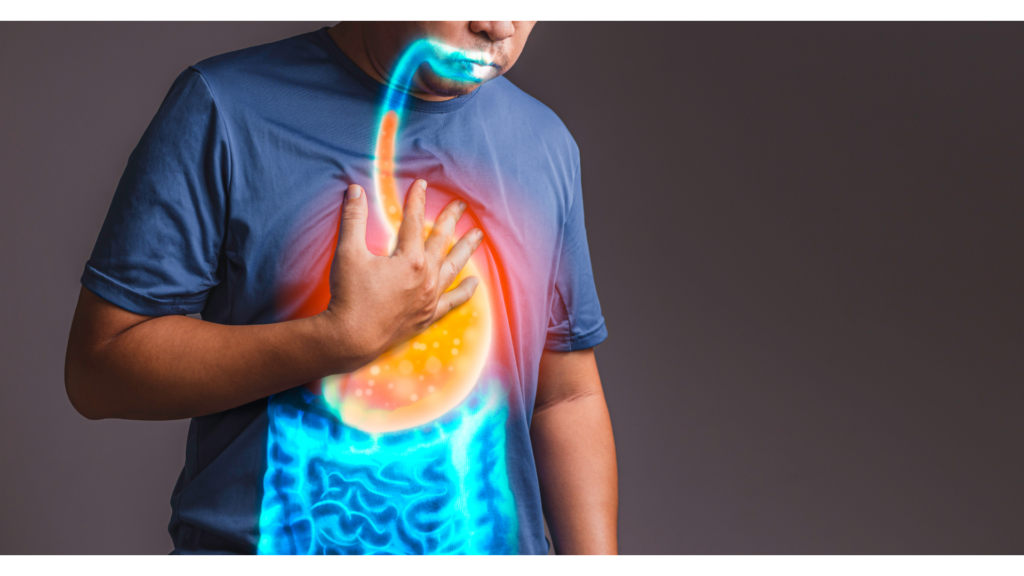
Abdominal bloating is a feeling of fullness, swelling, or gas in the abdominal area that is usually accompanied by pain or discomfort. This condition occurs when a large amount of air or gas accumulates in the stomach and intestines. Bloating can be caused by several reasons, including swallowing air, digestive problems, constipation, or eating certain foods. This condition can be temporary or, in some cases, turn into more chronic digestive problems.
- 🔴 Air swallowing: This happens when air enters the stomach when eating or drinking quickly, talking, or chewing gum, causing gas and bloating.
- 🔴 Constipation: When the bowels move slowly and Faeces are not properly excreted from the body, gas accumulates in the intestines and causes bloating.
- 🔴 Bloating foods: Some foods such as legumes, certain vegetables (such as broccoli and cabbage), onions and carbonated drinks can produce a lot of gas and cause bloating.
- 🔴 Lactose or gluten intolerance: Some people cannot tolerate lactose (milk). or digest gluten (a protein found in wheat and some grains), which can lead to bloating and other digestive problems.
- 🔴 Hormonal factors: Hormonal changes, especially during menstruation or pregnancy, can cause fluid retention and bloating.
- 🔴 Infections or digestive diseases: Some diseases such as inflammatory bowel disease (IBD) Or intestinal infections can cause chronic bloating.
Finally, bloating is a common problem that can have many causes, including poor eating habits, digestive problems, or hormonal changes. Most of the time, this problem can be controlled by following a proper diet, drinking enough fluids and avoiding flatulent foods. However, if the bloating continues continuously and severely or is accompanied by other symptoms such as severe pain, bleeding or weight loss, it is better to see a doctor for a more accurate diagnosis and appropriate treatment.
What factors can lead to exacerbation of hemorrhoids and flatulence?
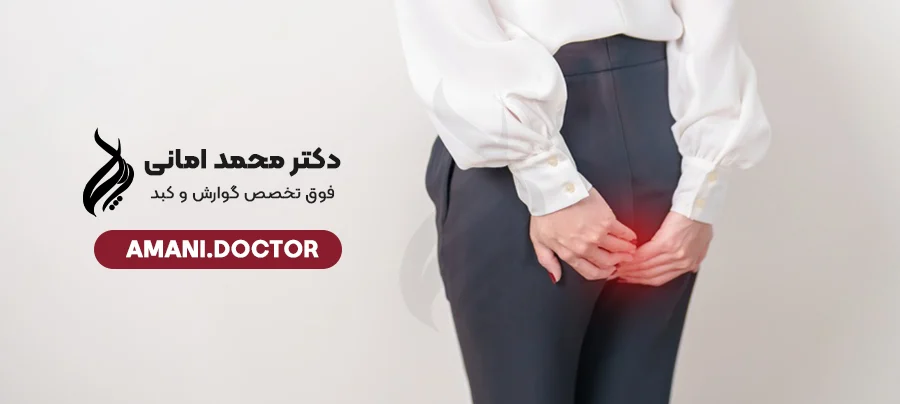
Aggravation of hemorrhoids (hemorrhoids) and flatulence can be due to a combination of different factors, especially eating habits, lifestyle and some digestive problems. be created Hemorrhoids occur when blood vessels in the anus or lower colon become swollen, and this swelling can cause pain, bleeding, and discomfort during bowel movements. Gas or bloating also happens when a lot of gas builds up in the intestines or stomach, which can cause swelling, a feeling of fullness, and even pain. These two problems may occur simultaneously and aggravate each other. In fact, some common factors can aggravate both problems, such as constipation, excessive straining during bowel movements, and poor diet that directly affect both conditions.
- 🔸Constipation: Chronic constipation causes extra pressure and tension on the intestines and anal area, which can aggravate hemorrhoids and lead to gas accumulation in the abdomen. Carbonated drinks can aggravate both hemorrhoids and flatulence.
- Swallowing a lot of air: Swallowing air while eating or drinking quickly, talking or chewing gum can cause gas to accumulate in the stomach and intestines and increase bloating. slows down, which in turn aggravates hemorrhoids.
- High pressure during bowel movements: High pressure to pass stool can put a lot of pressure on the anal area and make hemorrhoids worse. This pressure can also cause gas and bloating.
- Improper diet during pregnancy: Hormonal changes and extra pressure on the intestines during pregnancy can lead to hemorrhoids and abdominal bloating.
- 🔸 Lack of fiber in the diet: Fiber helps soften stools and prevent constipation. Lack of fiber in the diet can lead to constipation and hemorrhoids, as well as increase gas and bloating.
- Stress and anxiety: Stress can disrupt the functioning of the digestive system and cause problems such as gas, constipation, and exacerbation of hemorrhoids.
Can treating hemorrhoids help reduce bloating? Slow?
Yes, hemorrhoid treatment can help reduce abdominal bloating, especially if the bloating is caused by constipation or extra pressure from hemorrhoids. Hemorrhoids and bloating may be indirectly related, meaning that when a person has hemorrhoids, they may experience increased constipation and gas build-up in the intestines due to trying to pass stool or straining during bowel movements.
By treating hemorrhoids, the pressure on the intestines is reduced, which can help improve bowel movements and reduce constipation. Improving constipation and better movement of food in the intestines can lead to a reduction in gas production and eventually reduce abdominal bloating. In addition, treating hemorrhoids by using a proper diet, fiber intake, using laxatives (if necessary), and lifestyle changes can help reduce pressure and prevent gas accumulation in the intestines.
Do dietary changes prevent hemorrhoids and flatulence?
Diet plays a very important role in preventing hemorrhoids and digestive problems such as flatulence. Proper nutrition can help improve the functioning of the digestive system and prevent problems such as constipation and gas accumulation in the intestines that cause bloating. Simple but effective dietary changes can help reduce pressure on the anus and intestines and reduce the symptoms of hemorrhoids and gas. In this article, the effect of dietary changes in preventing hemorrhoids and reducing abdominal gas will be investigated. Increasing fiber: Consuming fiber-rich foods such as vegetables, fruits, legumes, and whole grains can help improve bowel movement and prevent constipation. Constipation is one of the main causes of hemorrhoids and gas accumulation. Fiber softens the stool and reduces the pressure on the anal veins.
🔹Drink enough water: Enough water softens the stool and facilitates its elimination. Lack of water can lead to constipation and more pressure on the anus, which can aggravate hemorrhoids.
🔹Avoid bloating foods: Some foods such as legumes, cabbage, onions, and carbonated drinks can cause gas and bloating in the intestines. Avoiding these foods can help reduce stomach gas and improve digestive comfort.
🔹Reduce consumption of unhealthy fats: High-fat foods and fast foods can aggravate digestive problems such as constipation and increased gas production. Substituting healthy fats such as olive oil and avocado can be helpful.
🔹 Consumption of probiotics: Probiotics are beneficial microbes that help balance gut bacteria and can help improve digestion and reduce gas production. Consuming foods such as probiotic yogurt, kefir and other sources of probiotics are beneficial.
Finally, dietary changes can play a significant role in preventing hemorrhoids and reducing digestive problems such as gas. By consuming more fiber, drinking enough water, avoiding flatulent foods and choosing healthy foods, you can prevent extra pressure on the intestines and anal area. In addition, following the correct nutritional principles will help improve the functioning of the digestive system and reduce the symptoms of hemorrhoids and bloating. If symptoms persist, consultation with a doctor for specialized treatments is recommended.
Does hemorrhoid treatment reduce abdominal bloating?
Yes, in many cases hemorrhoid treatment can help reduce abdominal bloating, especially when the bloating is caused by constipation and straining during bowel movements; By reducing the pain and inflammation of hemorrhoids, a person no longer postpones defecation, bowel emptying is more complete and normal bowel movements are improved, as a result, stool remains in the intestine and gas production is reduced, and abdominal bloating is also reduced, especially if the treatment of hemorrhoids is accompanied by diet modification, increasing fiber consumption and drinking enough water.
Suitable diet to reduce hemorrhoids and bloating Stomach
Diet plays a very important role in simultaneously controlling hemorrhoids and abdominal bloating, because improper nutrition can cause constipation, increased gas production, and exacerbation of symptoms; To improve this situation, it is recommended to consume sufficient fiber through fruits, vegetables, whole grains and legumes (gradually) so that the stool becomes softer and the pressure during defecation is reduced, also drinking enough water during the day helps the bowels to move better and prevent constipation, instead it is better to consume bloating foods such as carbonated drinks, foods Limit high-fat foods, fast foods, onions, cabbage, and flatulent legumes. In addition, the use of probiotics such as probiotic yogurt can help balance intestinal bacteria and reduce bloating, and finally, eating slowly and regularly plays an important role in preventing gas accumulation and aggravating hemorrhoids. When bloating and hemorrhoids require seeing a doctor. Does it?
Abdominal bloating and hemorrhoids need to see a doctor when the symptoms become severe, persistent or unusual; Especially if the bloating persists for more than a few weeks or is accompanied by severe abdominal pain, unexplained weight loss, persistent nausea and vomiting, diarrhea or prolonged constipation, as it may be a sign of a more serious digestive problem, also in the case of hemorrhoids, if there is severe or frequent rectal bleeding, extreme pain, persistent hemorrhoid protrusion, discharge, or signs of infection or symptoms improve with home remedies. If they do not, it is necessary to see a doctor for a detailed examination and to choose the appropriate treatment.
When is abdominal bloating not related to hemorrhoids?
Abdominal bloating is not related to hemorrhoids when it occurs persistently and independently of constipation or painful defecation and does not decrease with hemorrhoid treatment or improved bowel movements; Especially if the bloating is accompanied by symptoms such as severe abdominal pain, chronic diarrhea or constipation unrelated to hemorrhoids, unusual weight loss, nausea, or worsening at night, because in this situation, the cause of bloating is likely to be related to other problems such as digestive disorders, food intolerance, or intestinal diseases, and not hemorrhoids itself.
Summary
This article examines It discusses the connection between hemorrhoids and bloating and explains that although hemorrhoids do not directly cause bloating, they can indirectly cause or aggravate bloating through factors such as constipation, straining during bowel movements, incomplete bowel emptying, and poor diet; Also, the pain caused by hemorrhoids may delay the excretion and remain stool in the intestine, which increases the production of gas and abdominal bloating. In the rest of the article, it is emphasized that simultaneously treating hemorrhoids, modifying the diet, increasing fiber and water consumption, and following a healthy lifestyle can play an important role in reducing both problems, and finally, it is recommended to see a doctor for a more detailed examination if the abdominal bloating is persistent or severe or if the symptoms do not improve.
FAQ
Hemorrhoids do not directly cause bloating, but through constipation and defecation disorders, it can aggravate abdominal bloating.
No, in most cases, bloating is related to constipation or diet and is not a sign that hemorrhoids are dangerous.
Yes, if the bloating is caused by Whether it is constipation, treating hemorrhoids and improving bowel movements can reduce bloating.
Bloating, high-fat foods, fast food, and carbonated drinks They can aggravate both problems.
Yes, constipation is the most important common factor between hemorrhoids and flatulence.
When bloating is persistent and does not improve with constipation and hemorrhoid treatment, it may have another cause.