مقاله تخصصی
Dental scanner: introduction and benefits for dentists and patients
3 weeks ago
207 بازدید

Dr. Mohammad Hossein Tajik
تهرانdentist
Dental Scanner: Introduction and Benefits for Dentists and Patients
In the modern world, every day we witness tremendous developments in We are in different scientific and technological fields. Dentistry is not an exception to this rule and has improved the quality of medical services to a higher level by using new technologies. One of these innovations is the dental scanner device, which is used in Dr. Tajik's dental clinic and provides a unique experience for patients. Imagine that instead of using uncomfortable silicone molds, you can have accurate 3D images of your mouth and teeth with a few simple clicks. This article will help you get to know the dental scanner device and its benefits and effects on your oral and dental health. --jtoc-toggle-1 --jtoc-has-numeration --jtoc-has-custom-styles --jtoc-is-unfolded">
Introduction
At Dr. Tajik dental clinic, we always seek to provide the best and most effective treatment methods for our patients. Using scanners At Digital Dentistry, we have been able to improve the diagnosis and treatment process and provide you with a more convenient and efficient experience. But what is a dental scanner and how can it help you? In the following, we will discuss the comprehensive review of this device, its advantages, comparison with traditional methods and its effects on oral and dental health.
What is a dental scanner?
Definition and function
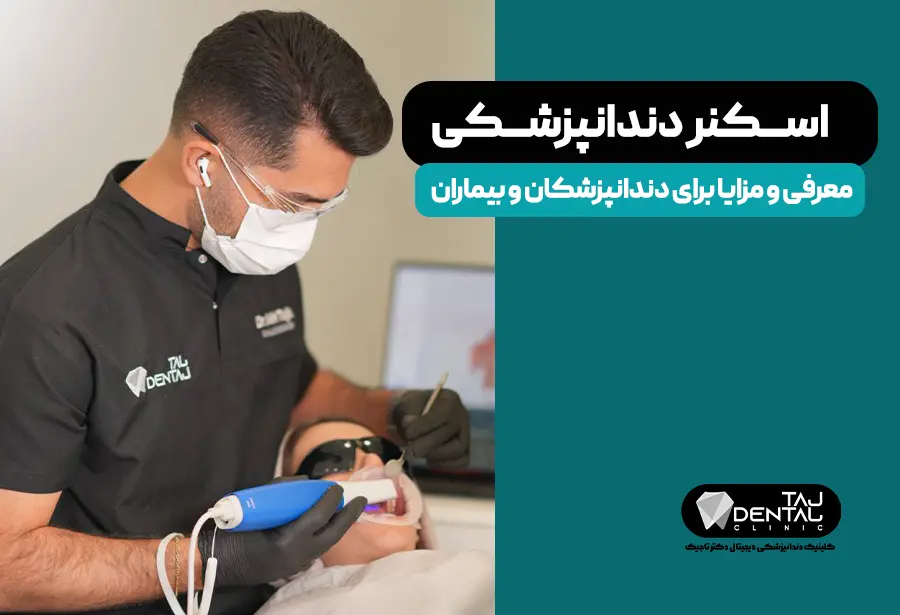
A dental scanner is an advanced digital tool used to create 3D images of a patient's mouth and teeth. Unlike traditional methods that require the use of silicone or resin molds, modern scanners provide accurate images of the tooth structure without the need for fissure materials. These images help dentists to more accurately diagnose dental problems and provide more optimal treatment planning.
Types of dental scanners
Hand scanners: These types of scanners are used by They are manually moved by the dentist over the patient's mouth to collect comprehensive images of the teeth and surrounding tissues.
Fixed scanners: These devices are permanently installed in the dental office and usually have more advanced sensors that provide greater accuracy.
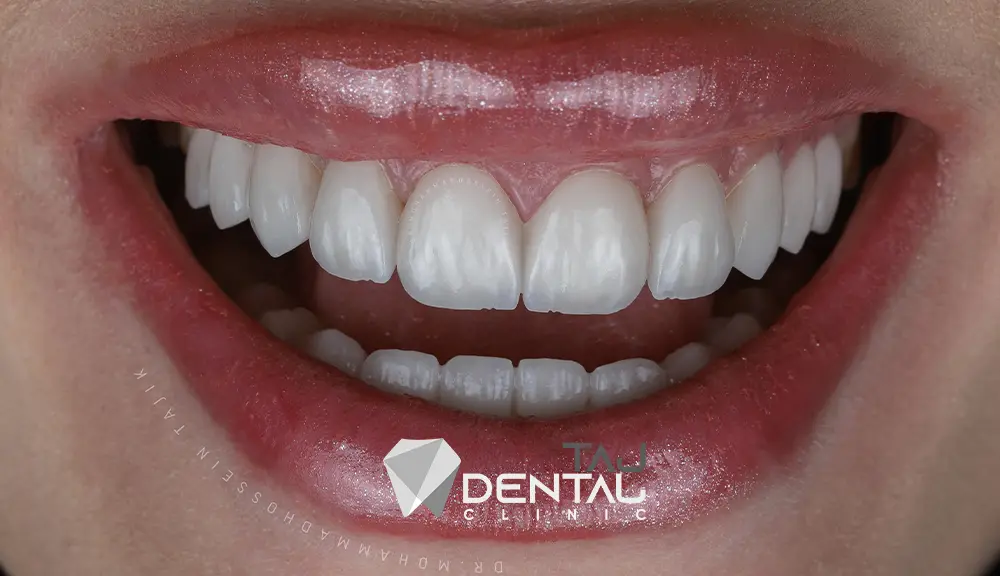
Dental scanner applications
Dental scanners are one of the most advanced technological tools in the field of dentistry that dramatically increase the accuracy and quality of treatments. In this section, we examine the applications of these devices in orthodontic treatments, implant planting, dental prostheses and dental laminate.
Dental laminate
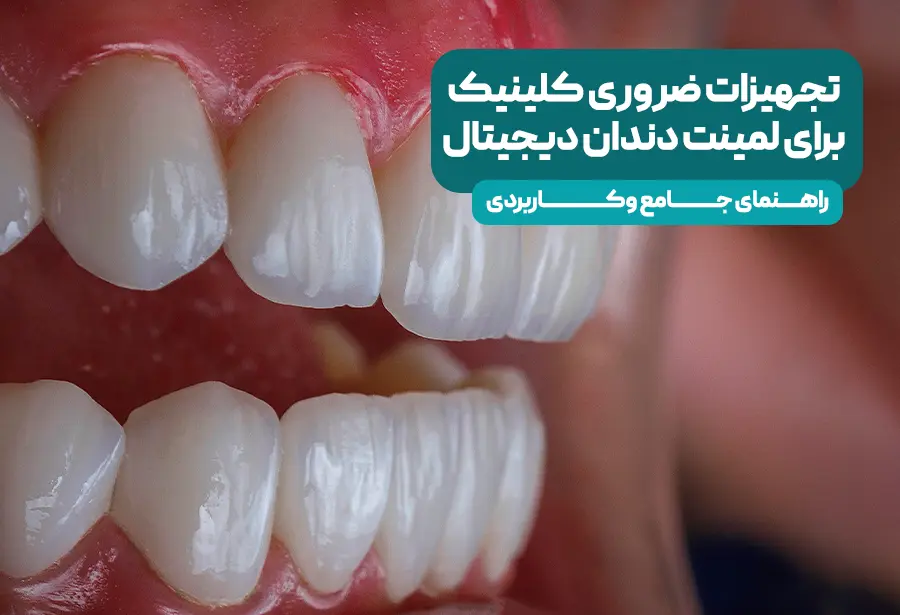
Dental laminate is one of the most popular methods of dental beauty that requires high precision and delicacy. By providing accurate 3D images of the teeth, dental scanners help the dentist to design laminates perfectly suited to the shape and size of the patient's teeth. This technology not only increases the accuracy of the work, but also reduces the laminate preparation time and brings natural and beautiful results.
implant planting
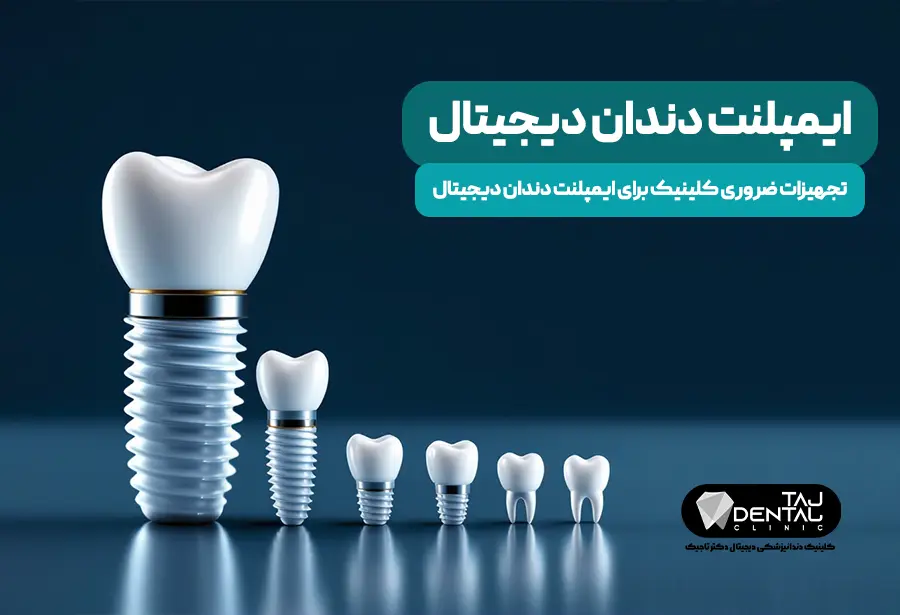
in href="https://taj.dental/%d8%a7%db%8c%d9%85%d9%be%d9%84%d9%86%d8%aa-%d8%af%db %8c%d8%ac%db%8c%d8%aa%d8%a7%d9%84-%db%8c%d8%a7-%d8%b3%d9%86%d8%aa%db%8c/"> Digital implant, accurate knowledge of the condition of the patient's mouth and jaw is vital. Dental scanners provide accurate maps that facilitate the implant process. These images help the dentist to determine the exact location of the implant and prevent errors.
Dental prostheses
In making dental prostheses, the accuracy and fit of the prosthesis with the patient's mouth is very important. Dental scanners help to improve the prosthesis manufacturing process by providing accurate 3D images. This technology makes prostheses fully match the structure of the patient's mouth and provide better comfort and performance.
Orthodontic treatments
In orthodontic treatments, the accuracy of the treatment plan is very important. Dental scanners help to precisely adjust brackets and determine the direction of tooth movement. By using accurate 3D images, the dentist can design the best treatment plan for the patient and provide ideal results.
Advantages of the dental scanner device in Dr. Tajik clinic
increasing the accuracy and quality of diagnosis
One of the biggest advantages of using a dental scanner is increasing the accuracy in diagnosing dental problems. High-quality 3D images allow for fine detail viewing of teeth and surrounding tissues, which ultimately leads to more accurate treatment planning. Scientific research has shown that the use of digital technologies in dentistry can increase the accuracy of diagnosis by 30% (source: Journal of Dental Research). style="padding-left:1em; padding-right:1em;">View Top 12 toothpastes of 2025 chosen by dental professionals
Reduce treatment time
Using Digital scanners reduce the need for multiple and long steps in the process of diagnosing and designing prostheses. This results in reducing the total treatment time and increasing patient satisfaction. For example, in the case of digital crowns, a process that used to take several days can now be done in one appointment.
More convenience for patients
Using imitation molds can be uncomfortable for some patients. Digital scanners provide a more comfortable and painless experience for patients by not requiring materials such as silicone or resin. This is especially useful for patients with a fear of dentistry or children.
Improving communication between the patient and the dentist
The digital and 3D images provided by the scanners help the dentist to explain the problems to the patients more clearly. This increases the patients' understanding of the condition of their teeth and better acceptance of the treatment plan.
reducing waste of materials
using digital scanners, the need for consumables such as silicone molds is reduced. This not only reduces costs, but is also environmentally friendly.
creating more accurate prostheses
High quality images created by scanners enable the design and production of more accurate prostheses that fit the structure of the patient's teeth. they do This greater accuracy brings more durability of the prosthesis and more comfort for the patient.
In the dental clinic of Dr. Tajik in Tehran, the use of dental scanners has reduced the average treatment time by 30% and increased patient satisfaction. Also, a study published in the Iranian Journal of Dentistry shows that the use of this technology can increase the accuracy of the treatment plan by 25%.
Dental scanner device comparison with traditional molding methods
| dental scanner | Traditional formatting | |
|---|---|---|
| 2D images and the possibility of errors in the format | ||
| Processing time | faster, often done in one session | more time consuming, requires more sessions |
| patient comfort | No pain and no need for silicone molds | May be uncomfortable for some patients |
| Overall cost | High initial cost but lower long-term costs | High consumables cost per use |
| Environment | Reduce consumption of materials | Use of non-recyclable materials |
| Access to data | Digital and easy to store | Physical and requires storage space |
| Flexibility in design | Possibility to change and modify prostheses digitally | Limited changes after Templates |
| Team collaboration | Easy sharing of digital images with the therapy team | Physical sharing of templates It's more complicated |
The effect of dental scanner on the work process in Dr. Tajik's clinic
Increasing productivity
Using digital scanners increases productivity in Dr. Tajik's dental office. Faster and more accurate diagnostic processes allow dentists to treat patients more and spend less time on procedures.
Reduction of human errors
More accurate digital images prevent the possibility of human errors in the diagnosis and design of prostheses. This greater accuracy leads to more reliable results and greater patient satisfaction.
Facilitate Team Collaboration
Digital data and 3D images shared between dental team members provide better collaboration and coordination. This is especially useful in complex treatments that require the cooperation of several different specialties.
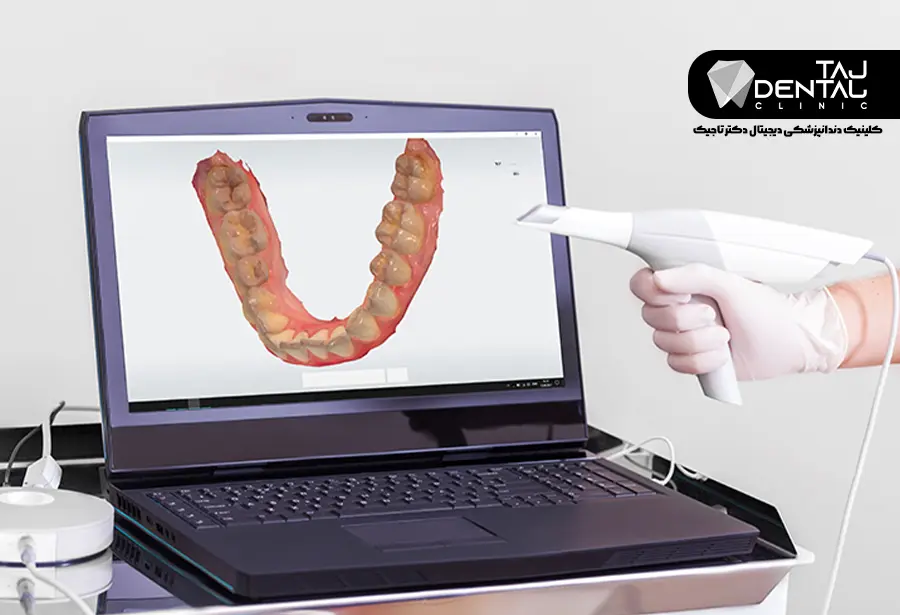
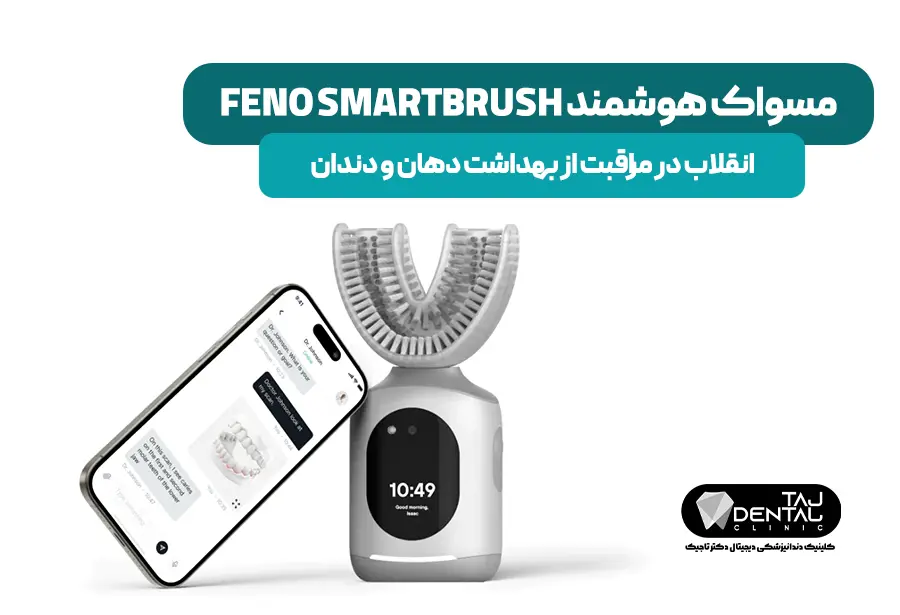
toothbrush scanner
special tips in choosing a dental scanner
accuracy and image quality
accuracy and quality of produced images is of great importance. Scanners with high resolution and the ability to record the fine details of teeth and soft tissues of the mouth work better.
scanning speed
Scanning speed is also another important criterion. Faster scanners can consume less time from the patient and the dentist and increase the productivity of the clinic.
Ease of use and training
Devices that have a simple and understandable user interface require less time to train the dental team and increase productivity.
Compatibility with other software
Scanners that are easily compatible with clinic management and prosthesis design software are considered a better choice for modern dental offices.
Cost and ROI
The initial cost of purchasing a scanner as well as its maintenance costs should be evaluated against the long-term benefits. In many cases, investing in digital scanners makes sense because of the increased productivity and lower long-term costs.
Comparison with traditional methods
Silicone molding versus digital scanner
Traditional methods that require silicone molds, in addition to causing discomfort to the patient, more time to complete the diagnosis and design process Prostheses are needed. Digital scanners not only reduce time but also provide greater accuracy.
Image quality
Images produced by digital scanners are more accurate and detailed than traditional 2D images. This greater accuracy allows dentists to more fully diagnose problems and provide better treatment plans. Studies show that the use of digital images can lead to improved clinical diagnoses (source: International Journal of Dentistry).

The Future of Dental Scanners
Technology Advances
With continued advances in artificial intelligence and machine learning, future dental scanners will be able to automatically perform basic diagnoses and Make suggestions for treatment. In addition to increasing accuracy, this will also reduce the time required for diagnosis and treatment planning.
Integration with digital health systems
Future dental scanners will be fully integrated with electronic patient record management systems. This allows dentists to quickly access patient records and provide more consistent treatments.
Increasing access and reducing costs
By reducing production costs and increasing competition in the market, access to digital scanners will also be possible for smaller offices. became This increases the quality of dental services in the wider community.
Conclusion
In the dental clinic of Dr. Tajik, the use of dental scanner device is one of the important steps in providing advanced and effective medical services to patients. This device helps dentists provide better services by providing more accurate images, reducing treatment time and increasing patient comfort. Considering the many benefits and its positive impact on oral and dental health, investing in digital scanners can be one of the best decisions to improve the quality of treatment and increase patient satisfaction.