مقاله تخصصی
Dental implants take several sessions
2 months ago
724 بازدید

Dr. Mehrzad Zare
MarvdashtSurgeon - Dentist
Dental implant is one of the most advanced methods of replacing lost teeth, which has become very popular due to its durability, beauty and natural function. But one of the common questions of patients is how many sessions do dental implants take? This process depends on several factors such as the condition of the mouth, the number of implants and the technique used. In this article, we will cover this topic comprehensively and provide complete information about the stages, prevention methods, alternative treatments and important points. **What is a dental implant?**
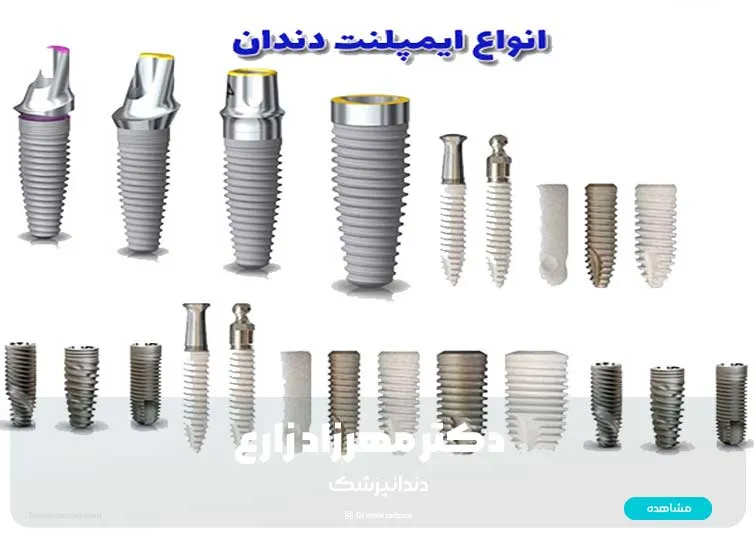
A dental implant is a metal structure (usually made of titanium) that is placed in the jawbone as an artificial tooth root. This base is covered with a veneer or dental prosthesis to create an appearance similar to a natural tooth. Unlike traditional methods such as bridges or artificial teeth, the implant is permanently fixed in the jaw and has the same function as natural teeth. ### **Benefits of dental implants**
- **High Durability**: With proper care, implants can work for years or even a lifetime. - **Natural appearance**: implants are designed to match natural teeth. - **Improving oral function**: chewing and speaking with implants is easier than other methods. - **Jawbone preservation**: Implants prevent bone loss, a problem that is common in other methods. ### **How many sessions do dental implants take?**
The number of sessions required for implant placement depends on various factors, including the general health of the patient, the condition of the jawbone, the type of implant, and the technique used. In general, the dental implant process is done in several stages, which may take between 3 and 6 months and includes 3 to 5 main sessions. ### **Dental implant implantation steps**
1. **Preliminary assessment and planning (first meeting)**
At this stage, the dentist evaluates the patient's condition by performing a detailed examination, taking radiographic images (such as CBCT) and checking the health of the mouth and gums. If there is not enough jawbone, a bone graft may be required, which itself requires additional sessions. **Duration**: 1 to 2 hours
**Key Point**: Patient preparation, such as control of chronic diseases (diabetes or hypertension), has a great impact on the success of this stage. 2. **implant base planting (second session)**
In this session, the titanium base of the implant is placed in the jawbone. This surgery is usually performed under local anesthesia and takes 1 to 3 hours, depending on the number of implants. **Recovery period**: After this stage, the patient needs 3 to 6 months for the implant base to fuse with the jaw bone (osseointegration process). 3. **installation of abutment and molding (third session)**
After the base is fused to the bone, the abutment (connecting piece between the base and veneer) is installed. Then molding is done to make the cover. **Duration**: about 1 hour
4. **Final coating installation (fourth session)**
In this step, the veneer or dental prosthesis is installed on the abutment. This veneer is designed to match the patient's natural teeth. **Duration**: 30 minutes to 1 hour
5. **Follow-up sessions and examination**
Additional sessions may be necessary to check the condition of the implant and ensure that it is functioning properly. ### **factors affecting the number of sessions**
- **Jaw bone condition**: If there is not enough bone, bone grafting may require 1 to 2 additional sessions. - **Number of implants**: Planting several implants may require more sessions. **Advanced techniques**: methods such as Immediate Implant can reduce the number of sessions. - **General health of the patient**: Diseases such as diabetes or smoking can prolong the recovery period. ### **Methods to prevent implant problems**
To reduce the number of sessions and be more successful in implant placement, it is necessary to observe the following points:
- Oral and dental hygiene: brushing twice a day, using dental floss and antibacterial mouthwash. - **Chronic disease control**: management of diabetes and blood pressure to improve implant fusion. - **Quit smoking**: **Smoking** can disrupt the healing process. - **Regular visits to the dentist**: periodic examinations for early detection of problems. ### **Alternative treatments for dental implants**
If for any reason (such as high cost or lack of bone) the implant is not suitable, the alternative options are:
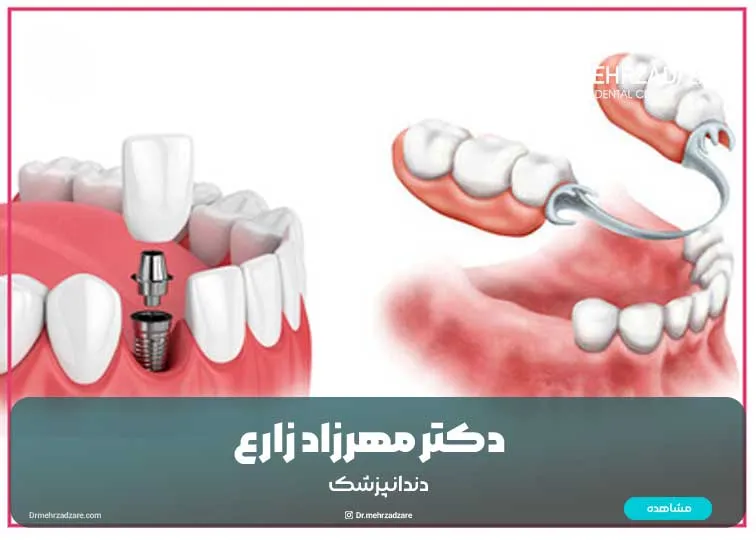
1. **Dental bridge**: Bridges fill the empty space by relying on the adjacent teeth. - **advantages**: lower cost and shorter time. - **disadvantages**: the need to sharpen healthy teeth and not preventing bone loss. 2. **Artificial teeth (movable prosthesis)**: Suitable for people who have lost several teeth. - **advantages**: low cost and fast installation. - **disadvantages**: lack of comfort in chewing and the need for periodic replacement. 3. **short implants or mini implants**: for patients who have limited jaw bone. ### **Exercises and post-implant care**
Follow these tips to speed recovery and reduce additional sessions:
- **soft diet**: in the first weeks, eat soft foods such as soup, mashed potatoes and yogurt. - **Avoid pressure on the implant**: Avoid chewing hard or sticky foods. - **Slow jaw exercises**: Slow jaw movements are recommended to prevent muscle stiffness. - **use of ice compress**: to reduce swelling in the first 48 hours after surgery. ### **Dental implant results take several sessions**
Dental implant is one of the best methods to replace missing teeth, which is done in several sessions (usually 3 to 5 sessions) over a few months. The number of sessions depends on various factors such as the health of the patient, the condition of the jaw bone and the type of implant. By observing oral hygiene, post-surgery care and choosing an experienced specialist, you can enjoy the long-term benefits of implants. If you are looking for a permanent, beautiful and functional way to replace your teeth, implants are an ideal option. For more information, consult a dental professional. ### **Frequently asked questions about how many sessions do dental implants last**
- **How many sessions does a dental implant take?**
On average, 3 to 5 sessions, depending on the patient's condition and the number of implants. - **Is the implant painful?**
No, the surgery is performed under local anesthesia and the pain can be controlled with medication afterwards. - **How much does the implant cost?**
The cost varies depending on the number of implants and the materials used. Visit the clinic for detailed information. - **Is the implant suitable for everyone?**
No, people with uncontrolled disease or insufficient bone may need additional treatments. - **How long is the recovery period?**
Usually 3 to 6 months for the base to fuse with the bone. - **Does smoking affect the implant?**
Yes, smoking can reduce implant success. - **How long does the implant last?**
With proper care, it may last a lifetime. - **Is there an immediate implant?**
Yes, in cases where the patient's conditions are suitable, the immediate implant is performed in one session. - **How do I take care of the implant?**
With a toothbrush, dental floss and regular visits to the dentist. - **Does the insurance cover the cost of the implant?**
Some insurances cover part of the cost, but it depends on the type of insurance. ### **Misconceptions about dental implants take a few sessions**
- **Implant is always painful**: with local anesthesia, there is no pain during surgery. - **Implants are only for young people**: Older people with good general health can also do implants. - **Implants do not need care**: Implants need strict hygiene. - **Everyone can do an immediate implant**: This method is not suitable for everyone and requires special conditions. - **Implants cause infection**: By observing hygiene and choosing an experienced specialist, the risk of infection is very low. - **Implant is cheap**: The cost of the implant is relatively high due to high quality materials and high expertise. - **Implants are not permanent**: With proper care, implants can last for years. - **Implants change the face**: Implants improve the face, not a negative change. - **All dentists can do implants**: Only trained specialists should do this. - **Implant requires complex surgery**: Implant surgery is usually simple and minimally invasive.
Anchor links
Toggle