مقاله تخصصی
Dental implant during pregnancy Risks, benefits and complete guide
3 weeks ago
260 بازدید

Dr. Mohammad Hossein Tajik
تهرانdentist
Dental implants during pregnancy | Risks, Benefits and Complete Guide
Pregnancy is an amazing period full of changes in a woman's life. In this era, oral health is as important as other aspects of health. A dental implant may be needed during pregnancy for various reasons, such as tooth loss due to decay or trauma. But are dental implants safe in this era? This comprehensive article examines all aspects of dental implants during pregnancy, to help expectant mothers make the best informed decision for their health and that of their child. This guide is prepared based on E-E-A-T principles and includes up-to-date information, valid studies, and practical recommendations from Dr. Tajik's dental clinic. --jtoc-toggle-position-right --jtoc-toggle-1 --jtoc-has-numeration --jtoc-has-custom-styles --jtoc-is-unfolded">
Oral and dental changes during pregnancy
Pregnancy is accompanied by extensive hormonal changes that can affect oral and dental health. Some of the most common changes are:
Pregnancy gingivitis (inflammation of the gums): Increased levels of progesterone and estrogen hormones can cause increased sensitivity of the gums, swelling, redness and bleeding. This condition, known as pregnancy gingivitis, is seen in many pregnant women. If gingivitis is not treated, it can develop into periodontitis (advanced gum disease), which increases the risk of tooth loss.
Increased risk of tooth decay: Changes in diet (pregnancy), morning sickness and vomiting (which increases mouth acidity) and reduced attention to oral hygiene due to fatigue, It can increase the risk of tooth decay during pregnancy.
Pregnancy tumors (pyogenic granuloma): Some pregnant women may develop benign tumors in the gums, which are called "pregnancy tumors". These tumors usually go away on their own after delivery, but may cause discomfort and bleeding during pregnancy.
Dry mouth: Some pregnant women may experience dry mouth, which can increase the risk of tooth decay and gum disease.

Dental implants during pregnancy
What is a dental implant?
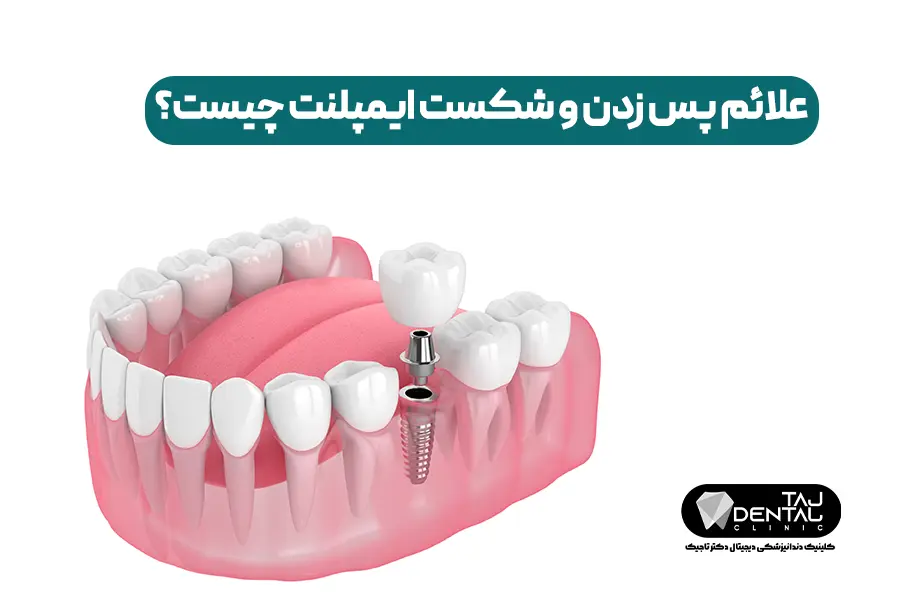
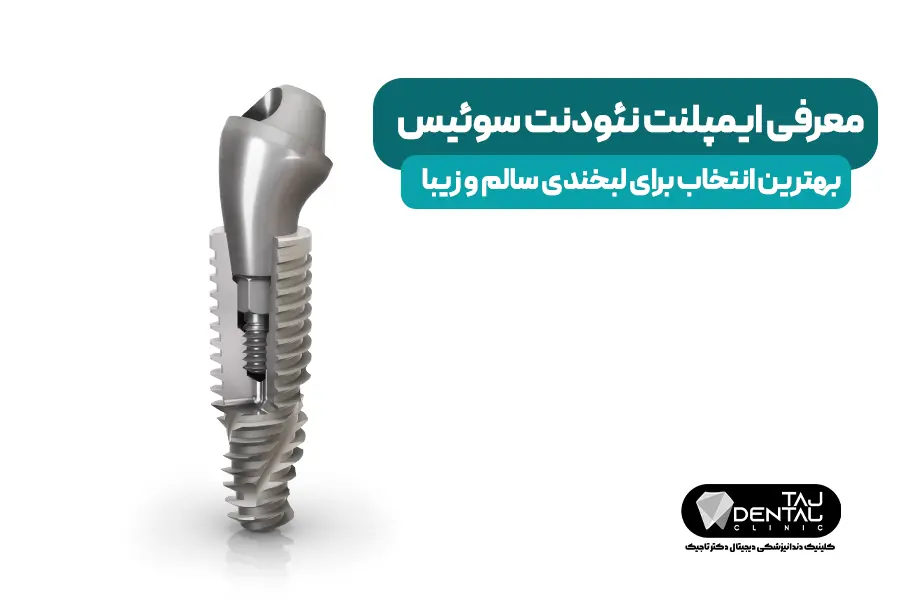
Dental implant is a missing tooth replacement procedure that involves placing a titanium base (fixture) in the jawbone and then Attaching an artificial tooth crown to it. Implants have a natural appearance, function similar to natural teeth, and can help improve a person's self-confidence and quality of life.
Dental implant steps in a nutshell:
Examination and consultation: The dentist examines your mouth and teeth, photographs He will take radiographs (X-rays) and discuss treatment options with you.
Placing the implant (fixture): In a small surgery, a titanium base is placed in the jawbone.
Recovery period (welding of the implant): Several months It takes time for the base of the implant to fuse with the jaw bone (osseointegration).
Placement of the abutment: After the implant is welded, a connecting piece called the abutment is placed on it.
Placement of the crown: Finally, the artificial crown that is custom-made for your is made, it is placed on the abutment.
Dental implants during pregnancy: general considerations
In general, it is recommended that elective dental treatments, including dental implants, be postponed until after delivery if possible. This is because of the potential risks to the mother and developing fetus. to exist However, in certain circumstances and with careful consideration of the circumstances, dental implants may be necessary during pregnancy.
Potential risks of dental implants during pregnancy
X-ray (radiography): to assess bone condition Jaws and implant treatment planning require x-rays. Although the amount of x-rays used in dentistry is low, exposure to x-rays is not recommended during the first trimester of pregnancy, which is the critical period for fetal organ development. Anesthetics: To perform implant surgery, local anesthetics are required. Some anesthetics can cross the placenta and reach the fetus. Choosing the type of anesthetic and its amount during pregnancy should be done carefully by a dentist and gynecologist.
Painkillers and antibiotics: After implant surgery, it may be necessary to take painkillers and antibiotics. The use of some of these drugs during pregnancy can be harmful to the fetus. The dentist should prescribe drugs that are safe for use during pregnancy.
Stress and anxiety: Implant surgery can cause stress and anxiety, which can be harmful to the mother and the fetus. Managing stress and anxiety during pregnancy is very important.
Infection: As with any surgery, there is a risk of infection after implant surgery. Infection during pregnancy can be serious and require immediate treatment.
Conditions in which dental implants may be necessary during pregnancy
In some cases, delaying dental implants until after delivery may result in greater risks for Have a healthy mother. These conditions include:
Severe and unbearable pain: If the missing tooth has caused severe and unbearable pain that cannot be controlled by other treatment methods, a dental implant may be necessary.
Infection Acute: If the missing tooth has caused an acute infection that does not respond to other treatments, tooth extraction and an immediate implant may be needed.
Nutritional problems: If the tooth loss has caused serious problems in chewing and feeding the mother, a dental implant may be necessary to improve the nutritional status of the mother.
Negative impact on mental health: If tooth loss has a significant negative impact on the mother's self-confidence and mental health, dental implants may help improve her quality of life.

Dental implants during pregnancy
Deciding about dental implants during pregnancy: a team approach
Deciding about dental implants during pregnancy is a complex decision that requires close cooperation between thepregnant mother, dentist (such as Dr. Tajik in his dental clinic) and gynecologist and It has birth. This team should consider all aspects, including:
- Pregnancy stage: The second trimester of pregnancy is usually the safest time to perform necessary dental treatments.
- General health status of the mother: The mother's medical history, medications, and any underlying conditions should be considered.
- The state of oral and dental health: The degree of tooth damage, the condition of the jaw bone and the risk of infection must be evaluated.
- Potential benefits and risks: The benefits of dental implants for the mother (improvement of function, beauty and self-confidence) must be weighed against the potential risks for the mother and fetus.
Dental Implant Alternatives During Pregnancy
If a dental implant is postponed until after delivery, there are several alternatives for temporary management of the missing tooth:
- Dental bridge (bridge Tooth): A dental bridge is a fixed prosthesis that is attached to the teeth adjacent to the missing tooth.
- Movable artificial tooth (parcel prosthesis): A removable artificial tooth is a removable prosthesis that replaces one or more missing teeth.
- Flipper: A flipper is a temporary and inexpensive prosthesis that is used to replace a missing tooth.
Special oral and dental care during pregnancy
Whether to get dental implants or to postpone it, American Dental Association (ADA): The ADA provides recommendations on oral care during pregnancy. (https://www.ada.org) American College of Obstetricians and Gynecologists (ACOG): ACOG provides information on health care during pregnancy, including oral and dental care. (https://www.acog.org) Scientific studies: (Note: These studies are cited as examples and are not an exhaustive list. Dr. Tajik and his team at the dental clinic always provide the most up-to-date information and scientific studies to their patients.) Dental implants during pregnancy Dr. Tajik Dental Clinic, with years of experience in providing dental services to pregnant women, is aware of the special importance of oral and dental care in this era. Using modern knowledge, advanced equipment and experienced staff, we have provided a safe and calm environment for expectant mothers. A real case: A 32-year-old lady visited Dr. Tajik's clinic in the second trimester of her pregnancy. He had lost one of his molars due to severe decay and was suffering from pain and chewing problems. After careful examination and consultation with her gynecologist, it was decided to perform dental implants for her, following all safety protocols. Using appropriate local anesthesia and minimally invasive surgical techniques, the implant was successfully performed, and these patients recovered without any complications. After giving birth, an artificial dental crown was also placed for her and she now enjoys a beautiful smile and the full function of her teeth. By providing accurate advice, necessary training and safe and effective dental services, we help future mothers to spend this time with a healthy and beautiful smile." Dental implants during pregnancy is a complex issue that requires careful consideration and informed decision-making. In general, it is recommended that elective dental treatments, including dental implants, be postponed until after delivery. However, in certain circumstances and with careful consideration of the circumstances, dental implants may be necessary during pregnancy. Decisions about dental implants during pregnancy should be made in close collaboration between the expectant mother, the dentist, and the obstetrician-gynecologist. Dr. Tajik dental clinic will be with you on this path to make the best decision for your and your child's health. Contact Dr. Tajik clinic now for a free consultation Get it!Important tips for expectant mothers about dental implants (recommendations of Dr. Tajik's dental clinic)
Reliable studies and resources

Experience of Dr. Tajik Dental Clinic
Conclusion