

Dental implant complications: a comprehensive guide to diagnosis, causes and prevention of problems
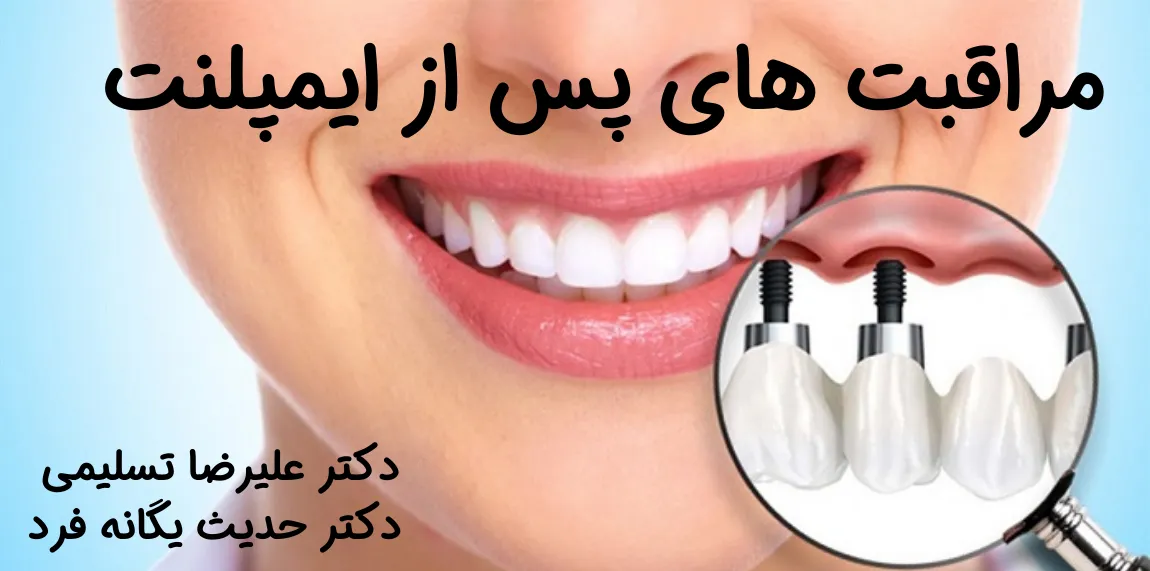
Dental implants are known as a permanent and efficient solution to replace missing teeth, and their success rate under standard conditions is more than 95%. However, like any other surgery, the process of implant implantation can also come with challenges and dental implant complications. Understanding these problems, how to detect them in time and ways to prevent them, is vital for every person who intends to undergo this treatment.
The purpose of this article is to provide a complete and specialized guide on all aspects of risks and complications of dental implants for the dear clients of T Denta.

Classification of dental implant complications: short-term and long-term problems
For a better understanding, possible implant complications can be divided into two general categories based on the time of occurrence:
1. Complications related to surgery and the initial recovery period
These problems usually occur during the operation or immediately after (within a few days to a few weeks) and are often caused by a technical error or the body's reaction.
Complications | Descriptions and Symptoms |
Damage to the jaw nerve (neuralgia) | If the implant is placed too deep in the lower jaw or near the inferior alveolar nerve, it can cause temporary or permanent numbness or tingling (paresthesia) in the lips, gums, or chin. |
Excessive bleeding | In case of lack of strict control, especially in patients who take anticoagulant drugs. |
Initial infection or hematoma | Infection of the surgical site in the early days, which is accompanied by pain, swelling and fever. (It is important to differentiate with natural post-operative inflammation). |
Perforation of the sinus or nasal cavity | In the case of maxillary implants, if there is not enough bone or if the sinus lift technique is not used, the implant may enter the sinus cavity. |
Damage to the teeth Adjacent | Improper placement of the implant and contact with the root of the side tooth. |
2. Long-term side effects and implant failure
This category of dental implant side effects occur after the end of the initial recovery period and loading of the prosthesis (putting the veneer) and are usually considered the main reason for implant failure.
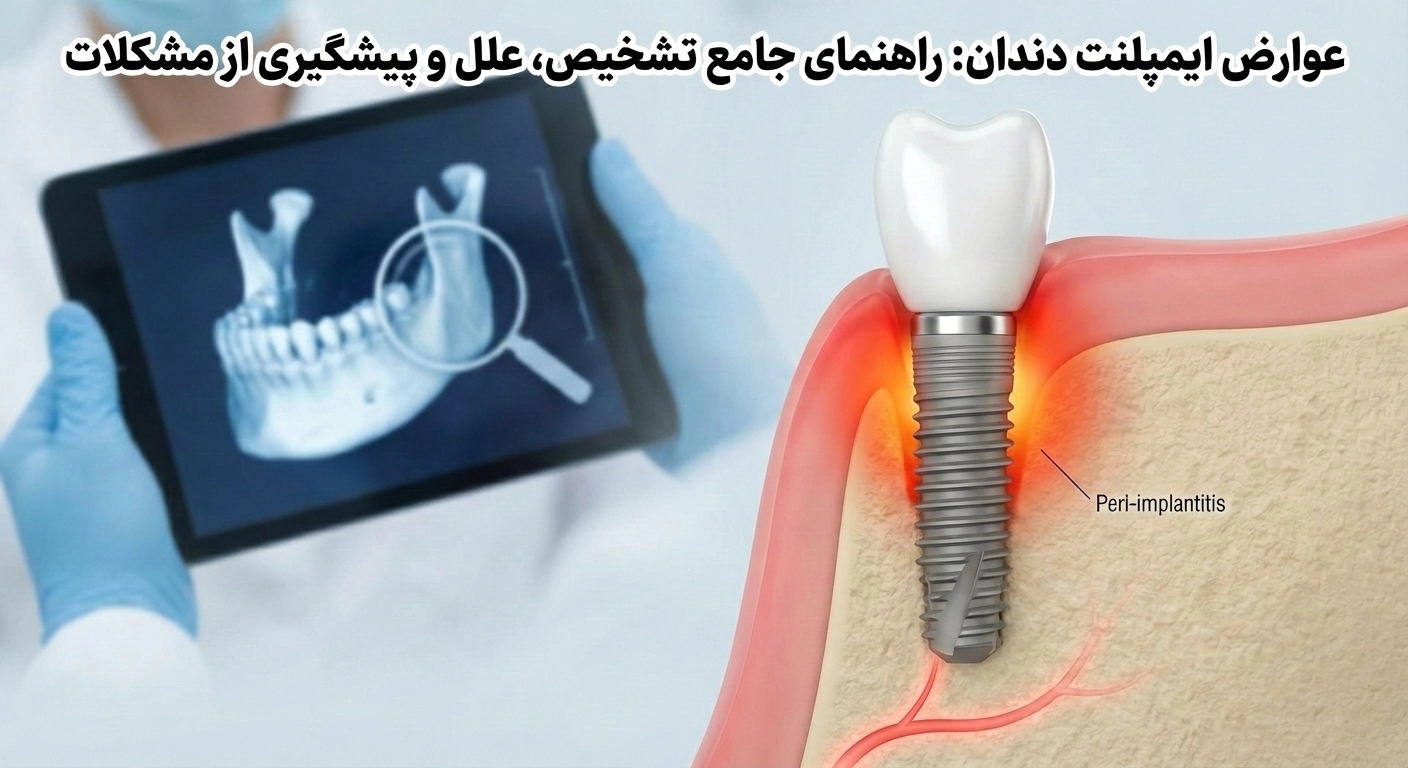
a) Peri-implantitis (Peri-implantitis): The most common cause of failure
Peri-implantitis is a progressive inflammatory and infectious disease that affects the soft and hard tissues (bone) around the implant. This complication is the most dangerous complications of dental implants and is very similar to periodontal (gum) disease.
Symptoms:
- Redness, swelling and bleeding of the gums around the implant (pre-implant mucositis). Radiography).
B) Osseointegration Failure
occurs when bone cells do not properly attach to the titanium surface of the implant. This leads to initial instability and movement of the implant. This condition is often diagnosed in the first months after surgery.
c) Mechanical and prosthetic problems
This category of problems is related to the prosthetic components (screws, abutments and veneers):
- Looseness of the abutment screw or veneer: needs to be tightened again and is one of the common side effects of dental implants
- Breakage of screws or implants: due to excessive forces (such as grinding teeth) or material defects.
- Improper placement and cosmetic problems: leads to lack of harmony with adjacent teeth or difficulty in cleaning.
مهمترین عوامل خطر و دلایل شکست ایمپلنت
دانستن دلایل شکست ایمپلنت به شما کمک میکند تا اقدامات پیشگیرانه را به درستی رعایت کنید. These factors are usually a combination of factors related to the patient, the dentist, and the prosthesis itself:
- Factors related to the patient:
- Smoking: is one of the strongest risk factors that severely reduces blood flow to the gum tissue and bone formation ability.
- Diseases Uncontrolled chronicity: especially uncontrolled diabetes, disrupts the immune system and the wound healing process.
- Poor oral hygiene: is the main factor in the occurrence of peri-implantitis.
- Teeth grinding (bruxism): Applying excessive force to the implant which can lead to mechanical failure or bone loss.
- Factors related to the surgeon and dentist:
- Inappropriate treatment plan: Failure to accurately evaluate the bone and implant site (not using CBCT).
- Inferior implant quality: Use of non-standard brands or parts.
- Poor surgical technique: Overheating of the bone during Drilling, or improper implant placement.
Fill the form below and wait for our consultants to contact you
Warning signs you should take seriously
Early detection of Dental implant complications is the key to successful treatment. See your dentist immediately if you experience any of the following symptoms:
- Chronic and unexplained pain: If the pain persists after the first week or worsens over time.
- Feeling of movement or looseness: Movement of the implant or crown indicates non-union or bone loss.
- Persistent swelling and redness of the gums: A sign of inflammation and possibly Peri-implantitis.
- Gum color change to blue or black.
- Bad taste and odor in the mouth or discharge of pus from around the implant.
Specialized solutions to prevent dental implant complications
By carefully following the prevention steps, you can minimize the chance of experiencing implant complications. However, the most important preventive measure is choosing an experienced specialist and equipped clinic:
Ensuring risk reduction: choosing Dr. Alireza Taslimi at T Denta Clinic
More than 90% of implant success depends on diagnosis, correct treatment plan and precise surgical execution. This is where the importance of going to a specialist becomes apparent.
- Expertise and experience: In T Denta Clinic, implant surgeries are performed by Dr. Alireza Taslimi. Relying on the experience and knowledge of the day in implantology and advanced surgeries, the risks of technical error, wrong choice of implant site and damage to the nerve or sinus are practically zero. Advanced technology: the use of accurate diagnostic tools such as CBCT imaging for three-dimensional bone evaluation, and if needed, the use of a surgical guide (digital implant) guarantees It allows the implant to be placed in the most ideal position with minimal invasion.
- Strict sterile protocols: Infection is one of the complications of dental implants. By following the strictest sterile standards and using high-quality and standard implant brands, T-Denta greatly reduces the risk of primary infection.
Our advice is: there are complications with implants, but you can make your mind at ease about facing them by making a smart choice and send your implant to a specialist and specialized clinic. Submit.
Patient role in prevention
- Control of underlying diseases: Diabetes and other chronic diseases must be fully controlled before and after surgery.
- Quit or reduce smoking: This action increases the chances of implant success dramatically.
- Strictly observe hygiene: Use Special implant toothbrushes, superfloss dental floss, water floss and interdental toothbrushes are essential for accurate cleaning around the implant.
- Regular visits to the dentist: For periodical examinations, pre-implant checkup and specialized scaling at T-Denta.
Although there are complications of dental implants and we have a duty to introduce them to you clearly, the main message of this article is: These complications are not inevitable.
Choosing a clinic and specialist is the most important step in ensuring a successful treatment. By making a conscious choice and referring to a specialized and experienced team, like the team of Dr. Alireza Taslimi at T-Denta Clinic, you take the first and solid step to guarantee success and minimize all possible risks. در واقع، با انتخاب درست، خیال شما از بابت دوری از عوارض ناخواسته راحت خواهد بود و میتوانید با اطمینان از زیبایی و کارایی دندان جدید خود لذت ببرید.
مشاهده در نقشه و مسیریابی کلینیک دندانپزشکی تی دنتا

همین امروز برای مشاوره اقدام کنید
خدمات ویژه کلینیک تی دنتا

بیماری های دهان و دندان
بیماریهای دهان و دندان در تهران: تشخیص و درمان تخصصی برای لبخندی سالم در کلینیک … ادامه مطلب

دندانپزشکی اطفال
دندانپزشکی اطفال در تهران: خلق لبخندی شاد، سالم و روشن برای فرزندان شما در کلینیک … ادامه مطلب

زیبایی ( کامپوزیت- لمینیت- بلیچینگ)
راهنمای جامع و کامل دندانپزشکی زیبایی در تهران: خلق لبخندی رویایی و خیرهکننده در کلینیک … ادامه مطلب

![Teeth bleaching in Pasdaran + [cost 1403] | Tdenta Clinic](/storage/posts/covers/2026/01/05/dedc421573a4d6eee4d5fdb6a20d79514da93de99e0c024547ce73e73cde1e67.webp)