

مراقبت های بعد از کشیدن دندان؛ Complete guide to avoid complications
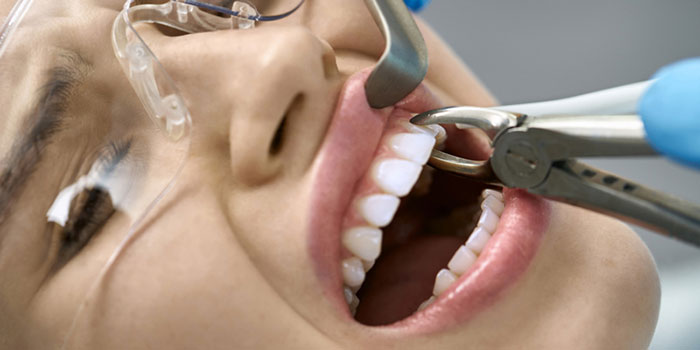
A tooth extraction is one of the most common dental treatments that may be performed for a variety of reasons, such as severe decay, an impacted tooth, or infection. But the point that many patients do not pay attention to is care after tooth extraction. Strictly following the dentist's recommendations after tooth extraction plays a very important role in faster recovery, preventing infection, and reducing pain. In this article, from the dentists of Dr. Farbad Seifi and Dr. Farzaneh Dashkhane, we will comprehensively introduce the necessary care after tooth extraction.
Why is care after tooth extraction important?
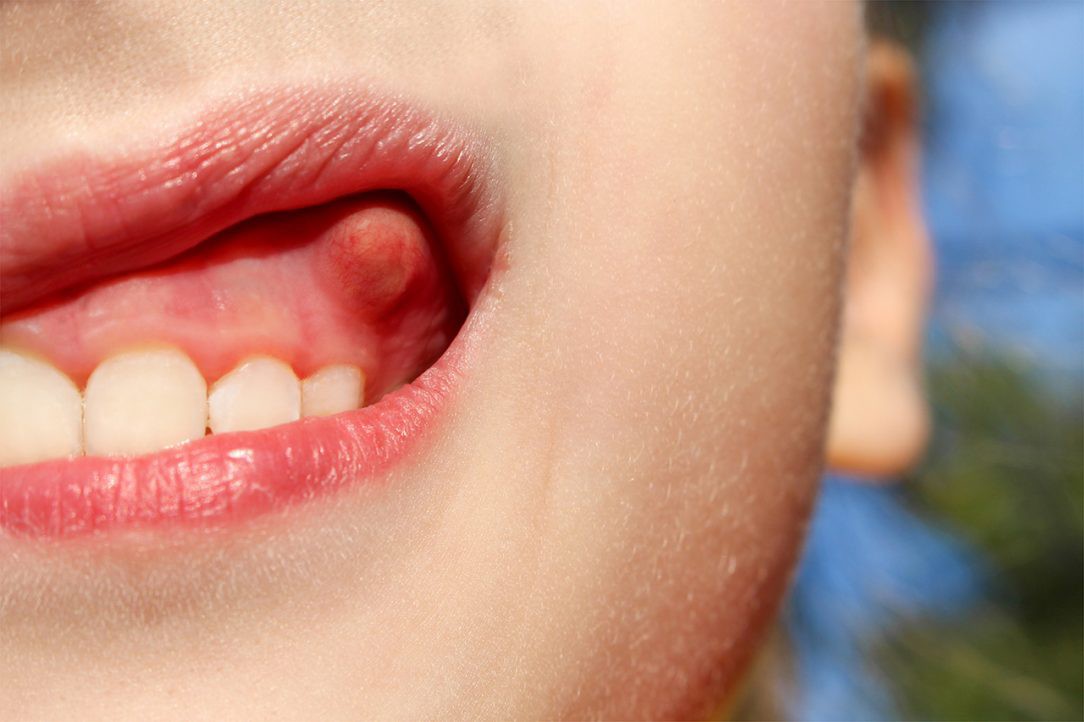
After tooth extraction, a cavity is created in the gum which may be exposed to infection, bleeding or inflammation. If this area is not given enough attention, complications such as infection, dry socket and delayed recovery will occur. The purpose of care after tooth extraction is to help the body to create a proper blood clot in the extracted area, maintain the hygiene of the area and reduce the possibility of future problems.
Immediate care after tooth extraction
1. Keep the sterile gauze for 30 to 45 minutes
Immediately after the tooth extraction, the dentist places a sterile gauze on the area to form a blood clot. Hold the gas with gentle pressure of the jaws and do not change it for 30 or 45 minutes. Avoid sucking, chewing or changing the gas early.
2. Avoid rinsing your mouth for 24 hours
Early mouth washing can remove the blood clot from its place and cause dry tooth cavity. It is better not to do any kind of mouthwash, toothbrush or washing with salt water for 24 hours.
3. Do not use a straw
Using a straw to drink liquids creates suction in the mouth that can dislodge blood clots. This greatly increases the risk of the painful complication of dry cavity.
4. Cold compress to control swelling
For the first 24 hours, use a cold compress on the outside of the cheek to reduce swelling. Place the compress on the face every 15 to 20 minutes for 5 to 10 minutes.

proper diet after tooth extraction
1. Liquids and soft foods only
For the first 24 hours, eat only soft and cold foods: mashed potatoes, lukewarm soup, yogurt, smoothies, puddings and natural juices.
2. No hot foods
Hot foods and drinks can cause the blood vessels at the tooth extraction site to reopen and cause bleeding. Avoid eating hot food until the numbness is gone and for the first 24 hours.
3. Avoid eating hard and grainy foods
Foods such as dry bread, nuts, seeds, chips, or small seeds may enter the tooth cavity and cause infection. It is recommended to avoid eating this type of food for the first few days.
oral hygiene after tooth extraction
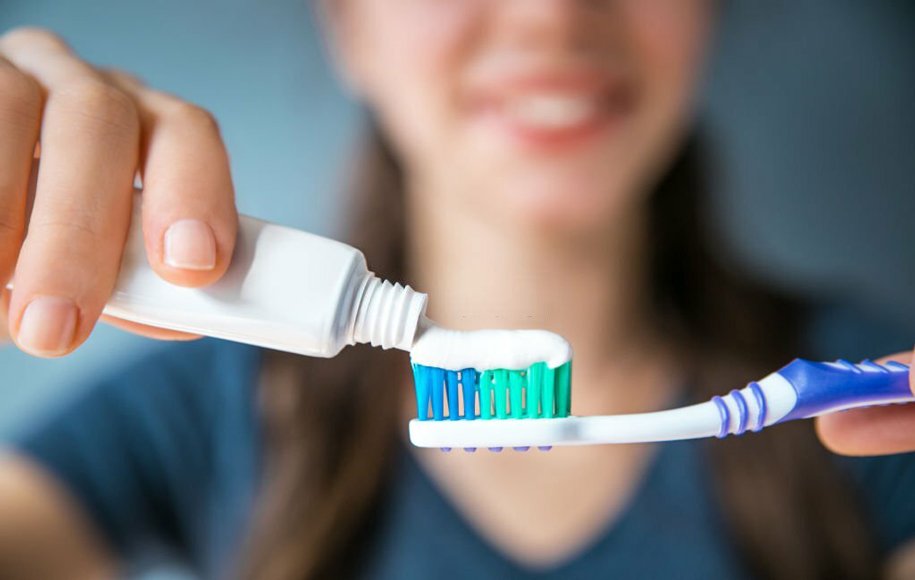
1. Brushing carefully
After 24 hours, you can brush your other teeth, but avoid contact with the surgical area.
2. Rinsing the mouth with salt water
From the second day onward, gently rinse the mouth several times a day with lukewarm salt water (a teaspoon of salt in a glass of lukewarm water). This helps to reduce inflammation and prevent infection.
3. Use of antibacterial mouthwash
In consultation with the dentist, the use of chlorhexidine or other antibacterial mouthwashes may be recommended, especially if the risk of infection is high.
Physical activity after tooth extraction
1. Get enough rest
On the first day after tooth extraction, it is better to rest at home. Intense activities such as sports, long walks or heavy work may increase blood pressure and bleeding.
2. Keep your head up
When sleeping, use an extra pillow to keep your head up. This will help reduce swelling and prevent bleeding.
Medications after tooth extraction
The dentist may prescribe medications to control pain and prevent infection. It is very important to take these medicines according to the doctor's prescription:
-
Pain relievers such as ibuprofen or acetaminophen to reduce pain
-
Antibiotics if there are signs of infection or high risk
-
mouthwashes to reduce oral bacteria

When should you see a dentist?
See a dentist immediately if you notice any of the following symptoms:
-
Heavy and continuous bleeding for more than 4 hours
-
High fever or chills
-
Severe inflation that increases over time
-
bad breath or purulent secretions
-
Severe pain a few days after tooth extraction (symptom of dry cavity)
Prevention of Dry Socket
Dry cavity is one of the most common complications of tooth extraction, which usually occurs between the second and fifth day. In this case, the blood clot is separated and the bone and nerve are exposed to air. For prevention:
-
Avoid smoking and hookah for a week.
-
Do not use a straw under any circumstances.
-
Do not eat hard and fluffy foods.
-
Do not rinse your mouth in the first 24 hours.
Conclusion
care after tooth extraction plays a vital role in rapid recovery, pain reduction and prevention of serious complications. By following simple recommendations such as adequate rest, proper nutrition, not using a straw, and observing oral hygiene, you can go through the recovery period calmly. The dental team of Dr. Farbad Seifi and Dr. Farzane Dashkhane are always ready to provide complete guidance and specialized treatment to our dear patients. In case of any problem or concern, be sure to contact the clinic.
Dr. Farbad Seifi and Dr. Farzaneh Dashkhaneh dental center in Maragheh is one of the most equipped specialized centers for consultation and treatment of gum and dental diseases. You can call 04137223003 for more detailed information and reservation. You can also find other ways to contact us on the Contact Us page. To see the trainings and routines of the office, you can also Dr. Farbod Seifi's Instagram page and Follow the page of Dr. Farzaneh Dashkhane on Instagram.
FAQ
Can you eat after tooth extraction?
Yes, but only soft and cool foods are allowed in the first 24 hours. Avoid eating hard or hot foods.
How many days does it take for a tooth extraction wound to heal?
It usually takes between 7 and 10 days for the initial wound to heal, but in some cases it may take up to several weeks for complete healing.
Can you smoke after tooth extraction?
No. Smoking multifolds the risk of dry mouth and infection. حداقل به مدت ۷۲ ساعت از مصرف سیگار خودداری کنید.