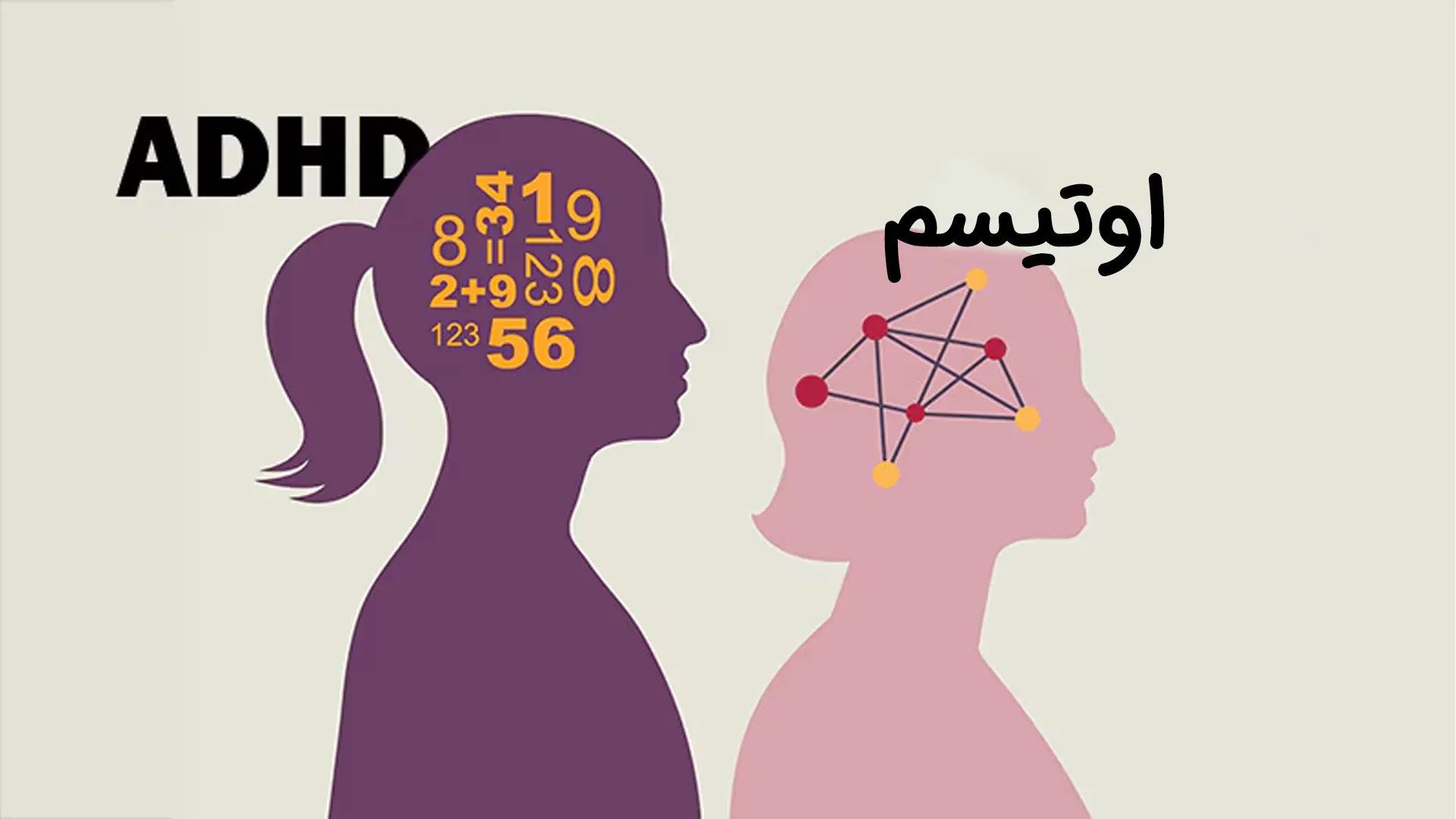


Living with attention deficit hyperactivity disorder (ADHD) can be a daily and draining challenge. Difficulty concentrating, persistent restlessness, impulsivity (sudden and thoughtless behavior), and mood swings are issues that can have a profound effect on academic performance, social relationships, and overall family peace.
Medication and behavioral therapy are common options, but many parents are looking for alternative methods because they are concerned about the side effects of drugs or looking for a more permanent solution.
In recent decades, neurotherapy for hyperactivity has attracted the attention of many professionals and families as an advanced, safe and drug-free approach. Instead of suppressing symptoms, this approach goes directly to the root of the problem in brain patterns. This article comprehensively answers the question of what neurotherapy for hyperactivity is, how it works and what can be expected from its costs and treatment results.
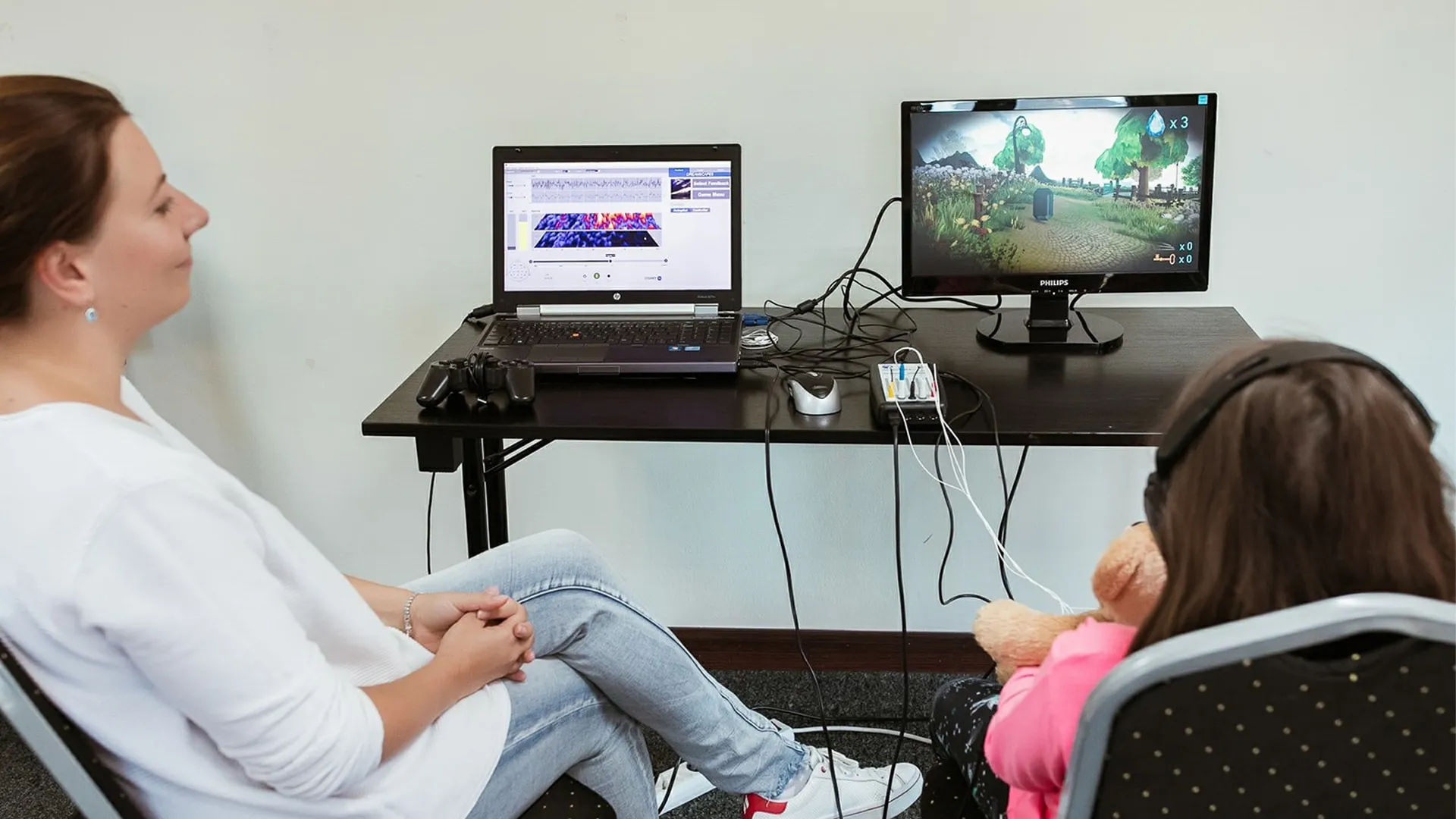
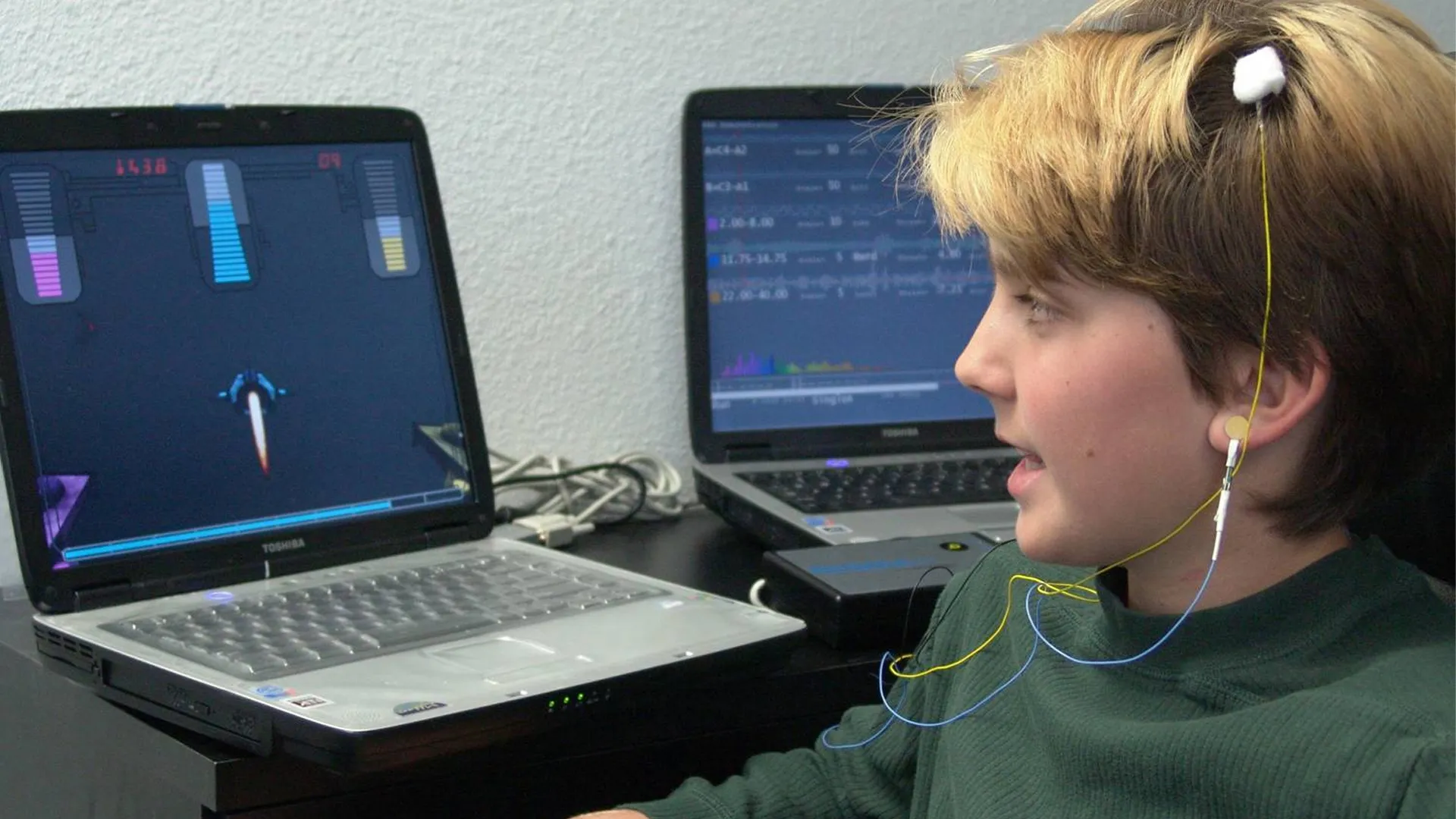
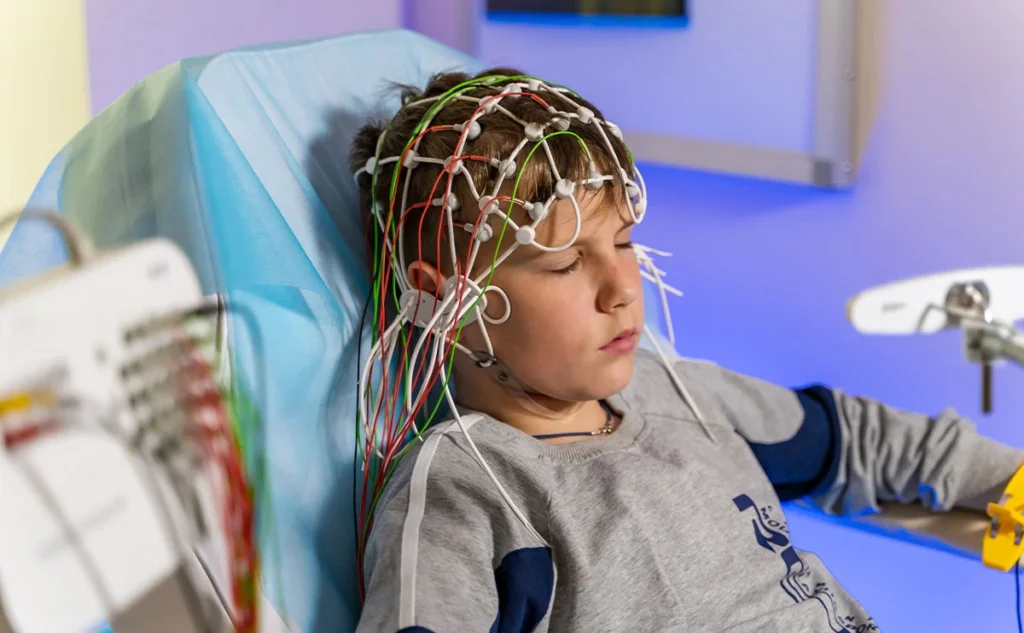
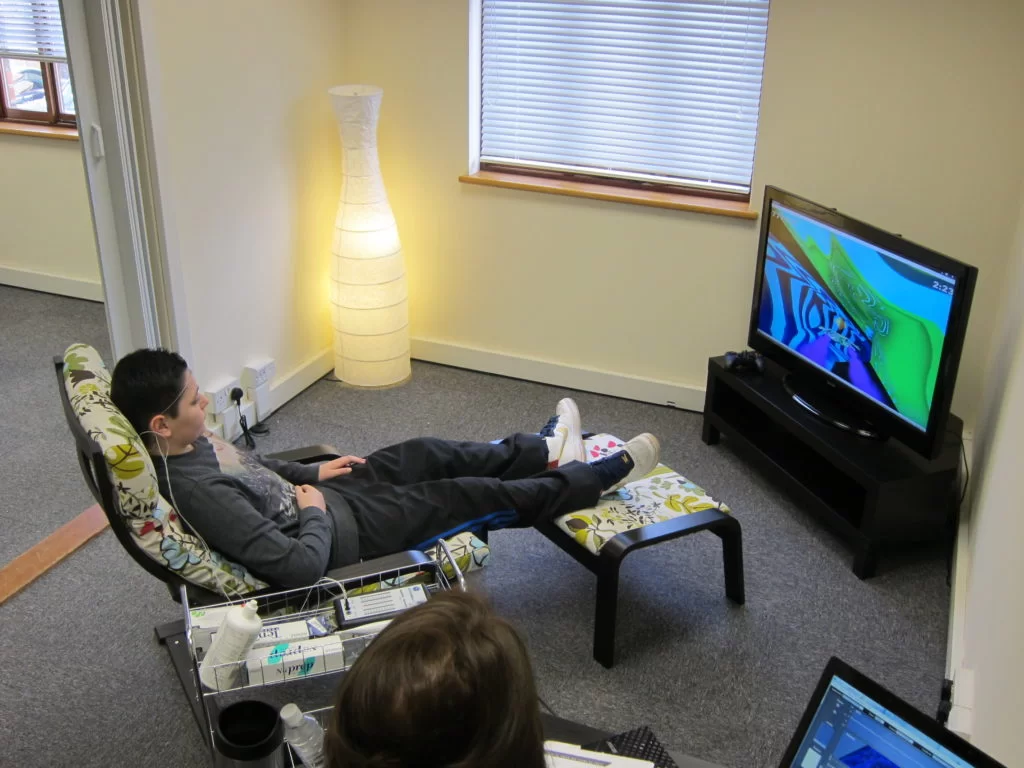
What is neurotherapy for children and how does it help brain development? Extensive neuroscience research has shown that ADHD is not an educational problem or laziness, but a neurobiological difference in brain function. In the brain of these children, a specific pattern of brain waves is often observed: The brain of a child with ADHD is not in a state of readiness for concentration. neurotherapy for hyperactivity is designed precisely to correct and retrain these imbalanced patterns. When we talk about Neurotherapy for Hyperactivity, we mainly mean the use of specialized technique Neurofeedback . Neurofeedback can be considered brain physiotherapy or a targeted exercise program for nerve cells. This process is a non-invasive and learning-based treatment method that has the following steps: This process helps the brain to learn the skill of self-regulation; A skill that is weak in children with ADHD. The effectiveness of neurotherapy for hyperactivity lies in this stable learning.
Why are parents and professionals increasingly looking at Neurotherapy for ADHD as a serious treatment option?
Unlike drugs that temporarily manage symptoms, neurofeedback teaches the brain a new skill. This learning, even after the completion of the treatment period, remains with the person and its results are stable. A child who learns to control his mind and as a result, receives more positive feedback from school and family, will gain more confidence and self-belief. One of the main concerns of parents is transparency about the costs and duration of treatment. These can vary, but understanding the influencing factors will help you: The success of the neurotherapy for hyperactivity process is directly dependent on the expertise and experience of the treatment team. Look for a center that: Finally, remember that neurotherapy for hyperactivity is an investment in your child's most important asset, his brain. This method gives him the gift of self-regulation, concentration, and calmness that will help him not only during his studies, but throughout his adult life. Taking the first step for a professional evaluation can be the beginning of your child's true potential blossoming. This method is completely non-invasive and painless. The sensors only record brain waves (like a stethoscope that only hears the heart) and do not send any signals or currents to the brain. Side effects are very rare and mild (such as temporary fatigue). Because neurotherapy for hyperactivity is based on the brain learning and creating new neural pathways (neuroplasticity), its results are usually stable and long-lasting. It's like learning to ride a bike that the brain doesn't forget. Yes. Neurotherapy for hyperactivity can be done safely alongside drug therapy. In many cases, with the progress of neurotherapy treatment and the improvement of brain function, the dosage of drugs can be gradually reduced or even discontinued under the close supervision of a psychiatrist.What happens in the brain of a child with ADHD?

What exactly is neurotherapy for hyperactivity?
Benefits of neurotherapy for hyperactivity
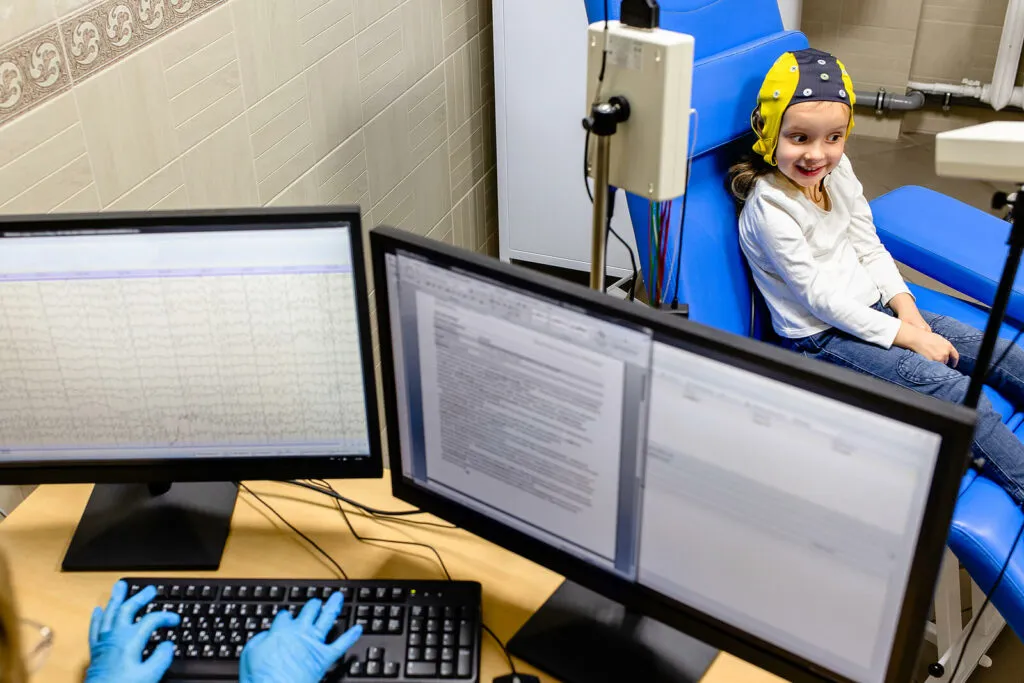
root and permanent treatment
A drug-free and safe approach
This is the biggest benefit of neurotherapy for hyperactivity for many parents. This method does not have systemic side effects caused by drugs (such as anorexia, sleep disorder or mood changes) and is considered a completely safe treatment method.improving cognitive functions
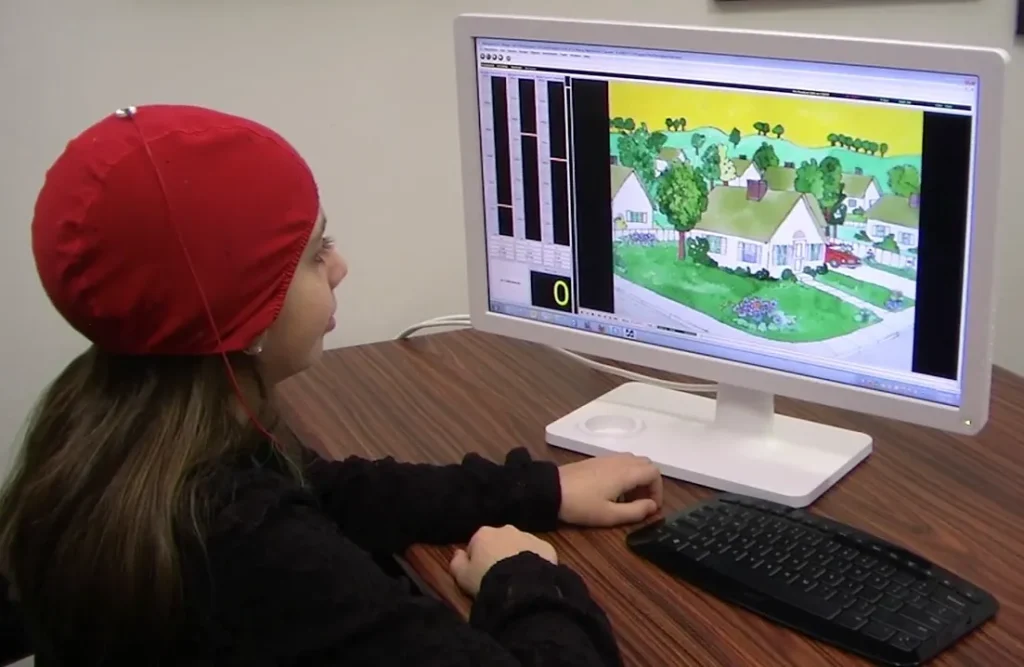
Increasing the child's self-confidence
Costs and outcomes of neurotherapy for pediatric hyperactivity
agent
Expectations
Initial assessment (brain map – QEEG)
The cost of this initial assessment, which is essential for designing the treatment protocol, is usually calculated separately.
The cost of each treatment session
The main fee is calculated based on the number of sessions. This cost depends on the expertise of the center, the type of equipment and the city.
Total number of sessions
This is the most important factor in the final cost. Neurotherapy for ADHD is not a short-term treatment. Usually between 30 and 40 sessions (sometimes more) are needed.
Time to view results
The results will appear gradually. Initial changes (such as improved sleep or relaxation) may be seen after 10-15 sessions, but lasting results in concentration require completing the course.
Choosing the right center: the key to success in treatment
Frequently Asked Questions
1. Is neurotherapy for hyperactivity painful or does it have side effects?
2. Are the results of neurotherapy for hyperactivity permanent?
3. Is it possible to use neurotherapy for hyperactivity at the same time as taking medicine?