وقتی نوجوانی که تابهحال همیشه شاد و پرانرژی بوده، ناگهان ساکت، گوشهگیر یا بیحوصله میشود و میگوید «حالم خوب نیست»، نمیشود و نباید نادیدهاش گرفت! مسائلی مثل فشار همسالان، انتظارات تحصیلی و تغییرات بدن فرازونشیبهای زیادی برای نوجوان بههمراه دارند. این ناخوشاحوالی لزوما از علائم بلوغ و گذرا نیست، گاه مدتها ادامه مییابد و آینده تحصیلی، روابط اجتماعی و حتی سلامت روانی فرد را تهدید میکند. مهمتر آنکه اگر ریشههای آن عمیق باشد، نمیتوان فقط با «اراده» بر آن غلبه کرد و نیازمند حمایت و درمان طولانیمدت است. In this comprehensive guide of DoctorDoctor health magazine, you will get to know the symptoms of depression in teenagers and effective ways to overcome it. class="lwptoc_itemWrap">

مقاله تخصصی
Adolescent depression (girls and boys): severe symptoms, treatment
3 weeks ago
619 بازدید

Dr. Reza Bahadur
MashhadOrthopedic specialist
What is depression in teenagers?
Teen depression feelings of sadness, anger and emptiness And it is constant disappointment that takes away the power of normal daily activities from the teenager, disrupts his concentration, depletes his motivation and energy and alienates him from the "joy" of life. The first symptoms of depression appear in teenagers between the ages of 13 and 17. These symptoms are not inherently threatening, but the persistence of depression in boys and girls increases the possibility of a drop in academic performance, social relationships and self-esteem, and even suicidal thoughts.
Contrary to popular belief, depression in boys and girls is not always associated with sadness and sometimes manifests in the form of irritability, aggression, excessive fatigue or physical pain.

What is the cause of depression in teenagers?
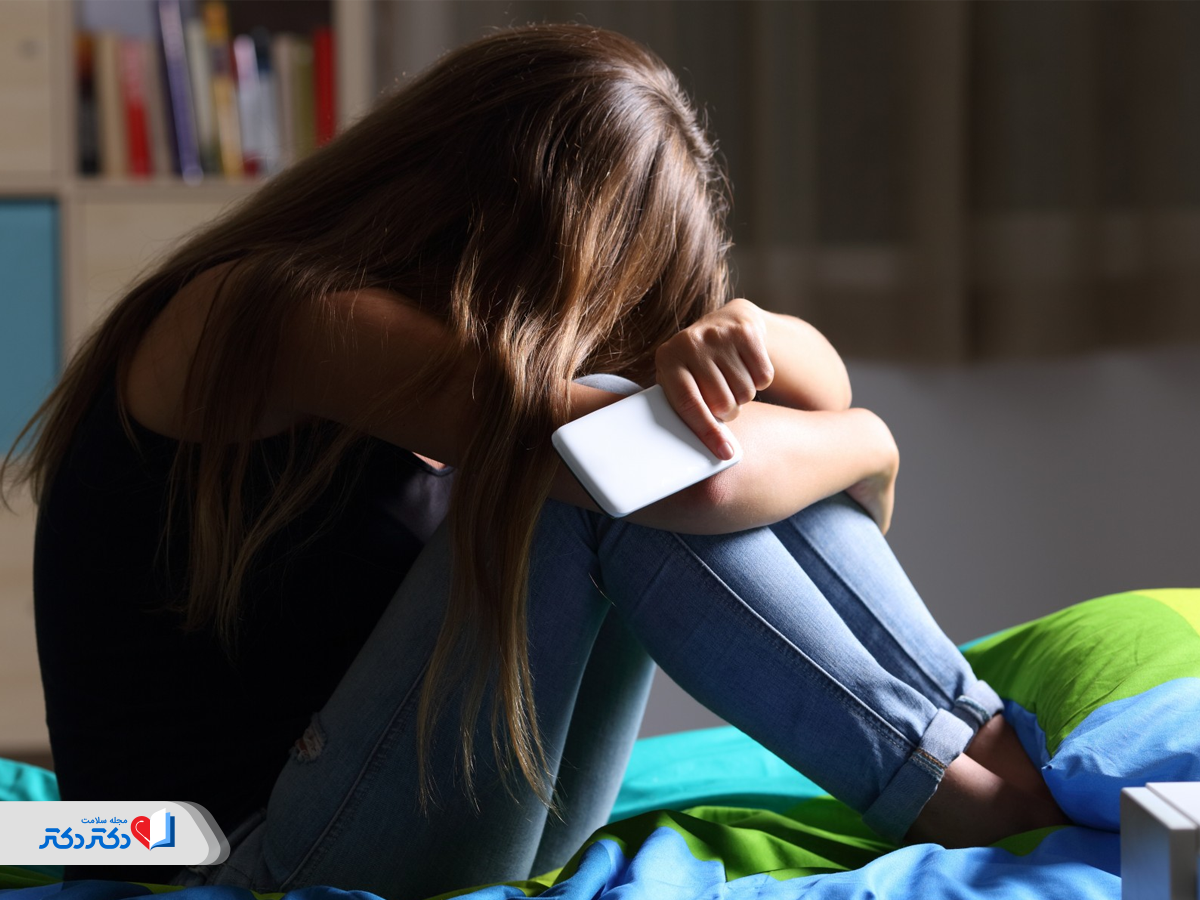
Depression in teenagers does not have a direct cause and is usually a combination of biological, psychological and social factors. Just like the cause of pregnancy depression, severe hormonal and chemical changes in the brain during puberty disrupt the balance of mood and make a person prone to sadness. On the other hand, academic pressures, social comparisons, family problems and experiences such as rejection or emotional failure play an important role in the formation or exacerbation of depression. The presence of these factors together and for a long time affects the mental health of the teenager.
Read more in the table below what is the cause of depression in teenagers.
| Chemistry Brain | Neurotransmitters are responsible for transmitting signals to other parts of the brain and body. The deficiency of these chemicals disrupts the function of nerve receptors and leads to depression. Creating or stimulating depression plays a prominent role. |
| Hereditary features | Depression in people who have blood relatives (parents or grandparents) It is more common. |
| Childhood trauma | Traumatic childhood events such as physical or emotional abuse, parental separation, bereavement, school problems, etc. Risk of depression |
| Learned patterns of negative thinking | These patterns are usually due to repeated experiences of failure, blame, rejection or presence in family and educational environments. They form strictly and play an important role in the formation and persistence of depression in teenagers. |
Some teenagers are more at risk of depression for the following reasons:
- suffering from other mental illnesses such as anxiety or eating disorders are;
- use drugs;
- have underlying diseases such as diabetes, cancer and heart disease;
- live in a tense family environment;
- have problems with their classmates;
- are subject to bullying, physical, emotional or sexual abuse;
- have learning disabilities or attention deficit hyperactivity disorder (ADHD);
- have low self-esteem, a pessimistic outlook or poor coping skills.

Symptoms of depression in boys and girls
Adolescent depression is associated with emotional and behavioral changes. In the table below, we have mentioned more than 25 symptoms of depression.
| Emotional symptoms | Behavioral symptoms |
| Feeling sad, (along with crying for no reason) Feeling frustrated or feeling Anger (even in minor matters) Feelings of hopelessness and emptiness Irritable and annoyed mood Disinterest in daily activities Conflict with family and Friends Low self-esteem Feelings of worthlessness and guilt Focusing on past failures Excessive blaming and criticism of Self extreme sensitivity and need for excessive reassurance difficulties thinking, concentrating, making decisions, and maintaining frequent thoughts of death and suicide | fatigue and lack of energy insomnia or excessive sleep changes in appetite and weight loss or gain alcohol and drug use feeling confused and Restlessness Visible slowness in speech or body movements Frequent complaints of body aches and headaches for no reason Social isolation Poor performance in School and frequent absences less attention to personal hygiene and appearance extreme anger, aggressive, destructive and risky behaviors self-harm Attempt to commit suicide |
Symptoms of severe depression in male adolescents and the risk of isolation
Depressive symptoms in male adolescents often revolve around behavioral and emotional changes. Hereditary and non-hereditary depression in boys occurs mostly in the form of anger, aggression, withdrawal and risky behaviors and leads them to isolation and disconnection from family and friends. The most common symptoms of severe depression in male teenagers are:
- withdrawing and less communication with friends;
- continuous anger and extreme irritability;
- sudden drop in grades and lack of interest in studying;
- insomnia or oversleeping;
- lack of energy and fatigue Constant;
- Anorexia or anorexia;
- Feeling of numbness, emptiness or hopelessness;
- risky behaviors (fighting, drug use, risky driving, etc.);
- Talking about the worthlessness or futility of life.

What are the symptoms of depression in teenage girls?
Symptoms of depression in teenage girls aged 13 and older are usually a combination of emotional, behavioral and physical symptoms. The gradual appearance of these symptoms affects the daily life, relationships and academic performance of the adolescent and causes depression during periods and other periods of life. The most common symptoms of depression in teenage girls are:
- feeling sad and frequent crying;
- feeling of hopelessness and emptiness;
- Excessive sensitivity to criticism;
- Feelings of guilt and worthlessness;
- Reduced self-confidence;
- Being withdrawn and away from friends and family;
- Disinterest in activities that used to be enjoyable;
- Academic failure or lack of motivation to school;
- decreased concentration and forgetfulness;
- restlessness;
- change in Appetite and weight;
- Continuous fatigue and loss of energy;
- Frequent headache or heartache without a specific physical cause;
- emphasis on the worthlessness and meaninglessness of life;
- strong desire for isolation;
- suicidal thoughts.
Diagnosis of depression: introducing the best depression tests for boys and girls
Depression in teenagers cannot be diagnosed in the laboratory; Mental health specialists reach a definitive diagnosis after interviewing and questioning, evaluating the depression test of boys and girls, as well as examining the impact of depression on the face and daily behavior of the teenager. The diagnosis procedure is as follows:
- Physical examination. During this examination session, physical pains are detected and the doctor asks deep and meaningful questions to the teenager to diagnose depression and its root.
- Laboratory test. The doctor checks whether the symptoms of depression are caused by the disease by checking the results of the complete blood count (CBC) test or the thyroid function of the teenager.
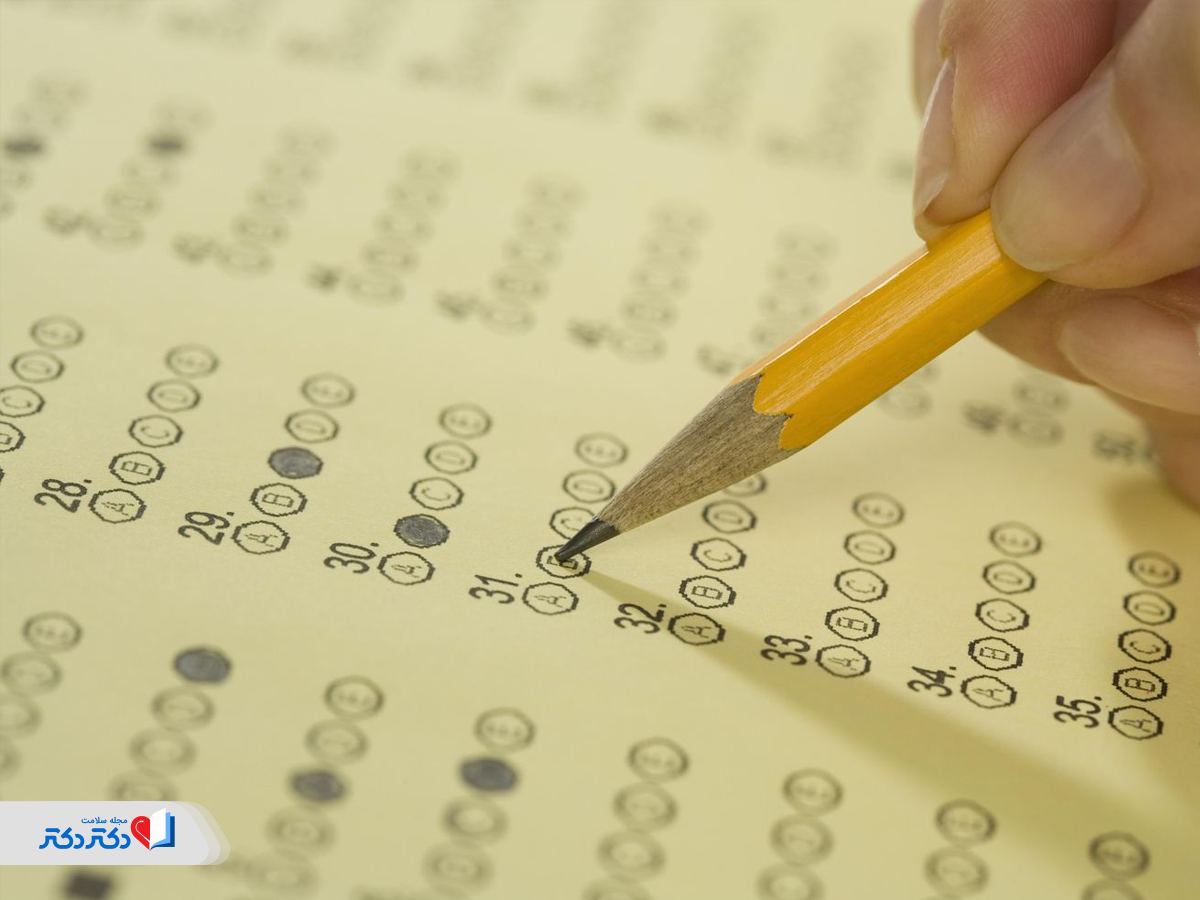
- Psychological evaluations and tests. Finally, by listening to the adolescent's thoughts, feelings and behavior and reading the results of the depression test for teenage girls and the depression test for teenage boys, he confirms or rejects the existence of depression.
Beck Depression Questionnaire (BDI), Hamilton Depression Scale (HDRS), PHQ-9 Depression Scale, Zong Depression Scale (SDS) and Mariaquas Depression Test for Children and Adolescents (CDI) are considered standard and valid tests for diagnosing depression in adolescents.
Treatment of adolescent depression
Depression in adolescents is not an incurable disease, it can be treated with adequate support and many adolescents successfully overcome it. However, the treatment process is gradual and the length of the treatment period varies from a few weeks to a few months depending on the severity of the symptoms experienced by the teenager, his family conditions and the extent of his cooperation with the treatment process. Stable emotional support, the active presence of the family and the constant communication of the teenager with a specialist doctor increase the hope of treatment. Usually, the combination of conversation (psychotherapy) and the use of antidepressants (pharmacotherapy) are the best ways to treat depression in boys and girls. Some sources also suggest herbal treatment for depression.
The role of psychotherapy (CBT) and medication in the treatment of adolescent depression
1. Medicines for the treatment of depression in boys and girls
If the symptoms of depression progress so much that a person is left out of daily life activities, it is impossible to tolerate depression without another medicine, and the doctor prescribes the use of antidepressants. For a teenager who has progressed to this stage of depression, the benefits of antidepressants outweigh the side effects of these drugs, and their use is less dangerous than possible side effects. Some of these drugs even improve mood and reduce the risk of suicide in the long term.
The US Food and Drug Administration approves two drugs for adolescent depression: fluoxetine (Prozac) and escitalopram (Lexapro). Talk to your doctor about medication options and possible side effects and weigh the benefits and risks of different medications.
2. Treatment of depression in boys and girls with psychotherapy
Psychotherapy is a general term for the treatment of depression through a conversation with a mental health specialist. This specialist makes it easy for depressed teenagers to understand and manage emotions in psychotherapy or speech therapy sessions. Also, the teenager learns how to stop negative thoughts and look at the positive aspects of life. In this way, the roots of the adolescent's self-confidence are strengthened and he feels better about himself.
Types of speech therapy for depression include cognitive behavioral therapy and interpersonal therapy:
- Cognitive Behavioral Therapy (CBT) to the individual It helps those suffering from depression to recognize and change negative and useless thoughts. It also teaches him coping skills and changing his behavior pattern.
- Interpersonal therapy (IPT) focuses on improving relationships and helps the depressed person to identify his communication problems in a group environment and through the lens of these problems, reduce the severity of depression symptoms.

Doctor's last word
Depression in teenagers is not so insignificant that it can be ignored, it is not a sign of weakness and an unsolvable problem, it is a message that should be heard and taken seriously. The greater the awareness of teenage parents in this field and the sooner the action is taken, the shorter and more effective the treatment path will be. If you see these signs in your teenager or those around you, don't keep silent and don't ignore the teenager's boredom and lack of motivation; A simple conversation can be the starting point of saving a future.
As soon as you see the first signs of depression, don't hesitate and take a firm step to restore and maintain his mental health by booking an online counseling session at Dr.Doc. In this medical system, hundreds of expert counselors and psychiatrists are ready to help your teenager successfully get out of the destructive trap of depression. class="fi-accordion-icon icon-closed" style="display:none"> Is the online teen depression test valid?
Yes. Online tests show early signs of depression well, but they are not a substitute for professional diagnosis. These tests are useful for initial awareness, but definitive diagnosis and treatment should be done by a psychologist or psychiatrist. What symptoms show that a teenager is really depressed?
How is adolescent depression different from the mood swings of puberty?
resources
Tags:
The content of this article is for your general information only and does not constitute medical prescription.