
ابدومینوپلاستی نام دیگر جراحی زیبایی شکم است که با نام تامی تاک نیز شناخته می شود، نوعی عمل جراحی زیبایی است که برای برای بهبود شکل و ظاهر شکم به کار می رود. در طی انجام عمل شکم، پوست و چربی اضافی شکم برداشته می شود. بافت همبند در شکم (فاسیا) معمولاً با بخیه نیز سفت می شود. سپس پوست باقیمانده برای ایجاد ظاهری لطیف تر تغییر مکان می دهد. If you have excess fat or skin in your abdominal area, or if your lower abdominal wall is weak, you can be a good candidate for this surgery.
What is abdominoplasty?
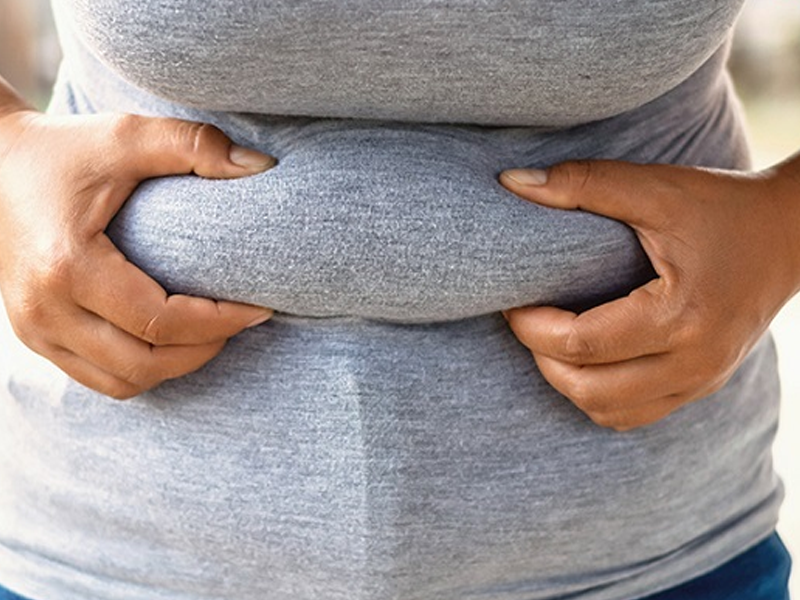
One of the most common reasons for referral in the field of cosmetic surgery is abdominal deformity and ugliness. One of the biggest problems of people is excessive belly bulge, looseness and sagging of the abdominal skin, and many wrinkles and cracks in the abdominal skin. These problems cause harassment when sitting or wearing many clothes, and reduce a person's self-confidence and force him to perform abdominal cosmetic surgery.
Abdominoplasty is a method of smoothing and tightening the abdominal muscles and skin, which is achieved by removing excess skin and fat, and is considered a major surgery. So our suggestion is that you definitely research this practice and don't make a hasty decision.
A criterion for patient selection for abdominoplasty is body mass index.
body mass index is actually the product of the patient's weight divided by the power of two height. The number that is obtained is normal weight up to 24, and the higher it is than 24, the more overweight the patient is, and if this number is higher than 35, the patient is morbidly obese. Patients who have a BMI above 35, i.e. morbidly obese, are not good candidates for abdominoplasty, and the risk of complications is higher for them. It is recommended for these patients to first perform slimming surgery such as gastric sleeve, gastric banding, and after their weight has decreased, then perform abdominoplasty and skin tightening.
Abdominoplasty is not a slimming procedure and a person should not think that he will lose weight with this procedure and only corrects localized fat and sagging abdominal skin, and after the operation, the patient does not lose significant weight, but the appearance of his abdomen becomes a little smoother and looks beautiful with or without clothes. Most patients expect to lose 7 to 10 kg of weight after the operation, and this usually does not happen for abdominoplasty surgery, and if the patient is looking for weight loss, Mr. Babaei recommends that instead of this procedure, they go for slimming procedures such as gastric banding and gastric sleeve, which are performed by laparoscopic and slimming surgeons.
What is the purpose of abdominoplasty?
There are various reasons that may be excess fat, poor elasticity of the skin or weakening of the connective tissue in the abdomen, which is caused by the following:
- Pregnancy
- Increasing age
- Your natural body type
- Significant changes in weight
- Abdominal surgery, such as cesarean
Abdominoplasty can remove excess and loose skin and fat and tighten weak fascia. A tummy tuck may also remove stretch marks and excess skin in the lower abdomen below the belly button. However, a tummy tuck does not correct stretch marks outside of this area.
If you have already had a C-section, the plastic surgeon may be able to incorporate the existing C-section scar into your abdominal scar.
Tommy tuck can be combined with other body contouring beauty methods such as Breast surgery Done. If you've had your belly fat removed (liposuction), you may decide to have a tummy tuck because liposuction removes subcutaneous tissue and fat, but not excess skin.
This surgery is not suitable for everyone, the doctor may warn about abdominal surgery if:
- Plan for significant weight loss
- You may think about pregnancy in the future
- You have a severe chronic disease such as heart disease or diabetes
- Have a body mass index greater than 30
- Smoke
- You have previously had abdominal surgery that has caused significant scar tissue
Measures before abdominoplasty
Before abdominoplasty, the patient's blood coagulation status and hemoglobin are determined through a CBC test. Patients with heart diseases should be given the necessary advice by a cardiologist, and blood sugar levels should be checked and controlled in patients with diabetes. Also, the patient is asked to take certain medications or to change the way of taking his current medications. For example, people who take iron tablets or vitamin E should definitely inform Dr. Babaei or avoid taking aspirin tablets because of the coagulation disorders it can cause.
Red fruits also increase the possibility of coagulation and bleeding disorders and should be avoided before surgery.
The patient should be fasting on the day of the surgery and should not eat anything for about 8 hours before the abdominoplasty. Smoking patients should quit smoking some time before the surgery.
Abdominoplasty candidate
This operation is suitable for a person who has a big and fat belly whose skin hangs and who has tried all the diet methods and regular exercise program and has not achieved results and is not gaining weight. This operation is performed for a person whose other parts of the body are in proportion and only faces an imbalance in the abdomen, for example, for women who have repeatedly experienced pregnancy and childbirth, and their abdominal skin is stretched and their abdominal muscles are out of their normal state.
It is also suitable for old people whose skin has lost its elasticity or people who have experienced obesity and many thinness.
Contraindications for abdominoplasty operation
People who have severe weight loss in their plan or women who decide to get pregnant should not do this procedure because during abdominal surgery, the right abdominal muscles are fixed next to each other.
Dangers of abdominoplasty surgery
Abdominoplasty operation carries various risks, including:
accumulation of fluid under the skin
Drainage tubes left in place after surgery can help reduce the risk of excess fluid. Also, the doctor may remove the fluid after surgery using a needle and syringe.
late to heal the wound
Sometimes areas along the incision line do not heal well or begin to separate. You may be given antibiotics during and after the operation to prevent infection.
tissue damage
During abdominal surgery, the fat tissue deep in the skin in the abdomen may be damaged or die. Smoking increases the risk of tissue damage. Depending on the size of the area, the tissue may heal on its own or require surgery.
Changes in skin
During abdominal surgery, changing the position of abdominal tissues can affect the nerves in the abdomen and rarely in the upper thighs. You may feel sluggish or numb. This usually subsides in the months after surgery. As with any major surgery, a tummy tuck carries the risk of bleeding, infection, and an adverse reaction to anesthesia.
Conclusion
In general, abdominal cosmetic surgery or abdominoplasty restores a person's lost self-confidence and makes him feel satisfied with his appearance, but it is also very important that before the operation, you must consult with the relevant surgeon about your expectations of the result of the surgery and the reasons for your concern, and if you reach an agreement on all issues, perform the operation.