

9 علامت مهم سرطان رحم
سرطان رحم شایعترین سرطان اندامهای تولید مثل زنان است. This disease is the fourth most common cancer among women and after breast, lung and colon cancer it is known as the most common disease among women.
Fortunately, this disease is one of the curable cancers. Every year, about 3900 Canadian women are diagnosed with this disease, and their survival rate is more than 80%, and the earlier uterine cancer symptoms and the presence of this cancer are detected, this number can be even higher.
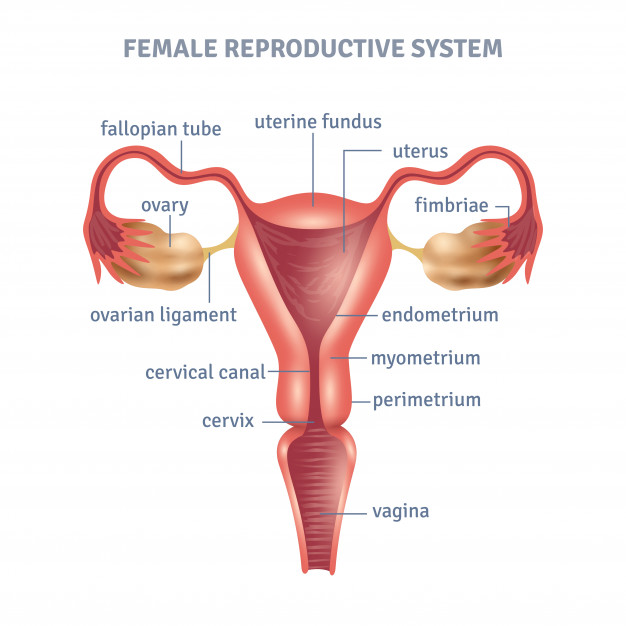
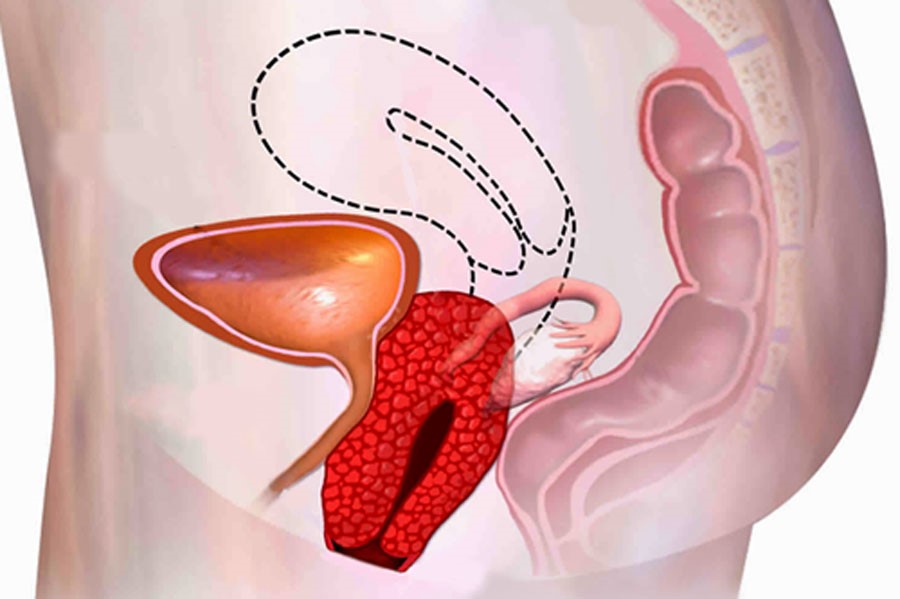
80% of uterine cancers are endometrioid cancer, which is similar to the normal glands of the inner layer of the uterus (endometrium), and the rest of the tumors are mucinous, serous, and clear cell carcinoma. A rare type of uterine cancer are uterine sarcomas that originate from the muscular layer of the uterus, which are more aggressive and spread faster.
Some women with this disease do not notice any symptoms until the disease spreads to other organs, but uterine cancer is diagnosed with the appearance of symptoms such as vaginal bleeding. In this article, 9 important symptoms of uterine cancer will be explained so that you can get to know these symptoms as much as possible.

What is the cause of uterine cancer?
Before addressing the 9 important signs of uterine cancer, it is better to get familiar with the causes of this disease. The most important risk factor is contact with undisputed endogenous estrogen hormone or use of estrogen without progesterone.
Estrogen stimulates the lining of the uterus to grow. Women who have a high level of estrogen in their body are more at risk of developing the disease. Most uterine cancers appear after menopause, the average age is about 60 years old, and about 75% of these cancers occur in women over 50 years old.
Obesity is an aggravating factor
Obesity is a serious risk factor for uterine cancer, because adipose tissue in women produces large amounts of estrogen and does so continuously.
Women who are overweight 3 to 10 times more than the average, will get this disease, and it depends on the amount of overweight and the duration of obesity. A high-fat diet can also be considered a risk factor in itself, and low physical activity and sudden weight gain can also be one of the causes of this disease.

Estrogen is produced in every menstrual cycle, and women who have had more periods are at greater risk. This means that a 40-year-old woman who had her first period at the age of 11 is more likely to get endometrial tumor than a 40-year-old woman who started menstruating at the age of 14, and the more pregnancies a woman has, the more she will be safe from this disease.
Estrogen supplements used to relieve menopausal symptoms may slightly increase the risk of uterine cancer; However, estrogen is usually prescribed along with another type of hormone called progesterone, which neutralizes the effects of estrogen on the endometrium and negates the risk of infection. It seems that the use of oral contraceptive pills, in which the effect of progesterone is more than the amount of estrogen, can protect a person against this complication. Progesterone is the dominant hormone in a normal menstrual cycle, so young women who do not have normal periods are more at risk of uterine cancer.

risk factors for uterine cancer
1-Estrogen treatment without progesterone
2_ Obesity
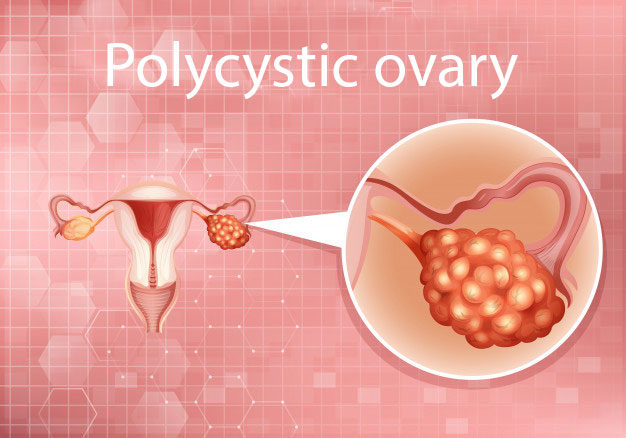
3_ Irregular periods and no ovulation (PCO)
5_ late puberty (after age 52)
6_ diabetes disease
7_ Taking tamoxifen to control breast cancer
8_ Lynch syndrome
9_ Increasing the thickness of the endometrial layer (endometrial hyperplasia)
10_ Insulin resistance and metabolic syndrome
11_ high blood pressure and possibly hypothyroidism
What are the warning signs of this disease?
Warning symptoms of women's cancers can be vague or similar to other cases. If you are relatively young and healthy, the probability of getting infected is low;
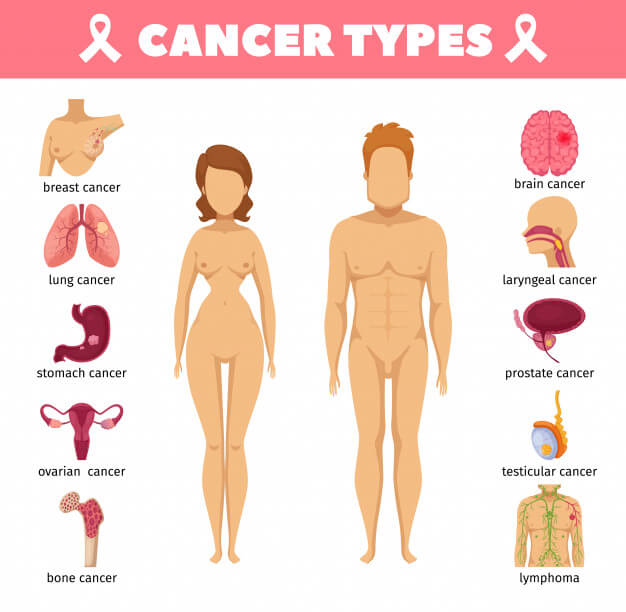
But if you consider family history and old age, there is a possibility of this happening. Every year, nearly 90,000 women in the United States are diagnosed with gynecological cancer, such as uterine, ovarian, or cervical cancer, and more than 242,000 women are diagnosed with breast cancer.

uterine cancer and menopause
Most of these cancers occur in women after menopause, but it can also occur before menopause. 5% of uterine cancers are seen before the age of 40. As mentioned, the symptoms of cancer, especially women's cancers, can be vague or similar to other cases.
And breast and cervical cancers can only be diagnosed through screening; Unlike breast cancer which is screened with mammography and cervical cancer which are screened with a pap smear test, cervical cancer does not have a screening method and you only need to be familiar with the symptoms and see a doctor quickly Do it. Therefore, knowing these symptoms and talking about them with a good gynecologist can detect cancer early and treat it faster.
9 important signs of uterine cancer that every woman should watch out for
1 – Abnormal vaginal bleeding:
More than 90% of women with uterine cancer experience irregular bleeding. If you experience it before menopause, any bleeding, including spotting, should also be evaluated. If you haven't gone through menopause yet and you bleed during sex, you should see a doctor; Because this can be a sign of uterine cancer or cervical or vaginal cancer.
You should know that at the age of over 40 years (in some cases over 35 years old), in case of irregular menstrual bleeding, to rule out this disease, uterine sampling should be done on an outpatient basis in the office or in the operating room by hysteroscopy or diagnostic curettage.
2 – Weight loss without reason:
If you are overweight or obese, losing weight with exercise and healthy food choices can reduce your risk of cancer; But if you suddenly lose more than 4 kg without changing your diet or exercise habits, you should consult your doctor.
3 – Vaginal discharge colored with blood:
Bloody, dark or foul-smelling discharge is usually a sign of infection; But sometimes discharge is a warning sign of uterine cancer, cervical or vaginal cancer.4 – constant fatigue:
A busy week can make everyone tired, but in most cases, a little rest can cure your fatigue, but if this fatigue interferes with your work or leisure activities, you should see a doctor.

5- Losing appetite or feeling full all the time:
If you don't get hungry and feel full all the time, this change in appetite may be a symptom of uterine, ovarian, or other cancers that are not related to the reproductive system. Therefore, the best way is to consult a good doctor.
6- Pain in the pelvis or abdominal area:
Persistent abdominal pain or discomfort including gas, indigestion, pressure, bloating and muscle cramps can be a sign of ovarian or uterine cancer.
7 – change in toilet time:
If you suddenly have a constant need to urinate or feel constant pressure on your bladder, except when you drink more fluids or you are pregnant, this may be a sign of uterine cancer.
8 – Indigestion or persistent nausea:
Sometimes persistent indigestion or nausea can indicate female cancers. Check the cause with peace of mind and see a doctor if you feel more uncomfortable than usual.
9 – Change in bowel habits:
This may be a sign of external pressure on the colon, which can indicate an advanced stage of gynecological or other cancers
According to the 9 important symptoms of uterine cancer mentioned in this section, having one or more of these symptoms does not mean having cancer. But if these symptoms last for two weeks or more, you should go to the doctor and have tests
One of the best obstetrics and gynecology specialists in Karaj who can guide you in the mentioned cases and prescribe the necessary tests for you is Dr. Maryam Gholampour, who you can contact for additional information and questions and receive all the necessary guidance from her.