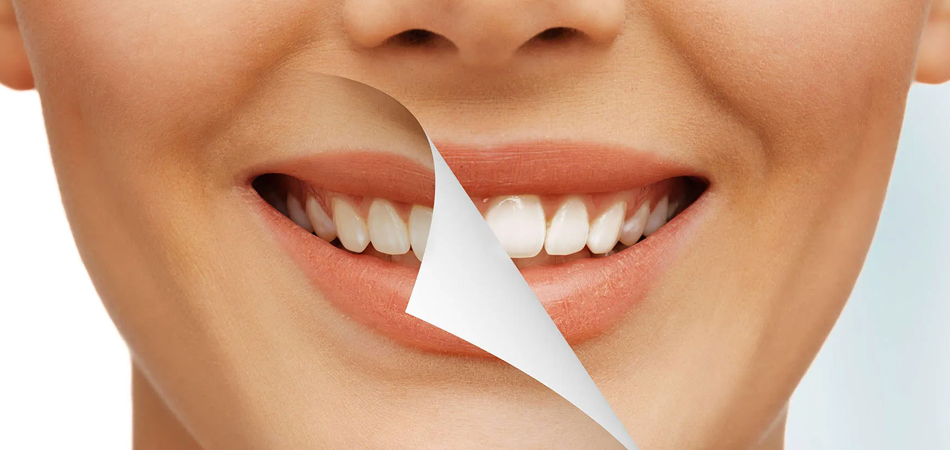

لبخند زیبا برای بسیاری از افراد یکی از اصلیترین معیارهای اعتمادبهنفس است و کامپوزیت دندان بهعنوان یکی از پرطرفدارترین روشهای اصلاح طرح لبخند، توجه زیادی را به خود جلب کرده است. But just as any treatment can have consequences along with benefits, it is very important to know the complications of dental composite. Knowing these complications not only helps people to make a more informed decision to undergo treatment, but also makes them get a more lasting and healthy result if they choose this method with proper care.
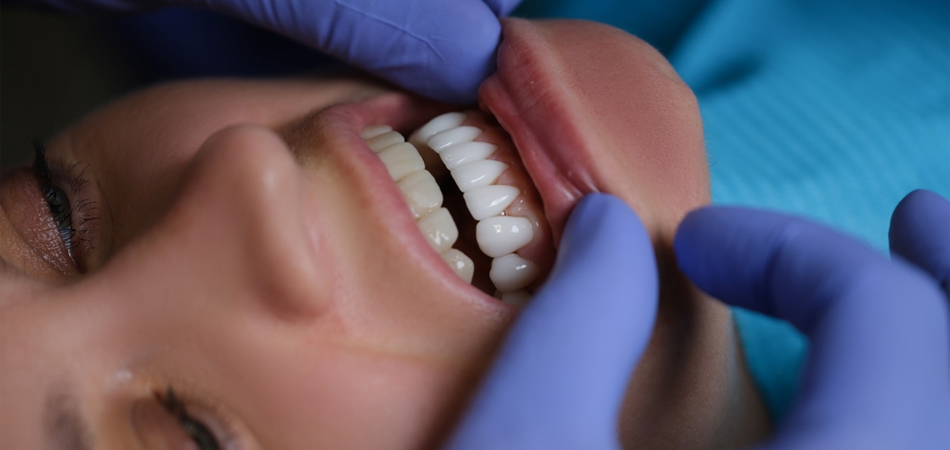
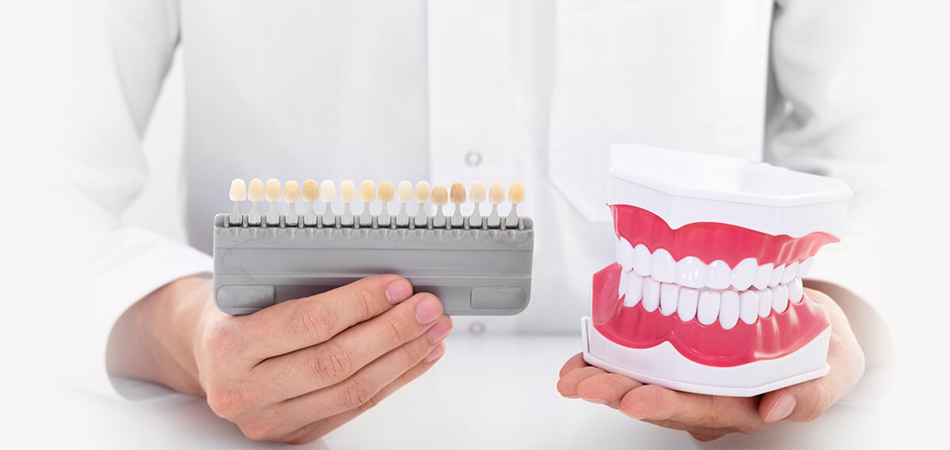
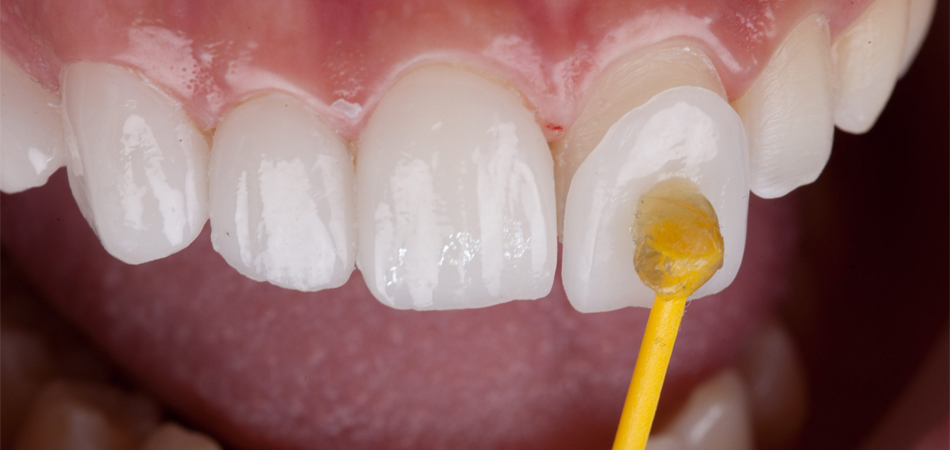
Dental composite is a resin material and the same color as the tooth, which is used to correct the color, form or partial fractures of the teeth. Although this method is less invasive than many other cosmetic treatments, in some cases it can have consequences for oral and dental health. These complications range from mild discoloration and sensitivity to more serious problems such as tooth decay or gingivitis. In fact, their occurrence depends on factors such as the quality of the ingredients used, the skill of the dentist and the compliance with post-treatment care. Knowing these things helps a person to have a realistic view of its benefits and limitations before choosing a treatment.
Dental composite complications
Complications related to Dental composite can be reviewed in two general categories: common complications that most patients may experience and are usually controllable with proper care, and dangerous complications that occur less often but can seriously affect the health of teeth and gums if they occur. Knowing these things before treatment helps people to have a realistic view and make a more informed choice.
Common side effects of dental composite
This category of complications are more common among patients and can usually be controlled with proper care or correction by a dentist. Although their severity is less than serious problems, it is necessary to be aware of them in order to make an informed choice.
1- Not having a strong structure like natural teeth
Tooth enamel and dentin are among the most resistant tissues of the human body and have the ability to withstand daily pressures caused by chewing food. In contrast, composite resins, despite significant improvements in material quality, still do not reach the level of natural teeth in terms of strength and durability. The same issue causes composites to eventually become chipped, small cracks or even broken, especially in people who have a habit of chewing hard foods such as ice or nuts or grind their teeth. Therefore, less strength is one of the main limitations of this method.
2- creating inconsistency in the color and appearance of the teeth

One of the most important expectations of patients from composite is to have a harmonious and natural smile. However, if the color selection is not done correctly or the final polishing process of the teeth is not accurate, the possibility of seeing the difference between composite teeth and natural teeth increases. Even in some cases, natural tooth color change over time can increase this disharmony For this reason, to achieve the best results, it is recommended that the work be done by an experienced dentist using high-quality materials.
3- causing dental sensitivity
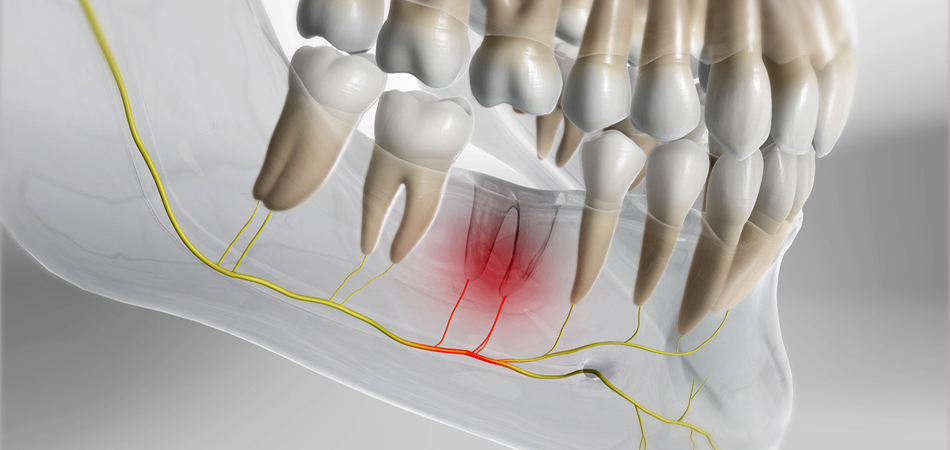
Dental sensitivity is one of the most common problems after composite. This sensitivity is usually felt when drinking cold or hot liquids, or even when breathing cold air. The cause of this problem can be the preparation of the tooth surface before bonding, the closeness of the resin layer to the dentine tissue, or the incomplete matching of the composite with the tooth enamel. Fortunately, in most cases, this sensitivity is temporary and decreases after a few weeks, but if it persists for a long time, it must be checked by a dentist.
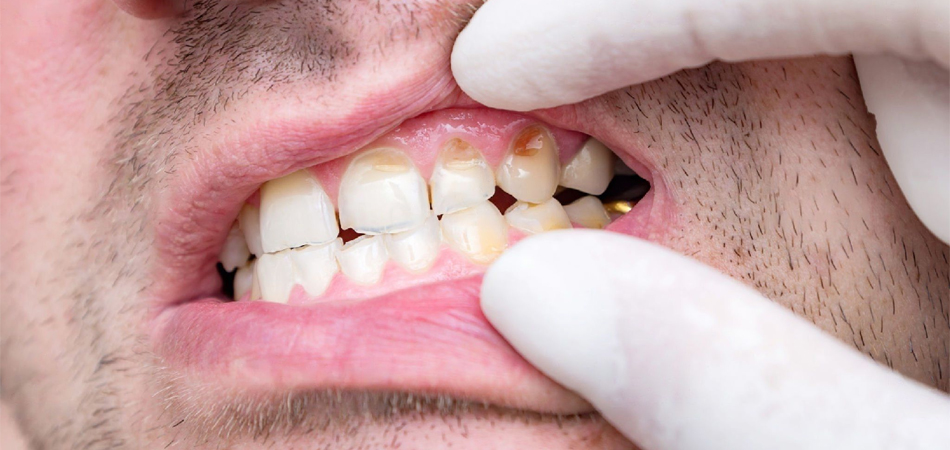
4- Changing the color and appearance of tooth composite
One of the most important limitations of composite compared to ceramic laminate is less resistance to color change. The surface of composite resins is more porous than ceramic, and this makes stains caused by the consumption of coffee, tea, colored drinks, and tobacco. Even if oral hygiene is not followed well, there is a possibility of plaque accumulation and changing the appearance of the composite. Although this problem can be solved to some extent with professional polishing and scaling, but in general, gradual color change is one of the inevitable side effects of this treatment.
Dangerous side effects of dental composite
Unlike common complications, these problems happen less often, but if they occur, they can seriously affect the health of the teeth, gums, or even the jaw joint. Awareness and timely diagnosis of these complications is very important in preventing long-term damage.
1- Feeling pain and discomfort

Sometimes after doing the composite, patients feel pain and discomfort when chewing or even in a normal state. This problem can be caused by improper placement of the composite, additional pressure on the teeth or remaining bonding materials on the edges of the teeth. If this state continues, the dentist must check the situation and, if necessary, correct the surface of the composite or occlusion (contact between the teeth).
2- Incidence of trauma or damage
If the composite is installed without considering the overall condition of the jaw and teeth, it may put asymmetric pressure on the teeth. In the long term, these pressures can lead to cracking of the opposite teeth, temporomandibular joint (TMJ) problems, or even fracture of the composite itself. Although this is a rare occurrence, if it occurs, it will have a more complicated treatment than common complications.
3- Gum tissue inflammation and infection
Composites that have rough or raised edges are easy places for plaque to accumulate. This accumulation over time causes redness, swelling and bleeding of the gums. If left untreated, gingivitis can lead to a more advanced infection (periodontitis), which threatens the health of the entire tooth-supporting tissues. In order to prevent this problem, it is very important to be careful in installing the composite and visit the dentist regularly.
4- tooth decay
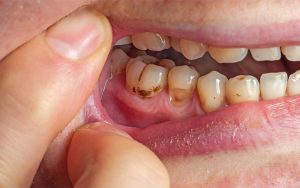
One of the most serious complications is tooth decay under the composite. If the bond between the resin and enamel is not perfect or if microscopic cracks develop at the edges over time, bacteria and food particles can penetrate under the composite. This decay is usually detected late because it is not visible to the eye and does not have obvious symptoms until it is very advanced. For this reason, periodical examinations play an important role in preventing this problem.
ways Prevention of dental composite complications
By observing some simple principles and paying attention to expert recommendations, the probability of problems caused by composites can be minimized. Prevention is always simpler and cheaper than treatment and plays an important role in increasing the life of this beauty method.
- Select care after dental composite to maintain health and Appearance of composite
methods Treatment of dental composite complications

In case of problems after composite, there are various treatments that can be done by visiting a dentist. These methods help maintain the durability and health of the smile and prevent serious injuries.
- Correcting or repairing cracked or filled composites
- Replacement of discolored or incompatible composites with natural teeth
- Using anti-allergic treatments to reduce teeth sensitivity
- Professional cleaning and polishing to remove stains and create a smooth surface
- Treatment of caries under composite with proper filling
- Correction of occlusion discrepancies or abnormal pressure on the teeth
- Treatment of gum inflammation or infection with specialized dental care
- Periodic follow-up and monitoring to prevent the recurrence of complications
Some special conditions and habits make dental composite not a suitable option and the risk of complications increases.
- People with severe grinding or excessive pressure on the teeth
- Those who do not observe oral and dental hygiene regularly.
- Patients with caries or serious tooth enamel damage
- People who have a history of severe sensitivity or allergy to resin materials.
- Patients whose natural tooth color changes quickly.
- People who expect to last a long time without care.

Tooth composite removal is usually done for reasons such as replacement, damage, or discoloration, but this process can be associated with risks. When removing the composite, if not enough care is taken, there is a possibility of damage to the natural tooth enamel. These injuries can cause tooth sensitivity, chapped lips, or even small cracks that will require repair or additional filling in the long run.
In addition to enamel damage, composite removal can cause temporary inflammation of the gums or irritation of the soft tissues of the mouth. If this process is performed by a non-specialist, the possibility of remaining resin particles and causing decay under the surface of the tooth also increases. Therefore, visiting an experienced dentist and taking care after removing the composite is very important to maintain the health and appearance of the teeth.
The durability of composite veneer usually varies between 5 and 10 years and this period is influenced by factors such as the quality of materials, the skill of the dentist, the type of nutrition and daily care. Although composites have a natural and beautiful appearance, over time they may change color, fade or decrease in transparency, which are part of the natural and gradual side effects related to the lifespan of this treatment.
Also, during the shelf life, some possible problems such as tooth sensitivity or the smallest cracks can affect the appearance and performance of the composite. With proper care, including oral and dental hygiene, avoiding excessive pressure or chewing hard objects, and regular visits to the dentist, you can increase the lifespan of the composite and prevent serious complications.

Dental composite and laminate are both popular ways to improve smile design, but to make a better decision, knowing Laminate difference And composite is very important in terms of durability, resistance and the amount of invasion to the teeth. Composite is less aggressive than laminate and requires less tooth enamel grinding, but its resistance and durability are lower and it is more exposed to discoloration, lip discoloration and tooth sensitivity. On the other hand, ceramic laminate is more durable and more resistant to stains and pressure, but its installation process is more aggressive and costs more.
As a result, the choice between composite and laminate should be made based on the condition of the teeth, aesthetic goal, budget and tolerance level. If a person is looking for a minimally invasive and fast repairable treatment, composite is a suitable option; But if long-term durability and greater resistance to color change is a priority, laminate is a better choice.
Conclusion
Dental composite is a popular method for correcting the color and shape of teeth, which has many advantages, but may be associated with common and sometimes dangerous side effects. By choosing a specialist dentist, observing hygiene and post-treatment care, the risk of these complications can be reduced and the lifespan of the composite can be increased. Being fully aware of these complications helps people make an informed and confident decision about their smile.
Frequently asked questions1- What are the complications of composite front teeth?
May include discoloration, lip swelling, and tooth sensitivity.
2- What are the side effects of removing dental composite?
It can cause tooth enamel damage, sensitivity or gum inflammation.
3- Does the composite damage the tooth?
In case of lack of care or excessive pressure, there is a possibility of cracking or discoloration.
4- How long do composite veneer complications last?
Usually between 5 and 10 years, it may be accompanied by gradual color change and pale lips.