
Table of Contents
- Eye puffiness or swelling What is it?
- symptoms with puff Eye
- Causes of eye swelling
- puff Eyes are symptoms of migraine?
- Is the eye one of the symptoms of corona?
- puff What does under the eyes have to do with the liver?
- Sudden swelling under the eyes
- Eye edema in children
- Diagnosis of eye edema
- Home Remedy for Puffiness Eye
- What is puffy eye or eye swelling?
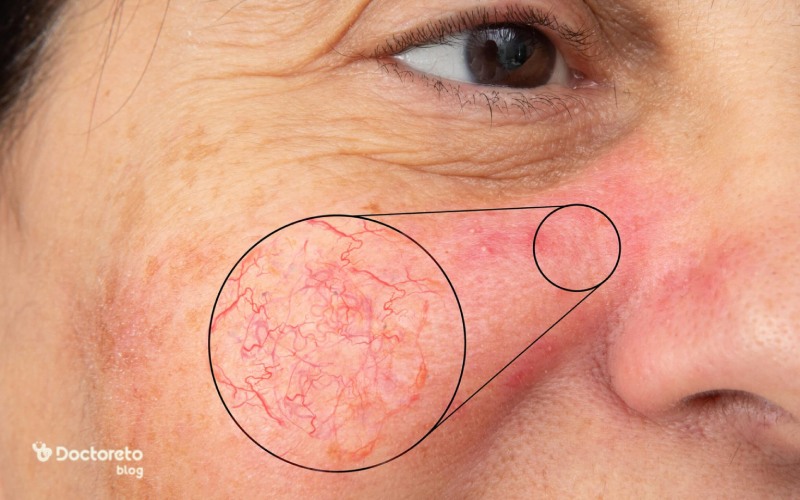
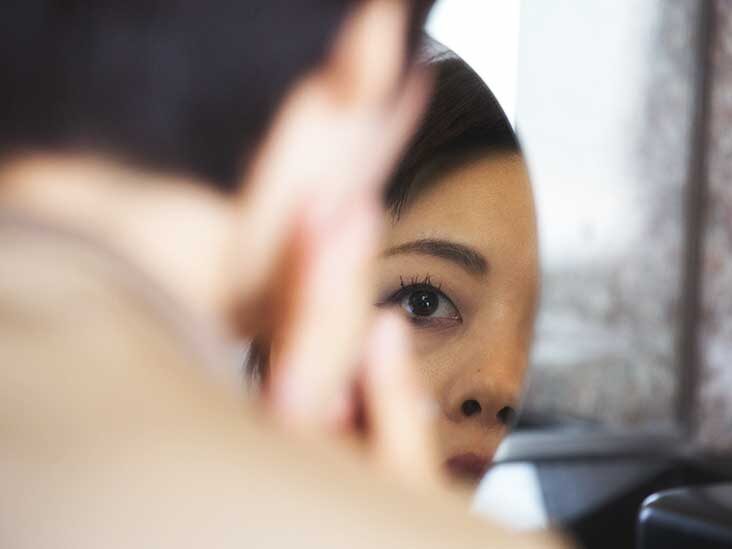
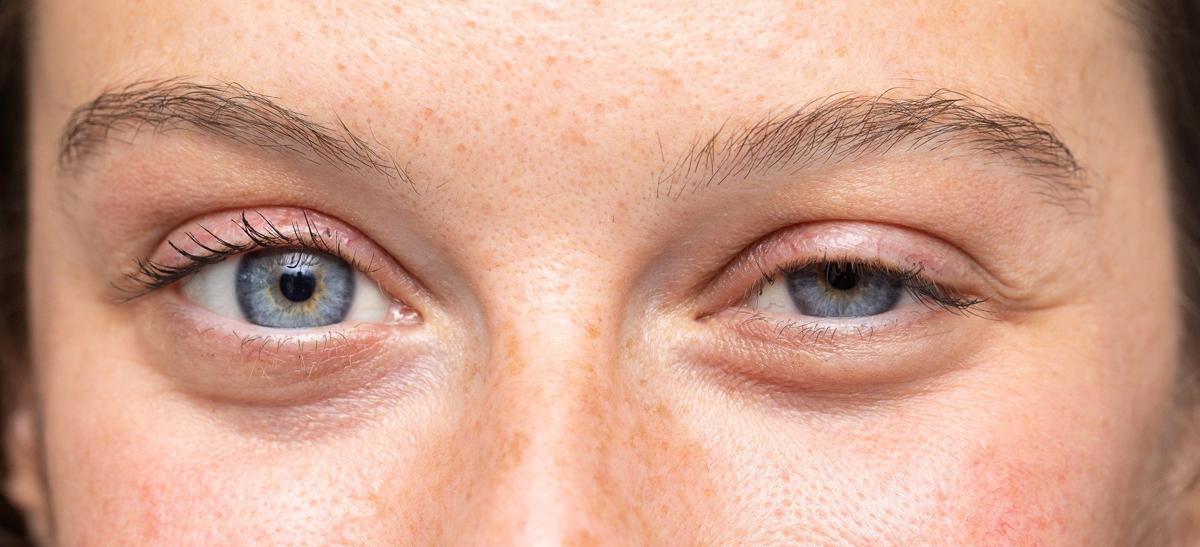
Eye swelling means swelling of the area around the eyes. The area around the eye, which is also known as the eyeball or the eyeball. Sometimes swelling around the eyes is referred to as puffy eyes or puffy eyes. Puffiness around the eyes or edema around the eyes can be present in one eye or in both eyes at the same time.
Depending on the severity of the inflammation, the size and extent of the swelling in the eyelid includes one of the following:
- Slight swelling when the eyelid is swollen but the child can open his eyes normally.
- Moderate swelling when the eyelid is puffy and the child is a little uncomfortable when opening his eyes.
- Severe swelling when the swelling of the eyelid has caused the eyes to close and the child cannot open his eyes.
Symptoms with puffy eyes
Eye swelling is usually accompanied by one or more of the following symptoms:
- Eye irritation, such as itching or scratching
- Sensitivity to light (photophobia)
- Excessive production of tears and as a result watery eyes
- Closing the gap of the eyelids (depending on the degree of swelling)
- Redness of the eyelid Eye redness and conjunctivitis
- Eye discharge
- eyelid dryness or flaking
- Pain, especially when the eyelid swelling is due to infection.

Eye puff causes of eye swelling
The main cause of eye swelling is inflammation that causes fluid to accumulate around the eyes. This condition can happen quickly (acute) or over a long period of time (chronic).
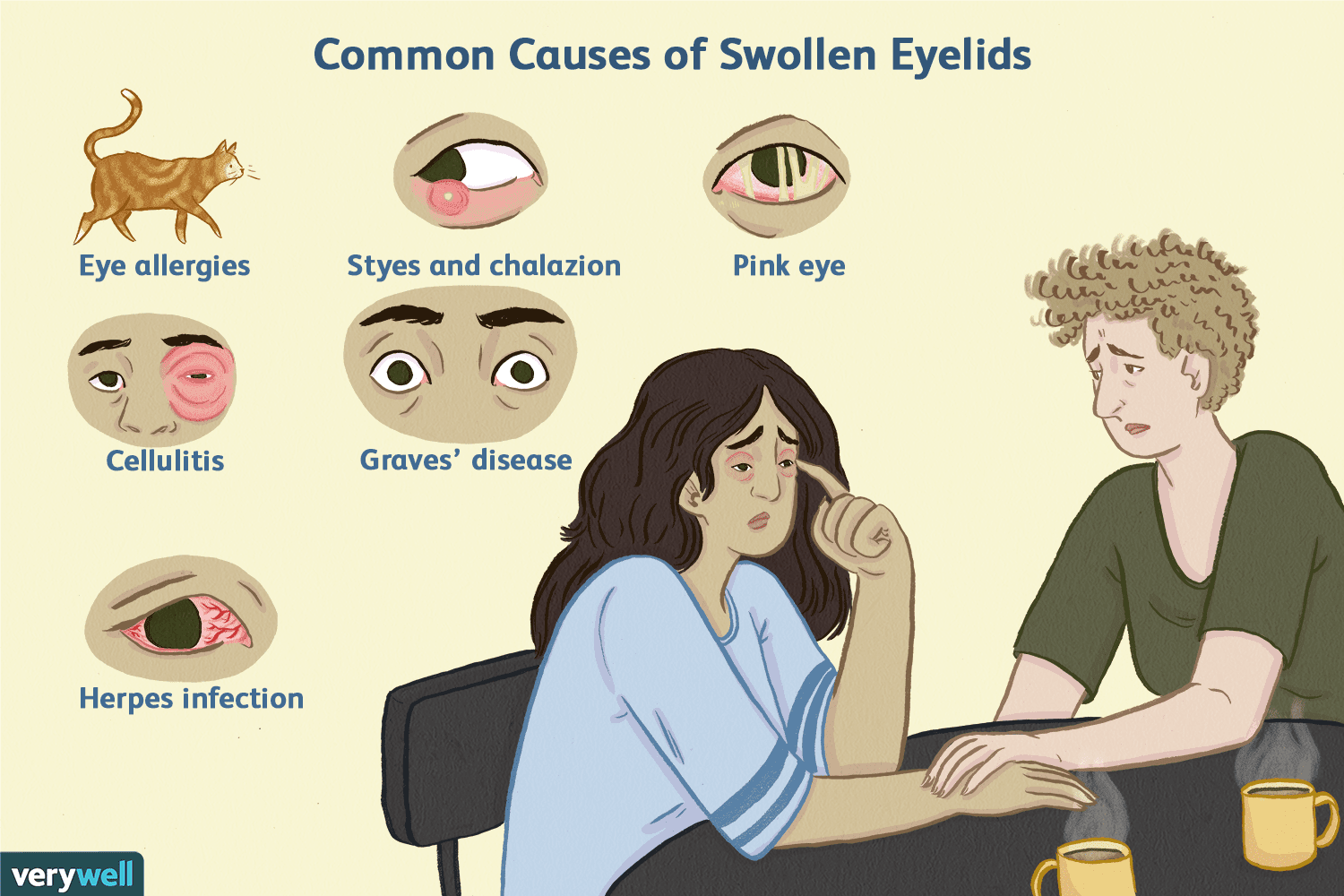
Some of the common causes of edema around the eyeball are:
1: mononucleosis
It is a viral disease that can cause eye swelling in the early stages of infection.
2: Irregular sleep
Sleeping too much or too little can cause fluid accumulation around the eyes.
3: High-salt diet
Consuming a lot of salty foods can lead to fluid retention.
4: High alcohol consumption
Alcohol can cause dehydration and as a result fluid retention.
5: Smoking
Cigarettes may lead to hormonal imbalance and fluid retention.
6: Allergy
Allergic reactions can cause inflammation of the small blood vessels (capillaries) around the eyes. Pollen, dust, pet dander, special eye drops and contact lens solutions are the most common eye allergens. Allergy to makeup is also one of the known causes of eye swelling.
7: flower eyelash
Eyelash flower or sty are small, red and painful bumps that look like pimples and can be seen on the outer or inner edge of the eyelid. Damage to the skin, dust particles or grease can block the oil glands around the eyes. Bacteria grow in these glands and cause eyelash growth.
8: eye herpes
Ocular herpes is transmitted through the common herpes simplex virus (herpes simplex). which is also called "eye cold sore". And it causes inflammation and sometimes corneal ulcer. Herpes of the eye can range from a mild infection to a more serious eye health problem that can lead to a corneal transplant or even vision loss.
9: Blepharitis
Blepharitis is an inflammation of the eyelids, which is usually caused by the improper functioning of the sebaceous glands in the ducts that drain near the base of the eyelashes. Blepharitis is characterized by swollen and painful eyelids. And it can be accompanied by scaly eyelid skin like dandruff and loss of eyelashes. Blepharitis is usually a chronic condition, which means that the symptoms can be controlled with proper medical and hygiene measures, but it is never completely cured.
10: Thyroid disorders
Thyroid problems such as hypothyroidism and hyperthyroidism cause fluid retention in the body, including around the eyes. Graves' disease or ocular thyroid, which is caused by hyperthyroidism, is often accompanied by swelling, puffiness of the eyelids and bulging of the eyes, as well as double vision and drooping of the eyelids. If any of these symptoms occur, see your ophthalmologist as soon as possible for proper diagnosis and treatment.
11: Cellulite around the eyes
Eyeball cellulitis is a serious skin disease caused by infection and inflammation of the eyelid and skin around the eye. This inflammation can cause puffiness of the eyeball. If symptoms last more than two to three days, you may need emergency treatment.
-
Orbital cellulitis or eye socket infection:
- Cellulitis around the eye socket or periorbital:
cellulitis around the eye socket or periseptal cellulitis is a relatively common infection or inflammation of the eyelid and parts of the skin around the eyes. This infection may be caused by bacteria, viruses or other pathogens.
12: cape nose
When you have a cold, your eyes naturally look puffy. Because the cavities that drain fluids from your face become blocked with sinus congestion. One of the symptoms of sinusitis is dizziness and eye swelling. So the eyes look puffy. Chronic sinus congestion is a bit more complicated and it is better to see an ear, nose and throat specialist for its treatment.
13: Skin disorders
Skin disorders cause skin inflammation and edema around the eyes. Eyelid puffiness can be due to lupus, dermatomyositis, and other skin-related diseases.
14: Aging
Aging naturally causes the body to lose more water during the day and this can cause fluid retention.
15: Crying
Crying irritates the eyes and causes inflammation and temporary capillary edema.
16: Chagas disease
This infection is caused by a tropical insect called the kissing bug. This infection can cause swelling on one side of the body, which is usually not painful.
17: Nephrotic syndrome
It is a disease caused by kidney problems that causes fluid retention.
18: contamination with trichin or pork worm
This disease is caused by a type of roundworm found in some raw or undercooked pork and can cause inflammation of the eyes.
19: Disorder in the lacrimal glands
Obstruction or dysfunction of tear glands can cause inflammation around the eyes.
20: Obstruction of the superior vena cava
A blockage in a part of the heart called the superior vena cava can cause blood to pool in parts of the body that are above the heart. And as a result, edema occurs around the eye socket.
21: Conjunctivitis
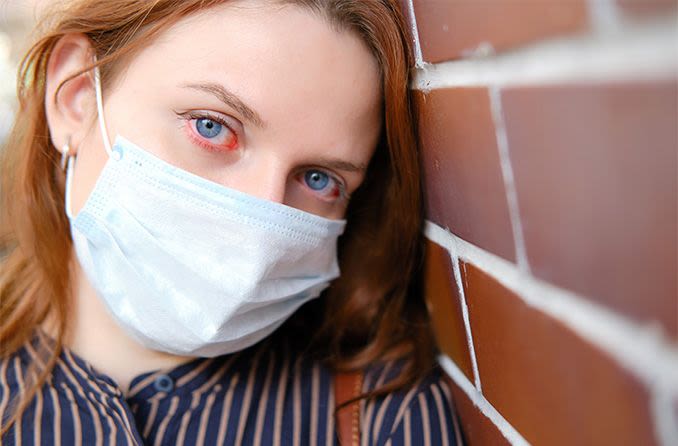
Also called pink eye, it is a viral disease that causes inflammation and redness of the eye.
22: trauma to the eye
Any injury close to the eyeball, including eye bruises and trauma caused by cosmetic surgery (blepharoplasty or eyelid surgery) can cause inflammation and redness around the eyes, resulting in puffiness around the eyeball.23: cosmetic and skin-care products
When cosmetics and skin care products get into the eyes, they can irritate the eyes and the tissue around them, causing swelling, redness, and painful discharge. Allergic reactions to these products can also trigger eyelid swelling. Be sure of the validity and health of your cosmetics and health.
24: Long-term use of contact lenses
If you keep your lens in your eyes too much, you will get puffy eyes. The contact lens acts like a cover for the eye and prevents oxygen from reaching the eye and swelling of the cornea. If yousleep with the lenses, you will put more pressure on the eye and make the swelling worse. Improper contact lens care, such as wearing dirty lenses, swimming with contact lenses, or keeping contact lenses in a dirty lens case, can cause eye infections and swollen eyelids.Using damaged contact lenses can also cause eye irritation and swollen eyelids.
25: days close to monthly period
As you know, you have a lot of swelling a week before your period and the first days when the bleeding is heavy. This accumulation of water can also affect the eyes. This swelling is due to the hormonal fluctuations of this period, changes in estrogen and progesterone lead to water retention in the body and in the eyes.
Is puffy eyes a symptom of migraines?
Eye puffiness is more common in cluster headaches. But it also sometimes occurs in someone with migraine. And it is usually due to a disorder of the autonomic system, which is commonly associated with watery eyes and a runny nose.
Other autonomic symptoms in headache include droopy eyelid, tear discharge, narrowed pupils, red or bloodshot eyes, nasal congestion, and facial sweating. In the meantime, facial sweating is relatively common. But narrowing and swelling of the eyes are seen in less cases. This condition usually does not require special medication and treatment except for treating the underlying headache. And it usually resolves with the improvement of the headache.
Is eye swelling a symptom of corona?
Fever, dry cough, fatigue and lethargy, body pain, sore throat, diarrhea, conjunctivitis, headache, loss of sense of smell and taste, and skin rashes are among the most common symptoms of corona. However, eye pain is the main symptom related to vision of corona virus infection.
Redness and inflammation of the eyes can be symptoms of corona virus invasion. Because tear secretions are just like nasal mucus the cause of corona transmission. In other words, corona affects the eyes through conjunctivitis, along with redness, tears and burning eyes. However, 80 percent of people who had eye symptoms had vision problems resolved in less than two weeks.
Eye pain is the main symptom related to vision of corona virus infection.
What does puffiness under the eyes have to do with the liver?
One of the reasons for puffiness under the eyes can be liver problems. Puffiness above the eyes and under the eyebrows, especially as we get older, is mainly related to the liver and can be a sign that the liver needs to be purified. Also, puffiness between the eyebrows can be a sign of poor gallbladder function. But if the puffiness under your eyes is due to liver problems, what are the symptoms?
eye swelling only in the mornings
If the swelling under your eyes is only in the mornings after waking up, don't worry too much. Maybe it's because you drank too much water last night. Puffiness under the eyes is one of the most common things you see in the morning. This condition is a sign that the liver breaks down and metabolizes toxins, protein and alcohol; It is under too much pressure. If the puffiness of the eyes is due to this problem, taking a dose of vitamin B12, which supports the liver, the puffiness under the eyes should disappear quickly.
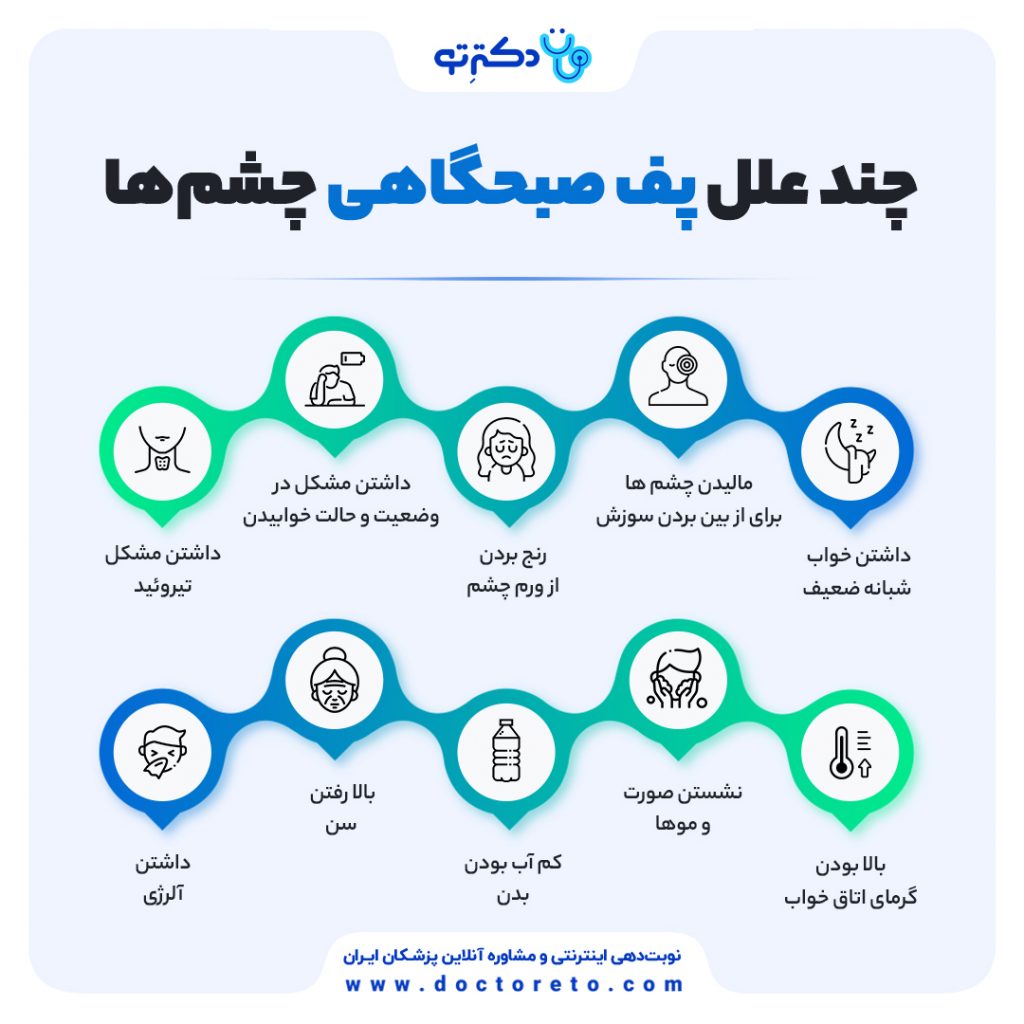
symptoms with a puffy eye that is dangerous
If puffiness under your eyes is accompanied by these symptoms, be sure to see a doctor to treat chronic liver problems as soon as possible:
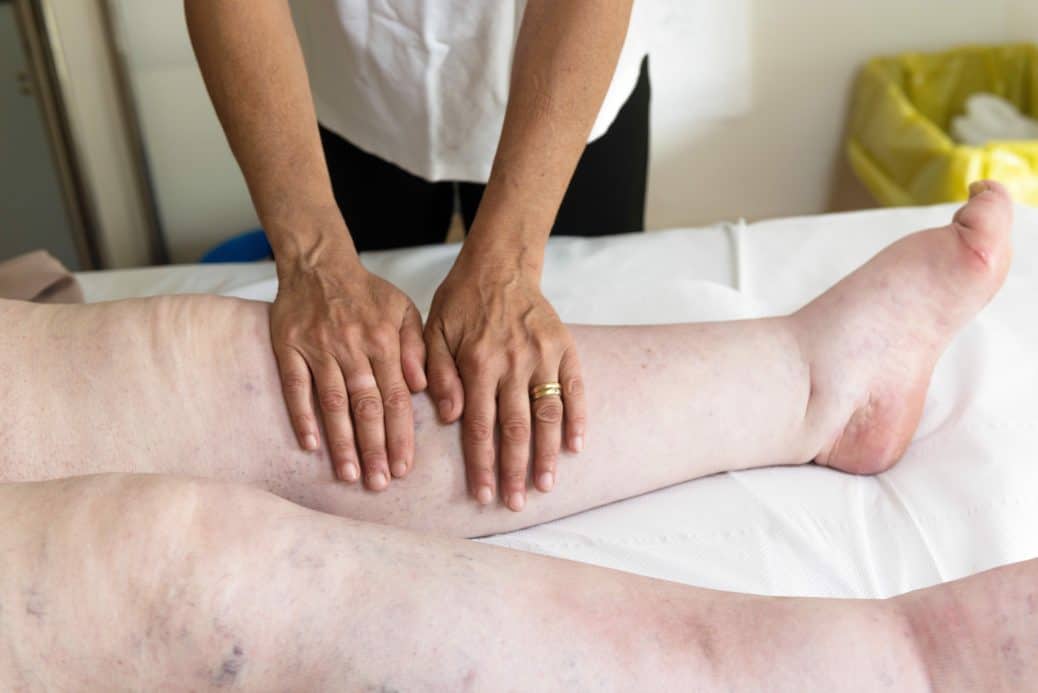
1: ankle or hand swelling
If your eye puffiness doesn't go down after a few days, and your hand or ankle swells along with the eye puffiness, this could be a liver alarm. In this case, if you have a habit of drinking alcohol, try to quit it as soon as possible.
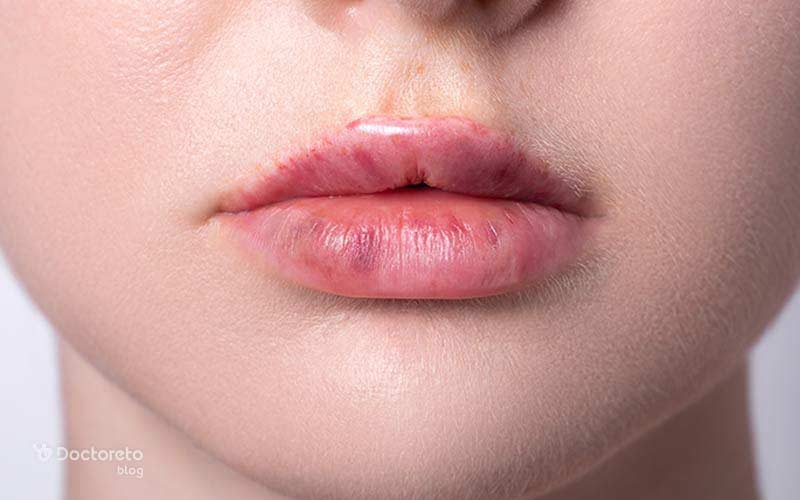
2: lip swelling
Usually, swelling of the face, especially swelling of the lips and accumulation of water under the eyes, which causes it to puff up, indicate a chronic liver problem. So, as soon as possible, you should visit an internist.
3: Yellow feet
Yellowing of the feet is a sign of accumulation of bile in the liver and gallbladder. So, if you have this symptom along with eye puffiness, be sure to see a doctor.
sudden swelling under the eyes
Sudden swellings under the eyes are usually not dangerous and can be resolved with home remedies. But if these swellings are accompanied by severe pain, discomfort and blurred vision, it is necessary to visit an ophthalmologist.
Among the causes of sudden swelling under the eyes are inappropriate sleep, allergies, hormonal changes such as premenstrual syndrome (PMS), special diet such as alcohol consumption or salty food, stress and crying. These factors are explained above.
Eye swelling in children
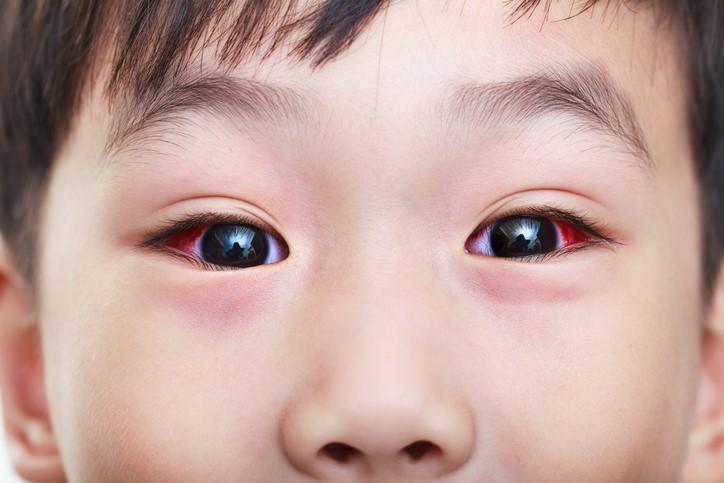
Children can experience eye swelling for various reasons, from eye rubbing to infection and injury. Some conditions may cause swelling in one eye, while others may affect both eyes. The factors that cause swelling are the same as adults.
Important note:
In case of inflammation or swelling, you should look for the causes of eye swelling and other related symptoms. And seek immediate medical care if you are concerned or have severe swelling.
Symptoms of eye swelling in children
The following symptoms are often associated with eyelid swelling in children:
- Pain
- Eye redness
- Feeling pain when touching
- Eyes with tears
- Discharge of green or yellow pus
- dry eye
- Itching
- Sensitivity to light
- Blurred vision
Depending on the cause of eyelid swelling, associated symptoms may vary. Some conditions may be painful. while others may not cause pain despite eye swelling.
In some conditions that have happened to the eyes, symptoms such as headache, fever, etc. may occur in the child. You should see an ophthalmologist to identify the underlying causes of these signs and symptoms.
If the swelling of the child's eye is caused by unknown reasons, does not get better, or is accompanied by dry eyes, infectious secretions, or blurred vision, see an ophthalmologist as soon as possible.
eye swelling diagnosis
In order to determine the underlying cause of eye inflammation and swelling, the doctor may perform the following tests depending on the symptoms after examining the medical history and physical examination:
- Blood tests: Check specifically for infection and thyroid disorders.
- Sensitivity and allergy testing
- Skin sampling
- Imaging tests such as CT scan and MRI scan.
How to get rid of under-eye puffiness?
Eye puffiness can be an uncomfortable condition. which sometimes reduces your ability to do daily tasks. But with time, medical treatment and home care, you can completely get rid of this condition. The treatment of edema around the eyeball depends on its cause. First of all, avoid rubbing your eyes, as this will only make your condition worse.
removal of puffiness under the eyes without surgery
The following methods can be mentioned among other methods of removing puffiness under the eyes without surgery:
- Canthopexy or external canthoplasty is a method used for drooping and loosening of the lower eyelid. To increase the volume of fat in sunken eyes or the area where the cheek and eyelid meet, fat injection is recommended. To create the necessary prominence, they use alloplastic cheek prosthesis or the side of the eye.
- Chemical peeling or laser skin rejuvenation is another non-invasive method used to improve the quality of the lower eyelid skin. With the help of laser, wrinkles or skin discoloration will be less.
- In cases where the veins around the eye area protrude, the best option is sclerotherapy or laser treatment, which improves this unpleasant appearance.
- Wrinkles caused by aging or diets in the area under the eyes and lower eyelid can be reduced with Botox injection.
- Using eye cream: Eye creams have more of a preventive role in causing puffiness under the eyes than a therapeutic role. Continuous use of eye creams reduces puffiness under the eyes by constricting blood vessels.
- Mesotherapy under the eyes: Mesotherapy is a method that has many uses and is used to rejuvenate the skin and also strengthen the hair. Mesotherapy is also considered a suitable method to remove darkness and small wrinkles and extra fat under the eyes. This method should usually be done in three to four sessions with an interval of two weeks to get the desired result.
- Microneedling: One of the best ways to remove wrinkles under the eyes is microneedling. Microneedling is the best choice for people who have problems with puffiness under the eyes or darkness under the eyes, but are afraid of the side effects of surgery, botox and filler injections.
- Fractional RF under the eyes: The puffiness under the eyes is not completely eliminated with this method, but it is used as a complementary method after the lower eyelid drooping operation to tighten the skin under the eyes. Of course, fractional RF under the eyes cannot replace the blepharoplasty operation, but only improves the appearance of the skin under the eyes.
- Gel injection under the eyes: Gel injection, which is one of the fillers of the body, is one of the non-invasive methods used to solve skin problems under the eyes and puffiness under the eyes.
- Carboxytherapy: In the carboxytherapy method, medical carbon dioxide is injected into the area under the eyes. In Carboxy, by increasing the blood flow in the eyelid, dark circles around the eyes and puffiness under the eyes are improved.
- Endolift: In the Endolift method, a very thin optical fiber stimulates the skin to increase collagen production, this collagen helps a lot to improve the tissue under the eyes.
Home-treatment for under-eye puffiness
In general, the following home remedies are recommended for all cases of puffy eyes:
- Low salt diet
- Increasing water consumption
- Placing a cold compress on the eyes for a few minutes at a time.
1: Put a cold compress.
A cold compress may be the best thing to temporarily relieve an irritated eye. Cold shrinks blood vessels and reduces redness. and relieves itching and irritation.
To make a cold compress, place a clean, damp washcloth in the freezer for a few minutes, but not until it freezes, then place it over closed eyes. Hold the cloth over your eye for five minutes or until it cools. This can be done three or four times a day or every hour. Use a new cloth each time.
2: Use warm towels.
Eye discharge is common in eye edema. Pus can be seen especially in eye infection. Soak a clean towel or cloth in warm water and take it out and place it on your closed eyelids. Just like a cold compress, keep the hot towel on your eye for as long as it's warm. Use a clean towel every time.
3: Don't make-up the eyes.
Avoid eye make-up while the eye is swollen. It is recommended to wait at least two weeks before reapplying eye makeup. But if your eyes are still swollen, uncomfortable or red, it is better to wait longer.
4: Don't use the lens.
As mentioned in the reasons, improper use of lenses or inappropriate lenses can be one of the causes of eye swelling. For this reason, it is necessary to eliminate the cause of eye swelling. If you have puffy eyes and wear contact lenses, contact your ophthalmologist. Because this can be a sign of contact irritation or another type of infection.
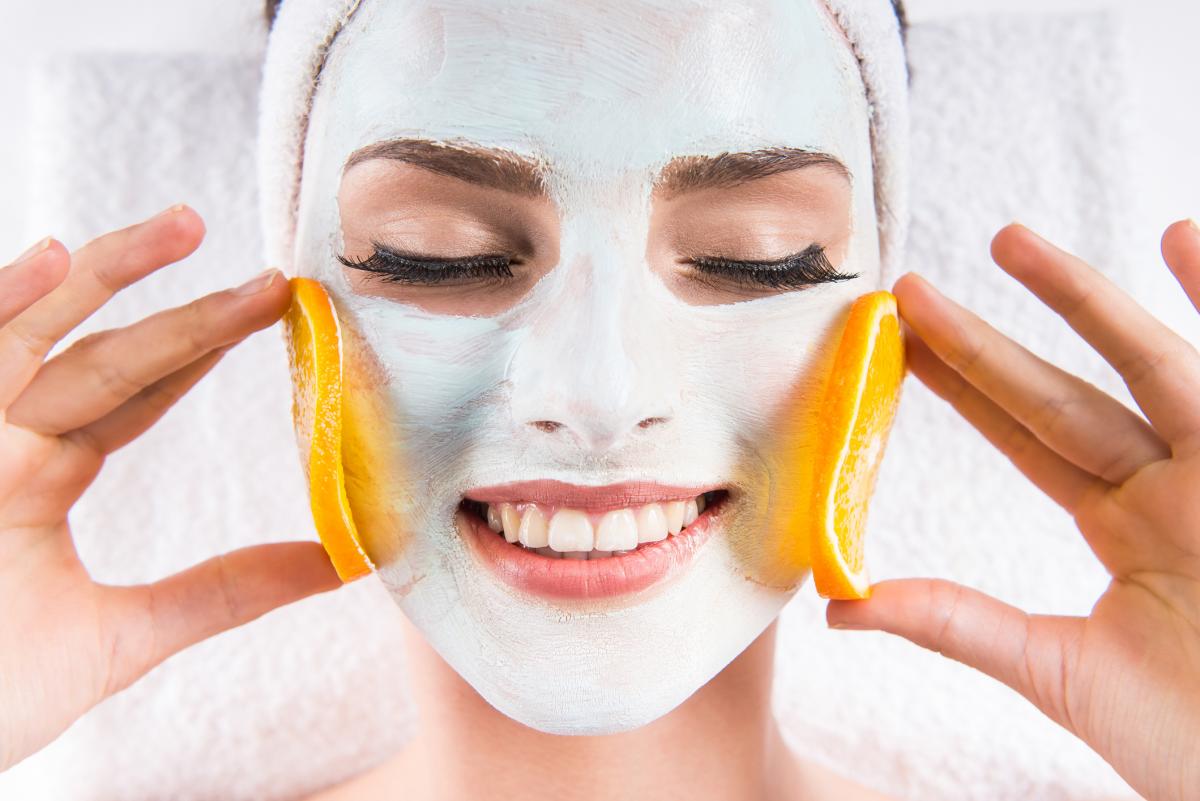
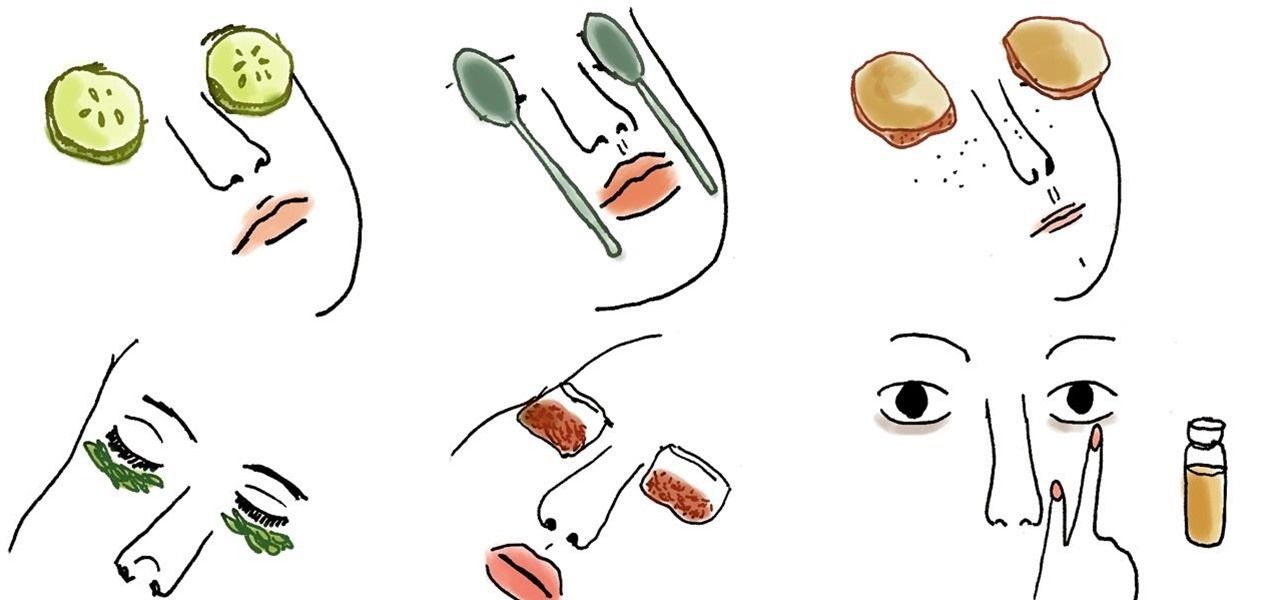
5: Using homemade masks
Cucumber and tea are among the best recommended masks to relieve eye irritation and reduce puffiness. Wash the cucumber, lie down and place two leaves of the divided cucumber on your eyes for 15 minutes. If using tea, especially green tea, put the tea bag in boiling water. Take it out and let it cool. Do not be too wet to penetrate into the eyes. Then sleep and put the tea bag on your eyes for 15 minutes. Coolness and cold generally reduce inflammation, so the process of histamine release slows down and swelling will be inhibited.6: Using special eye-swelling creams
In most cases, the treatment of eye swelling is almost simple. Any type of eye cream can help reduce eye puffiness and thicken the collagen around it. It is better to choose the best cream in terms of using the right cream through telephone consultation with an ophthalmologist.
In cases of puffiness due to hormonal reasons, eye cream may not be able to completely solve the problem (you have to wait), but it can improve the situation. If you have allergies or thyroid problems, you should identify and solve this problem with the help of a specialist.
Useful exercises to remove eye-puffiness:
There are exercises to remove puffiness above the eyes, which you can read in the eye exercise article at Vitamin
Pharmaceutical and medical treatments of puffy-eye
Treatment of swollen eyelids depends on its underlying cause. A ophthalmologist may prescribe medication or recommend over-the-counter medications such as eye drops.
Some commonly prescribed medical treatments include:
- Corticosteroids: Local application or oral consumption of these drugs can help reduce inflammation around the eyes.
- Anti-inflammatory drugs: Local or oral use of these drugs can reduce inflammation and pain.
- Antihistamines: This drug helps stop allergic reactions.
- Adrenaline or epinephrine: These drugs are used when emergency treatment is needed for an anaphylactic reaction.
- Antibiotics: Used to treat an infection that can cause edema around the eyeball.
In general, if your eye swelling is due to allergies, antihistamine eye drops or oral allergy medication, as well as the administration of "artificial tears," will help relieve symptoms. Also, for more severe allergic reactions, the ophthalmologist may recommend mild steroid drops.
Other causes, such as infection, conjunctivitis, or eye herpes, respond well to antiviral or anti-inflammatory eye drops or ointments or antibiotics.
If you have photophobia (sensitivity to light) along with chronic eyelid inflammation, photochromic lenses can help reduce sensitivity to light.
If symptoms persist or worsen, or if you experience pain in your eye, see your eye doctor immediately to evaluate for more serious problems.
Introduction of some types of eye ointment
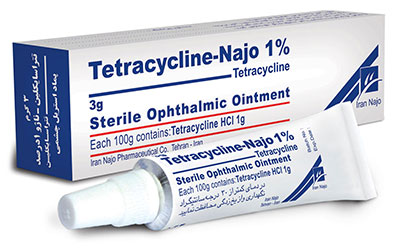
1. Tetracycline ointment
Tetracycline is one of the antibiotics used in eye infections and eye surgeries. It is recommended to avoid self-administration of this medicine. This medicine must be prescribed by a doctor. Note that if you have blurred vision and eye irritation, you should be examined by a specialist before starting to take any eye medication. Also, if eye discomfort still persists after 3 days of using any type of eye ointment, you should definitely see a doctor.2. Gentamicin ointment
Gentamicin eye ointment is prescribed in the treatment of eye infections, eyelid inflammation, conjunctivitis and lacrimal duct inflammation, corneal inflammation and corneal ulcer. Due to blurred vision, it is recommended to use this medicine at night. Note that in case of infection of the tear duct, a warm compress and gentle rubbing of the skin of the tear duct can help the treatment.
3. Acyclovir ointment
Aciclovir eye ointment is used in the treatment of corneal inflammation as prescribed by a doctor. This drug is easily absorbed through the corneal tissue and the surface tissue of the eye.
Introduction of eye drops:
1:Nefazolin
Nefazolin is a fast-acting drug that mimics the sympathetic system, which reduces congestion and congestion by constricting the small vessels of the eyes and nose. Nefazolin is available in the form of drops and sprays for use in the nose and eyes. Nefazolin spray and drops are decongestants that are used to temporarily relieve redness and itching of the eyes and nose due to colds, allergies or irritations (such as swimming, smoke, contact lens use).
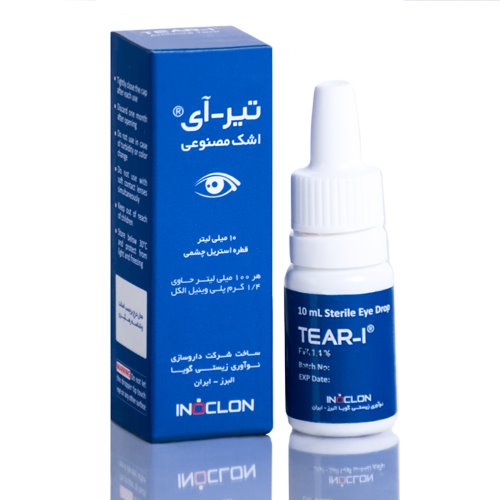
2: artificial tears
Artificial tears is a medicine to relieve dry eyes and eye irritation. Lubricants keep the eye moist. It helps protect the eyes from damage and infection and reduces the symptoms of dry eyes. Some people use over-the-counter (OTC) or prescription eye drops that include artificial tears to reduce dry eye symptoms.
Under-eye puff surgery:
Eyelid surgery can be a treatment option, depending on the cause of puffiness under the eyes. During the treatment, the surgeon removes excess fat through an incision on the natural lines of the upper eyelid or next to the lower eyelid. Then he sews the skin with small needles. This procedure is usually done on an outpatient basis.
Methods of preventing puffy eyes
1. Take an allergy test.
If eyelid swelling and other allergy symptoms occur regularly, take an allergy test. By knowing what you are allergic to, you can avoid certain allergens or at least minimize your exposure to them.
2. Choose suitable and anti-allergy cosmetic products.
To prevent allergy flare-ups, choose makeup and other beauty products that are hypoallergenic and fragrance-free. You can also do a patch test on your wrist before applying makeup to rule out any allergic reactions. Non-standard cosmetic products may also cause eye infections.
3. Use eye drops without preservatives.
When using eye drops, look for eye drops without preservatives. Try not to use medicines that you drop into the eye without consulting an eye doctor.
4. Take proper care of your contact lenses.
If you wear contact lenses, you can minimize the risk of eye infection or irritation by practicing good hygiene practices, including changing your contact lenses frequently.
5: Be under the eye doctor.
See an eye doctor every six months or a year, even if you have no problems. Checking your eye health regularly can keep your eyes healthy and beautiful.
See an eye doctor every six months or a year, even if you don't have any problems.
When should you see a doctor when you have puffy eyes?
Swelling of the eye can occur for several reasons, it is necessary to visit an ophthalmologist to further investigate the cause of puffy eyes. Some eyelid swelling conditions can be treated at home, but others require medical attention. If your eyelid swelling doesn't respond to home remedies, you should see a full ophthalmologist. During the examination, your ophthalmologist can determine the cause of eyelid swelling and the most effective treatment.
cases of eyelid swelling that require urgent medical care are:
- Swelling with redness of the eye
- Discharge of yellow or green pus from the eye
- Swelling due to eye damage
- Cutting or tearing of the eye
- Bleeding from the eye
- Swelling of other parts of the body
- Swelling that does not improve with current treatments.
guide to refer to ophthalmologist
It is usually a good idea to see an ophthalmologist for any severe eyelid swelling and other eye-related symptoms. Because the eye is a delicate and sensitive organ. An ophthalmologist can help in accurate diagnosis and treatment of the underlying disease. Visit an eye doctor every six months to check your eye health.
If your eye suddenly swells, it is better to get an online or phone consultation using Eye specialist and see a doctor if needed. برای دریافت نوبت حضوری و مشاوره تلفنی با چشم پزشک می توانید از سایت دکترتو استفاده نمایید.
برای آگاهی دقیقتر از هزینه بلفاروپلاستی در شهرهای مختلف، میتوانید به صفحات زیر مراجعه کنید:
………………………………………..
دکترتو مراقب سلامت شماست.