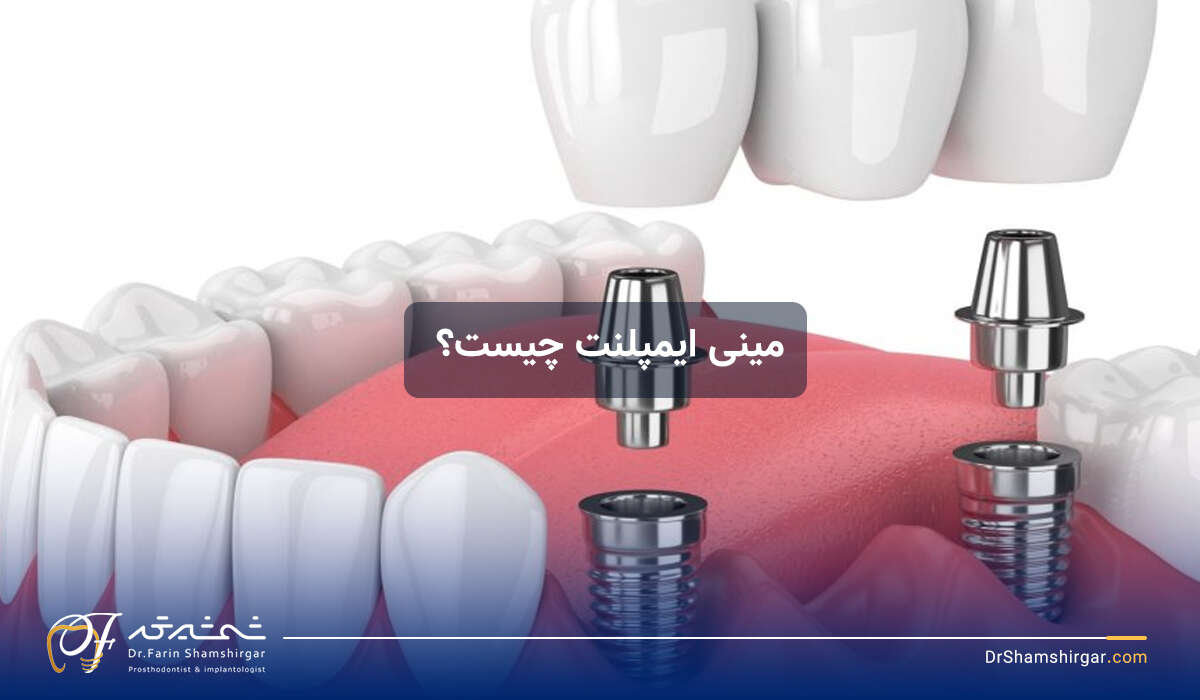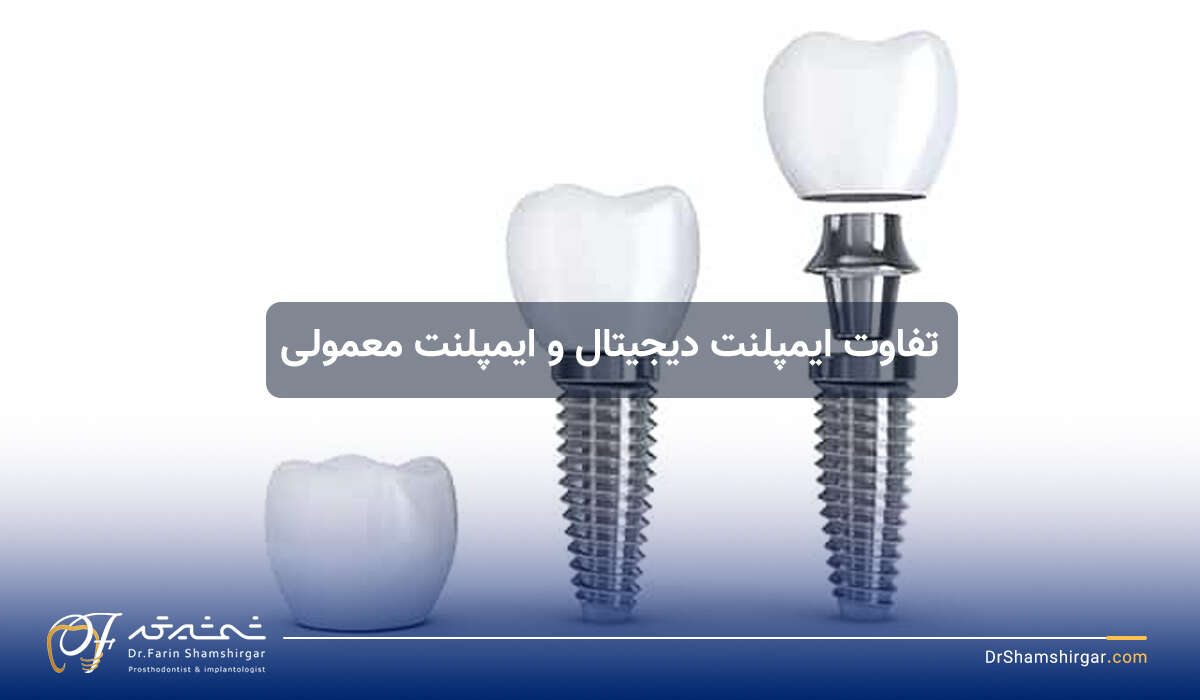


جراحی ایمپلنت به عملی گفته میشود که در طی آن پایه تیتانیومی ایمپلنت پس از شکافتن لثه در استخوان فک قرار داده میشود. After this surgery, the gums need care, and one of these cares is paying attention to the dos and don'ts of speaking after implant surgery.
Since compliance with the necessary care plays an important role in the success of the implant, it is important to pay attention to the important points in speaking after the implant surgery. In the rest of this article, we will fully discuss the issue of talking after implant surgery.
Speech exercises and reading aloud can help speed up the adaptation process. If speech problems persist for more than a few weeks, with Consult your dentist so that adjustments can be made if necessary or go to speech therapy. href="https://scruggsdentistry.com/dental-implants/talking-after-dental-implants/" rel="nofollow noopener" target="_blank">SCRUGGS
Is it possible to speak immediately after dental implant surgery?
One of the important questions of people after implant surgery is the possibility of speaking after implant surgery. Implant surgery is not known as a fully invasive surgery; But it makes the condition of the teeth and mouth a little sensitive after performing this surgery.
Actually, factors such as anesthesia, pain and swelling after surgery can cause problems when speaking after implant surgery, which we will describe below:
Effects of anesthesia on a person's speech
Anesthetic drugs are used to perform implant surgery and prevent pain. The effects of these drugs can remain for several hours after the operation and cause difficult movement of the tongue and lips and on the other hand reduce the person's control over the pronunciation of words.
On the other hand, anesthetic increases the secretion of saliva, and this makes it difficult for a person to speak after implant surgery.
Initial pain and swelling caused by surgery
To perform implant surgery, the gum is split and after suturing, the body reacts to this naturally. The body's reaction causes inflammation and causes pain and swelling in the surgical area, which limits the movement of the tongue and jaw; Especially if the implant was done for the front teeth.
This issue can involve speaking with minimal movements, thus reducing the intelligibility of words.

Why should you avoid talking after implant surgery?
Different reasons can make dentists advise people to avoid talking after implant surgery. Among these reasons, the following can be mentioned:
Avoiding pressure on the newly planted implant
In implant surgery, the root of the implant is planted in the jawbone, and until the implant is completely welded to the jawbone, the surgical area is sensitive. Speaking is done by moving the jaw and lips, which causes a slight displacement of the tissues around the implant and makes the welding process go slower.
This issue is associated with more pressure on the surgical area, especially in people who pronounce strongly or open their mouths a lot. To prevent such a problem, it is recommended that in the first few days after surgery, people should reduce the amount of speech and its intensity so that there is no problem with the dental implant.
Preventing the impact of the movement of the tongue and mouth muscles and the healing process
For a person to be able to speak, he needs coordination between the muscles of the tongue and lips. After implant surgery, these movements can disrupt the healing process of the implant.
When speaking, the tongue may unintentionally hit and press the implant, especially in the front area. Also, the movement of the lip and mouth muscles can stretch the surgical site and increase pain in this area.
On the other hand, the movement of the mouth muscles, especially in the first hours, can cause slight bleeding in the area, and for this reason, it is recommended to refrain from talking after the dental implant.
Possibility of inflammation and increased pain
Other things that make dentists recommend that people postpone talking after implant surgery is the intensification of inflammation and pain in the implant area. Jaw movements while talking can increase blood flow to the surgical area and increase swelling and inflammation in the area. Also, excessive movement in this area can open the sutures at the implant site and thus delay the healing process.

Key points of speaking after implant surgery
Since many people may not be able to refrain from speaking completely, it is very important to follow the following important points for speaking after implant surgery:
Speak briefly and calmly: It is very important to keep speech short and simple after implant surgery. The person should avoid long and complicated sentences so that less pressure is applied to the surgical area.
No pressure on the mouth when speaking: Avoid speaking loudly or pronouncing hard words so that the tissues around the implant are not irritated and the implant is not damaged.
Paying attention to body signals: It is very important if the person feels pain or discomfort when speaking after implant surgery, to quickly stop talking and rest. slow This will help to prevent further problems.
Avoid excessive fatigue: Since talking too much can stretch the surrounding muscles and tissues and increase pain and swelling, you should rest your mouth and teeth after a few minutes of talking.
How long after implant surgery can you speak normally?
When talking after dental implant surgery can be done completely depends on the condition of the implant and its recovery. In the following, we will examine the possibility of talking after dental implant surgery at different times:
Talking in the first days after surgery
It is recommended to refrain from talking in the first days after dental implant surgery because the swelling and sensitivity in the operated area is very high and you should not apply too much pressure to the area. The first days after surgery are said to be 24 to 48 hours after surgery, when the person needs more rest for better recovery.
The first week and gradual changes
After two to three days and with more healing of the surgical site, it is possible for the person to speak more; However, you should still be careful not to put too much pressure on the implant.
10 days to 3 weeks after the implant
After 10 days, it is possible for the person to speak normally and there is no need for special care for the person. However, the conditions of each person are different and this point should be considered during this period of time.
Does the implant affect the pronunciation and pronunciation of words?
The implant, especially the front teeth implant, can affect the pronunciation of some letters. The reason for this issue can be attributed to many things. One of these cases is the difference in tongue movement due to the presence of the implant, which can cause a change in the pronunciation of some letters such as "s", "sh", "z" and "t". Also, placing an implant can create a new feeling in the person's mouth and this problem can change the pronunciation. These problems are usually temporary and after the passage of time, they are resolved after three weeks and the person can pronounce letters and words in a natural way.
Is there a need for speech therapy after dental implant surgery?
Normally, speech therapy is not necessary after implant surgery. In certain circumstances, if the patient has received multiple implants, especially in the front areas, he may face problems in pronouncing some letters or problems in the coordination of the tongue and mouth and may need speech therapy.
Do dental implants affect speech in the long term?
The answer to this question should be negative; Because the implant works like natural teeth after complete recovery and makes the person speak normally without speech problems.
If a person has long-term problems in pronouncing letters and speaking, he must visit a dentist so that after checking the situation, necessary adjustments can be made and speech problems can be solved.
Very important tips for faster speech recovery after dental implant surgery
In order for people to be able to follow their normal speech as quickly as possible after the implant, the following strategies can be very effective:
Enough rest: In the first days, long conversations should be avoided so that the mouth can rest completely and speed up the healing process by preventing pressure. enter the implant site.
Adhering to a proper diet: In the first few days after the implant, soft foods should be used without the need to chew hard so that the surgical area is not under pressure.
Drinking enough water: Drinking enough water helps to prevent the mouth from drying out and the implant healing process goes better.
Regular visits to the dentist: It is recommended to be sure He went to the dentist after the complete healing of the implant site or to check its healing process. This helps to take necessary actions if there is any problem.

Free consultation with Dr. Farin Shamshirgar, dental implant specialist in Zafaranieh
Dental implant is known as one of the best methods of replacing a missing tooth. The success of this method depends a lot on the doctor's experience and expertise, and for this reason, people are suggested to go to an experienced specialist to do this. One of the expert and experienced dentists in this field is called Dr. Farin Shamshirgar. Dr. Shamshirgar is an dental implant specialist in Zaferanieh and this allows him to perform implant surgery in the best possible way. To use the services of Dr. Shamshirgar, you can visit his office in Zafaranieh.
Final word
One of the most important care after dental implants is to refrain from talking after dental implant surgery. This tip should be followed seriously for 24 to 48 hours and accompanied by more precautions for up to a week.
This work helps the dental implant to go through its healing process in a natural way and not have problems. با رعایت کردن این مراقبتها است که ایمپلنت دندان میتواند به شکل کامل جوش خورده و عملکرد دهان و دندان را به آن بازگرداند.
مشاوره رایگان!
برای مشاوره رایگان یا بصورت آنلاین ثبت نوبت کنید یا با ما تماس بگیرید.
بله، اما ممکن است در روزهای اول کمی ناراحتی یا دشواری در گفتار داشته باشید.
خیر، صحبت کردن معمولی آسیبی به ایمپلنت وارد نمیکند، اما بهتر است از فشار بیش از حد به ناحیه جراحی خودداری کنید.
در اغلب موارد، مشکلات خفیف گفتاری طی چند روز تا یک هفته برطرف میشود.
خیر، پس از تطبیق کامل دهان با ایمپلنت، گفتار به حالت طبیعی بازمیگردد.
بله، خواندن بلند یا تکرار کلمات میتواند به بهبود سریعتر گفتار کمک کند.
در صورت تداوم مشکل، با دندانپزشک یا گفتاردرمان مشورت کنید.