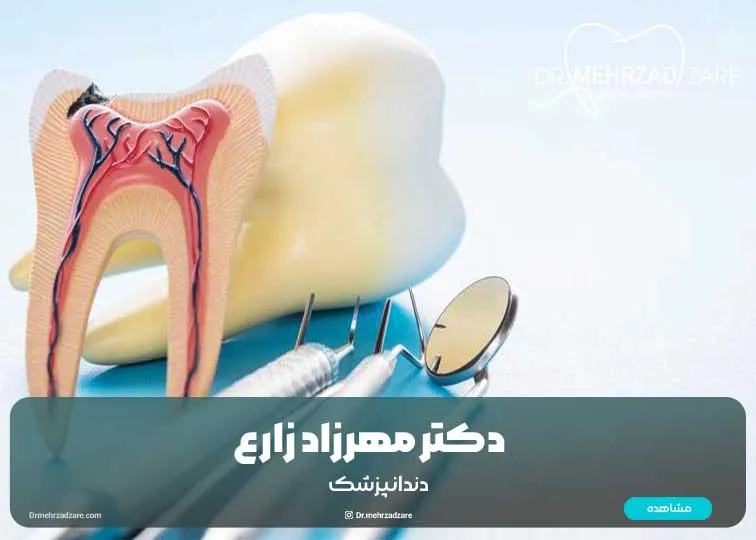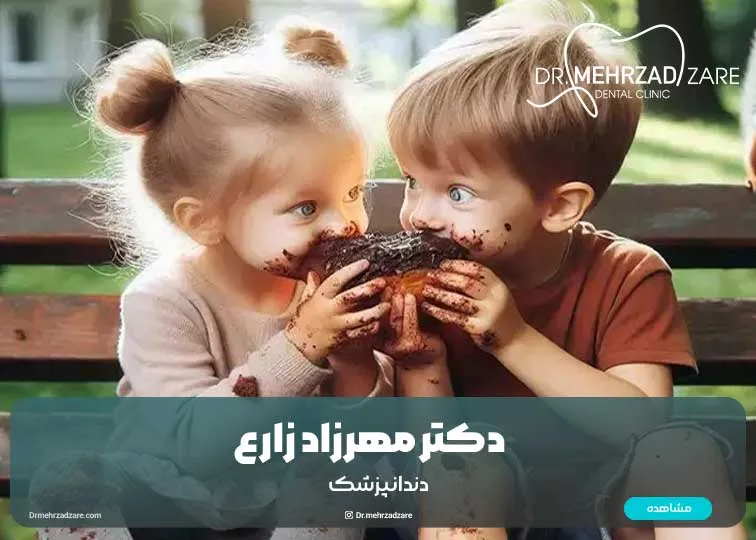

Tooth decay is one of the most common chronic childhood diseases that affects millions of children worldwide. Contrary to popular belief, milk teeth are also very important in the general health of a child, because these teeth not only play an essential role in nutrition and speech, but are considered natural substitutes for the growth of permanent teeth in the future.
In recent years, several studies have shown that caries and sweetness in children have a direct and predictable relationship. Frequent consumption of sugary substances, sweet drinks and processed foods, along with not observing oral hygiene, creates an acidic environment in the mouth and, as a result, begins to destroy tooth enamel.
Dental caries is an infectious disease caused by oral bacteria, especially Streptococcus mutans and Lactobacillus acidophilus. These microorganisms produce acid by consuming simple sugars found in sweets and processed foods.
The acid produced in direct contact with the surface of the tooth causes demineralization (reduction of minerals in tooth enamel). If this process is repeated, it will eventually lead to the destruction of the tooth structure, the creation of stains, cavities and even severe pain.
In other words, decay and sweetness in children are two inseparable concepts. The more times the tooth comes in contact with sugar, the more likely it is to decay; Even if the amount of sweets is small.
reasons The main cause of caries caused by the consumption of sweets
Caries in children is the result of a combination of several factors:
1. Frequent consumption of sugary substances
Simple sugars such as sucrose, fructose and glucose are the main food of oral bacteria. When a child consumes sweets, biscuits or sugary drinks several times a day, the oral environment remains constantly acidic. This state causes continuous analysis of tooth enamel.
2. Non-observance of oral hygiene
Many children do not brush their teeth after eating sweets or do not know the correct way to brush their teeth. Accumulation of microbial plaque on the teeth causes sugar to last and acidity to continue.
3. Reduction of oral saliva
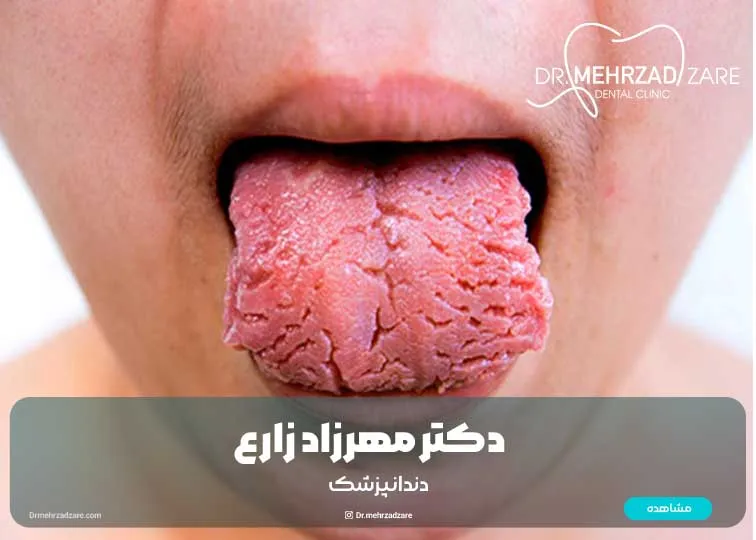
Saliva plays an important role in washing food and neutralizing acid. Children who have little saliva due to medication, dehydration, or mouth breathing are more susceptible to caries.
4. Genetics and characteristics of tooth enamel
Some children genetically have thinner enamel or their teeth are more susceptible to damage. In these children, even less sugar consumption can cause caries.
5. Using milk bottles containing sweet liquids
The term “baby bottle rot” is used for babies who sleep with a bottle of milk or juice at night. The sweet liquid collects in the mouth and keeps the bacteria active.
Timely recognition of the signs of caries and sweets in children is important to prevent permanent damage.
Primary symptoms
-
creating chalky white spots on teeth
-
excitability while eating
Advanced symptoms
-
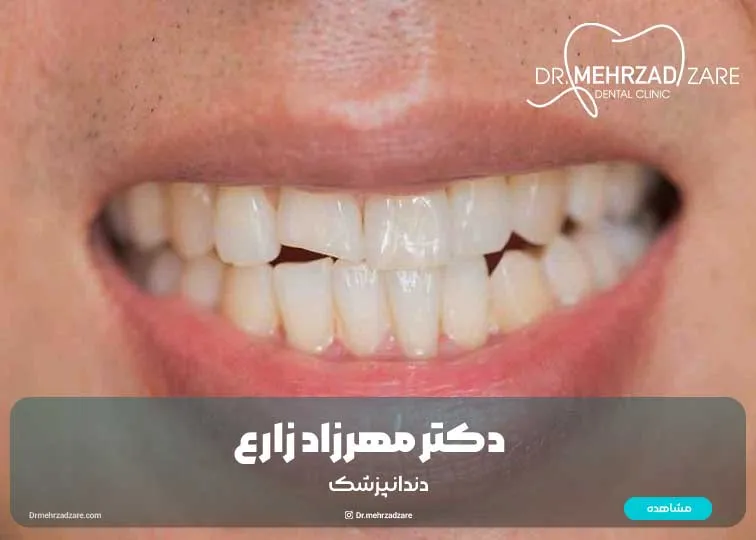
Brown or black spots on the teeth
-
pain when chewing
-
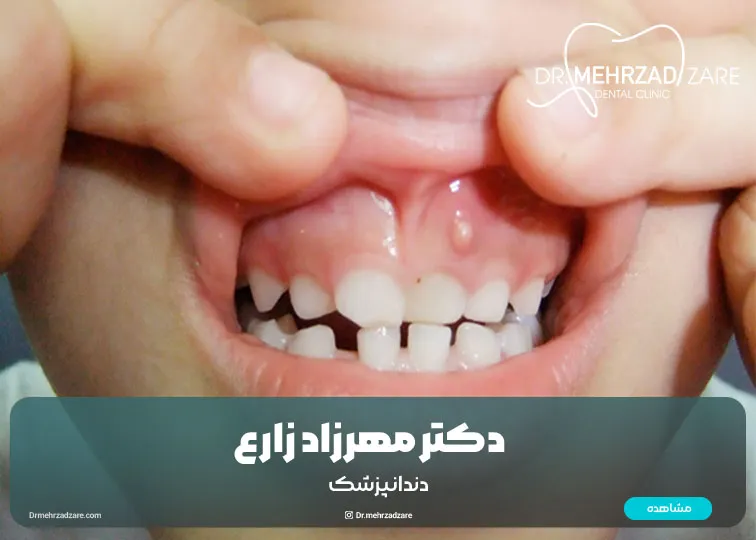
Inflammation or swelling of the gums around the teeth
-
Night restlessness of the child
-
even fever in cases of severe infection
Methods Prevention of caries and sweets in children
1. Restrictions on sugar consumption
It is better for children to eat sweet foods only during main meals, because saliva is more abundant at this time and the oral environment returns to normal faster.
2. Teaching correct brushing
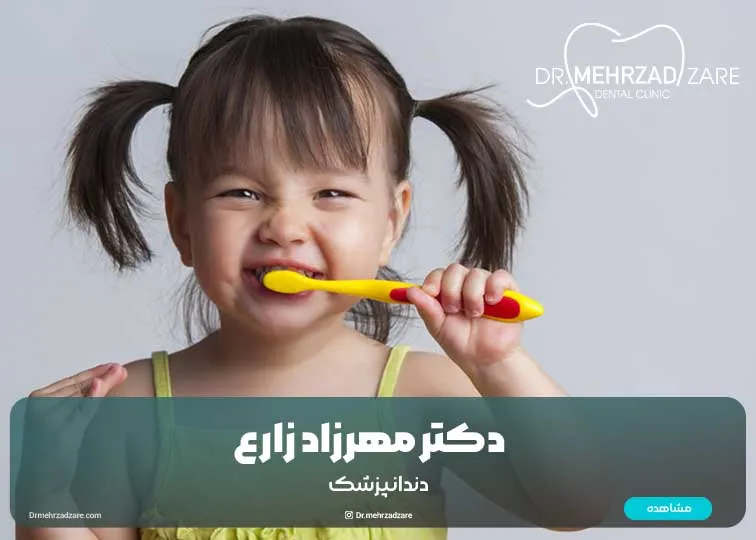
Parents should teach children how to brush their teeth correctly from the age of two. It is recommended to use toothpaste containing fluoride in small amounts.
3. Children's dental floss and mouthwash
Dental floss is necessary for adjacent teeth. Mouthwashes containing fluoride can increase the resistance of tooth enamel.
4. Healthy eating and replacing snacks
You can replace sweets with healthy foods such as fresh fruits, unsalted nuts, cheese and vegetables.
5. Regular visits to the dentist
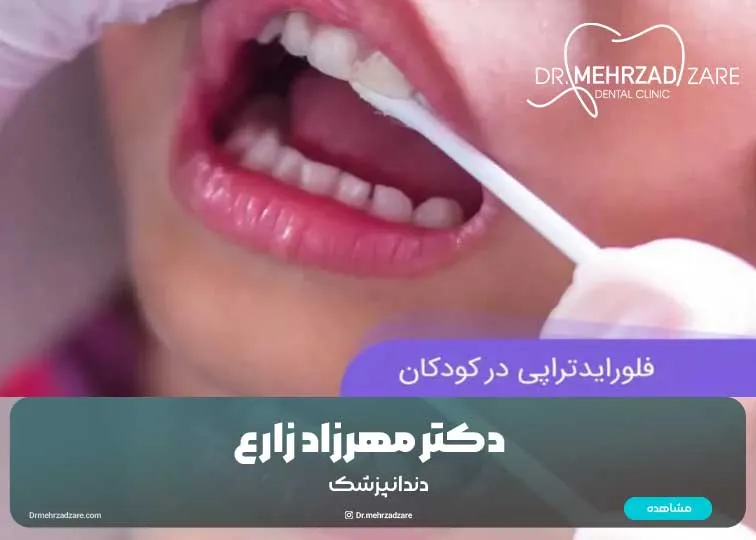
A visit every six months is necessary to check the condition of milk teeth and use fluoride therapy.
🔹 Fluoride Therapy
Fluoride causes Tooth enamel strengthening The acid goes to the lower layers. This method is usually performed in a dental office.
🔹 sealant or fissure sealant
covering the deep grooves of the chewing surface of molars with resin material to prevent the accumulation of bacteria.
🔹 Xylitol
Xylitol is a natural sweetener that not only prevents decay, but also reduces the growth of harmful bacteria.
🔹 modification of eating behavior
Advice to parents to create good eating habits in children, such as eating sweets only after meals, not between meals.
🔹 laser therapy
In some cases of surface decay, laser is used to remove the damaged tissue and disinfect the tooth.
and good habits for children's oral health

-
Video tutorial on the correct way to brush your teeth
-
Use of educational applications and care games
-
Washing the mouth with water after every sweet meal
-
Using the reward table to encourage the child to observe hygiene
-
Replacing sweet drinks with plain water or milk
Communication Between caries and general health of the child's body
Research has shown that Toothache causes loss of appetite, insomnia, and disturbance in the child's growth. Therefore, preventing caries and sweets in children is actually a measure to maintain the overall health of their bodies.
Parents play an essential role in the formation of children's health habits. Parents who take care of their own oral health usually have children with healthier teeth. Direct monitoring of brushing teeth, limiting the consumption of sweets, and visiting the dentist regularly are among the most important actions of parents.
Conclusion
Caries and sweets in children is a multifaceted issue that is related to biological, behavioral and nutritional factors. Although sugars play a key role in causing caries, incorrect health and nutritional habits also play an important role.
This common problem can be prevented by correcting behavioral patterns, proper education, regular visits to the dentist, and using scientific prevention methods. مراقبت از دندانهای شیری، سرمایهگذاری برای آینده سلامت دهان و دندان کودک است.
❓ ده سوال متداول درباره پوسیدگی و شیرینی در بچهها
-
آیا دندان شیری هم نیاز به درمان دارد؟
بله، زیرا پوسیدگی در دندان شیری میتواند به دندان دائمی آسیب برساند. -
چند بار در روز باید کودک مسواک بزند؟
حداقل دو بار، صبح و قبل از خواب. -
آیا استفاده از فلوراید برای کودکان بیخطر است؟
بله، در دوز مناسب و تحت نظر دندانپزشک بیخطر و مفید است. -
آیا شیرینی طبیعی مثل عسل هم باعث پوسیدگی میشود؟
بله، هر نوع قند ساده در صورت ماندن در دهان پوسیدگی ایجاد میکند. -
چه زمانی باید کودک را برای اولین بار نزد دندانپزشک برد؟
حداکثر در سن یک سالگی یا شش ماه پس از رویش اولین دندان. -
آیا مکیدن شیشه شیر باعث پوسیدگی میشود؟
بله، بهویژه اگر محتویات آن شیرین باشد. -
آیا میتوان از آدامس بدون قند برای پیشگیری استفاده کرد؟
بله، آدامسهای حاوی زایلیتول میتوانند مفید باشند. -
آیا درمان خانگی برای پوسیدگی وجود دارد؟
خیر، فقط میتوان از پیشرفت آن جلوگیری کرد، درمان قطعی نیاز به دندانپزشک دارد. -
آیا ژنتیک در پوسیدگی کودکان نقش دارد؟
تا حدی بله، اما رفتارهای بهداشتی تأثیر بیشتری دارند. -
آیا شستوشوی دهان بعد از خوردن شیرینی کافی است؟
کمککننده است اما جایگزین مسواکزدن نمیشود.
⚠️ ده باور غلط درباره پوسیدگی و شیرینی در بچهها
-
دندان شیری مهم نیست چون میافتد. ❌
دندان شیری در رشد فک و تکلم بسیار مهم است. -
پوسیدگی فقط از شکلات ایجاد میشود. ❌
هر نوع قند ساده عامل پوسیدگی است. -
اگر دندان درد ندارد، پس سالم است. ❌
پوسیدگی در مراحل اولیه بدون درد است. -
دندانهای سفید همیشه سالماند. ❌
ممکن است پوسیدگی در لایههای زیرین پنهان باشد. -
شیرینی کم باعث آسیب نمیشود. ❌
تعداد دفعات مصرف مهمتر از مقدار است. -
فقط کودکان تنبل دچار پوسیدگی میشوند. ❌
عوامل ژنتیکی و بزاق نیز دخیلاند. -
دهانشویه جایگزین مسواک است. ❌
دهانشویه مکمل بهداشت دهان است، نه جایگزین آن. -
نوشیدنیهای میوهای طبیعی بیضررند. ❌
حاوی قندهای طبیعی هستند و میتوانند پوسیدگی ایجاد کنند. -
اگر کودک شیرینی را دوست ندارد، پس دندانهایش سالم میماند. ❌
رعایت بهداشت دهان ضروری است، صرفنظر از رژیم غذایی. -
مسواک زدن فقط برای بزرگسالان مهم است. ❌
باید از زمان رویش اولین دندان شروع شود.