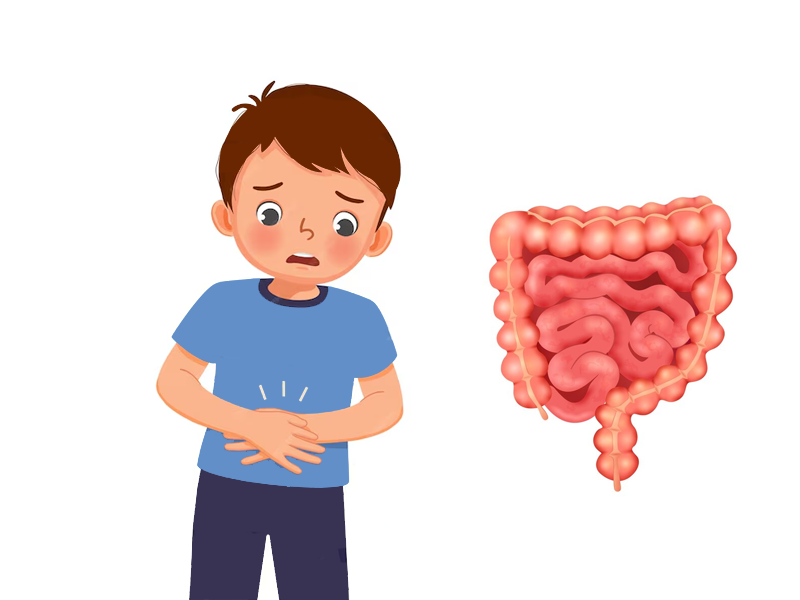
Pneumonia is an inflammatory disease of the lungs that is usually caused by bacteria, viruses, or fungi. This disease can be accompanied by problems such as cough, pain, fever, diarrhea or vomiting and anorexia. Stay with us until the end of this article in order to learn more about the causes, symptoms and treatment methods of **pneumonia in children**.
What is pneumonia? Pneumonia, also known as pneumonia, is often caused by a virus or bacterial infection. These microbes cause the air sacs in the lungs to fill with fluid (phlegm or mucus). This makes breathing difficult and causes coughing in children. Pneumonia is spread by infected people who carry the germs in droplets from their throat, nose or mouth. An infected person spreads the germs in the air by coughing. A child inhales germs by touching something or comes into direct contact with the saliva or mucous membranes of an infected person. Pneumonia often occurs in the colder months, when children spend most of their time indoors in close contact with other people. Children under two years old are more susceptible to pneumonia. ### Types of pneumonia in children
Pneumonia is an inflammatory infection of the lungs that can occur at any age, but is more common in children and infants. Pneumonia in children may occur in several ways, including:
- **Bacterial pneumonia:** This type of pneumonia is usually caused by Streptococcus pneumoniae, pneumococcus, Haemophilus influenzae type b or other groups of bacteria. - **Viral pneumonia:** This type of pneumonia may occur after a viral infection such as respiratory sinus virus, chest virus or influenza virus. - **Fungal pneumonia:** This type of pneumonia may occur following a fungal infection such as Aspergillus or Pneumocystis jirovecii. This type of pneumonia occurs more in children who have a weak immune system, especially children with AIDS. - **Unexplained pneumonia:** In some cases, the type of pneumonia is not known to have a specific cause and is known as unexplained pneumonia. Each type of pneumonia has its own signs and symptoms, and their treatment is also different. To treat pneumonia, your doctor may prescribe antibiotics, antiviral drugs, corticosteroids, or other medications. Also, home care and rest are the most important things to do. Causes of pneumonia in children
Children are prone to pneumonia caused by viruses, bacteria and other germs. Pneumonia often develops as a complication of another illness, such as the flu or a viral upper respiratory infection. The nasal and throat passages allow microorganisms to enter the airways and infect the air sacs in our lungs. Respiratory syncytial virus (RSV) is a common virus in children 5 years of age and younger who have pneumonia. Children under one year of age are at risk of developing pneumonia if they are exposed to secondhand smoke. The following conditions can increase a child's risk of pneumonia caused by microorganisms:
- Weak immune system
- Chronic health problems such as cystic fibrosis or childhood asthma
- Respiratory problems such as respiratory infections in children and lung diseases
What are the symptoms of pneumonia in children? The symptoms may be slightly different for each child depending on the cause. Generally, bacterial pneumonia occurs suddenly with the following symptoms:
- Cough with phlegm
- Chest pain
- Vomiting or diarrhea
- Anorexia
- Fatigue
- Fever
The first symptoms of viral pneumonia are similar to bacterial pneumonia. But with viral pneumonia, breathing problems develop slowly. Your child's cough may get worse and he may become wheezing. Viral pneumonia can increase a child's risk of developing bacterial pneumonia. In addition to the above symptoms, your child may experience tremors, rapid or difficult breathing, and headaches. How is pneumonia diagnosed in children? Your pediatrician can often diagnose pneumonia through a thorough medical history and physical exam. He may order the following tests to confirm the diagnosis:
- **Chest X-ray:** This test creates images of internal tissues, bones and organs. - **Blood test:** In the blood test, the amount of carbon dioxide and oxygen in the blood is measured by the arterial blood gas test. - **Sputum culture:** This test is performed on the mucus (sputum) that comes out of the lungs into the mouth. You can find out if your child has an infection or not. This is not routinely done because it is difficult to obtain a sputum sample from children. - **CT scan of the chest:** This test takes pictures of the structures of the chest. This is rarely done. - **Bronchoscopy:** This method is used to observe the airways in the lungs. This is rarely done. Treatment of pneumonia in children
The treatment of pneumonia in children is different according to the symptoms and cause of the disease. However, the treatment of pneumonia in children is done in two ways, drug and non-drug. ### Drug treatment of children's pneumonia
The most important methods of drug treatment of pneumonia in children are:
1. **Antibiotics:** Antibiotic treatment is necessary for patients with bacterial infections. The attending physician may prescribe one or more types of antibiotics based on the type of bacteria. 2. Anti-inflammatory drugs: Depending on the severity of the symptoms, the doctor may prescribe another anti-inflammatory drug such as steroids. 3. **Antivirus:** In some cases, pneumonia is caused by a virus. In this case, antivirals may be used for treatment. 4. **Painkillers:** If needed, painkillers such as Tylenol or Ibuprofen can be prescribed to the patient. ### Non-drug treatment of children's pneumonia
The most important non-drug treatment methods for pneumonia in children are:
1. **Rest:** Rest helps the patient so that his body can better manage the symptoms of pneumonia. 2. **Water:** The patient should drink a lot of water so that his body has enough water. 3. **Oxygen:** If the air outside is also dry, oxygen may be prescribed to the patient. 4. **Injection of fluids:** In some cases, the doctor may give patients intravenous fluids to speed up the recovery of pneumonia symptoms. 5. **Proper nutrition:** Certain foods such as garlic, ginger and honey may be useful as non-drug treatment for pneumonia. Prevention methods of children's pneumonia
There are very simple solutions and tips that you can follow to prevent pneumonia in your children. The most important ways to prevent pneumonia in children are:
- **Vaccination:** To prevent pneumonia, there are vaccines that are injected into children. Vaccines such as Prevnar 13 and Pneumovax 23 can protect children against many types of pneumococci. - **Hand washing:** Washing hands properly with soap and water can prevent the spread of infections and viruses. - **Avoid contact with patients:** If your child is exposed to patients with respiratory infections, it is better to avoid visiting them. - **Wearing warm clothes:** Wearing warm and suitable clothes helps the child to avoid colds and respiratory infections. - **Using a mask:** If the child is exposed to patients with respiratory infections, using a mask may be effective in reducing the possibility of infection. - **Setting the room temperature:** Setting the appropriate room temperature can help the child to prevent colds and respiratory infections. - **Strengthening the immune system:** Strengthening the child's immune system by eating healthy food and proper nutrition, exercising and getting enough rest can help reduce the possibility of pneumonia in children. - Cleanliness of the environment: Keeping the environment clean and washing children's toys and equipment can be effective in reducing the spread of infections and pneumonia in children. **last word**
Pneumonia or pneumonia in children may be dangerous and cause severe symptoms due to a weak immune system. Symptoms of pneumonia in children often include fever, cough, fatigue, chest pain, shortness of breath, rapid breathing, and changes in behavior and appetite. Although enough rest can be effective in its treatment, if you see any of these symptoms in children, it is better to visit the best pediatrician in Tehran.