

In this article, we fully explain at what age it is recommended to fill children's teeth, when is it necessary, what materials are used to restore milk teeth, and what are the advantages and disadvantages of each option so that parents can make the best decision for their child's oral and dental health with full knowledge.
What is filling children's teeth?
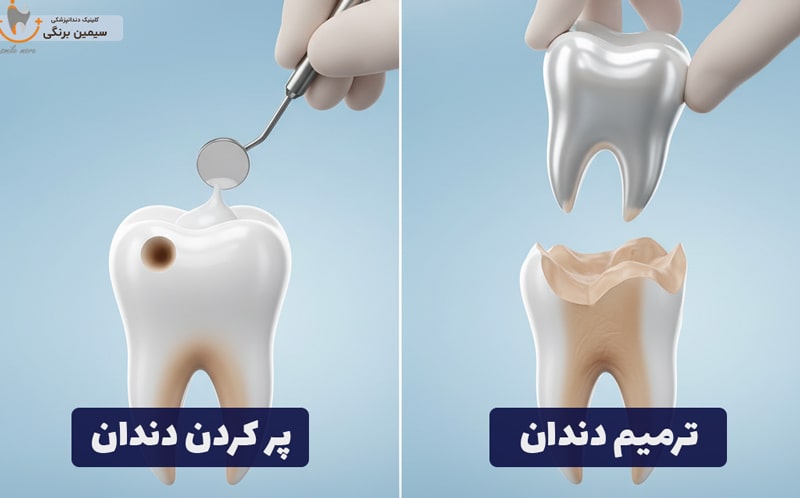
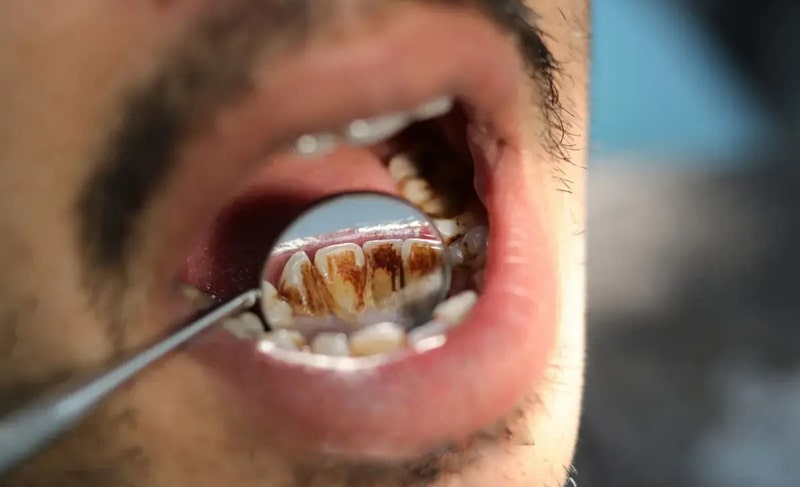
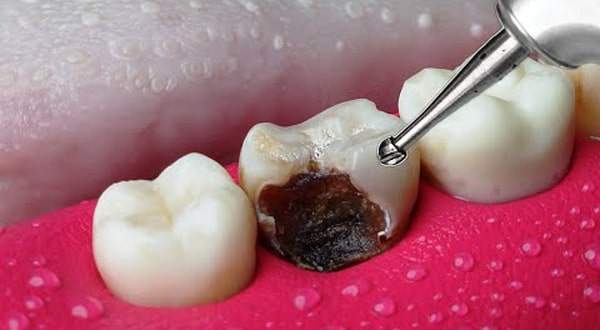
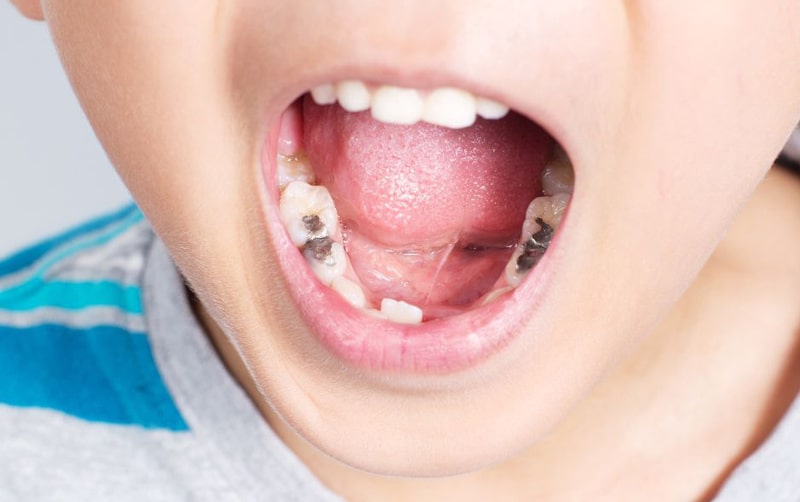
When bacteria and plaque build up in the mouth too much, they can destroy tooth enamel. Over time, this decay spreads and creates holes in the tooth called cavities. Restorative materials or dental fillings are materials that are used to fill these cavities to protect the tooth from further damage.
If a cavity is not treated and filled, it can lead to infection and more severe damage to the tooth and in some cases even affect the jawbone. For this reason, regular dental examinations for children are important; Because the dentist can detect the early signs of caries and perform the necessary treatment as soon as possible.
Read about cost of tooth filling with different materials
There are various materials for repairing and filling children's teeth. Choosing the right option depends on factors such as material durability, appearance, family budget and dentist's recommendation. To learn about different types of restorative materials suitable for children, stay with us.
From what age is tooth filling done in children?

Contrary to what many parents think, tooth filling has no specific or minimum age. Whenever a baby tooth decays, if the depth of the decay is so deep that there is a possibility of spreading, pain or infection, tooth filling is necessary; Even if the child is very small.
Normally, baby teeth start to grow from about 6 months to 3years and from that time, there is a possibility of decay. Therefore, the child may need tooth restoration from 2 to 3 years old.
2. Composite Resin Fillings
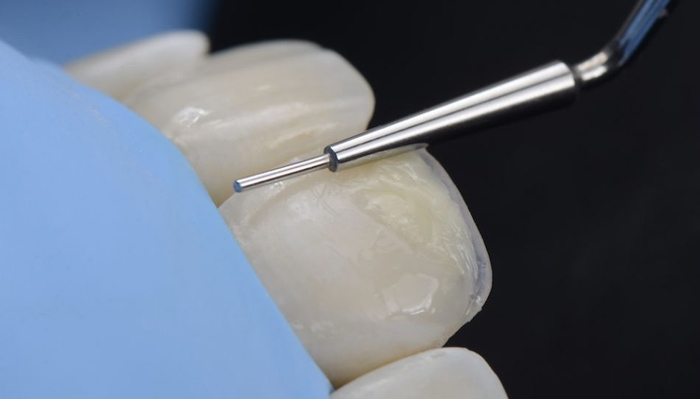
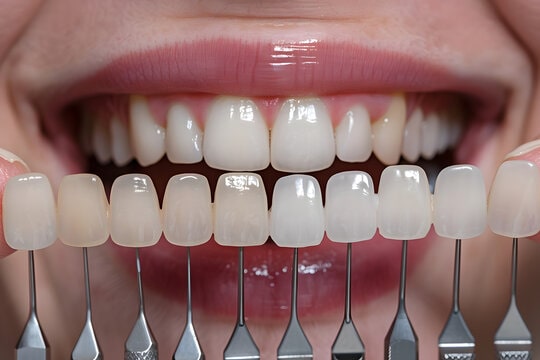
Filling with white composite material consisting of resins and acrylic powders. In addition to preventing the progress of caries, composites have very good external beauty and are coordinated with natural teeth in terms of color. About per Teeth whitening with tooth-colored white materials (composite materials) Read Ceramic fillings are usually made of porcelain. These materials are less likely to change color over time and can last about 15 years or more. However, they have a higher price than other options. This type of filling is very suitable for milk teeth and lasts about 5 years on average. Glass ionomers are an excellent option for temporary restorations in baby teeth and also help to prevent decay. In the table below, we have listed the most common materials for filling children's teeth: If a pediatric dentist has recommended fillings for your child, it is important for you as a parent to know the steps involved. By being aware of the treatment process, you can prepare your child in advance and reduce their dental anxiety. The tooth filling process is usually done in three simple steps: After tooth filling, dental sensitivity and swelling of the treated area in children are completely normal and expected. Sometimes children increase the swelling by biting their tongue or lip before the anesthesia wears off. However, this tenderness and swelling should usually only last one to two days. Long-term sensitivity may also indicate a child's need for bite correction (chewing). It is also necessary for parents to be aware of possible allergic reactions to anesthesia. The best post-treatment care for your child includes: Read more: It is better to fill teeth with amalgam or composite All children are at risk of tooth decay and cavities. Tooth decay is the second most common disease after the common cold. Bacteria on teeth produce acidic substances that destroy tooth enamel. When the enamel is lost, a cavity is created that disrupts the normal function of the tooth. Some signs indicate that your child may need a dental filling. Recognizing these symptoms helps parents to avoid serious problems. These signs are: If your child has any of these symptoms, don't wait for the condition to get worse. Seeing a pediatric dentist is necessary to reduce symptoms and restore normal tooth function Leaving a cavity untreated can cause severe oral infections, swelling and pain. In some cases, the baby tooth may even need root canal treatment to reduce the child's pain. If baby tooth decay is not treated and filled, it can cause problems for erupting permanent teeth. Children who have decayed milk teeth are more prone to problems with permanent teeth; Because the bacteria causing decay spread quickly. For this reason, cavity fillingeven in milk teeth is absolutely necessary to maintain the health of the child's mouth and teeth. Read more: Tooth filling after nerve extraction There is no one type of filling material that is definitively best for all children. It is better to consult a children's dentist and ask him to suggest the most appropriate option based on the condition of your child's teeth. Dentist may suggest different materials according to the type of caries, its location and the amount of tissue that needs to be repaired. It is also necessary to consider budget and aesthetic issues when choosing a restorative material. Choosing a specialist and experienced dentist is very important for the treatment of children's teeth, because milk teeth play an essential role not only in chewing and feeding, but also in the development of the jaw, correct speech, and the growth path of permanent teeth. Children are often stressed and afraid when visiting the dentist, and if the treatment is performed by a non-specialist, they may have a painful experience, incomplete treatment, or the decay will return, and even permanent teeth may be damaged. A skilled and experienced pediatric dentist not only provides the right treatment, but also provides a comfortable and positive experience for the child with a calm approach and low-stress methods. These specialists know the materials and techniques for children and make the best decision to preserve milk teeth and prevent future problems. In this field, Dr. Simin Rangi with high experience and accuracy, performs all kinds of children's dental services, including restoration and filling of milk teeth, denervation of teeth, steel and zirconia veneers, fluoride therapy and treatment of deep caries with high standards. His skill and patience allows the child to be treated without fear and with minimal discomfort and parents can leave their child's mouth and teeth health to him with full confidence. For more information and free consultation, contact Dr. Simin Barangi clinic: 09031233928 Filling children's teeth is an essential measure to maintain oral and dental health and prevent serious problems in the future. Contrary to what some parents think, baby teeth play an important role in chewing, speaking, correct jaw development and the way permanent teeth grow. For this reason, any decay—however small—should be treated and repaired at the appropriate time. Today, various restorative materials such as composite, glass ionomer, amalgam and ceramic are available, and choosing the best option depends on factors such as the type and severity of caries, the age of the child, the degree of cooperation and the expert advice of a pediatric dentist. Besides these things, it is also important to pay attention to the appearance of the tooth, the lifespan of the restoration, and the family budget. Early detection of caries and regular visits to the dentist not only reduce pain and prevent infection, but also help the child learn correct oral care habits from an early age. Finally, the most important thing is that parents carefully check the signs of caries, do not neglect timely treatment and, if possible, involve the child in decisions so that the dental experience is more relaxed and acceptable for him.Different types of filling materials for children's teeth
1. Amalgam fillings (Amalgam Fillings)
3. Ceramic Fillings
4. Glass Ionomer Fillings
Type of padding
Type of building materials
Safety for children
common use in children
Composite (tooth color)
combination of plastic and glass particles
Totally safe
front and back teeth
Glass-ionomer
glass and acrylic
Totally safe
Small caries, baby teeth
Silver Amalgam
A combination of metals including silver and mercury
Safe, but rarely used today
Rear teeth with deep and large caries
Ceramic
porcelain material
Safe but expensive
Older children, permanent teeth
Steps of filling teeth in a child
Numbness of teeth and surrounding tissues
First, the tooth and its surrounding areas are numbed. This makes the treatment experience painless and comfortable for the child.
At this stage, bacteria and decayed parts of the tooth are removed from the cavity. Then the tooth is completely cleaned and disinfected to avoid any residual contamination.
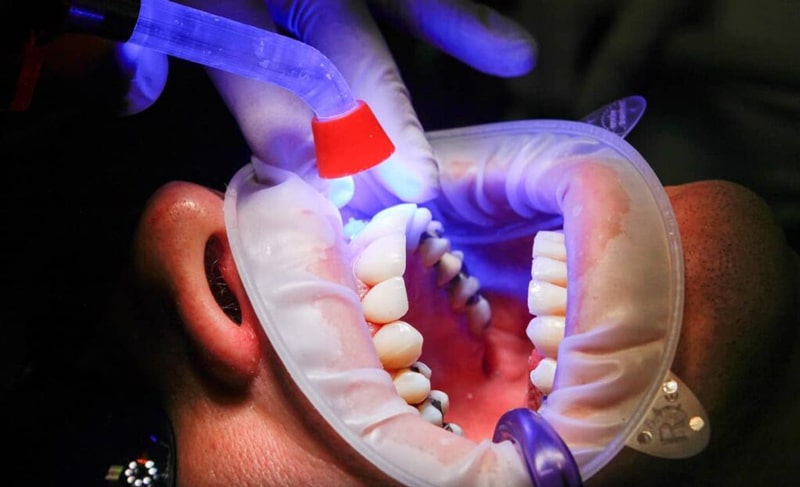
Finally, the restorative material is placed in the tooth cavity and, depending on the type of material, it becomes hard in a suitable way.Care after filling children's teeth

In any of these cases, it is best to schedule a follow-up visit with a pediatric dentist.When does a child need tooth filling?
Consequences of not treating baby tooth decay

If the baby tooth is too damaged, it can damage the permanent tooth bud before the permanent tooth grows underneath.Which type of filling is more suitable for your child?
The importance of children's tooth filling specialist

Final summary