
Table of contents
- What is auditory nerve tumor?
- What are the types of auditory nerve tumor?
- What are the symptoms of auditory nerve tumor?
- What is the cause of acoustic neuroma tumor?
- What are the aggravating factors of acoustic neuroma tumor?
- Diagnosis of nerve tumor What is hearing?
- What are the treatment methods for acoustic neuroma tumor?
- What are the complications of acoustic neuroma tumor?
- Conclusion
Auditory nerve tumor is one of the important ear problems that can affect a person's hearing and balance. This benign tumor, which usually originates from the Schwann cells of the auditory and balance nerve, grows slowly, but the resulting pressure can cause neurological symptoms and reduce quality of life. Since the exact cause of this tumor is unknown in most patients and only in some cases it is related to the genetic disorder neurofibromatosis type 2, early diagnosis is of great importance. Common symptoms include unilateral hearing loss, tinnitus, and balance disorders. The main keyword of this article is auditory nerve tumor. In this article from your doctor, you will learn about auditory nerve tumor.
What is auditory nerve tumor?
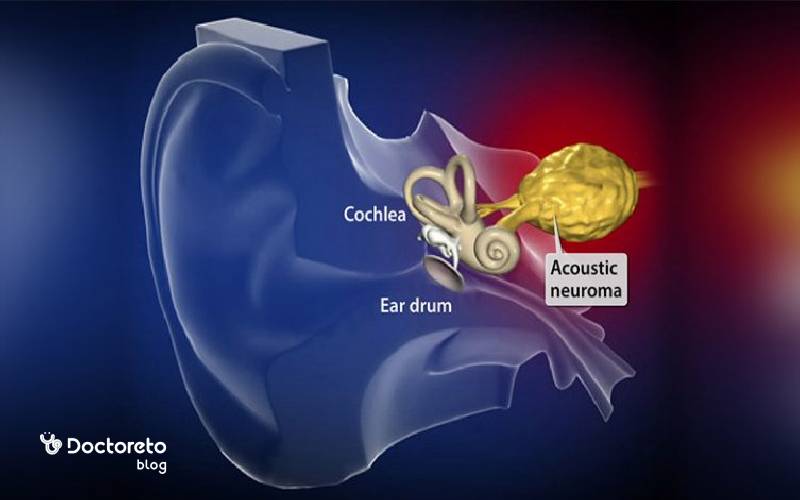
Auditory nerve tumor, known as acoustic neuroma or vestibular schwannoma, is considered one of the most important ear diseases which is a benign and non-cancerous tumor in the path of the auditory and balance nerve. This tumor originates from Schwann cells and usually has a slow growth, but with increasing size, it can put pressure on the auditory nerve, balance nerve and even the brain stem. Its common symptoms include a gradual decrease in hearing in one ear, tinnitus, ear fullness, and balance disorder. The exact cause of this disease is unknown in most cases, but in some patients it is related to the genetic disorder neurofibromatosis type 2. Early diagnosis and referral to an ear, nose and throat specialist plays an important role in controlling complications and choosing the right treatment method.
Ear tumor photo
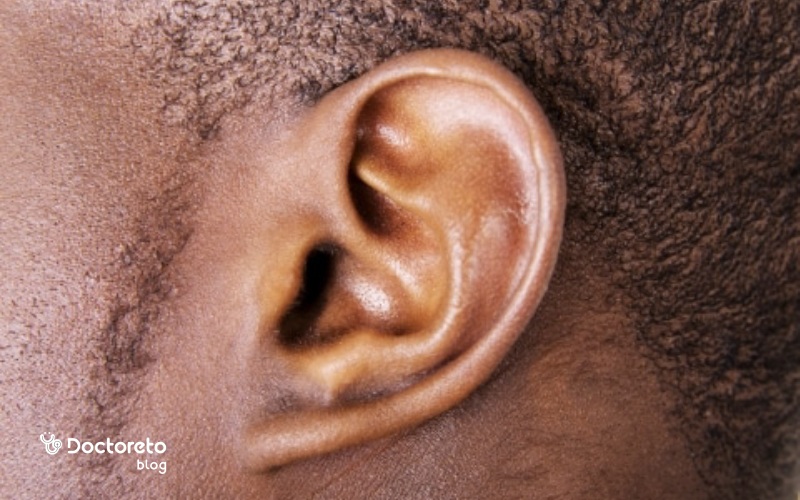
Ear tumor is the abnormal growth of cells in different parts of the outer, middle or inner ear, which can be benign or malignant. In the image of ear tumor, changes such as protrusion, mass, chronic wound, skin discoloration or swelling in the earlobe or ear canal are usually seen. The most common external ear tumors include cysts and benign skin lesions, but in rare cases, skin cancer such as basal cell carcinoma or squamous cell carcinoma may also develop in the ear region. Symptoms such as persistent pain, bloody discharge, hearing loss or enlarged mass require immediate examination by an otolaryngologist. Definitive diagnosis of ear tumor is done by clinical examination, imaging and sampling if necessary.
What are the types of auditory nerve tumor?
Auditory nerve tumor, better known as vestibular schwannoma, is a benign tumor that originates from the cells covering the balance and auditory nerve. Types of auditory nerve tumors are usually classified based on the cause, pattern of involvement, and genetic characteristics. The most common type is the sporadic form, which occurs unilaterally and does not have a specific genetic cause. Another type is the tumor associated with neurofibromatosis type 2, which has a genetic origin and is often bilateral. In rare cases, malignant nerve sheath tumors may also involve the auditory nerve area. Accurate diagnosis of the type of tumor is done with MRI and genetic tests, and the choice of treatment is determined based on the size, growth rate, and hearing status of the patient.| Tumor type | Features |
|---|---|
| Sporadic vestibular schwannoma | Most common type, unilateral, slow growing, no family history |
| Schwannoma associated with neurofibromatosis type 2 | Genetic in origin, often Bilateral, incidence at a younger age |
| Malignant nerve sheath tumor | Very rare, faster growth, possibility of invasion of surrounding tissues |
What are the symptoms of auditory nerve tumor?
Auditory nerve tumor, also known as acoustic neuroma or vestibular schwannoma, usually grows slowly and may cause few symptoms in the early stages, but as the tumor grows, hearing and balance problems become more apparent. Early detection is very important, because timely interventions can prevent permanent hearing and nerve damage. The symptoms of auditory nerve tumor are:- damaged tinnitus
- Feeling of ear fullness similar to the presence of water in the ear
- Balance disorder or instability in walking
- Dizziness or feeling of spinning around Numbness or facial numbness
- Tics, spasms or facial muscle weakness
- Dryness or abnormal tearing of the eyes and changes in the sense of taste
What is the cause of acoustic neuroma tumor?
Acoustic neuroma tumor or vestibular schwannoma is usually caused by the abnormal growth of Schwann cells in the eighth nerve (hearing and balance nerve). The exact cause is unknown in most cases, but genetic changes play an important role and in some people it is associated with neurofibromatosis type 2 (NF2) syndrome, which results in mutations in the NF2 gene and the production of the border guard protein Merklein. This mutation causes uncontrolled growth of Schwann cells and tumor formation. In addition to genetic factors, no definite environmental causes such as noise or lifestyle factors have been proven so far. Some of the causes of acoustic neuroma tumor are:
- Known environmental factors: so far there is no specific environmental reason for tumor formation
- Genetic mutation: a change in the NF2 gene that controls the growth of Schwann cells Neurofibromatosis syndrome type 2: an inherited disease that increases the risk of bilateral tumors
- Abnormal growth of Schwann cells: cells that insulate nerve fibers and under normal conditions have controlled division

What are the aggravating factors of acoustic neuroma tumor?
Acoustic neuroma aggravating factors are conditions that can increase the growth of the tumor or the severity of its symptoms. This tumor usually grows slowly, but in some genetic or environmental conditions, it may grow faster and aggravate symptoms such as hearing loss, tinnitus, and balance disorders. In the following, the most important known factors are given:- Delay in diagnosis and treatment follow-up: causes the tumor to enlarge and increase the pressure on the auditory nerve and adjacent structures of the brain. Neurofibromatosis type 2: a rare genetic disorder that increases the risk of bilateral and more rapid tumor growth. Exposure to ionizing radiation in the head and neck: especially at a young age, which has been associated with an increased risk in some studies.
- Hormonal changes such as pregnancy: may be associated with an increase in tumor growth.
Therefore, the only aggravating and underlying factor is the genetic history and inheritance of NF2, which can increase the severity and number of tumors. It is also possible that radiation with high doses, especially in the head and neck area, can cause this type of tumor.
What is the way to diagnose auditory nerve tumor?
Acoustic neuroma usually has no symptoms in the early stages. Many of its symptoms are similar to other middle ear and inner ear problems. If the doctor suspects that there is a possibility of an auditory nerve tumor, he uses the following diagnostic options:- Hearing test (audiometry): In this method, the audiologist plays sounds with different tones. You will be asked each time to indicate whether you heard the sound or not. It is also possible to say different words to check the level of hearing more accurately.
- Head imaging (MRI): tumors with a diameter of 1 to 2 mm are detected using MRI.
What are the methods of acoustic neuroma tumor treatment?
Treatment of neuroma acoustic tumor or auditory nerve tumor depends on the size of the tumor, the rate of growth, the degree of hearing loss and the general condition of the patient. This tumor is often benign and slow-growing, and in some patients only regular follow-up is required. The main goal of treatment is to prevent the tumor from getting bigger, maintain hearing function, and prevent pink nerve damage and balance problems. The main methods of treatment are:
- Active monitoring: periodic MRI to check for tumor growth in small and asymptomatic cases
- Microscopic surgery: complete or partial tumor removal in large or symptomatic tumors to reduce pressure on nerves
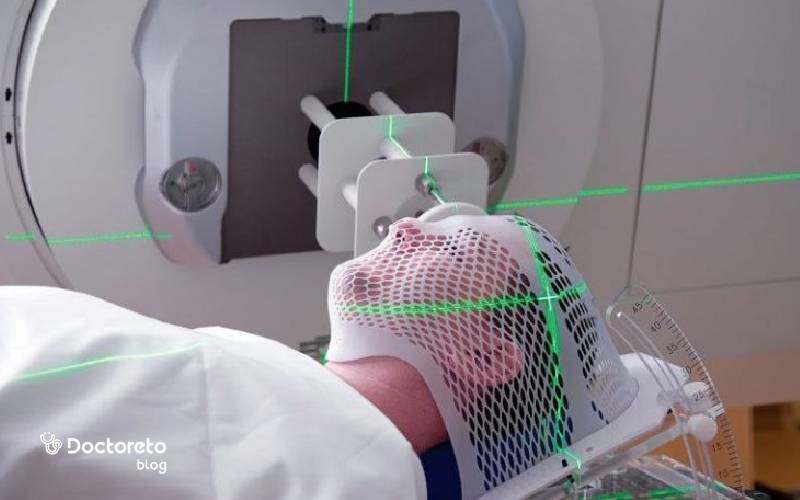
- Stereotactic radiosurgery: using focused radiation like a gamma knife to stop the growth of small to medium-sized tumors without the need for open surgery
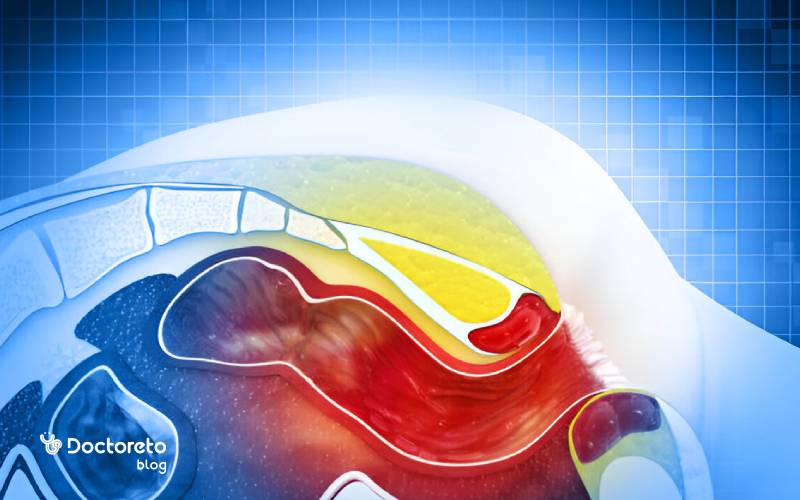
auditory-nerve-tumor surgery
Surgery for auditory nerve tumor is one of the main methods of acoustic neuroma treatment, which is performed with the aim of complete or maximum removal of the tumor and reducing the pressure on the auditory nerve and brain stem. The decision for surgery depends on factors such as the size and location of the tumor, the rate of growth, the severity of symptoms, the age of the patient and the amount of remaining hearing. This operation is performed under general anesthesia and using microscopic techniques, and different surgical routes are used depending on the patient's condition. Possible side effects include decreased or loss of hearing, weakness or temporary or permanent paralysis of the pinky nerve, impaired balance and, in rare cases, cerebrospinal fluid leakage. Advances in intraoperative neuromonitoring and more precise techniques have reduced the likelihood of damage to vital structures and improved treatment outcomes.
English text: An acoustic neuroma can occasionally return after treatment. This is thought to happen to around 1 in every 20 people who have had surgical removal. Persian translation: Acoustic neuroma may sometimes return after treatment. This is estimated to occur in about 1 in 20 patients who have undergone tumor removal surgery.
quoted from nhs
complications of acoustic neuroma surgery
The side effects of acoustic neuroma surgery depend on the size of the tumor, its location and the general condition of the patient. Since this tumor is located near the auditory nerve, pink nerve and brain stem, its surgery can be associated with neurological complications. The severity of these complications may be temporary or permanent, and post-operative care plays an important role in reducing the consequences. The most important complications of acoustic neuroma surgery include the following:
- leakage of cerebrospinal fluid (CSF) that surrounds the brain and spinal cord
- Decreased or loss of hearing
- Facial weakness or numbness
- Tinnitus
- Difficulty in maintaining balance
- Persistent headache
- Cerebrospinal fluid infection (meningitis)
- In very rare cases, stroke or cerebral hemorrhage
What are the complications of acoustic neuroma tumor?
Symptoms of acoustic neuroma tumor are usually caused by the gradual growth of the tumor and its pressure on the auditory nerve, balance nerve and adjacent structures of the brain. This tumor is benign, but if it grows, it can disrupt nerve function and affect a person's quality of life. The severity of complications depends on the size of the tumor and the time of diagnosis. In the following, the most important possible complications of this disease are given:
- Progressive hearing loss in one ear: the most common symptom, usually progressive
- Tinnitus: hearing a ringing or whistling sound in the affected ear
- Balance disorder and vertigo: It is caused by balance nerve involvement Numbness or facial weakness: in case of pressure on the pink nerve or trigeminal nerve
- Increased intracranial pressure: in large tumors, which can cause headache, nausea, and in severe cases, serious neurological complications
Conclusion
The auditory nerve tumor, although it is non-cancerous, can put pressure on the auditory nerve, the balance nerve and the structures around the brain and cause hearing loss, tinnitus and balance disorder. Timely diagnosis using hearing test and MRI plays an important role in controlling complications, and its treatment varies depending on the size and speed of tumor growth. Options include periodic monitoring, microscopic surgery, and radiosurgery. Understanding the symptoms and regular follow-up can prevent permanent hearing damage and neurological disorders and improve the quality of life of patients with acoustic neuroma.
Your doctor takes care of your health!