مقاله تخصصی
A few days after the nerve
2 months ago
766 بازدید

Dr. Mehrzad Zare
MarvdashtSurgeon - Dentist
Root canal treatment is one of the most common dental treatments to save damaged teeth, but the question many patients ask after this treatment is: "How many days should we cover the tooth after root canal treatment?" The proper timing for the installation of dental veneers after denervation plays an important role in the success of treatment and maintaining dental health. This article comprehensively examines the time of post-nervation dressing, the reasons for its importance, methods of preventing problems, and related points so that patients can make a fully informed decision.
Anchor links
>
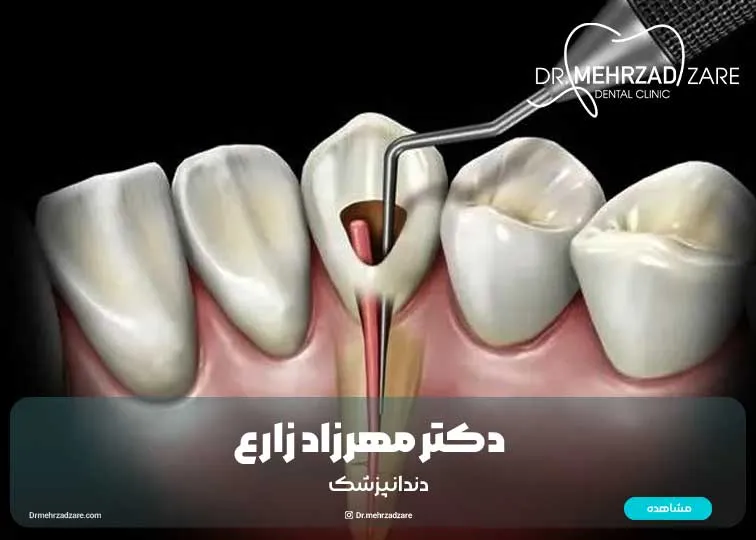
**Nerve removal** (Root Canal Therapy) is a process during which infected or damaged dental pulp (including nerve and blood vessels) is drained, cleaned and filled. This treatment is usually performed on teeth that have been seriously damaged due to deep decay, trauma, or infection. After denervation, the tooth becomes more fragile because the living pulp that helped nourish and strengthen the tooth is no longer present. **Dental Crown** is an artificial cap that is placed on the tooth to strengthen its structure, prevent breakage, and give it a natural appearance. Veneers are usually made of materials such as ceramic, porcelain, or metal and are designed specifically for each patient. ### **Why is a wrap necessary after denervation?**
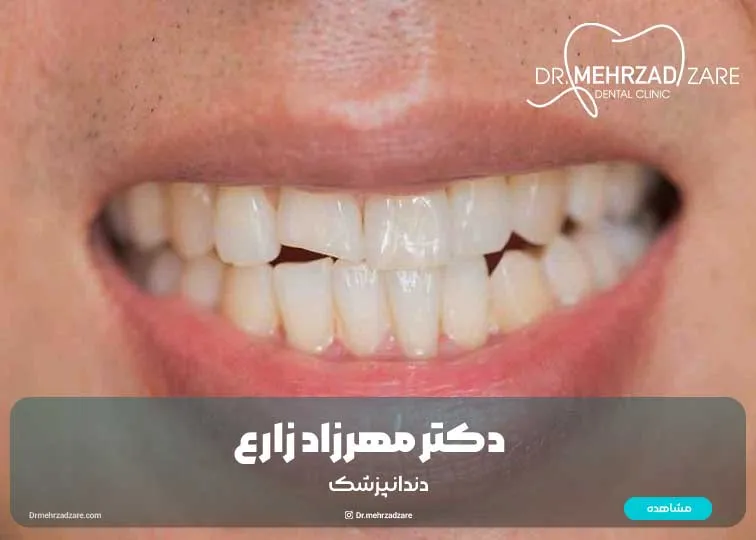
A denervated tooth becomes weak and brittle due to the loss of inner pulp. The main reasons for the need for veneers after denervation are:
- **Protection of tooth structure**: denervated tooth is vulnerable to chewing pressure and may crack or break. **Preventing re-infection**: The coating acts as a protective barrier and prevents bacteria from penetrating into the tooth. - **improving the appearance of the teeth**: nerve extraction may change the color of the teeth. The veneer can restore the natural and beautiful appearance of the tooth. - **Increasing the lifespan of the tooth**: The coating makes the denervated tooth last for years. ### **How many days after nerve extraction should we cover?**
The appropriate time to place a crown after denervation depends on several factors, including the severity of the treatment, the condition of the tooth, and the dentist's recommendation. In general:
- **Posterior teeth (molars and premolars)**: These teeth, which are used for chewing, should be covered as soon as possible (usually **1 to 2 weeks** after denervation), because they bear a lot of pressure. - **Front teeth**: In cases where the front tooth is denervated and slightly damaged, the veneer may be delayed or even not necessary. But if the tooth is weak, usually **2 to 4 weeks** after denervation, the veneer is done. - **Temporary status**: After nerve extraction, the dentist usually places a temporary filling or crown to protect the tooth until the permanent crown is installed. The dentist determines the exact time by examining factors such as the amount of remaining tooth structure, gum health, and the presence of inflammation. Excessive delay (more than **4 to 6 weeks**) can increase the risk of tooth fracture. ###
To prevent damage to the denervated tooth until the crown is installed, it is necessary to observe the following points:
#### **1. Following a proper diet**
Avoid chewing hard, sticky, or crunchy foods such as nuts, candy, or ice. Instead, eat soft foods such as soups, purees, and yogurt. #### **2. Maintaining oral and dental hygiene**
- Brushing gently and using **floss** to prevent plaque accumulation. - Rinsing the mouth with salt water solution (a teaspoon of salt in a glass of warm water) to reduce inflammation. - Avoiding strong mouth washing that may displace the temporary filler. #### **3. Avoiding pressure on the teeth**
Avoid chewing on the side of the denervated tooth to avoid cracking or breaking it. #### **4. Regular visits to the dentist**
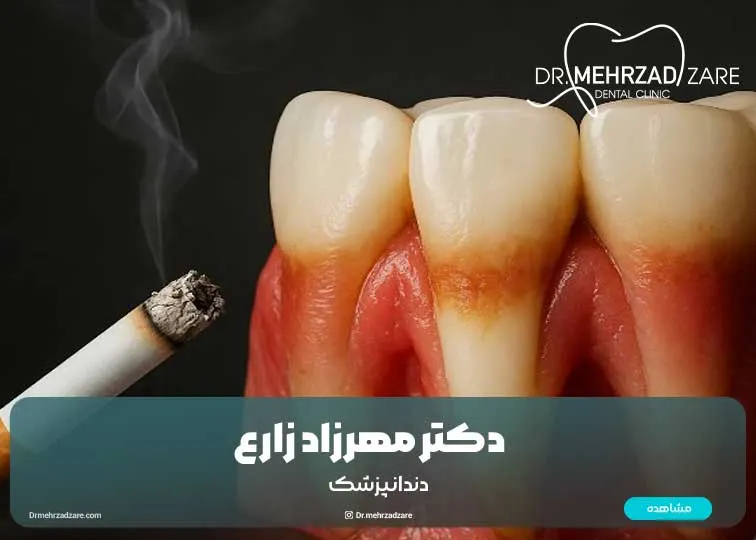
Visit the dentist regularly to ensure the health of the teeth and check the temporary filling. #### **5. Avoid smoking and alcohol**
Smoking and alcohol can slow the healing process and increase the risk of infection. ### **Alternative treatments and methods for tooth protection**
In some cases, alternative methods may be used instead of or in addition to permanent veneers:
#### **1. Permanent fillers**
In cases where the damage to the tooth is minimal, the dentist may use high-quality composite filling materials instead of veneers. This method is suitable for front teeth that bear less pressure. #### **2. this or that **
Inlays/Onlays are ceramic or resin structures that cover part of a tooth and can replace a veneer, especially if the tooth still has enough strength. #### **3. Jaw relaxation exercises**
To reduce pressure on the denervated tooth, performing gentle jaw exercises such as slowly opening and closing the mouth can help improve blood flow and reduce tension. #### **4. Complementary therapies**
**Meditation and deep breathing**: These techniques can help reduce stress and anxiety associated with dental treatments. - **Consumption of calcium and vitamin D supplements**: These supplements help to strengthen the jaw bone and the overall health of the mouth. ### **Additional tips for tooth preparation for veneers**
- **Management of pain and inflammation**: If you have pain or swelling after nerve extraction, use a cold compress for the first 24 hours and take medications prescribed by the dentist. - **Consultation with the dentist about the type of veneer**: Porcelain, ceramic, or metal veneers each have their own advantages and disadvantages. Talk to your dentist about the best option. - **Financial planning**: The cost of the cover may be high. Discuss insurance coverage or payment options with the clinic in advance. ### **Conclusion**
Proper timing for dental veneers after nerve extraction plays a key role in maintaining the health and durability of the tooth. In general, it is recommended to install a veneer **1 to 4 weeks** after denervation, but this time depends on the condition of the tooth and the dentist's recommendation. By following prevention tips such as a proper diet, maintaining oral hygiene, and avoiding pressure on the teeth, you can prevent tooth damage. Also, alternative methods such as inlays or permanent fillers can be suitable options in some cases. Working closely with the dentist and following his instructions is the key to success in this process. ### **