

Many people think that bleaching is the only solution when they see dark or yellow teeth; While sometimes the problem is only the existence of surface crimes. If you are also facing this problem and are looking for effective solutions to remove dental plaque, dental scaling can be a suitable option for you. In this article, you can check the differences between teeth scaling and bleaching completely together.
Read more» If you want to get information about the services and teeth scaling cost in Mashhad by Dr. Najmeh Dartahvildarnejad, click on the given link.
What is teeth whitening?

Read More» If you are looking for methods to scaling teeth at home, you can check out home remedies by reading the linked article. However, for optimal and safe results, it is suggested that this treatment be performed under the supervision of a dentist.
What is teeth bleaching?
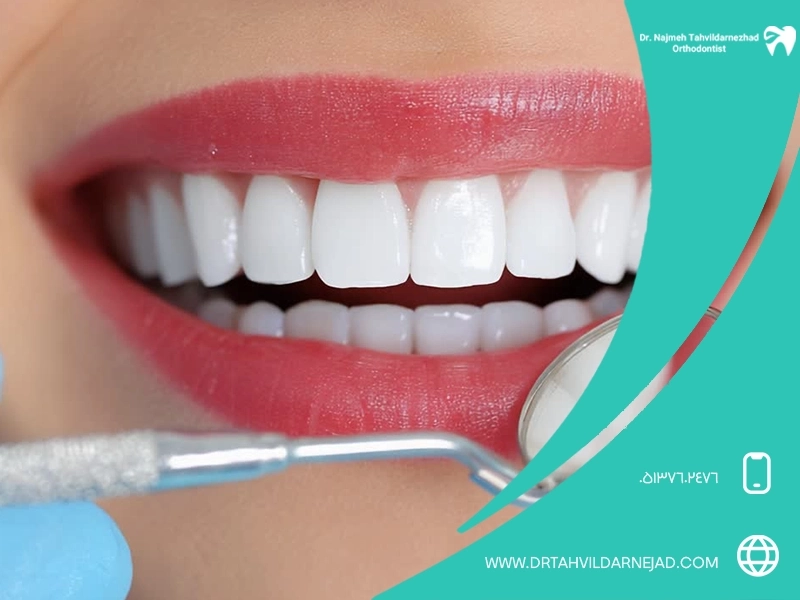
Tooth bleaching is a non-invasive cosmetic method to brighten the natural color of teeth, which is performed using gels containing hydrogen peroxide or carbamide peroxide. These substances penetrate the layers of enamel and dentin and break down the dark pigments. Bleaching has no effect on tartar or plaque and only corrects the internal discoloration of the tooth. This method is very effective for people who have darkened due to coffee, tea, smoking or aging.
Comparison of treatment steps in scaling and bleaching
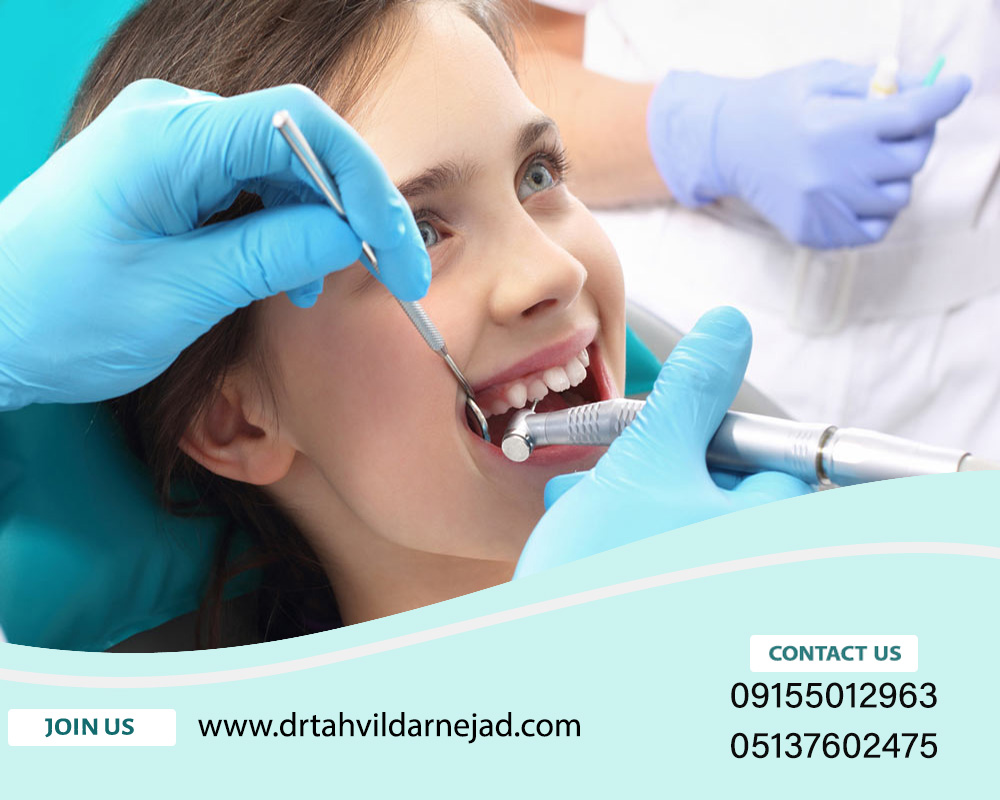
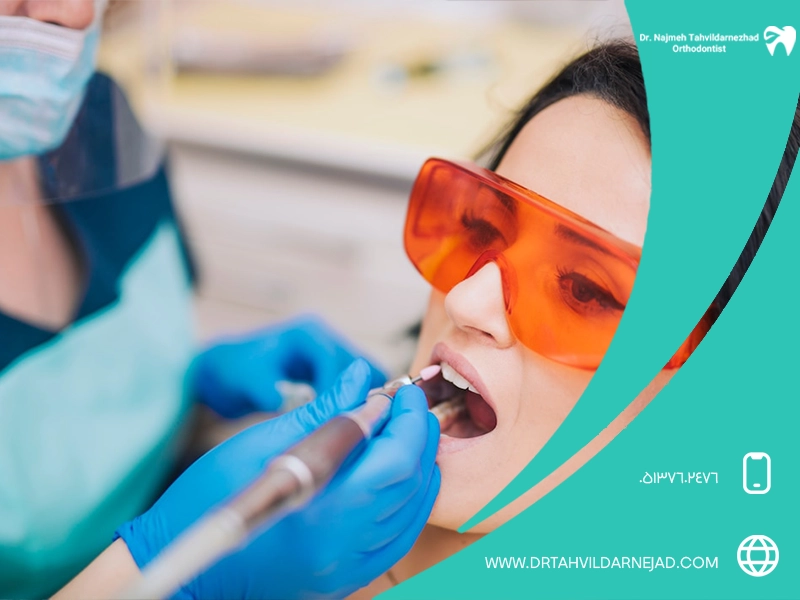
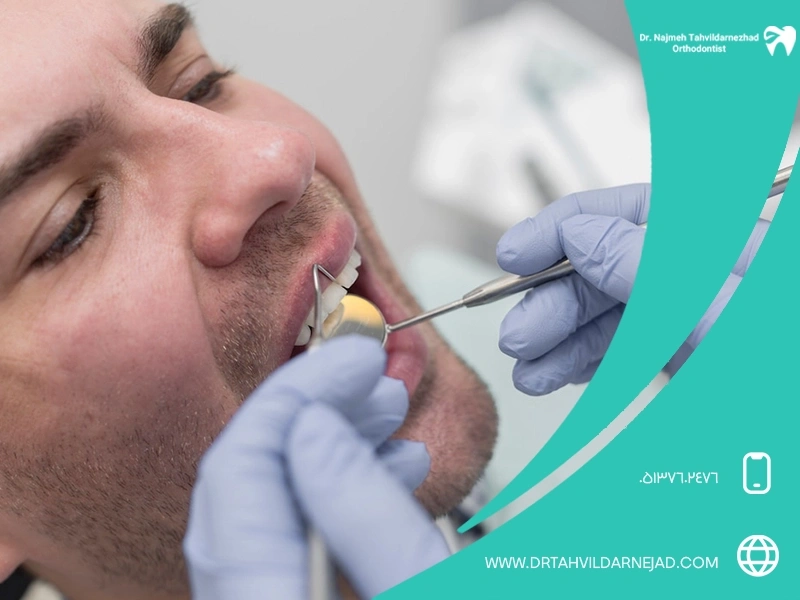
In scaling, the teeth and gums are first examined, then hard scales and plaques are removed with an ultrasonic device, and finally the surface of the tooth is polished. In contrast, bleaching is started by protecting the gums, then the whitening gel is placed on the teeth and activated by light or laser. Scaling is a therapeutic treatment, but bleaching is considered a targeted beauty process.
Read more» If you are interested in getting to know the exact differences between gum and tooth scaling and checking the advantages and disadvantages of each of these methods, we suggest you click on the link.
The difference between bleaching and scaling in terms of the treatment goal

The main goal of scaling is maintaining the health of the gums, preventing Diseases Periodontal and removal of harmful bacteria. While bleaching is done only for the purpose of beautifying and making the teeth whiter. Scaling may make teeth look a little brighter, but it doesn't cause an actual discoloration. Bleaching directly targets the inner color of the tooth and its effect is completely external.
The difference between the tools used in scaling and bleaching
Ultrasonic devices, manual scale removers and polishing tools are used in descaling, which have a mechanical function. But in bleaching, chemical whitening gels, gum protection, and optical or laser devices are used. Therefore, they are physical scaling tools and chemical and optical bleaching tools.
Comparison of the duration of each session
The duration of scaling depends on the amount of deposits and the condition of the gums and usually varies between 30 and 60 minutes. In cases of severe inflammation or subgingival masses, more time may be required. Teeth bleaching is more time-consuming due to the steps of protecting the gums, placing the whitening gel and activating it with light or laser and usually takes between 45 and 90 minutes. This time is mostly due to the need for the gradual penetration of whitening materials into the tooth structure.
Check the effect of each method
Cleansing has a direct effect on the health of the mouth and gums, and by removing bacteria, it prevents inflammation, bleeding, and bad breath. This treatment is mostly preventive and curative. On the other hand, tooth bleaching has a beautiful effect and makes the smile a few degrees whiter by brightening the inner color of the tooth. Bleaching does not make the gums healthy and does not remove the plaque, that is why these two methods are complementary to each other.
Check the number of referral sessions
Cumming is usually done in one full session, except in cases of severe gum disease that may require more sessions. Depending on the degree of darkening and the selected method, teeth bleaching may be done in one clinical session or during two to three supplementary sessions. In home methods, the treatment continues for several weeks until the desired result is achieved.
Know more" Introducing the types and uses of mouthwash
Investigating the similarities between scaling and teeth bleaching

Both methods are non-invasive, safe and do not require surgery and are performed in the dental office. Both improve the appearance of the smile and increase the patient's self-confidence. Also, before bleaching, scaling is often recommended so that the whitening result is more uniform and lasting.
criminalization or bleaching; Which is better?
The choice between scaling and bleaching depends on the cause of tooth discoloration. If the darkness is caused by scale and surface plaque, scaling is sufficient. But if the tooth color is naturally dark or due to the use of dyes, bleaching is a more effective option. In many cases, combining these two methods produces the best results.
Do scaling and bleaching damage tooth enamel?
If done properly and with standard materials, neither scaling nor bleaching will damage the tooth enamel. For more information, see the article Does scaling damage tooth enamel? read the A temporary sensitivity to cold or heat may occur after the treatment, which usually resolves within a few days. Following the dentist's instructions and using anti-allergic toothpastes will help reduce these complications.
Final word
Scaling and bleaching are both effective methods but with completely different applications. Scaling focuses on gum health and plaque removal, while bleaching is used to whiten the inner color of teeth. Choosing the right method depends on the cause of the tooth discoloration, the condition of the gums and your goal of the treatment. With the advice of a dentist, you can choose the best option and maintain both oral health and the beauty of your smile at the same time.
Frequently asked questions about the difference between dental scaling and bleaching
Does dental scaling make teeth whiter?
Teeth scaling does not directly change the color of the teeth, but the teeth may appear a little lighter after the plaque and tartar have been removed. Scaling is mainly to clean the teeth and gums of bacteria and deposits, not to change the internal color of the teeth.
Does teeth bleaching damage tooth enamel?
If done correctly and with standard materials, bleaching does not damage tooth enamel. Temporary sensitivity may occur after treatment, which usually resolves within a few days. This sensitivity is usually reduced by following the dentist's instructions and using anti-allergic toothpastes.
How long does it take for teeth bleaching to work?
Bleaching results are usually visible after one or more treatment sessions. This treatment can be done in the dental office or with home methods. The results in the home method may be obtained gradually within a few weeks, but in the clinical methods, more immediate results can be seen.
Should I use special materials for teeth care after bleaching?
Yes, after bleaching you should use anti-allergic toothpastes and avoid food and drinks that cause color such as coffee, tea and cigarettes. This helps to maintain the results of whitening and prevents problems such as tooth sensitivity.
Can I do scaling and bleaching at the same time?
Yes, a combination of descaling and bleaching usually gives the best results. First, scaling is done to improve oral health and remove plaques and surface deposits, then bleaching is done to whiten the inner color of the teeth. This combination makes the bleaching results more uniform and lasting.