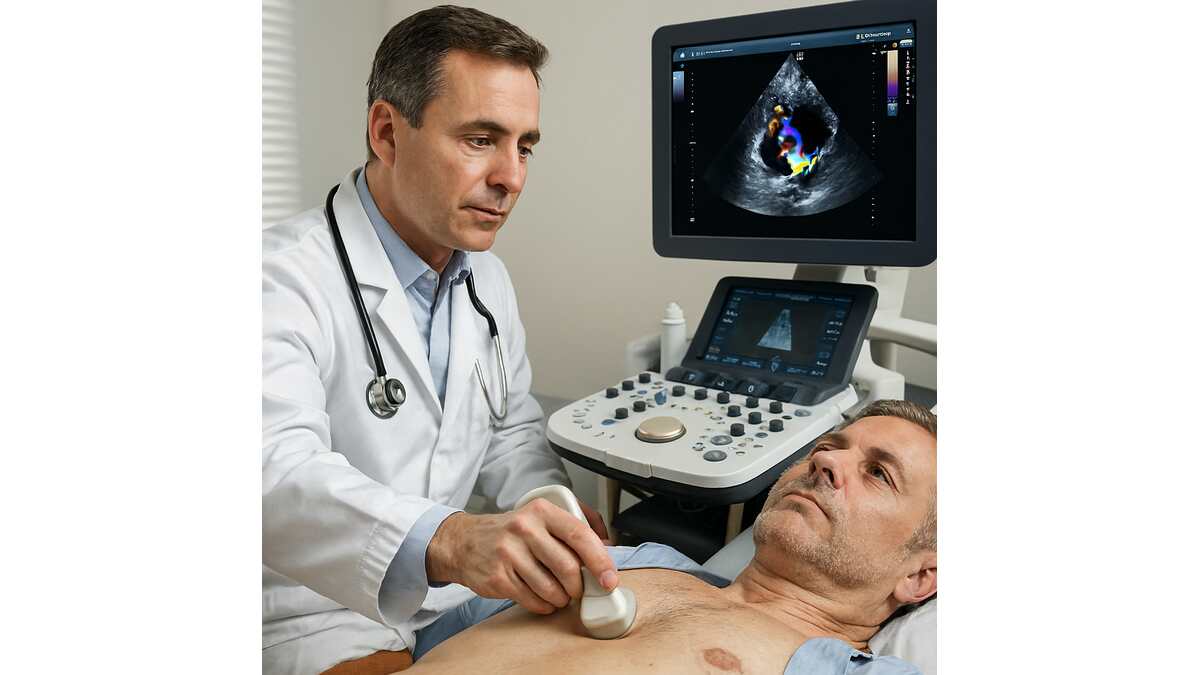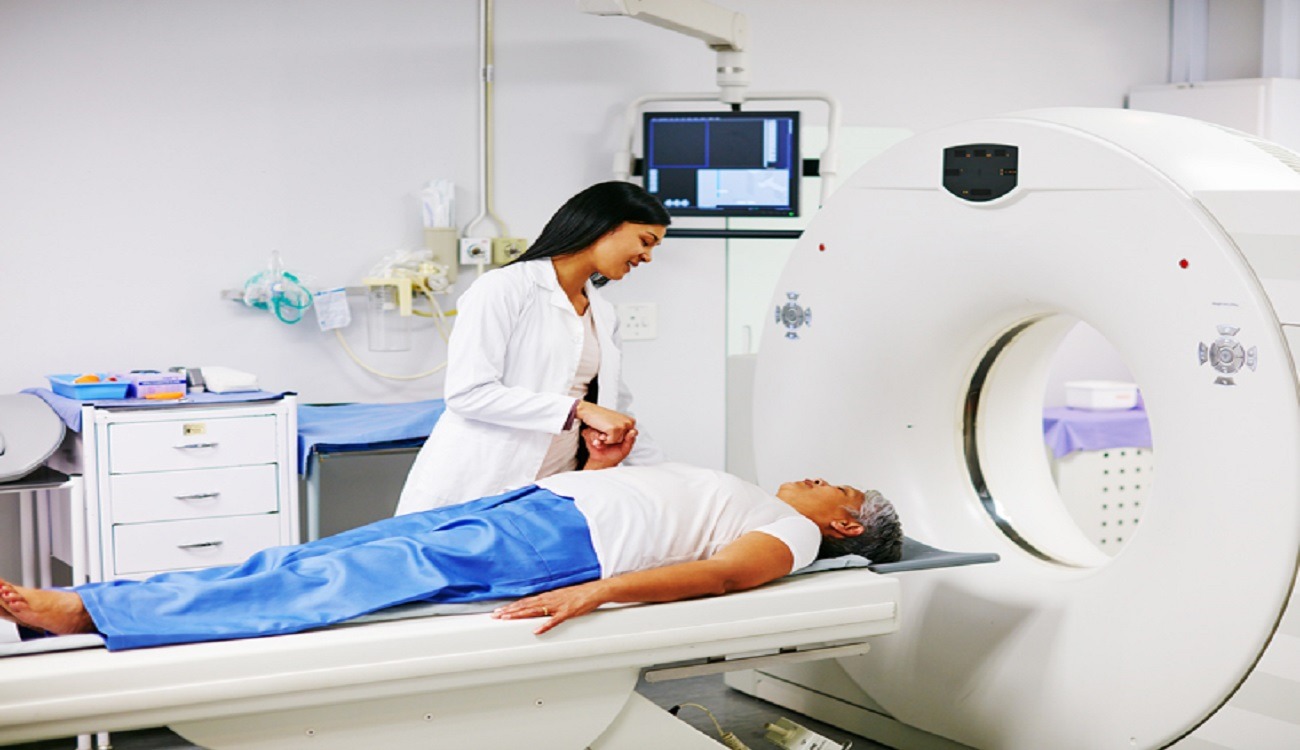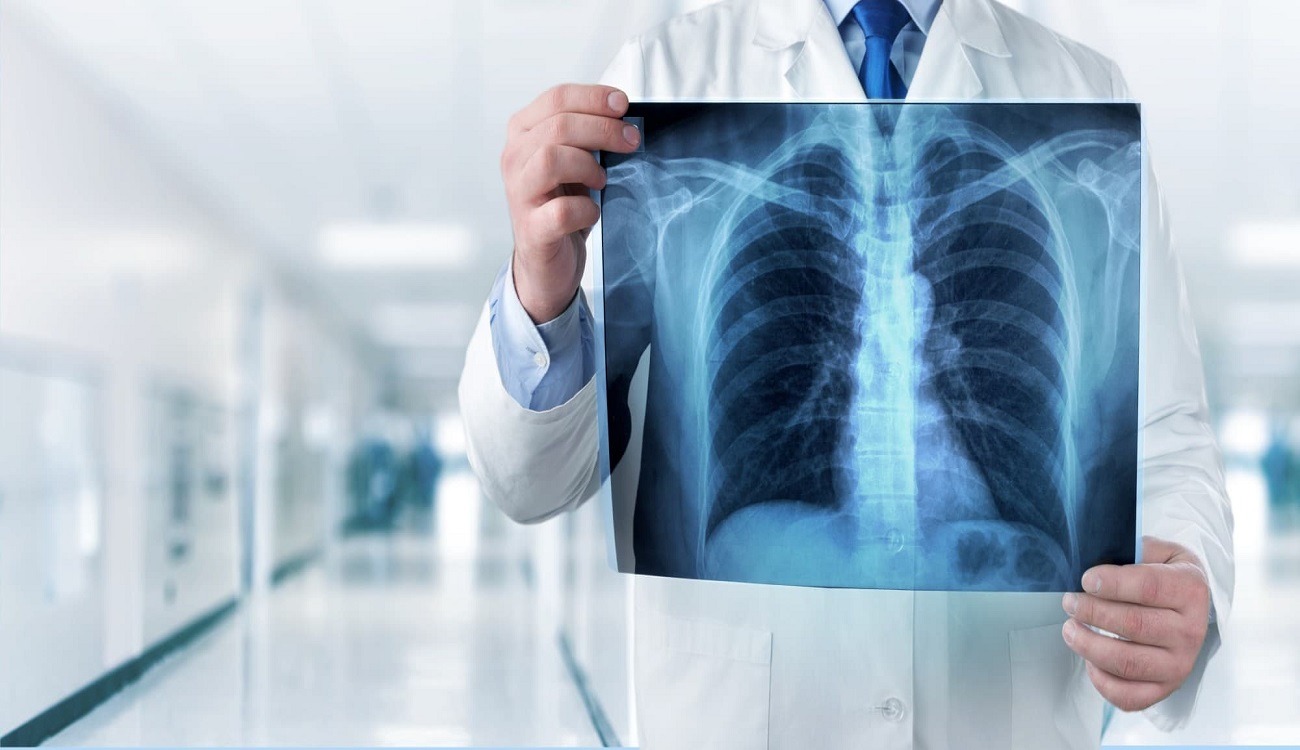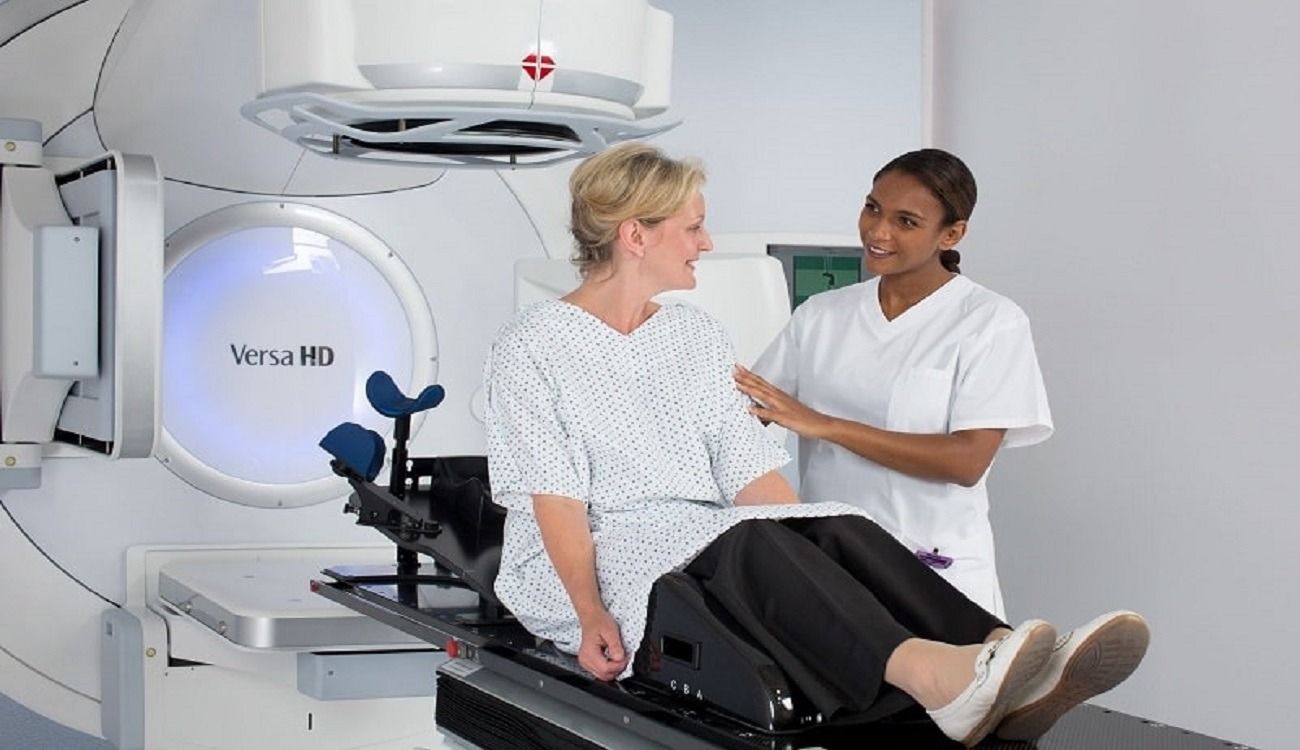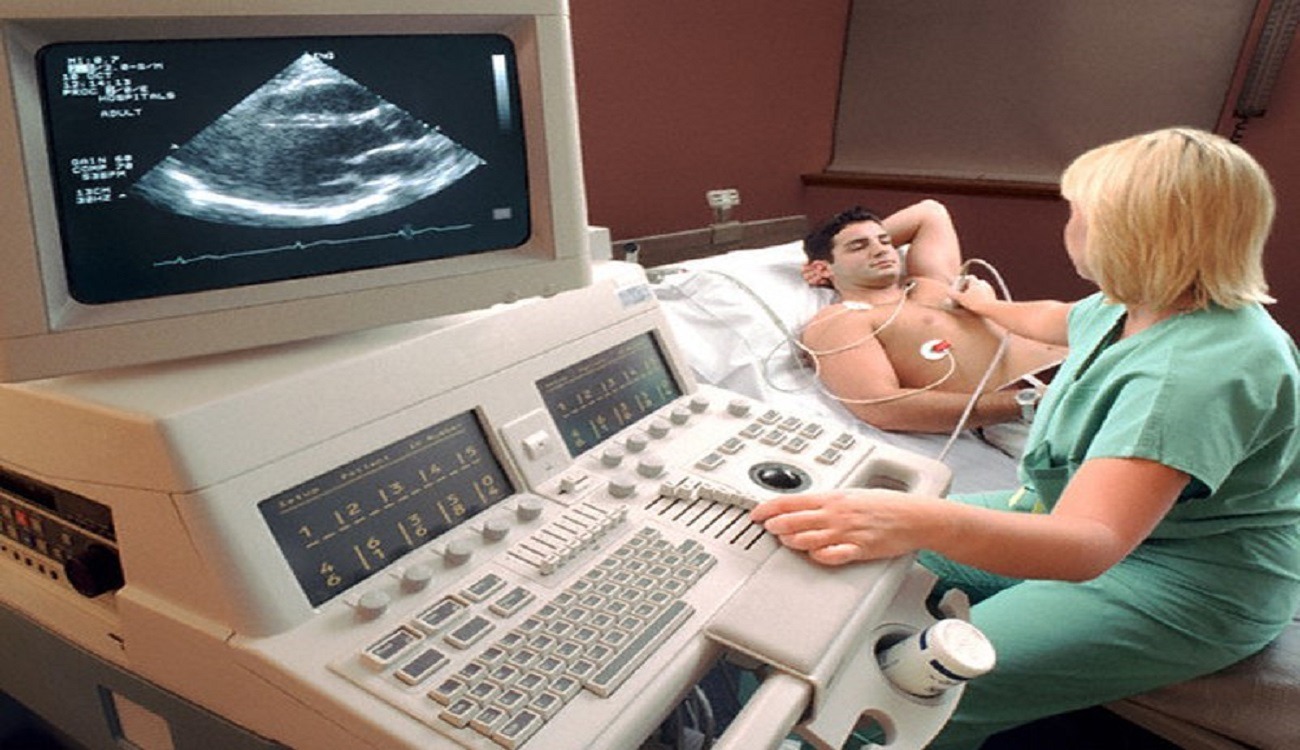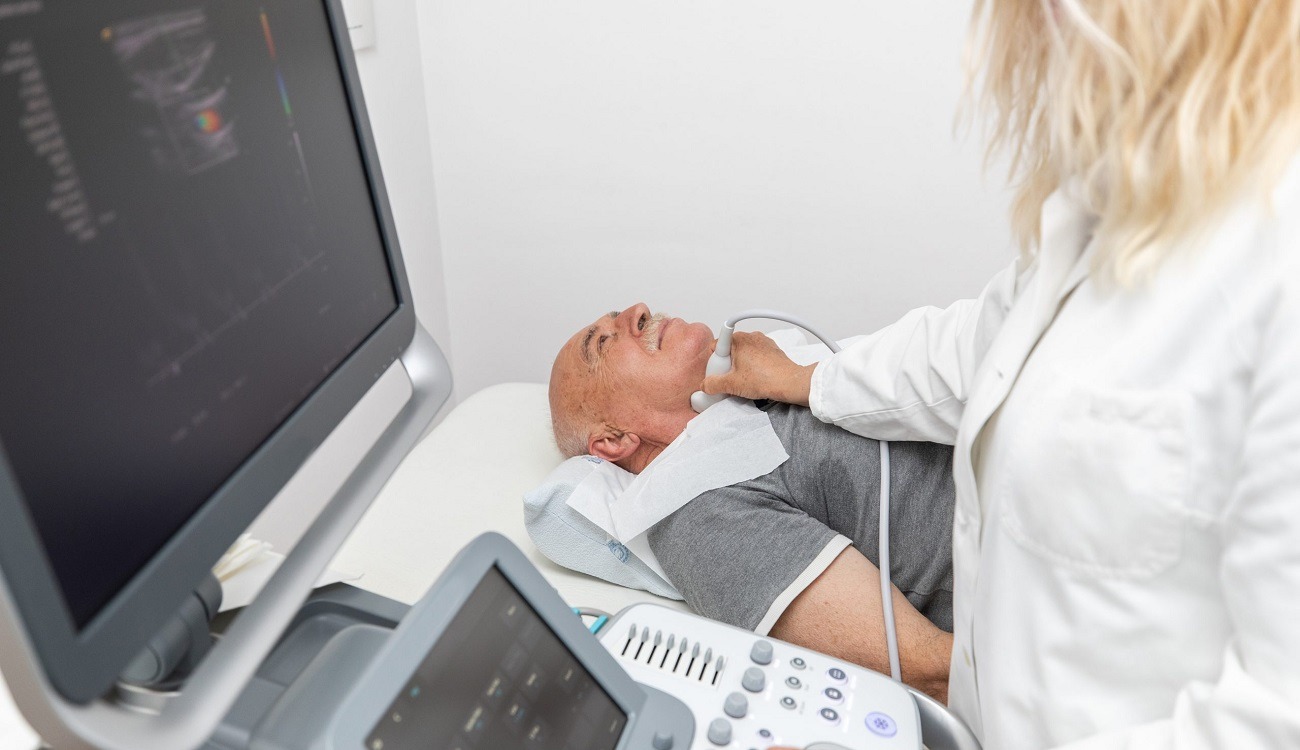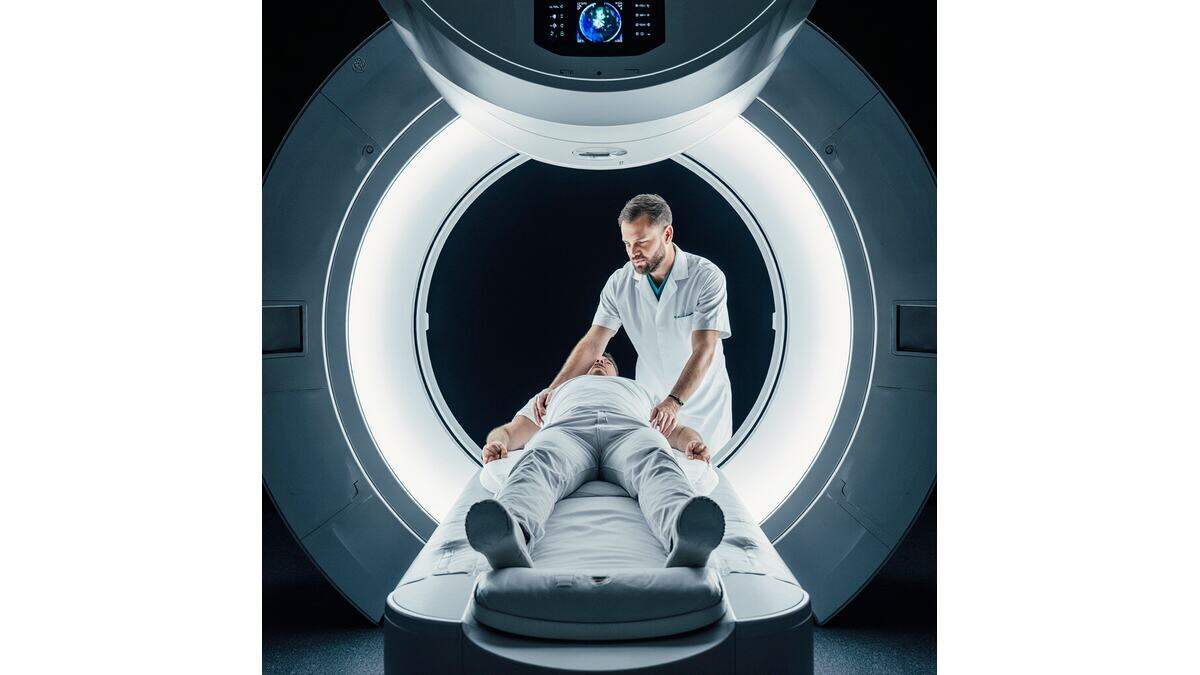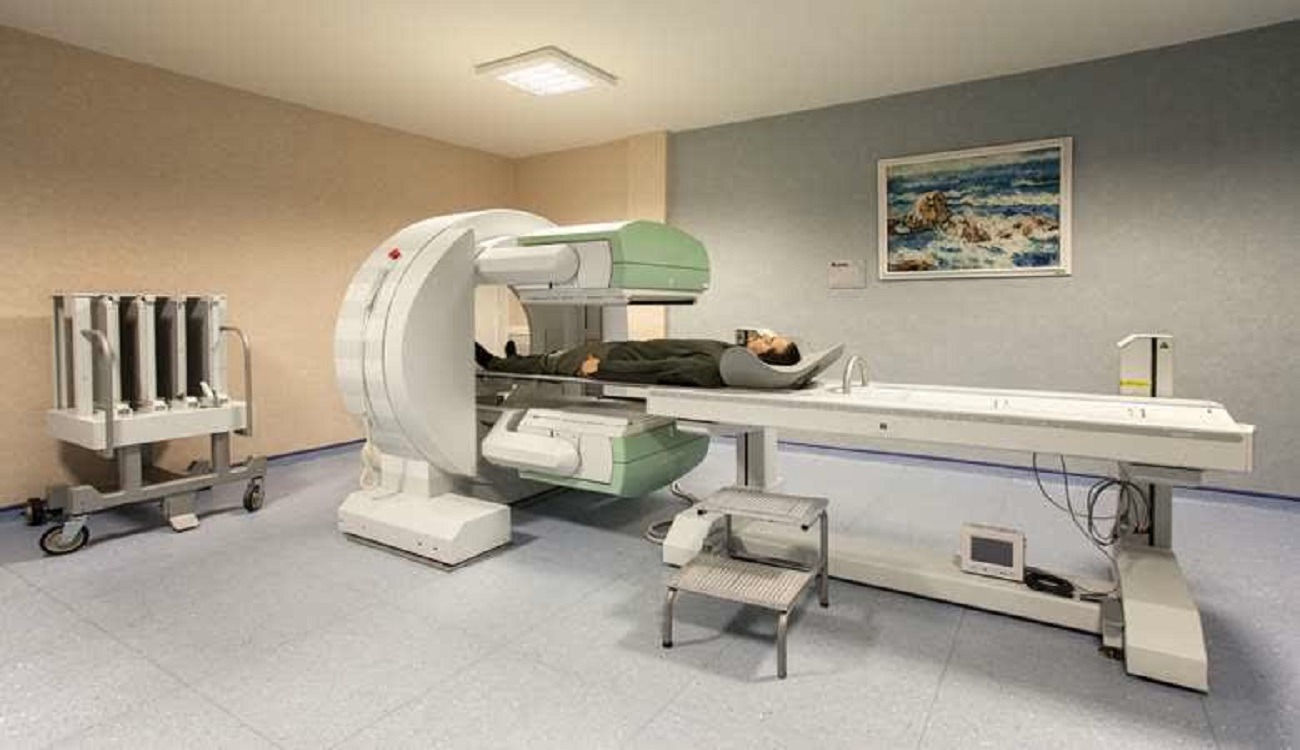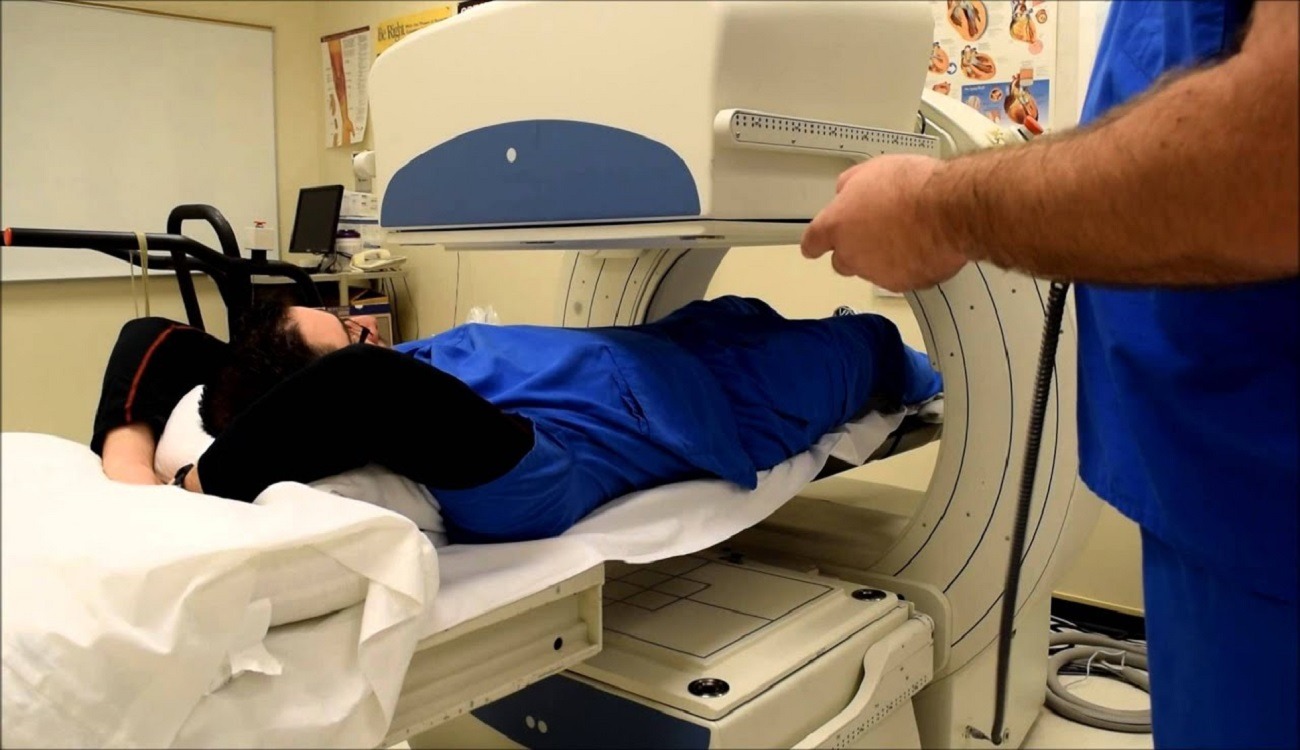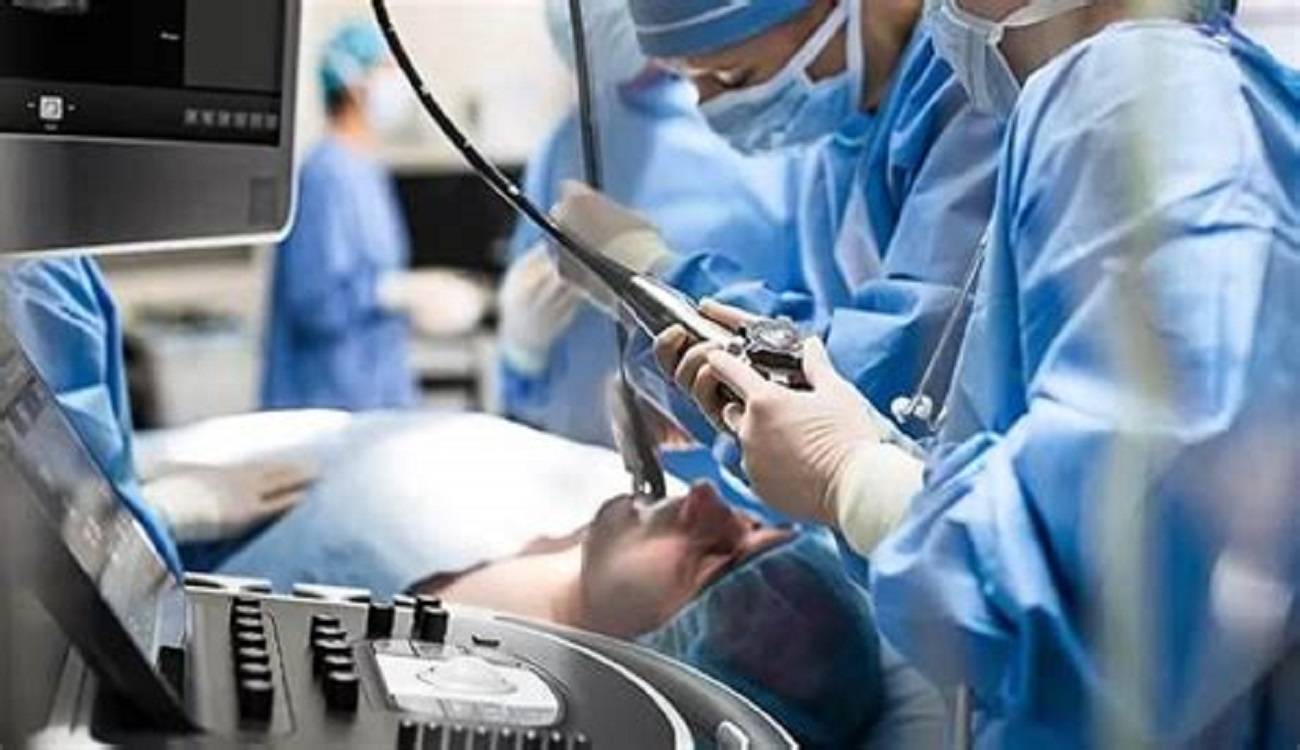

nuclear scan is one of the most accurate and advanced medical imaging methods that helps doctors to check the function of different body organs such as heart, kidney, bones and thyroid. This method is based on the use of safe radioactive materials that enter the body after injection or inhalation and produce high-detail images of tissues and organs.
But one of the important concerns among patients, especially kidney patients and pregnant, is whether nuclear scanning is safe for them or can there be any risks? In this article, we will look at this subject from a scientific and specialized point of view in order to know under what conditions this type of imaging is allowed or prohibited for kidney patients and pregnant women.
Table of contents
- 1 Getting to know the concept of nuclear scanning
- 2 Why the issue of patients Are kidneys and pregnant women important in nuclear scanning?
- 3 2. Safety tips for kidney patients before nuclear scan
- 3.1 Can kidney patients do nuclear scan?
- 3.2 Possible risks for kidney patients
- 3.3 Where is the best clinic for nuclear scanning of renal and pregnant patients?
- 3.4 Nuclear scanning in pregnant women
- 3.5 Why is pregnancy a limiting factor in nuclear scanning?
- 3.6 The doctor's decision to perform a scan in pregnant women
- 3.7 Essential points for pregnant women before performing a scan Nuclear
- 3.8 Possible complications for pregnant women
- 3.9 Nuclear scan in nursing mothers
- 3.10 Alternative methods of nuclear scanning for renal and pregnant patients
- 3.10.1 Comparative table of safety of nuclear scanning for renal and pregnant patients
- 3.10.2 Final recommendations for renal and pregnant patients
- 3.10.3 Can nuclear scanning be harmful for renal and pregnant patients?
- 3.10.4 How can nuclear scanning affect the performance of renal and pregnant patients?
- 3.10.5 Are all types of nuclear scanning safe for renal and pregnant patients?
- 3.10.6 Is a nuclear scan necessary for renal patients?
- 3.11 Can renal patients undergo a nuclear scan?
- 3.12 Can pregnant women do nuclear scanning?
- 3.13 Is it safe to use radioactive material in nuclear scanning for kidney patients?
- 3.14 When is nuclear scanning suitable for kidney patients?
- 3.15 Does nuclear scanning have a negative effect on the health of the fetus?
- 3.16 Does Should pregnant patients receive medical advice before nuclear scanning?
- 3.17 Is nuclear scanning safe to evaluate kidney function?
- 3.18 Should renal patients fast before the scan? Nuclear?
- 3.19 Can nuclear scan replace other tests for kidney patients?
- 3.20 Should drugs be stopped before nuclear scan?
Getting to know the concept of nuclear scanning
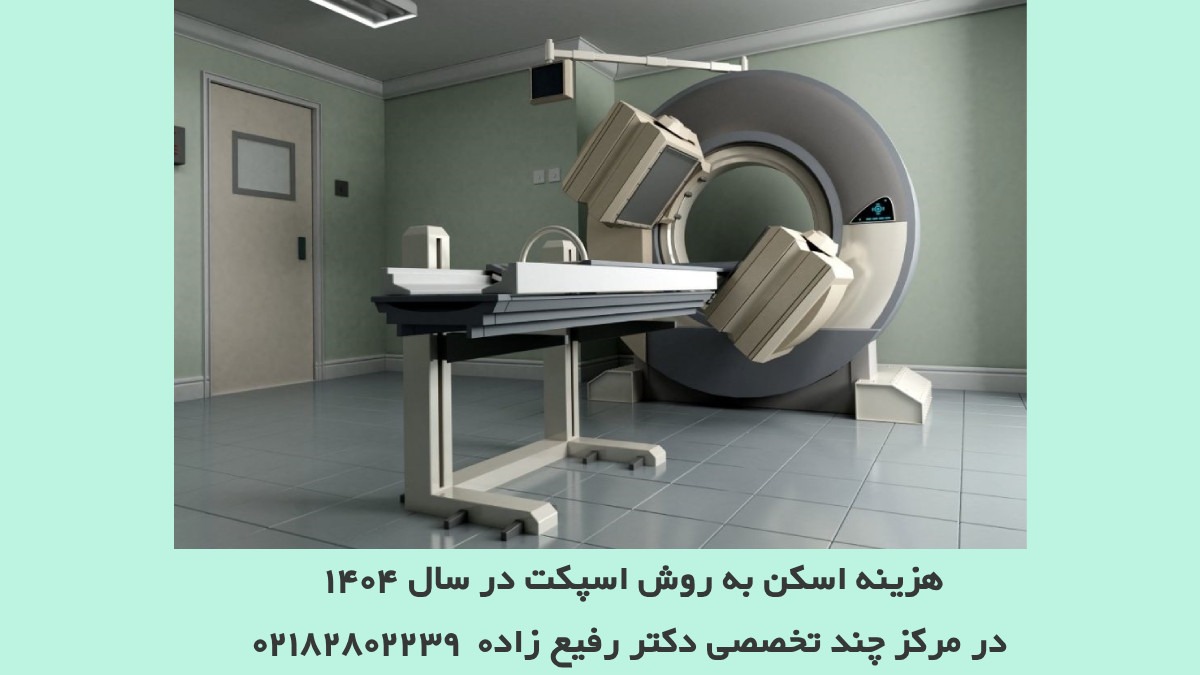
Nuclear scan is a type of advanced imaging that is performed using radioactive materials (radiomedicines). After entering the body, these substances accumulate in certain organs and can be detected by gamma radiation. Then, with the help of the Gamma Camera device, accurate images of the internal organs of the body are prepared.
Nuclear scan applications include:
- Diagnosis of cardiovascular diseases
- Checking the function of kidneys and urinary tracts
- Diagnosis of cancer tumors and metastases
- Evaluation of the function of bones and joints
- Identifying problems thyroid

Why is the topic of renal and pregnant patients important in nuclear scanning?
Nuclear scan, despite its relative safety, still contains a small amount of ionizing radiation, which can be dangerous in certain conditions (such as kidney failure or pregnancy).
Therefore, it is necessary for kidney patients and pregnant women to discuss their condition with their doctor before performing this type of scan, so that a scientific and safe decision can be made.
Nuclear scan in kidney patients
1. Kidney function and its effect on the elimination of radioactive substances
Kidneys play an essential role in eliminating waste materials and drugs from the body. Since radioactive materials are used in nuclear scanning, which are usually excreted through urine, kidney function is very vital.
2. Safety tips for kidney patients before nuclear scan
| Item | Description |
|---|---|
| Inform the doctor | Kidney patients must inform their doctor about their disease status and type of treatment (e.g. dialysis) before scanning. |
Can kidney patients have a nuclear scan?
Generally, Yes; Kidney patients can nuclear scan, but with observing special conditions and direct supervision of a specialist doctor.
In fact, the type of substance Radioactivity, injection dose, and scan time should be adjusted based on kidney function and severity of insufficiency.
In dialysis patients, the doctor usually adjusts the scan schedule in such a way that the scan is done after the dialysis session so that the radiopharmaceuticals are removed from the body faster.
possible risks for kidney patients
In kidney patients, the possibility of complications such as:
- Delay in disposal of radioactive materials
- Increasing temporary fatigue
- Slight nausea There is a feeling of heat at the injection site. However, these side effects are usually mild and temporary and can be resolved with plenty of fluids and adequate rest.
Where is the best clinic for nuclear scanning of renal and pregnant patients?
If you are looking for a reliable center to perform a nuclear scan - especially for kidney patients and pregnant - Vistan Clinic in Tehran is a suggested option. In the following, we will review the reasons for choosing this clinic, its services, and the points you should consider.
Why Vistan Clinic?
- This clinic has a "Nuclear Medicine" department and specifically provides services such as thyroid scan, bone scan, kidney scan and also heart scan.
- Having an expert team and up-to-date equipment to perform sensitive diagnostic procedures increases the possibility of accurate imaging
- The possibility of providing services covered by insurance and a multi-specialty environment that simultaneously makes it possible to evaluate other patient conditions (such as kidney disease or pregnancy status)
Special tips for kidney patients or pregnant
For kidney patient: Before performing a nuclear scan, the medical team should know what drugs or kidney treatments the patient is taking so that they can adjust the doses and conditions.
For pregnant women: Because a nuclear scan may involve radioactive materials, it is important to report your pregnancy status to your doctor to assess whether the procedure is appropriate at this time — and, if so, to take special safety precautions.
By announcing nuclear scan services and specialized diagnostic equipment, Vistan Clinic can be a good choice that the treatment team considers the special conditions of the patient.
Things to check before visiting
Be sure to call the center and say that you want an appointment for a nuclear scan in kidney conditions or in pregnancy, so that the relevant department will review your conditions before visiting.
Make sure you have medical records (such as kidney reports, medications, or pregnancy history) with you.
Ask the receptionist if you need to fast, or stop taking medications. (This is especially important for kidney patients.)
After the scan, according to the instructions of the center, drink enough fluids, wash the areas in contact with the radioactive material and avoid close contact with pregnant women or children when necessary.
Vistan clinic address: Sadat Abad, northwest side of Saro intersection (intersection of Paknejad and Saro)-next to Dasht Behesht complex
Vistan clinic contact numbers: 09966333097 – 02144927197 – WhatsApp

Nuclear scan in pregnant women
Why is pregnancy a limiting factor in nuclear scanning?
The growing fetus is very sensitive to ionizing radiation. In high doses, radiation from radioactive materials can cause disruption of cell growth or damage to fetal DNA.
For this reason, nuclear scanning in pregnant women is performed only in emergency and critical cases.
Doctor's decision to perform a scan in pregnant women
Before deciding to perform a nuclear scan in pregnant women, the doctor should answer some key questions:
- Is the scan vital to save the mother's life?
- Can alternative methods (such as MRI or ultrasound) be used?
- What type of radiopharmaceutical is safer?
If the answer to the first question is positive and no other options are available, the doctor may decide to perform a scan, but with the minimum possible dose and protection of the abdomen and uterus with lead.
Essential tips for pregnant women before nuclear scan
| Note | Explanation |
|---|---|
| Inform the doctor | If there is a possibility of pregnancy, even in the early days, the doctor should be informed. |
| Select type Scan | Some types of nuclear scan are not suitable for pregnancy (for example thyroid scan with radioactive iodine). |
| Use of lead shield | If the scan is forced, special shields are used to cover the abdomen. |
| Careful consultation | The doctor must explain all possible benefits and risks to the mother in order to make a decision. be taken consciously. |
Nuclear scans are not recommended for pregnant women due to the risk of radiation exposure to the fetus and are generally considered a contraindication. For renal (kidney) patients, a nuclear scan is often safe, but a healthcare provider must be informed if the patient is pregnant or breastfeeding. In the case of a life-saving emergency for the mother, the risks to the fetus would need to be carefully estimated.Nuclear scans are not recommended for pregnant women and are generally contraindicated due to the risk of fetal exposure to radiation. For kidney patients, a nuclear scan is usually safe, but the doctor should be informed if the patient is pregnant or breastfeeding. In case of an emergency situation for the mother, the risks for the fetus must be carefully estimated.Quoted from: healthywa.wa.gov.au
possible side effects for pregnant women
If safety precautions are not followed, there is a possibility of harming the fetus; However, in most diagnostic scans, the amount of radiation is very low.The following things may happen if you are not careful:
- Fetal growth reduction
- Slight developmental disorders in high doses
- Possibility of miscarriage at very high doses (which does not happen in routine medical scans)
Therefore, performing this type of imaging is allowed only with the approval of a gynecologist and a nuclear medicine doctor.
Nuclear scan in nursing mothers
Breastfeeding women should also observe important points, because part of the radioactive material may be transferred to the baby through milk.
For this reason, it is recommended:
- After the scan, discard your milk for 24 hours.
- After this period ends and the radioactive level decreases, they can continue to feed the baby.
In some cases, depending on the type of radiopharmaceutical, the doctor may decrease or increase this time.
Nuclear scan alternative methods for renal and pregnant patients
If a nuclear scan is deemed dangerous for kidney patients and pregnant women, non-invasive and safer methods can be used, such as:
- MRI (Magnetic Resonance Imaging): without ionizing radiation.
- Ultrasound: safe and without risk for the fetus and kidneys.
- Low-dose CT (in certain cases): by reducing the amount of radiation.
The doctor decides which method is the best option based on the type of disease and diagnostic need.
Comparative table of nuclear scan safety for renal and pregnant patients
| Patient group | Permissibility of scanning | Risk level | Special conditions of performance |
|---|---|---|---|
| Kidney patients | Permitted with Caution | moderate | dose adjustment, high fluid intake, coordination with dialysis |
| pregnant women | not allowed except in emergency | high | use of low dose and lead protection |
| nursing mothers | allowed with compliance Interval | bottom | temporary cessation of breastfeeding (24 hours) |

Final recommendations for kidney patients and pregnant women
Never do a nuclear scan without consulting your doctor.
If you are pregnant or planning to become pregnant, inform about this before the scan.
Kidney patients should provide detailed information about their kidney function and medications.
If you have any unusual symptoms after the scan, contact your doctor immediately.
Drinking plenty of fluids after the scan is mandatory for kidney patients.
Can a nuclear scan be harmful to kidney patients and pregnant women?
Nuclear scan for kidney patients and pregnant may be associated with risks. In kidney patients, the use of radioactive substances should be done more carefully, because the kidneys are responsible for excreting these substances and may put extra pressure on them. As a result, the amount of radioactive material must be carefully adjusted and after the scan, the patient must drink a lot of fluids so that the material can be eliminated from the body faster.
For pregnant women, nuclear scans are generally not recommended because the radioactive material can harm the fetus. If a scan is necessary, the doctor must carefully evaluate the benefits and risks and take special safety measures. In both cases, medical consultation and accurate assessment of the patient's condition are necessary before performing the scan.
How can nuclear scanning affect the performance of renal patients and pregnant women?
Nuclear scan can have different effects on the performance of kidney patients and pregnant women, which requires careful consideration of each person's condition:
- Impact on kidney function:
In kidney patients, the use of radioactive materials in nuclear scanning may lead to additional pressure on the kidneys, as these organs are responsible for removing radioactive materials from the body. If the kidneys have poor function, the elimination of these substances is done slowly and may cause more problems such as the accumulation of substances in the body and causing kidney damage. For this reason, before the nuclear scan, the condition of the kidneys should be carefully evaluated and the amount of radioactive material should be as low as possible. - Effect on pregnancy:
For pregnant women, nuclear scanning is generally not recommended because radioactive material can harm the fetus. These substances may cross the placenta and negatively affect the growth and health of the fetus. For this reason, if scanning is necessary for pregnant women, the doctor must carefully evaluate the benefits and risks and prescribe this imaging method only in special circumstances and with the adoption of special safety measures.
In kidney patients and pregnant, careful examination of the patient's medical condition and consultation with the doctor before nuclear scanning is necessary to avoid possible problems.
Are all types of nuclear scans safe for kidney patients and pregnant women?
No, not all nuclear scans are safe for kidney patients and pregnant women. The type of nuclear scan and the amount of use of radioactive materials in these people should be carefully checked and adjusted.
- For kidney patients:
Some types of nuclear scans that require the use of radioactive materials can be problematic for kidney patients. Kidneys are responsible for removing radioactive materials from the body, so in patients with poor kidney function, radioactive materials may not be properly removed from the body, increasing the risk of kidney damage. The doctor must carefully adjust the type of scan and the amount of radioactive material to avoid additional problems. - For pregnant women:
Nuclear scans are generally not recommended for pregnant women because radioactive material can cross the placenta and harm the fetus. Especially in the early stages of pregnancy, radioactivity may cause serious problems in the development of the fetus. If scanning is necessary for pregnant women, the doctor must carefully evaluate the type of scanning and the level of risks and prescribe this imaging method only in special cases and by taking the necessary safety measures.
Therefore, not all types of nuclear scans are safe for kidney patients and pregnant women and should be performed with careful medical advice and assessment.

Is nuclear scan necessary for kidney patients?
Nuclear scan for kidney patients is necessary and very useful in some cases, because this type of scan can show the exact function of each kidney individually. Doctors use this method to diagnose reduced kidney function, urinary tract obstruction or check renal blood flow. However, it should be done with a controlled amount of radioactive material and under the supervision of a nuclear medicine doctor to avoid putting extra strain on the kidneys. Therefore, nuclear scanning is necessary when its information can help to make more accurate decisions in the treatment of the patient.
Frequently asked questions for kidney and pregnant patients
Can kidney patients do a nuclear scan?
Yes, but the patient's medications and kidney conditions should be checked with the doctor before the scan.
Can pregnant women have a nuclear scan?
Usually no, unless the benefits of the scan outweigh the possible risks to the fetus and the doctor advises.
Is the use of radioactive material in nuclear scanning safe for kidney patients?
In kidney patients, the amount of radioactive materials should be carefully adjusted to reduce the risk of damage to the kidneys.
When is nuclear scanning appropriate for kidney patients?
When other treatments are not enough and the doctor decides to evaluate kidney function more carefully.
Does nuclear scanning have a negative effect on the health of the fetus?
Nuclear scanning may harm the fetus, so this procedure is usually avoided during pregnancy.
Should pregnant patients receive medical advice before nuclear scanning?
Yes, pregnant women should have a full consultation with their doctor before undergoing any nuclear scan.
Is a nuclear scan safe to assess kidney function?
Yes, a nuclear scan is safe to assess kidney function, but care must be taken to use the appropriate amount of radioactive material.
Should kidney patients fast before nuclear scan?
Yes, renal patients should usually fast before a nuclear scan, unless the doctor orders otherwise.
Can nuclear scan replace other tests for kidney patients?
Nuclear scan can be used as one of the more accurate methods to evaluate kidney function.
Should I stop medication before nuclear scan?
Some medications should be stopped before the nuclear scan, especially those that affect kidney function, so you should consult your doctor
Summary
Nuclear scan is a powerful and accurate tool for diagnosing many diseases, but it requires special caution for kidney patients and pregnant women.
Kidney patients can usually do this scan by following the doctor's orders and adjusting the dose of radioactive materials. But for pregnant women, this method is not recommended except in emergency cases, because it may cause harm to the fetus.
In any case, the final decision should be made with the collaboration of a nuclear doctor, treating physician and gynecologist or kidney specialist in order to achieve the best and safest result.