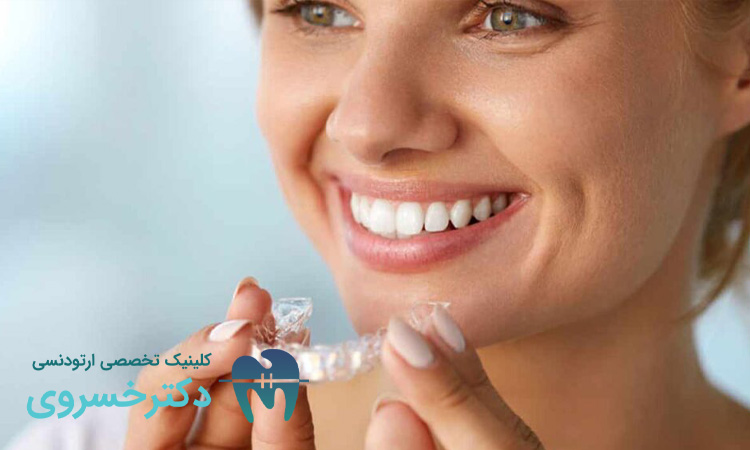

Orthodontics is one of the important branches. It is a dentistry whose main goal is to create order and harmony in the rows of teeth and improve the function of the jaws. In the past, most people were only familiar with fixed orthodontics (metal or ceramic brackets), but nowadays mobile orthodontics has also become one of the popular options. Many patients ask this question before starting the treatment: Does removable orthodontics hurt? How painful is mobile orthodontics? This is a reasonable question because any treatment that involves moving teeth and changing the bone structure of the jaw can be accompanied by some pain or discomfort. But to what extent is this pain, what factors are involved in its creation and how can it be managed? In this article, we will look at the subject with a specialized view and help you to have a clear and realistic view of mobile orthodontics.
The cause of pain in mobile orthodontics
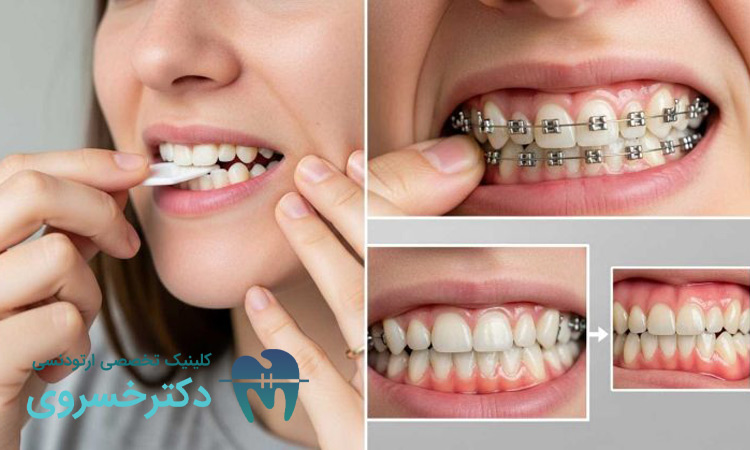
Pain caused by Movable orthodontics is directly related to the process of teeth movement. When the plaque or orthodontic device is placed on the teeth, it puts gentle pressure on them. This pressure irritates the bone and tissue around the tooth and forces the teeth to move. Main causes of pain Continuous application of pressure: pressure stimulates the nerve endings around the tooth and causes pain or sensitivity. Plaque friction with the gums: In the early days of use, the plaque may hit the gums or cheek and cause sores or discomfort. Gradual changes In the jaw: teeth movement is sometimes accompanied by muscle tension and changes in jaw alignment, which can cause a feeling of jaw pain.
How to use mobile orthodontics and check pain It
- Duration of daily use: It is recommended that the orthodontic plate be used at least 20 to 22 hours a day. Removing the device too much will slow down the treatment process.
- Removing the device while eating: it is better to remove the device while eating so that it is not damaged and the patient can eat more easily.
- Observation of oral hygiene and the device: the plaque must be cleaned daily to prevent the accumulation of dental plaque and unpleasant odor.
- Regular follow-up with the dentist: periodic adjustment of the device by an orthodontist is necessary.
Does the pain of mobile orthodontics decrease with continuous use?
When mobile orthodontics is used to change the position of teeth, the periodontal tissues and roots are subjected to mechanical forces and these pressures lead to biological reactions and short-term inflammation. In the first days, nerve stimulation is painful and mediators such as prostaglandins and cytokines are released in the area around the root, which activates pain receptors. Over time, the complex tissues around the tooth get used to the constant forces: more developed blood vessels, stronger connective tissue and trimming of inflammatory cells reduce the inflammatory response and nerve conduction becomes less sensitive to chronic forces. Therefore, severe pain usually subsides in a few days after adjusting or changing the force and remains as a mild discomfort or feeling of pressure. However, the severity of pain reduction depends on individual factors; including the level of gum health, the presence of caries or oral diseases, the intensity and duration of applied forces, and the patient's cooperation with treatment instructions. As a result, for most patients, the physiological response shows that the pain decreases somewhat with continued treatment, but the final experience is influenced by clinical and individual variables.

Methods to reduce pain caused by orthodontics Mobile
Although pain caused by mobile orthodontics is inevitable, there are several strategies to control it:
- Use of mild pain relievers: the use of pain relievers such as ibuprofen or acetaminophen can help reduce pain.
- Soft foods: eating soft and cool foods in the first days of use causes less pressure on the teeth.
- Cold compress: placing a cold compress On the cheeks, it can reduce inflammation and pain.
- Consistency: regular use of the plaque makes the teeth get used to the pressure faster and the pain is less.
- Anesthetic gels: in case of sores on the gums or cheeks, using dental gels can be effective.
These procedures usually cause pain. Movable orthodontics should be well tolerated and not create an obstacle to the continuation of treatment.
What is mobile orthodontics and how is it different from fixed orthodontics?
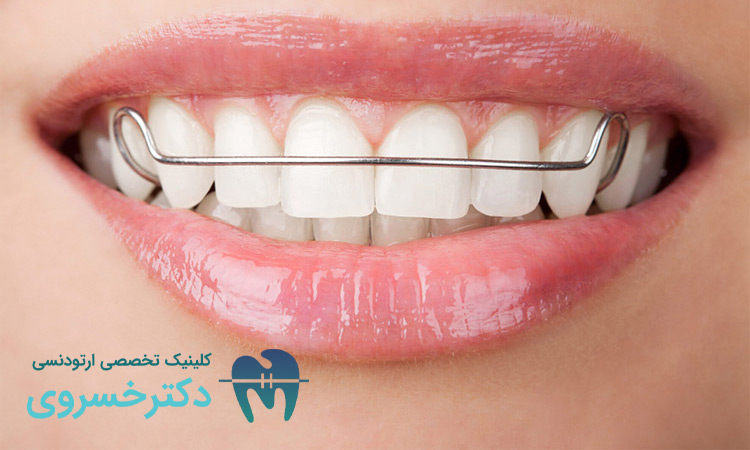
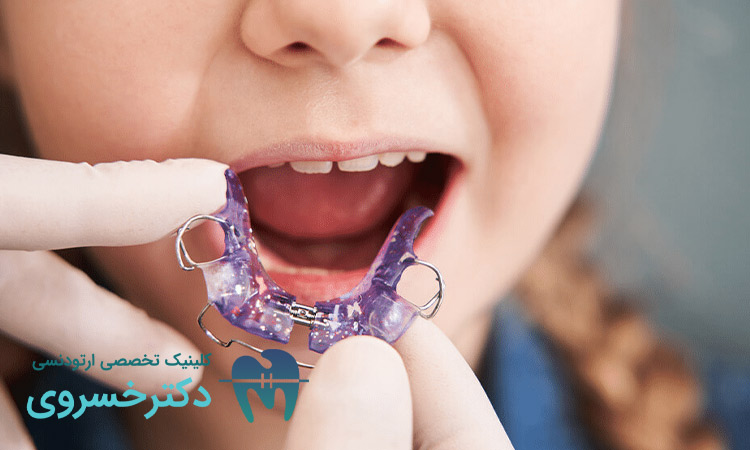
Movable orthodontics is a type of orthodontic treatment in which plates or special devices are used that can be put on and removed by the patient. Unlike fixed brackets, these devices are not attached to the teeth, and this feature has made many patients consider it a more comfortable option.
The main differences between removable orthodontics and fixed orthodontics
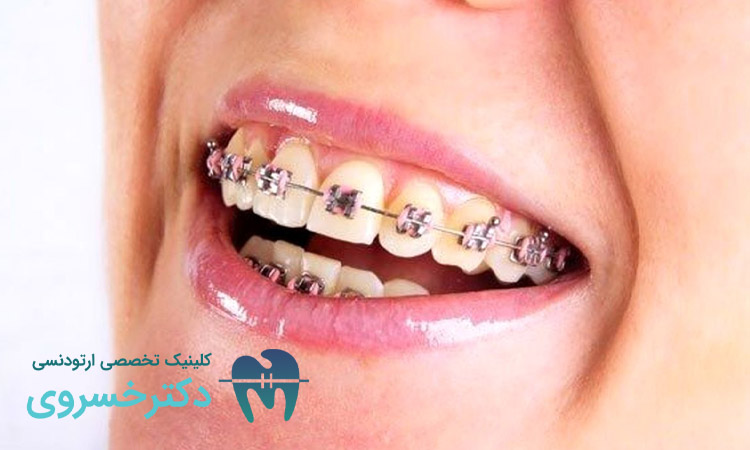
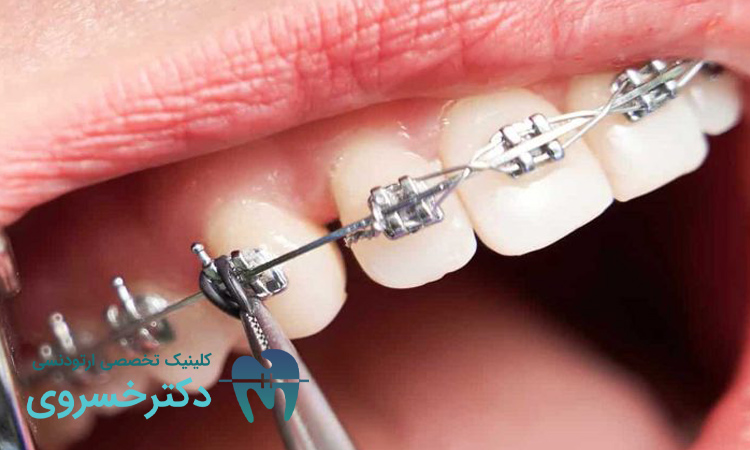
- Removable: In removable orthodontics, the patient can remove the device while eating or brushing teeth. While fixed orthodontics is constantly on the teeth.
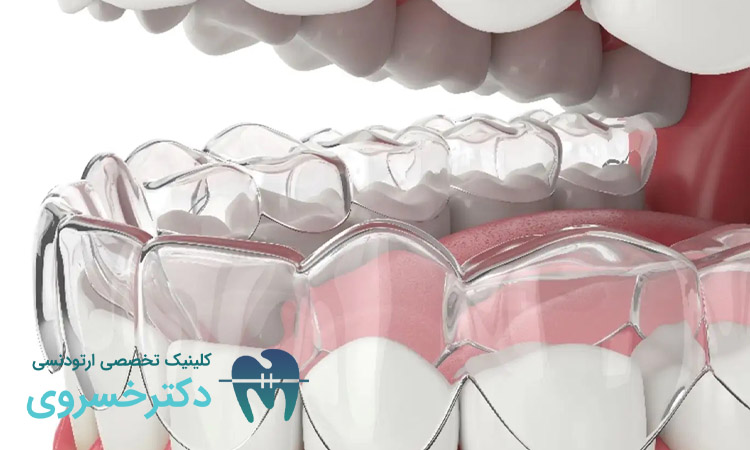
- Better appearance: Clear removable plates (such as Invisalign) are less noticeable and are a good choice for adults who care about aesthetics.
- Limited use: Removable orthodontics are usually used for mild to moderate problems, while fixed orthodontics can correct more complex deformities.
- Treatment time: In some cases, removable orthodontics has a shorter treatment time but requires full patient cooperation.
Therefore, the choice between fixed and mobile orthodontics should be made based on the condition of each person's mouth and teeth and the advice of a specialist dentist.

Advantages and disadvantages of movable orthodontics from a perspective Patients
Patients have different experiences with removable orthodontics. Familiarizing yourself with the advantages and disadvantages of this method can help you make an informed choice. Advantages
- Possibility to remove the device in certain situations
- More comfort in brushing and maintaining hygiene
- Better appearance, especially in transparent models
- Less pain compared to fixed orthodontics in the long term
Disadvantages
- The need for high cooperation and discipline from the patient
- Limited efficiency in severe orthodontic problems
- Probability of losing or breaking the device
- Pain or discomfort in the first days of use or when changing plates
In general, removable orthodontics is suitable for people who have milder dental problems and can regularly use the device.
Final remarks about the pain of movable orthodontics
Movable orthodontics is one of the new and popular methods of correcting dental abnormalities, which has certain advantages over fixed orthodontics. But the common question of patients is whether mobile orthodontics hurts? There is a clear answer: yes, but this pain is normal, mild and temporary, and is part of the teeth movement process. By following the principles of using pain reduction methods, this discomfort can be easily managed. Therefore, the fear of pain should not prevent the beginning of orthodontic treatment. Most importantly, choosing an experienced orthodontist and following his recommendations carefully will ensure the success of the treatment and greater comfort for the patient.
Frequently asked questions about the pain of removable orthodontics
- How many days does the pain of removable orthodontics last?
Usually, the pain and discomfort is greater in the first 3 to 5 days of use or when changing a new plate, and after that it decreases over time. - Is mobile orthodontics less painful than fixed orthodontics?
yes Removable orthodontics usually causes less pain than fixed orthodontics because the pressure is milder and the patient can remove the appliance under certain conditions. What to do if the pain of removable orthodontics becomes severe?
In case of severe or prolonged pain, you must visit an orthodontist to check the device and adjust it if necessary. - Can all people use removable orthodontics?
no Movable orthodontics is more suitable for mild to moderate problems, and in complex cases, fixed orthodontics will be a better option.