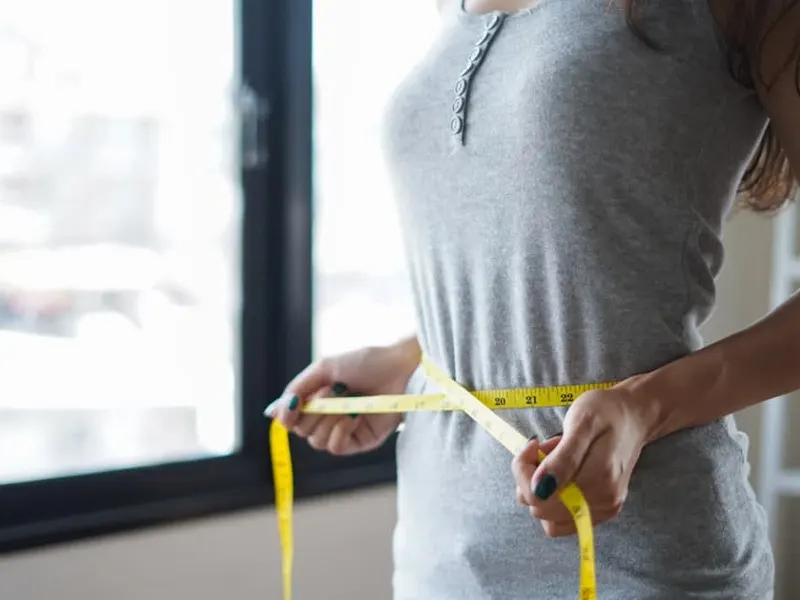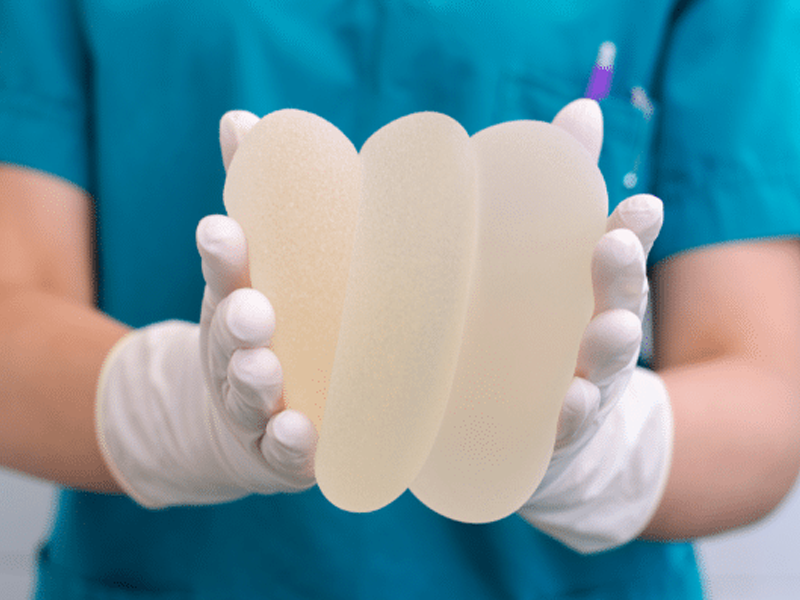

یکی از جراحی هایی که افراد می توانند مقدار کمی از چربی های شکم، پهلوها، بازوها، ران، باسن و گردن را اصلاح کنند، جراحی لیپوساکشن می باشد. لیپوساکشن به طور معمول یک روش کلی کاهش وزن یا جایگزینی برای کاهش وزن در نظر گرفته نمی شود. اگر کسی دچار اضافه وزن است، ممکن است رژیم غذایی و ورزش تاثیر آنچنانی در روند لاغری و کاهش وزن نداشته باشد. اما با انجام جراحی هایی همچون لیپوساکشن و جراحی بای پس معده یا از طریق روش های چاقی مانند جراحی بای پس معده نسبت به لیپوساکشن وزن بیشتری از دست خواهد رفت. But it should be kept in mind that liposuction is considered a more ideal and suitable method of operation, and for this purpose, you must go to a href="https://dr-babaei.com/%d8%a8%d9%87%d8%aa%d8%b1%db%8c%d9%86-%d9%81%d9%88%d9%82-%d8%aa%d8%ae%d8 %b5%d8%b5-%d8%ac%d8%b1%d8%a7%d8%ad%db%8c-%d9%be%d9%84%d8%a7%d8%b3%d8%aa%db%8c%da%a9/">fHazegh Plastic Surgery Expertise should be referred for this procedure to have successful results and a shorter recovery period. Next, we will examine this permanent way to beautify your body.

What is liposuction?
Liposuction surgery is a kind of cosmetic surgery that removes body parts and excess fat that seems not to disappear with diet and exercise, and you can get rid of them.
The plastic surgeon usually performs this operation on the hips, abdomen, thighs, back, arms and under the chin or face to improve their shape. This surgery can be performed at the same time as face lift, breast and tummy reduction.
With this new technique, unwanted and extra fat layers are removed from parts such as sides, thighs, arms, abdomen, hips and chest. You can even use liposuction for local face slimming and slim down areas of fat accumulation such as the cheeks and lips. Over the past decades, new solutions have been invented to improve the effect of liposuction and improve this method.
Of course, it should be pointed out that liposuction is not a substitute for exercise and diet, but in some parts of the body there are layers of fat that are not easily destroyed by exercise and diet, so only with the help of liposuction can you get rid of old and stubborn fats.
The causes of obesity
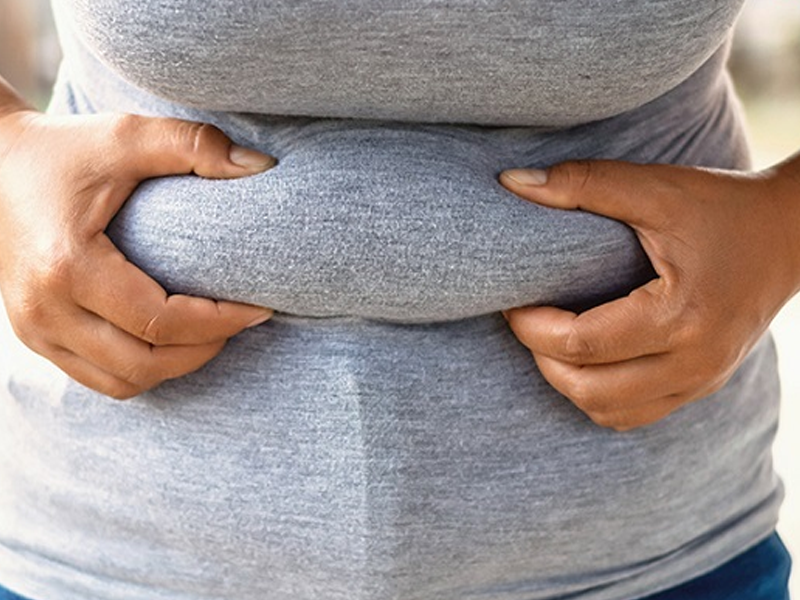
When the energy in the body exceeds the normal and needed amount, the said energy is stored in the body as fat tissue and the person becomes obese.
If a person's weight is more than their gender, height and age, that person is called fat. The different causes of obesity are: heredity, diet with too many calories and fat, lack of movement, diseases such as hypothyroidism, overeating, mental and nervous problems, etc. . .
What is the purpose of liposuction?
Liposuction is performed to remove fat from parts of the body that have not responded to diet and exercise, which can be done in the following areas:
- belly
- hips and thighs
- chin and neck
- chest and back
- upper arms
- legs and ankles
In addition, liposuction can sometimes be used to reduce breast size or treat gynecomastia. When a person is overweight, fat cells increase in size and volume, and in turn, liposuction reduces the number of fat cells in a specific area. The amount of fat removed depends on the appearance of the area and the volume of the fat. The resulting contour changes are generally permanent, as long as the weight remains constant.
The benefits of liposuction
The main purpose of performing liposuction is beauty. But removing excess and excess fat also has a therapeutic effect, meaning that removing excess fat and losing weight leads to the improvement of spinal pressure and pain, prevention of heart diseases associated with obesity around the abdomen, reduction of pressure on the heart and lungs, reduction of blood pressure, easier control of blood sugar, and reduction of neck pain and spine pressure in women with large and heavy breasts. Of course, the job of liposuction is not to lose weight, but with this method, local slimming and body beauty can be achieved.
Who are candidates for liposuction surgery?
Some people are good candidates for liposuction and others should avoid it. To determine whether liposuction is a good option for people, a specialist doctor should be consulted.
Good candidates for liposuction are people who:
- They don't smoke.
- They are not overweight or obese.
- They don't have much extra skin.
- have good muscle tone.
- They have good skin elasticity.
- They have good physical condition and overall health.
- have fat reserves that cannot be lost with diet or exercise.
In some cases, people don't have the patience to exercise and endure heavy diets in order to get rid of their fresh and fluid fats, and they want to reach their ideal body as soon as possible. Such people find it very time-consuming and difficult to do sports, and in many cases, they have not gotten results from doing sports. That's why the fastest and easiest way to slim down locally is liposuction.
Who are not good candidates for liposuction?
- Use medications that can increase the risk of bleeding, such as blood thinners.
- People with a history of diabetes, cardiovascular disease, deep vein thrombosis (DVT), or seizures.
- People who have chronic diseases.
- People who smoke.
- They have a weak immune system.
- They are overweight.
- They have sagging skin.
Care before liposuction
Before the liposuction procedure, the surgeon may mark circles and lines on the body areas of the person to be treated. Photos may also be taken so that the before and after images can be compared.
How liposuction is performed depends on the specific technique that is used. The surgeon selects the appropriate technique based on the individual's treatment goals, the area of the body to be treated, and whether other methods of liposuction have been performed in the past.
Food and drugs
A person should talk to their surgeon about what to expect from the surgery before the procedure. The surgeon will review your medical history and ask about any medical conditions you may have and any medications, supplements, or herbs you may be taking.
Your surgeon will recommend that you stop taking certain medications, such as blood thinners or NSAIDs, at least three weeks before surgery. You may also need to perform certain laboratory tests before the operation.
Other precautionary measures
If your procedure requires the removal of a small amount of fat, the surgery may be performed in the office. If a large amount of fat is removed—or if you plan to have other procedures done at the same time—the surgery may be performed in the hospital followed by an overnight stay. In any case, arrange for someone to drive you home and stay with you for at least the first night after the operation.
How to do liposuction
liposuction and lipomatic are two different ways to beautify the body. In this article, we will discuss how to perform liposuction.
At the beginning, the patient is fully examined by a specialist doctor, and according to the patient's wishes and taste or the doctor's discretion, the points and parts with localized fat are marked with a special marker, after that, the desired parts are prepared for surgery with local anesthesia, then by making a small incision on the parts that are initially immune, special tubes of 3 to 4 mm called cannula are inserted into the lower parts. It is entered and guided by the surgeon so that the excess fat tissues are completely drained.
Of course, in this regard, it is important to mention that the fat suction tubes are no longer sharp and do not harm the blood circulation system and internal vessels, and only the underlying devices perform fat stretching. With the progress of medical science and the initiative of surgeons and specialists, liposuction solutions have become 100% safe and have few complications, and are approved by many plastic and cosmetic surgeons.
If you want to perform liposuction surgery, you can benefit from this procedure with the help of various anesthesia methods. Even if the patient wants to use anesthesia, he can also use sleeping medicine. But for large volumes of liposuction and heavy surgeries, it is sometimes necessary to anesthetize the patient.
In recent years, liposuction has gained many fans around the world, even for easier fat suction, fat lubricants can be injected under the skin and suction can be done easily. With this method, the possibility of damage to internal tissues will be zero and no internal bleeding will occur. Finally, the small incisions are closed with sutures and due to their small size, they fade over time and no scars are left.
Care after liposuction
Needed to speed up recovery after this Abdominal cosmetic surgery, A person should take care such as:
- Timely use of prescribed drugs by the doctor at a certain time.
-Drinking water after surgery because the body loses a lot of water in this operation, so it is necessary for a person to consume more water than usual after surgery.
-Low consumption of salt is another thing that needs to be reduced as much as you can for at least two weeks after surgery.
-Prohibition of consuming foods that lead to constipation.
- Consuming foods containing vitamin C such as pineapple can help speed up your recovery.
-The way of sleeping should be such that it does not put pressure on the place of surgery.
- In the first hours after the liposuction operation, it is necessary to rest completely.
-Slow walking at certain times for a few days after surgery will help you recover.
-Strictly avoid heavy physical activities until complete recovery.
-Prohibition of alcoholic beverages, smoking, and also prohibition of blood anticoagulants such as aspirin.
-keeping the scar clean.
Types of liposuction
tumescent liposuction
This is the most common type of liposuction. The surgeon injects a sterile solution, a mixture of saline to help remove fat, an anesthetic (lidocaine) to relieve pain, and a drug (epinephrine) to constrict blood vessels – into the treated area. The liquid mixture causes the affected area to swell and harden.
The surgeon then makes small incisions in the skin and places a thin tube called a cannula under your skin. The cannula is connected to a vacuum that suctions fat and fluid from the body. Your body fluids may be refilled through an intravenous (IV) line.
Ultrasound-assisted liposuction (UAL)
Sometimes this type of liposuction is used together with traditional liposuction. During UAL, the surgeon inserts a metal rod that emits ultrasound energy under your skin. This causes the fat cell walls to tear and break down the fat for easier removal. A new generation of UAL called VASER-assisted liposuction uses a device that may improve skin contours and reduce the likelihood of skin damage.
Laser-assisted liposuction (LAL)
This technique uses high-intensity laser light to break down fat for removal. During LAL, the surgeon inserts a laser fiber through a small incision in the skin and emulsifies the fat deposits. Then the fat is removed through a cannula.
Power-assisted liposuction (PAL)
This type of liposuction uses a cannula that moves back and forth in a quick motion. This vibration allows the surgeon to remove stubborn fat more easily and quickly. PAL may sometimes cause less pain and swelling and allow the surgeon to remove the fat more accurately. Your surgeon may choose this procedure if a large amount of fat needs to be removed or if you have already had a liposuction procedure.
Complications of liposuction
This body cosmetic surgery, like other surgeries, can be associated with complications such as:
- Possibility of infection at the place of stitches
- Damage to the nervous system or blood vessels if the doctor does not have enough expertise.
- Leaving scars and stitches if not treated properly
- Bleeding
- Skin loosening and sagging
- Contusions and bruises
Remember that if you go to the best doctor specializing in this field, you can minimize the possible side effects of liposuction as much as possible.
Finally, if you see any unusual symptoms such as fever, shortness of breath, severe and unbearable pain, bleeding or infection, consult a specialist doctor immediately.
Liposuction cost
The cost of this surgery can be different based on the area to be operated on, the amount of extra weight of the person, as well as the expertise and skill of the doctor, and in addition to this, there are other influential components in the final cost of this surgery, such as:
- Cost of anesthesia
- Cost of hospitalization
- Pre-surgery tests
- Necessary care after surgery