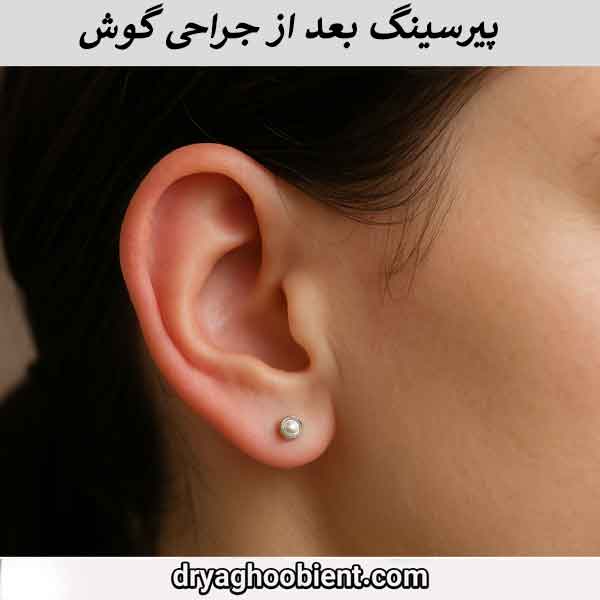
Is ear piercing dangerous after otoplasty surgery? Complete guide

Dr. Maryam Yacoubi
تهرانOtorhinolaryngology and skull base specialist
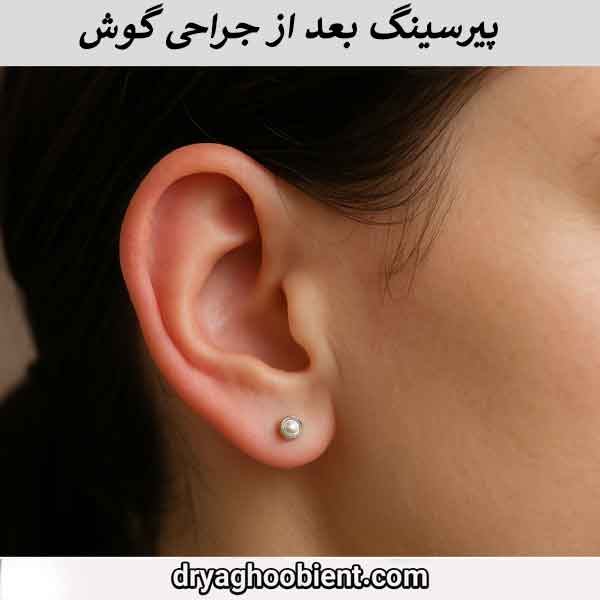
What is ear piercing?
Ear piercing means piercing different parts of the ear, such as the earlobe or lobe, with the aim of hanging ornaments and decorative accessories. This procedure is considered one of the common beauty procedures and is performed in different ways.
How is piercing done?
The piercing process is done using special tools and under sterile conditions. For ear piercing, a sterile, disposable piercing gun is usually used to quickly insert the earring into the earlobe. But for other areas of the body, piercing is usually done with a hollow and completely sterile needle. After making the hole, the specialist will place a suitable piece of jewelry or jewelry in the place. The safest option for piercing ears and other body parts is to use disposable piercing guns. These tools are only used for one person and then replaced. A method that significantly reduces the risk of infection and disease transmission.
Important tips about piercing after ear surgery
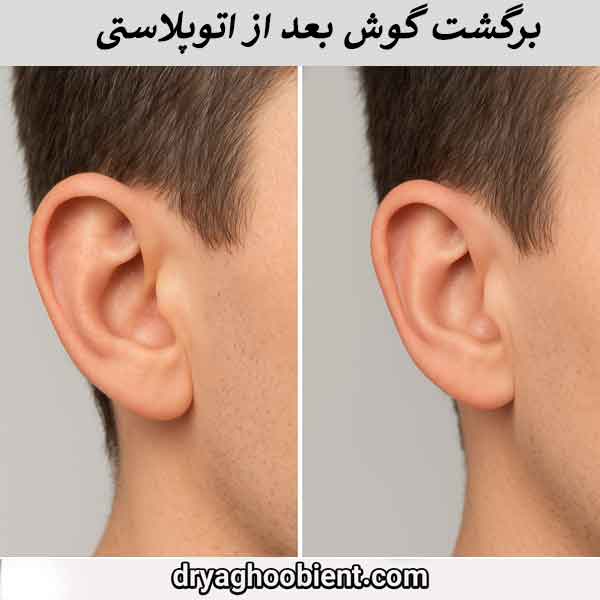
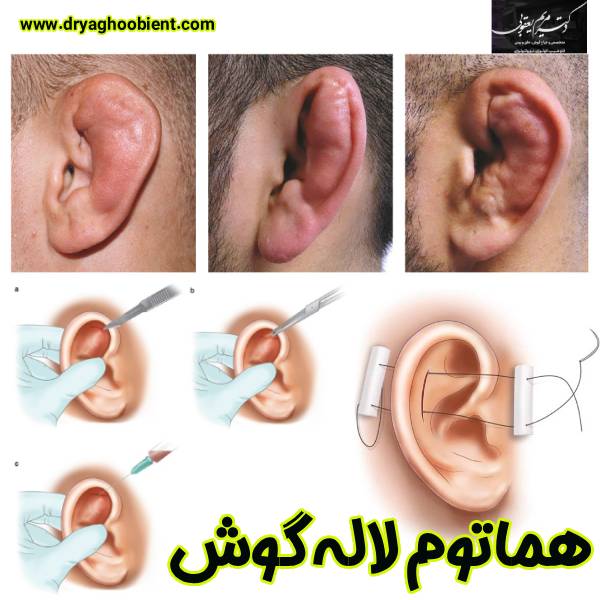
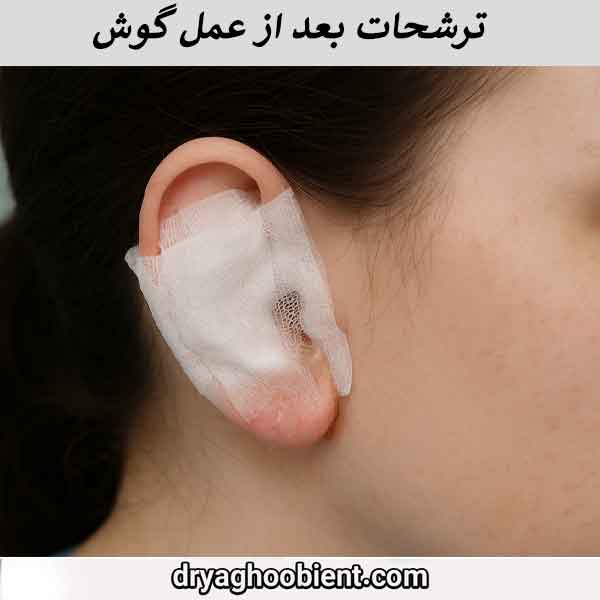
After ear surgery or otoplasty, ears usually become swollen and inflamed. Ear piercing is not recommended until this inflammation and swelling is completely resolved. Since ear piercing may increase the risk of infection and other complications, it is better to avoid doing it until the end of the recovery period after otoplasty. Piercing during the recovery period usually disrupts the healing process and even causes further damage to the ear tissue. Therefore, patience and taking care is very necessary to maintain the final result of the surgery.
The best time for piercing after ear surgery
These days, ear piercing has become one of the popular beauty methods among women and men, especially in the young generation. But if you just went through otoplasty, you may have a question, when can you do ear piercing after the operation? In response, it should be said that determining the right time for piercing after ear surgery depends entirely on your individual circumstances. You should definitely consult your ear surgeon to make an informed decision. By examining the healing process of the wounds, the degree of inflammation and the general condition of the ears, the doctor determines whether it is safe and appropriate to do ear piercing at this time. Remember that neglecting the right time increases the risk of infection, re-injury of the ear tissue and disruption of the final results of otoplasty. The full recovery period after otoplasty surgery takes between 6 and 8 weeks. But the exact time of ear piercing after surgery is different depending on the physical condition of each person and the surgeon's opinion. Doctors recommend that at least 2 to 3 months pass after the ear surgery and the ear tissue is completely restored, then if there is no inflammation, pain or infection, piercing is done.
Does ear piercing have complications after ear surgery?
Although ear piercing is done today with various methods and styles, you should know that neglecting the care after that may result in the risk of It increases serious complications during the recovery period of ear surgery. Failure to follow the care tips may cause inflammation and swelling in the surgical area and ultimately affect the aesthetic result of otoplasty. Therefore, the importance of carefully following the care instructions after ear piercing and surgery is undeniable in order to avoid serious problems.
Ear piercing earlier than the specified time
If you want to get your ear piercing done as soon as possible after ear surgery, by following the following tips you can speed up the healing process and take action earlier than the time set by the surgeon. Do:
- Strict adherence to post-surgery care: Full adherence to post-otoplasty care instructions will make your recovery period shorter and wounds heal faster.
- Healthy and appropriate diet: Eating healthy foods, avoiding caffeinated drinks and avoiding processed foods, play an important role in speeding up the process.
- Adequate rest: Having proper sleep and rest helps heal wounds faster and reduce inflammation, thus shortening the recovery period.
Care recommendations after ear piercing
To prevent infection and speed up the healing process, following the following will help you a lot. Do:
- Disinfect the piercing site daily with recommended solutions such as physiological serum or saline solution.
- Avoid touching the piercing site with contaminated hands.
- Avoid early replacement of the primary earring until the piercing site is fully healed (usually 6 to 8 weeks).
- Not sleeping on the pierced ear, especially in the first weeks.
- Using earrings Hypoallergenic and light, especially in the early stages.