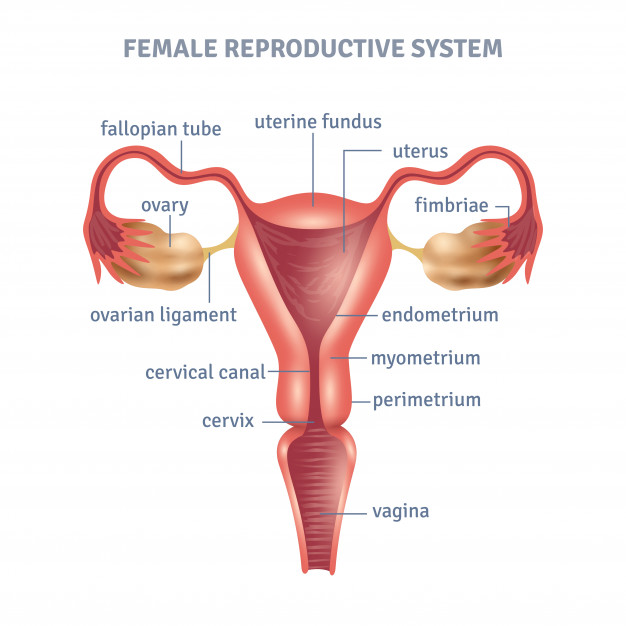

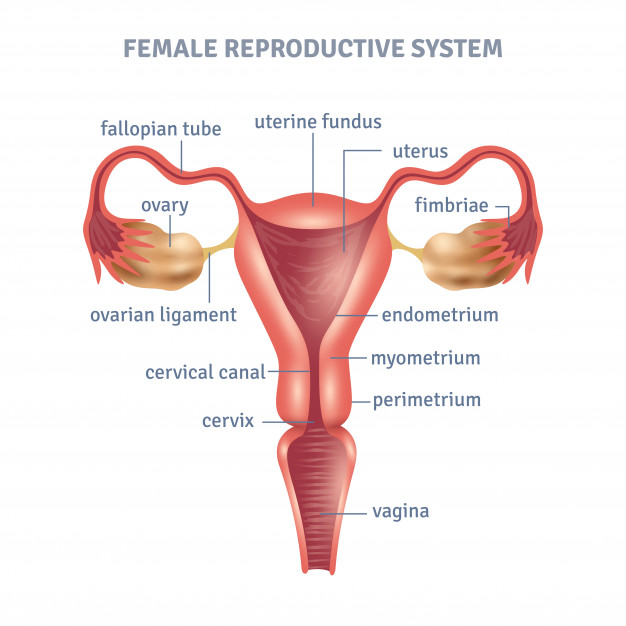
از افتادگی رحم به عنوان یکی از بیمارهای شایع در بین زنان یاد میشود. رحم دارای ساختاری عضلانی است که بوسیله رباطهای لگن و عضلات در محل خود ثابت نگه داشته میشود. If for any reason these organs are weakened or become excessively stretched, they will no longer be able to keep the uterus in place.
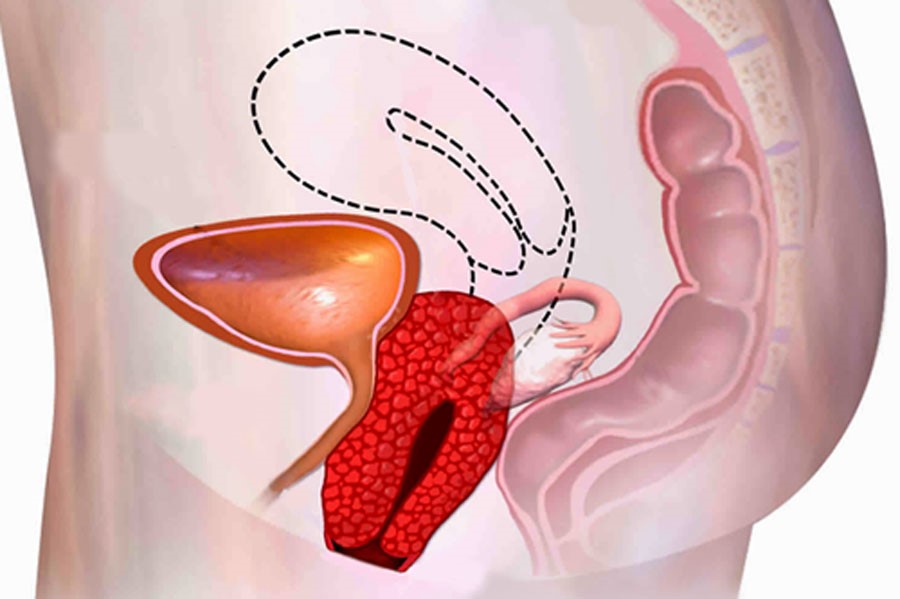
In this situation, the uterus will slip from its place, hang and place in the birth canal, this condition is called uterine prolapse. Sometimes, hormonal changes can cause this condition to occur. This disease can occur partially or completely. In partial uterine prolapse, this tissue will be partially inside the vagina, while in its full type, the uterus will be so far out of place that part of its tissue will come out of the vagina.
Four different states of uterine prolapse
- The first situation: In this situation, the length of the vagina will be reduced. This happens because the cervix is stretched or bent into the vagina.
- The second situation: in this stage there is adhesion between the cervix and the vaginal wall.
- The third situation: prolapse is severe and the uterus moves outside the vagina.
- Fourth situation: In this situation, the entire uterus muscle will be outside the vagina. This state is called Uterus Procidentia.
If the amount of sagging is mild, it does not need treatment and can be controlled by following medical recommendations, otherwise known treatment methods are used.
Causes of uterine prolapse
One of the most important reasons for uterine prolapse is multiple and difficult natural births. The pressure that is applied to the muscles that support the uterus during natural childbirth is very high. This causes excessive stretching in them, for this reason they are not able to keep the uterus in its original place. Women who experience multiple births or give birth to fat and large babies will suffer from this complication more than others.
Constipation from There are other reasons that will prepare the ground for the occurrence of this disease. During that time, bowel movements will slow down and the stool will remain in the intestine for a longer period of time, which causes the stool to lose its natural consistency and turn into dry and hard lumps. In this situation, the patient will put more pressure on himself to expel it.
This will affect the muscles of the pelvic floor and will provide the basis for prolapse of the bladder and uterus. In this situation, by changing the lifestyle and diet, constipation will be treated to prevent complications such as hemorrhoids, prolapsed uterus, fissures and prolapsed bladder.

What are the causes of uterine prolapse?
- Obesity and overweight
- lifting heavy objects
- hormonal changes
- Chronic coughs and bronchitis
Symptoms of prolapse Know the uterus
Even if the prolapse of the uterus is partial, it usually will not show any symptoms, otherwise the patient will probably experience the following symptoms:
- Disturbance in establishing sexual relations
- Bleeding from the vagina
- increase in vaginal fluids and secretions
- feeling of heaviness or tension in the pelvic area
- Incidence of frequent bladder infections. Also, the patient may have difficulty in emptying urine.
- extrusion of uterine tissue from the vagina
If you are facing these symptoms, it is recommended to see a specialist as soon as possible. Ignoring them will cause other serious complications.
In this regard, you should know that abnormal bleeding from the vagina has various reasons and it cannot be limited to this complication. Many uterine diseases such as Fibroma Polyps also provide the basis for abnormal uterine bleeding, and hormonal changes are also involved in this. For this reason, it cannot be ignored.
What are the consequences of uterine prolapse?
When talking about the prolapse of the uterus, it means that we are facing the prolapse of other related organs in the pelvis. Along with this disease, you may experience the following medical conditions:
Cistocele: This disease is also known as anterior prolapse of the vagina. You may also hear it called prolapsed bladder. In mild cases, no symptoms may be seen. But when prolapse is severe, the patient will usually feel fullness or pressure in the pelvis and vagina. Also, the person faces problems in emptying the bladder.
For example, it may be difficult to start and maintain the flow of urine, or after emptying the bladder, it still feels full and pressure in this area. Frequent need to go to the bathroom is another symptom of cystocele. Many women will experience urinary incontinence or urinary leakage. Being in certain conditions, such as standing for a long time, will cause the severity of complications.
What is rectocele?
Rectocele: It means posterior prolapse of the vagina. This condition occurs when the wall between the vagina and the rectum weakens. This thin wall keeps these muscles separate from each other. As it weakens, the ground will be provided for adhesion of the vaginal wall with the rectum. Childbirth and any activity that leads to pressure in this area will lead to disease.
In severe cases, tissue protrudes from the cervix, this protrusion is not painful, but its presence is unpleasant. Also, frequent contact of this fabric with underwear can cause it to become sore. This group of patients have difficulty in defecation and always feel pressure in the rectal area.
How is uterine prolapse diagnosed?
Uterine prolapse will usually be diagnosed according to the patient's history and symptoms. Also, the doctor will perform a physical examination of the patient using special medical tools such as a speculum. By using this tool, it is possible to see and examine the internal environment of the vagina. Pelvic examination will be done standing and lying down.
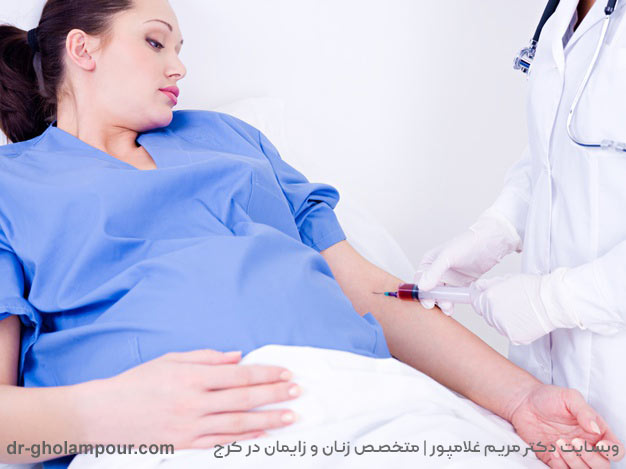
To confirm the diagnosis and rule out other medical problems, the patient may be asked to do some medical imaging such as ultrasound.
Treatment of uterine prolapse
Uterine prolapse treatment methods are prescribed according to its severity and cause. In the case of a mild disease, the patient is requested to strengthen the pelvic floor muscles by following medical recommendations, lifestyle changes and exercise. For example, your doctor may ask you to include Kegel exercises in your daily routine. You don't need a gym or special tools to perform these exercises. It is enough to have a proper contraction in the muscles of the pelvic floor.
If you are overweight, you should have a basic idea to change your diet and lose weight.
Avoid lifting heavy objects.
Use more fiber in your diet to prevent constipation.
Pesari is one of the tools that is placed in the vagina and under the cervix. This device helps to stabilize the uterus and its opening and is used as one of the non-surgical methods of this disease.
Using estrogen can also be effective in treating the disease. This hormone will help restore the strength of vaginal tissues.
In cases where the patient does not respond to non-surgical treatments, surgery will be suggested for treatment.