Can an EKG save your life?

Dr. Leah Mirsafai
تهرانCardiovascular specialist

- General Manager
- 0 Comments
Heart diseases often develop silently and do not show any warning signs until something serious happens. One of the most powerful diagnostic tools in modern cardiology is the electrocardiogram (ECG or EKG). This simple, non-invasive test can reveal vital information about your heart health and even save your life. In this detailed article, Dr. Lia Mirsafaei, one of the best cardiologists in Tehran, explains how an echocardiogram works, when it is necessary, and how timely testing can prevent serious heart complications. src="https://drmirsafaei.com/wp-content/uploads/2025/11/heart-symptoms_11zon-1024x683.jpeg">
Understanding ECG Function
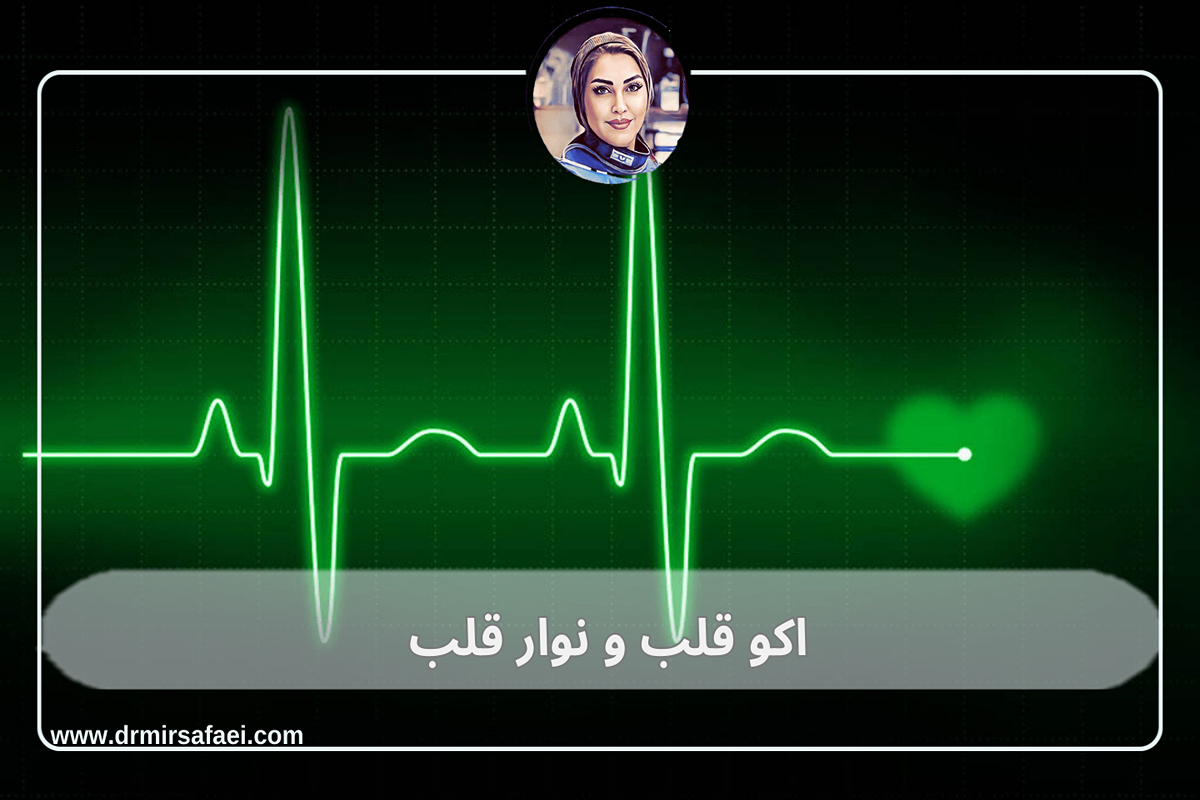
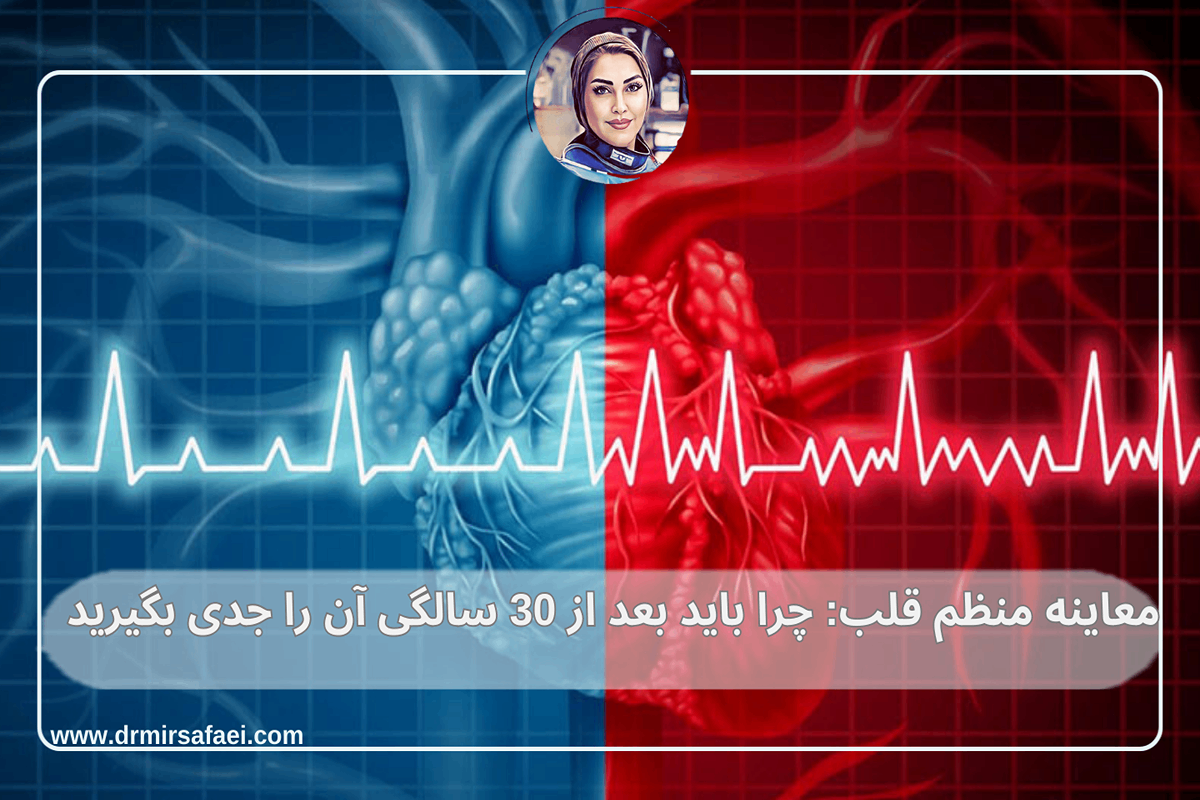
The ECG records the electrical activity of your heart. Each heartbeat produces a small electrical signal that causes the heart muscles to contract and pump blood. The EKG records these signals and displays them as waves on a screen or paper. By studying these wave patterns, Dr. Leah Mirsafai can identify abnormalities in rhythm, heart rate, and electrical conduction that may indicate heart disease. An electrocardiogram is an essential diagnostic tool because it provides immediate and valuable data about heart function. This device helps diagnose diseases such as arrhythmia, heart attacks, poor blood flow or structural problems in the heart chambers. Many people underestimate the importance of a routine electrocardiogram (ECG) until it reveals a life-threatening condition they never suspected.

Why an ECG can literally save your life?
One of One of the main reasons an EKG can save your life is its ability to detect heart problems before symptoms appear. Silent heart conditions such as coronary artery disease or atrial fibrillation may not cause pain or discomfort at first. However, if left undiagnosed, these problems can lead to heart failure or sudden cardiac arrest. Dr. Lia Mirsafai, a prominent cardiologist in Tehran, emphasizes that early detection through an electrocardiogram can be the difference between timely treatment and irreversible damage. For example, subtle changes in the ECG pattern can indicate decreased blood flow or early signs of a heart attack. Early detection of these problems allows for immediate medical intervention—sometimes even before any outward symptoms appear. Your heart communicates through electrical signals, and the EKG converts these signals into data. When you have a simple EKG test, you give your doctor a chance to interpret the "language" of your heart. This interpretation can lead to life-saving decisions, lifestyle modifications or necessary medical treatments.

How the ECG method works
The ECG method is fast, safe and painless. Small adhesive electrodes are attached to your chest, arms, and legs. These electrodes pick up your heart's electrical signals and send them to a machine that records them as a series of waves. During the test, you simply lie down while the machine does all the work. It usually takes less than 10 minutes. After that, Dr. Leah Mirsafai carefully examines the recorded data to find anomalies. He interprets these patterns with care and experience, making sure that even the smallest irregularities are not missed. The results may indicate whether your heart rhythm is too fast, too slow, or irregular. It may also show if you've had a previous heart attack, if your heart muscles have thickened, or if parts of your heart aren't getting enough oxygen.
Your heart never fails. It deserves regular care and attention. An EKG can save your life by detecting hidden problems before they become emergencies. With the expertise of Dr. Lia Mirsafai, one of Tehran's most respected cardiologists, patients get access to accurate diagnosis, preventive care, and personalized heart health strategies. If you are concerned about your heart or want to make sure of its health, don't wait. Schedule your EKG with Dr. Leah Mirsafai today because when it comes to your heart, every beat counts.
EKG and Early Intervention
In cardiology, time is life. The sooner a heart problem is detected, the more effective the treatment will be. This is why an EKG can save your life. This method makes early intervention possible. For example, in cases of acute myocardial infarction (heart attack), EKG can immediately detect changes that indicate reduced blood supply to the heart muscle. When this information reaches the cardiologist quickly, treatment can begin without delay, restoring blood flow and preventing further damage. Dr. Leah Mirsafai uses the results of the ECG as the foundation of a comprehensive treatment plan. Sometimes, he will combine an EKG with other diagnostic procedures, such as echocardiography or a stress test, for a complete evaluation. But an EKG often provides the first and most important clue.
EKG's Role in Preventive Heart Disease
Preventive cardiology focuses on identifying risks before a serious cardiac event occurs. In this context, ECG plays a valuable role. By tracking your heart's electrical activity over time, it helps detect subtle changes that could indicate developing problems. Dr. Leah Mirsafai believes that prevention is the most effective form of treatment. He encourages his patients to consider EKGs not just as a test for emergencies, but as a tool for long-term heart health. Regular ECG, along with healthy habits and medical follow-up, can increase life expectancy and improve the overall quality of life.
How does Dr. Lia Mirsafai help patients through ECG analysis?
Dr. Lia Mirsafai has gained a lot of fame in Tehran due to her expertise in heart care and her personalized approach to each patient. His clinic is equipped with state-of-the-art EKG technology that ensures accurate readings and fast results. More importantly, he takes the time to explain the meaning of EKG results so patients can clearly understand their heart condition. Whether it's adjusting medication, recommending more tests, or advising on lifestyle changes, Dr. Mirsafai's goal is always to protect his patients' hearts and prevent emergencies. His compassionate communication and commitment to accurate diagnosis have made him one of the most trusted cardiologists in Tehran. Many of his patients have discovered hidden heart diseases through EKGs that might otherwise have been overlooked, proving that EKGs can save your life.
Heart Healthy Living
Although the EKG is a powerful diagnostic tool, maintaining a healthy heart also requires constant care. Dr. Leah Mirsafai emphasizes the importance of a balanced diet, regular exercise, stress control and avoiding smoking or alcohol abuse. Even small changes—such as taking a daily walk or reducing salt intake—can significantly improve heart function. These habits, when combined with regular medical examinations and timely electrocardiogram (ECG) screenings, form a strong defense against cardiovascular disease. The test itself only takes a few minutes, but the effects can last a lifetime.
Conclusion
Your heart never fails. It deserves regular care and attention. An EKG can save your life by detecting hidden problems before they become emergencies. With the expertise of Dr. Lia Mirsafai, one of Tehran's most respected cardiologists, patients get access to accurate diagnosis, preventive care, and personalized heart health strategies. If you are concerned about your heart or want to make sure of its health, don't wait. Schedule your ECG with Dr. Leah Mirsafai today because when it comes to your heart, every beat counts.
What should I expect during my first ECG test?
Your first ECG is simple and painless. You lie down while electrodes are attached to your chest, arms, and legs. This test takes about 5 to 10 minutes. Dr. Leah Mirsafai will immediately review the results and discuss the findings or next steps with you.
Can EKG detect all heart problems?
While an EKG can save your life by detecting many heart problems, it may not detect every condition on its own. Sometimes more tests like an echocardiogram or stress test are needed for a complete diagnosis. Dr. Mirsafai often combines these tools for accurate evaluation.
How often should I have an EKG?
The frequency of EKGs depends on your age, lifestyle and medical history. If you have risk factors such as high blood pressure, diabetes, or a family history of heart disease, Dr. Leah Mirsafai may recommend an annual EKG. For healthy, asymptomatic adults, every few years may be sufficient, unless new symptoms develop.