

Bones are often thought of as static and inanimate structures, but the reality is that bone is a living and dynamic tissue that is constantly changing and remodeling. Just like any other organ in the body, bones also need adequate nutrients to maintain their health and strength. Osteoporosis is one of the most common bone diseases in which the bones become thin and fragile and may break even with the slightest impact. This issue can have a significant impact on people's quality of life and in some cases lead to the need for medical and surgical interventions.
Statistics show that this disease is not only for women. According to the report of the International Osteoporosis Foundation, one out of every three women over the age of fifty and one out of every five men in the same age group suffer from bone fractures due to osteoporosis. The worrying thing is that many people don't even know they have the disease until a fracture occurs, because osteoporosis usually has no visible symptoms.
Why is nutrition important for bone health?
Bones not only form the framework of our body, but also act as a reservoir for storing vital minerals such as calcium. When the body needs calcium and does not get it through the diet, it goes to the bone stores and takes calcium from there. If this process continues continuously, it leads to a decrease in bone density and eventually osteoporosis.
Proper nutrition can act as a protective shield against this disease. Numerous studies have shown that a diet rich in specific nutrients can not only prevent osteoporosis, but also be effective in managing and slowing its progression in affected individuals. This issue becomes more important especially for people who are in high-risk groups.
Calcium, the main pillar of bone health
Calcium is undoubtedly the most important mineral for bone health. This element is not only the main constituent of bone tissue, but also plays a vital role in muscle function, transmission of nerve messages, and hormone secretion. Adults need an average of 700 to 1,200 milligrams of calcium per day, but unfortunately, many people do not get this amount.Dairy products such as milk, yogurt and cheese are among the richest sources of calcium. A glass of milk provides the body with approximately three hundred milligrams of calcium. But calcium sources are not limited to dairy products. Green leafy vegetables such as broccoli, cabbage and Brussels sprouts, sesame seeds and lentils, legumes, fortified breads and even some dried fruits such as figs and apricots can also provide significant amounts of calcium.
For people who cannot consume dairy products for various reasons, fortified plant-based alternatives such as soy milk, almond milk, or oat milk are good options. Tofu prepared with calcium is another excellent source of this mineral, which is especially important in vegetarian diets.
Vitamin D, the key to calcium absorption
Having enough calcium in your diet is only half the story. Without enough vitamin D, the body will not be able to properly absorb calcium. This vitamin not only helps the absorption of calcium in the intestine, but also plays an essential role in regulating the balance of calcium and phosphate in the blood, as well as in the reconstruction and renewal of bone tissue. Lack of vitamin D can lead to weakening of bones and a significant increase in the risk of fractures.
A major part of the vitamin D needed by the body is provided by exposing the skin to sunlight. From the end of April to the end of September, short-term exposure to sunlight without using sunscreen can help produce enough vitamin D. But in the autumn and winter months, when the intensity of sunlight decreases, many people suffer from this vitamin deficiency.

Food sources of vitamin D are limited. Fatty fish such as salmon, sardine and mackerel, egg yolk and enriched foods such as some margarine and breakfast cereals are among the few food sources of this vitamin. For this reason, many nutritionists recommend that people consider taking vitamin D supplements during the cold seasons of the year. Older people, those who go out less, people with dark skin, and those who cover their bodies for cultural or religious reasons are more at risk of vitamin deficiency.
Protein, the invisible building block of bone
Although calcium and vitamin D get more attention, protein also plays a key role in bone health. A significant portion of bone tissue is composed of collagen protein, which provides a soft framework on which minerals are deposited. In addition, adequate protein is necessary to maintain muscle mass, and strong muscles in turn protect bones and reduce the risk of falls and fractures.
Studies have shown that people who consume enough protein have better bone density and are less prone to fractures, especially in old age. Protein should make up about twenty-five to thirty-five percent of our daily calories. A variety of protein sources are available, including animal sources such as red meat, poultry, fish, eggs, and dairy, as well as plant sources such as beans, lentils, peas, tofu, nuts, and seeds.
Choosing healthy sources of protein is also important. In addition to protein, plant proteins contain vitamins, minerals and phytoestrogen-like compounds that help maintain bones. In addition to protein, fatty fish are also an excellent source of vitamin D and omega-3 fatty acids, which have anti-inflammatory properties and can help bone health.
Contributory role of other nutrients
Bone health is not only limited to calcium, vitamin D and protein. Several other nutrients also play a supportive and essential role in this process. Vitamin K, for example, is necessary to activate the proteins that bind calcium to bone. This vitamin is abundant in dark green leafy vegetables such as spinach, cabbage and Brussels sprouts. Usually, one serving of green leafy vegetables per day can meet the body's need for this vitamin.
Magnesium is also important for the body's effective use of vitamin D and for calcium absorption. This mineral causes calcium to be placed in its proper place, i.e. bone, and not accumulate in soft tissues. Nuts, seeds, whole grains, green leafy vegetables and legumes are good sources of magnesium.
Vitamin C is also involved in the synthesis of collagen, a protein that forms the structure of bones, cartilage and connective tissues. Collagen can be considered a part of the bone that gives it flexibility in addition to strength. Citrus fruits, bell peppers, strawberries and green leafy vegetables are excellent sources of vitamin C.
Omega-3 fatty acids and reducing inflammation
Chronic inflammation can gradually weaken bones and accelerate the process of bone destruction. Omega-3 fatty acids, which have strong anti-inflammatory properties, can help maintain bone health by reducing inflammation. These fatty acids can also strengthen new bone formation and prevent bone destruction.
Cold water fish such as salmon, trout, sardines and tuna are rich sources of omega-3 fatty acids. For people who don't eat fish, plant-based sources such as ground flaxseed, chia seeds, hemp seeds, walnuts, and canola oil can be good substitutes. Studies have shown that people who eat fish regularly have better bone density and are less at risk of osteoporosis.Fruits and vegetables, the hidden power of bone health
One of the lesser known aspects of bone health is the role of fruits and vegetables. Research shows that eating more fruits and vegetables is associated with improved bone health. These foods are low in calories and fat and rich in fiber, vitamins and essential minerals. They also contain certain plant compounds called phytochemicals that can prevent diseases such as osteoporosis.
Dark green leafy vegetables such as cabbage, kale, Brussels sprouts and broccoli not only contain calcium, but are also rich in magnesium and vitamin K. Fruits rich in vitamin C, such as oranges, lemons, kiwis, and berries, help produce collagen. Dried fruits such as raisins, prunes, figs and dried apricots are also good sources of calcium and other minerals, although they should be consumed in moderation as they contain a lot of natural sugar.It is recommended to consume at least five servings of various fruits and vegetables daily. These fruits and vegetables should be colorful because different colors indicate the presence of different beneficial compounds. The more varied the diet, the more likely it is to get all the required nutrients.
Whole Grains and Brains, Bone Allies
Whole grains also have a special place in a healthy diet for bones. These products are rich in magnesium and fiber and can help maintain bone density. Whole grain bread, brown rice, oatmeal, quinoa, and oats are among the whole grains that are good for bone health. It is recommended to consume about four servings of grains per day, preferably whole grains.
Although kernels and seeds are small, they have a big impact on bone health. Almonds, pistachios, sesame seeds, sunflower seeds, and chia seeds all contain calcium, magnesium, and the right amount of healthy fats. These ingredients can be used as a healthy snack or addition to salad, soup, yogurt or even dessert. Only a small handful of brains a day can provide a significant part of the daily need for minerals.Soy products, a suitable option for everyone
Soy products are rich in calcium and protein, and for this reason, they are considered very useful for bone health. These foods are especially important for people who follow a vegetarian diet or cannot consume dairy products. Tofu, edamame, which are cooked soybeans, and soy milk are soy products that can be included in the daily diet.
It is interesting to know that soy products contain compounds called isoflavones, which have a structure similar to the estrogen hormone. These compounds can help reduce the rate of bone mass loss, especially in postmenopausal women whose estrogen levels have decreased. Studies on Asian populations that consume more soy in their diet have shown that these people have lower rates of osteoporosis.
Vegan diet and bone health
People who eat a completely plant-based diet can also get all the nutrients they need for healthy bones, but they need to plan more carefully. Because the main sources of calcium and vitamin D usually come from animal products, vegans should consider suitable alternatives. Enriched plant-based drinks such as soy milk, almond milk or oat milk, calcium-enriched tofu, sesame seeds and chickpeas, legumes and green leafy vegetables should form the main part of their diet.
For vitamin D, vegans usually have to rely on supplements, because food sources of this vitamin are mostly provided from animal sources. Fortified margarines, fortified breakfast cereals, and vitamin D-fortified plant-based beverages can help, but are usually not enough to reach the recommended daily amount. Vitamin B12 is another nutrient that vegans should pay special attention to and usually need a supplement.
Foods to avoid
While some foods help strengthen bones, others can damage them. Excessive consumption of salt is one of the factors that can increase the amount of calcium that is removed from the body through urine. This can lead to a decrease in bone mass over time. Processed foods, canned foods, fast foods, and salty snacks are the main sources of high salt in the modern diet. Limiting salt intake to about one teaspoon per day can help maintain bone health.
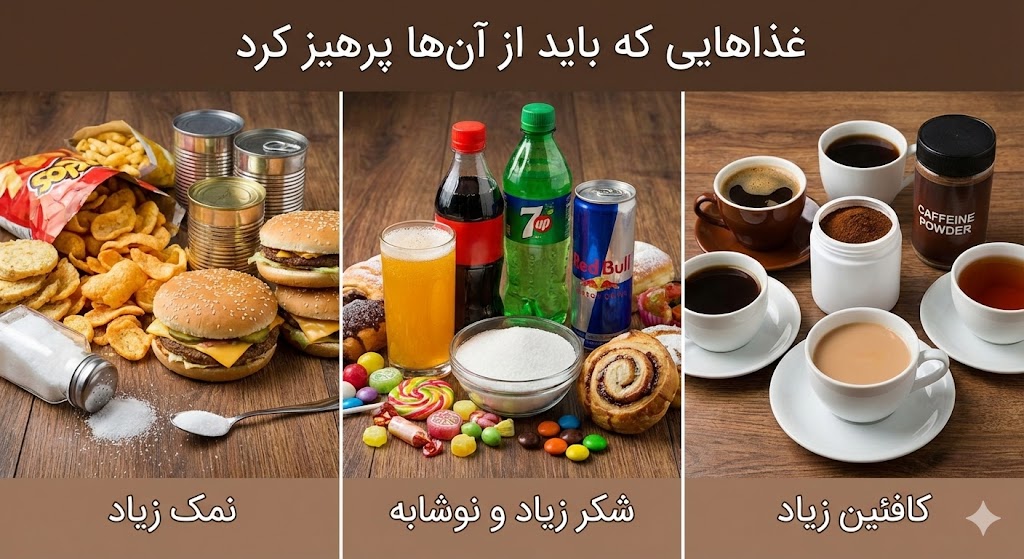
A lot of caffeine can also cause the body to excrete calcium more quickly, especially if you don't consume enough calcium in general. While moderate caffeine consumption, such as two to three cups of coffee per day, is usually safe, excessive consumption should be avoided. Drinking coffee or tea with milk can offset some of the negative effects of caffeine.
Alcohol and bone health
High consumption of alcohol can interfere with calcium absorption and disrupt the balance of hormones that play a role in bone health. Alcohol can also negatively affect the function of bone-forming cells and increase the risk of falls and fractures. Chronic and heavy consumption of alcohol can reduce bone density and significantly increase the risk of fractures.
It is recommended that women and men over sixty-five years of age consume no more than one alcoholic drink per day, and men under sixty-five years of age consume no more than two drinks per day. Drinking alcohol with food can help slow down its absorption and negative effects on bones. For people who are at high risk of osteoporosis, it may be better to limit or avoid alcohol altogether.
Phosphate additives and hidden dangers
One of the lesser known points about bone health is the danger of consuming too much phosphorus. While phosphorus is an essential mineral for bones, too much of it, especially when calcium intake is not sufficient, can damage bones. Phosphorus is used as an additive in many processed foods, and this causes many people to consume too much phosphorus without realizing it.
To avoid this problem, it is better to use fresh and natural foods as much as possible and check the labels of packaged foods carefully. Different words may be used for phosphate on labels, so being aware of this can help you make better choices. A diet rich in fruits, vegetables, whole grains, and natural proteins will automatically have a more appropriate phosphorus-to-calcium ratio.
Diet Planning for Healthy Bones
Creating a healthy diet for bone health doesn't have to be complicated. The general principle is to eat a varied and balanced diet that includes a variety of foods from all food groups. Meals should be based on starchy carbohydrates such as bread, rice, pasta and potatoes, preferably whole grains. Every meal should include a good source of protein, some vegetables or fruit, and some healthy fat. During the day, at least six to eight glasses of liquids should be consumed. Water is the best choice, but milk, fortified plant-based drinks, and caffeine-free herbal teas can also be added. Sugar-sweetened beverages, including industrial juices and soft drinks, should be limited.To ensure adequate calcium intake, try to have a source of calcium at each main meal. For example, breakfast can include milk or yogurt, lunch can include salad with green leafy vegetables and chickpeas, and dinner can include tofu or cheese. Snacks are also a good opportunity to add nutrients; A handful of nuts and a piece of fruit can be a great choice. If more specialized guidance is needed, consultation with specialist doctors and medical teams can help with better planning.

Integrated diet and lifestyle
Finally, it should be remembered that diet is only one factor affecting bone health. Regular exercise, especially weight training and muscle strengthening, plays a very important role in maintaining bone density. Physical activity puts pressure on the bones, and this pressure gives the body a signal to make the bone stronger. Of course, it is important that the exercise is done correctly and with safety precautions to avoid possible injuries. For more information on how to exercise safely and prevent sports injuries, you can refer to the specialized articles of the sports injuries group. Combining a proper diet with regular physical activity is the best way to prevent osteoporosis and maintain bone health at all ages.
Avoidance of smoking is also very important, because smoking directly damages the bones and accelerates the process of bone mass loss. Adequate sleep and stress management are also complementary factors that can affect bone health. The body repairs and regenerates tissues during sleep, and chronic stress can damage bones by disrupting the hormonal balance.
Healthy bones are an asset that we should pay attention to from a young age and maintain it throughout life. By having a varied and balanced diet, rich in calcium, vitamin D, protein and other essential nutrients, along with a healthy lifestyle, we can largely prevent osteoporosis and maintain our quality of life in old age. Bone health is not only important in itself, but it is also closely related to joint health and mobility. Strong bones are the basis for healthy joints and play a role in reducing the risk of problems such as arthritis and joint injuries.