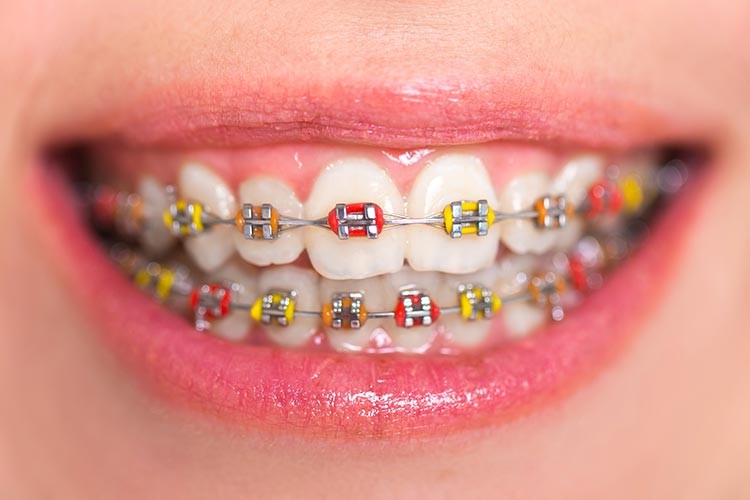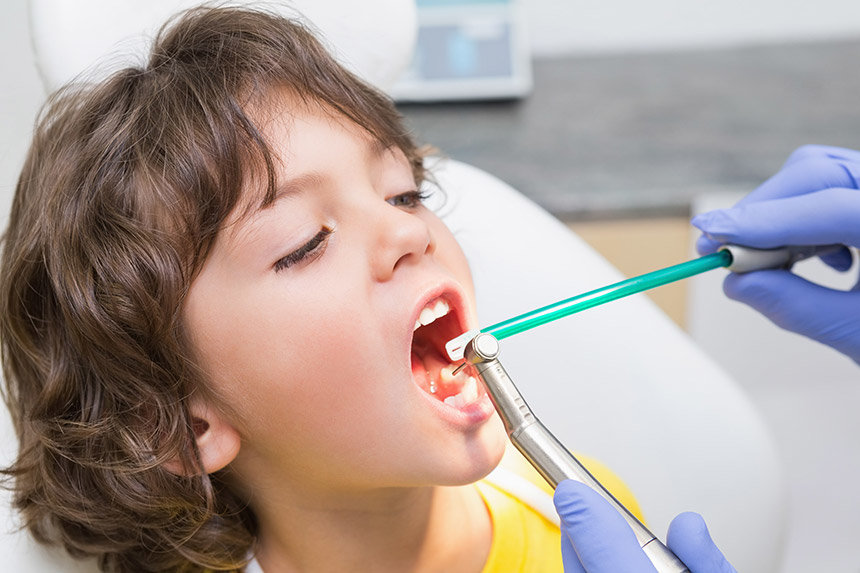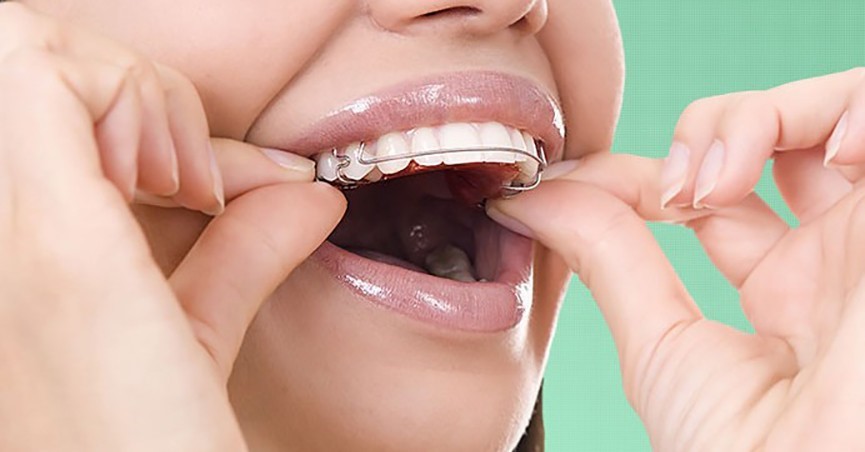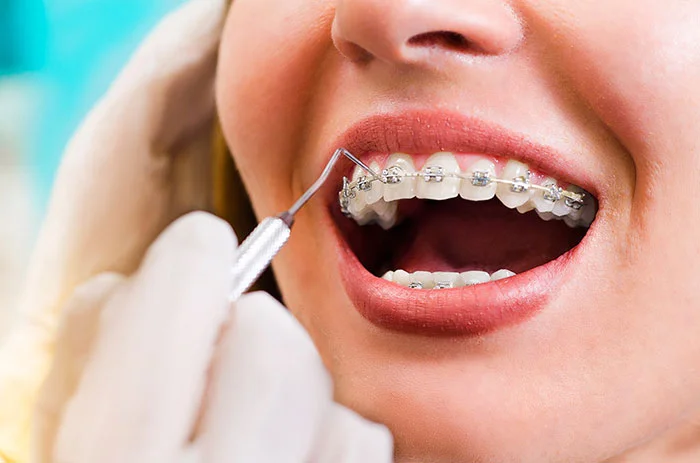

درمان ارتودنسی یکی از مؤثرترین روش ها برای ایجاد لبخندی زیبا و منظم است، اما در کنار مزایای مهم آن، چالش هایی نیز وجود دارد که اگر به درستی مدیریت نشوند، می توانند سلامت دهان و لثه را تهدید کنند. براکت ها، سیم ها و تجهیزات ارتودنسی محیط دهان را پیچیده تر می کنند و همین موضوع سبب می شود لثه بیش از گذشته در معرض التهاب، خونریزی و تجمع پلاک قرار گیرد.
بسیاری از بیماران تصور می کنند مشکلات لثه در دوره ارتودنسی طبیعی است، اما واقعیت این است که بخش عمده این مشکلات با رعایت اصول علمی و مراقبت صحیح قابل پیشگیری هستند. حفظ سلامت لثه در این دوران تنها یک موضوع زیبایی شناختی نیست، بلکه ارتباط مستقیم با موفقیت درمان ارتودنسی دارد.
لثه ای که ملتهب باشد یا دچار خونریزی شود، نه تنها درد و ناراحتی ایجاد می کند، بلکه ممکن است حرکت دندان ها را کند کند، خطر تحلیل استخوان را افزایش دهد و حتی نتیجه نهایی درمان را تحت تأثیر قرار دهد. در این مقاله، یک راهنما ارائه می شود تا بیماران بدانند چگونه می توانند در طول درمان ارتودنسی از لثه های خود محافظت کنند.
روش های علمی جلوگیری از التهاب و خونریزی لثه
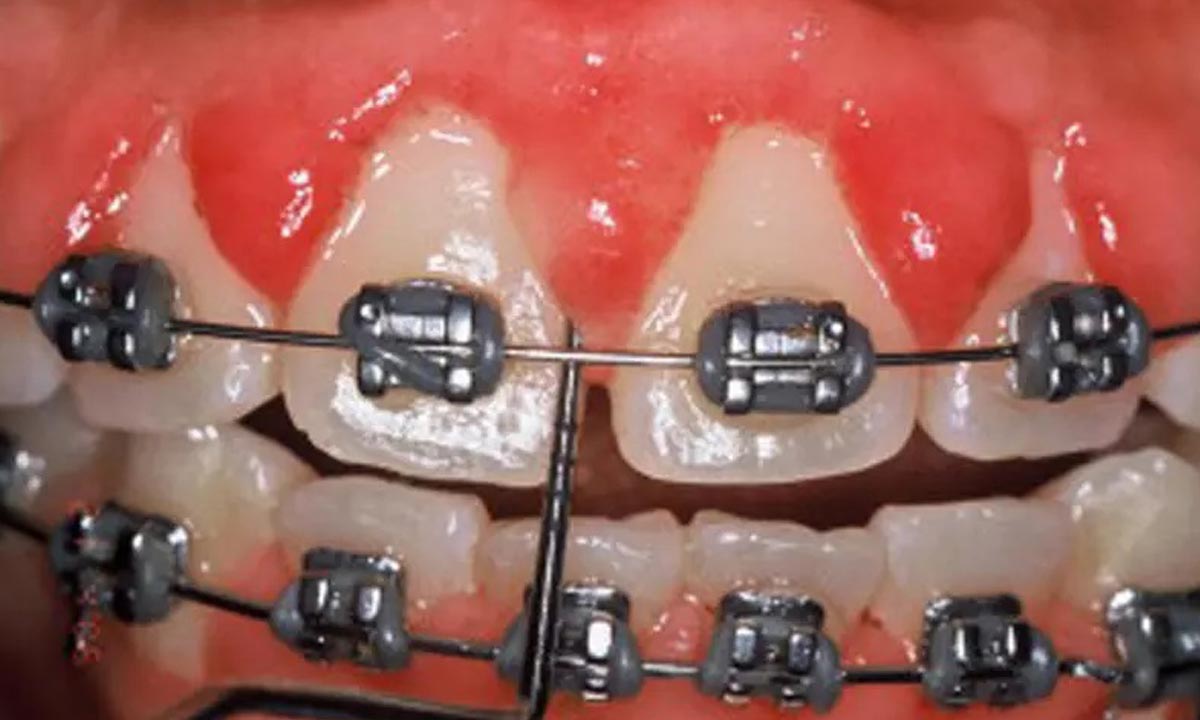
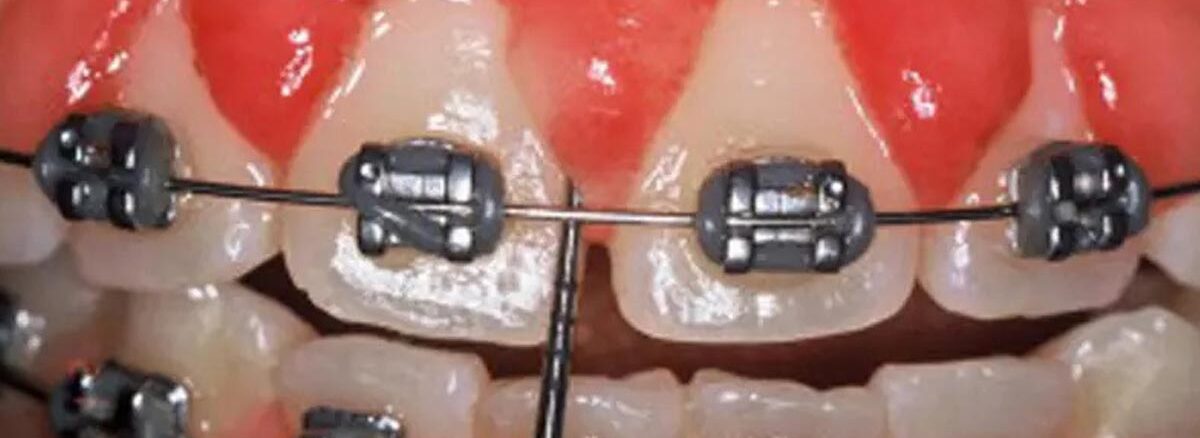
التهاب لثه یکی از شایع ترین مشکلات در طول درمان ارتودنسی است و اولین دلیل آن افزایش تجمع پلاک در اطراف براکت ها و لثه است. زمانی که پلاک و باکتری ها برای مدت طولانی روی دندان باقی بمانند، لثه دچار تورم، قرمزی و در نهایت خونریزی می شود. به همین دلیل است که رعایت اصول علمی در بهداشت دهان، نقش اساسی در سلامت لثه دارد.
اولین قدم در این مسیر، مسواک زدن منظم و اصولی است. مسواک زدنی که فقط روی سطح براکت ها تمرکز کند کافی نیست؛ باید زاویه مسواک طوری تنظیم شود که لبه لثه نیز کاملاً تمیز شود. Regular brushing is only one aspect of proper care.
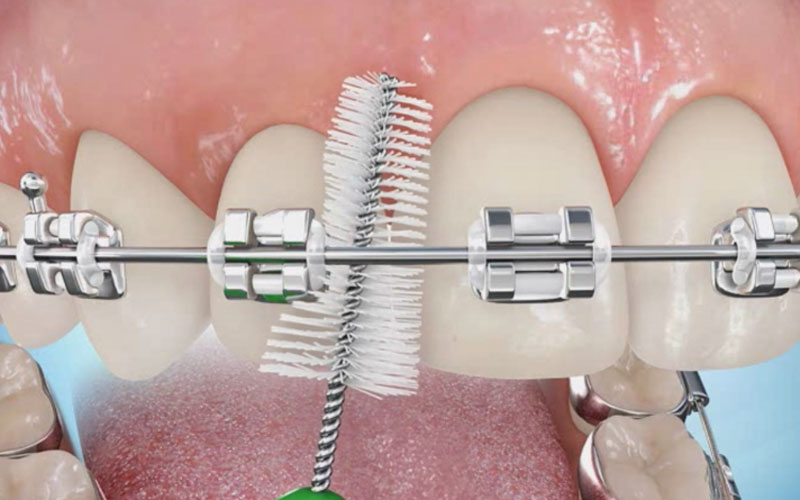
The role of dental floss and interdental washing becomes more important than before during this period, because brackets usually create small and difficult spaces that are perfect places for bacteria to accumulate. Using auxiliary tools such as special orthodontic floss or interdental brushes helps to clean all parts of the mouth completely.
Another scientifically proven point is the importance of controlling inflammation through proper diet. High consumption of sugary substances, sticky foods and acidic drinks makes the oral environment highly prone to inflammation. Orthodontic patients should avoid these things and instead, increase the consumption of water, fresh vegetables, low sugar foods and foods that do not require excessive chewing.
Finally, visit an orthodontic specialist regularly and perform a professional evaluation by a dentist is one of the most reliable ways to prevent gingivitis. Scaling removes hardened plaque and improves gum health. If the gums remain healthy during this period, teeth movement will be easier and painless.
The difference between healthy gums and inflamed gums during orthodontics
| Gum condition | Symptoms | Consequences |
| Healthy gums | Pink color, no bleeding, no Swelling | Improving tooth movement, reducing pain, more successful treatment |
| Inflamed gums | Redness, bleeding when brushing, swelling and sensitivity | Delay in treatment, constant pain, increased risk of gum disease |
The importance of an orthodontic toothbrush and the correct way to use it
Toothbrush Special orthodontics are specially designed for cleaning teeth and brackets. These toothbrushes usually have V-shaped bristles that help to clean the teeth and around the brackets more carefully. The importance of these toothbrushes is due to the fact that ordinary toothbrushes are not able to completely clean all the areas around the brackets, and this increases the risk of gingivitis.
The special orthodontic toothbrush should be placed on the tooth at a gentle angle; in such a way that both the surface of the brackets and the edge of the gums are cleaned. Fast and intense movements not only irritate the gums but also cause tooth enamel erosion. The best brushing technique during this period is to use slow and rotating movements. Patients should brush their teeth at least twice a day and preferably after each meal.
Brushing is not limited to the outer part of the teeth. The inner part of the teeth, the chewing surface and the edge of the gum should also be cleaned precisely. Many orthodontic patients only focus on the brackets and forget about the gums. This is a big mistake, because the main site of gingivitis is the area where the gums and teeth connect.
Using an electric orthodontic toothbrush can also have a very good result, because they are designed in such a way that it is easier to clean difficult spots. Of course, not all patients need this type of toothbrushes, but those who have little time to brush their teeth or are not proficient in the manual method, benefit greatly from electric toothbrushes.