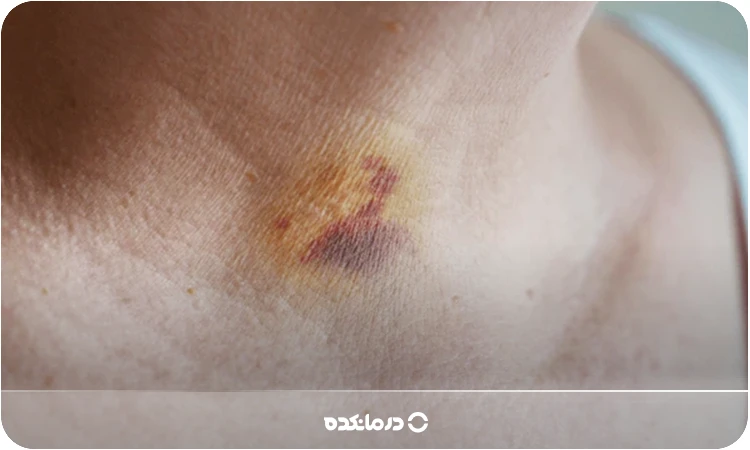
The most important blood tests
Having regular blood tests is one of the most important ways to help you track all aspects of your physical health.... You can have all of these tests done at your convenience.
or GCORP LLC come along.
Learn more: TIBC test interpretation and complications of low or high blood levels
In What Interval Time To Blood Test Normal Do I need ?
Getting tested at regular intervals helps you understand how your physical condition changes over time and empowers you to make informed health decisions.
Your doctor will probably recommend that you have basic blood tests at least once a year. This interval is about the same as the recommended interval for annual physicals.
Of course, this is the minimum reason and explanation for doing these tests.... There are several reasons why you should do more blood tests:
Learn more: What is MCH in the blood test?... The cause of low and high MCH
- You have unusual and persistent symptoms: These symptoms can include anything from fatigue to unusual weight gain or new pains.
- You tend to optimize your health status: Being aware of various blood indicators, including LDL cholesterol and HDL cholesterol, will help you guide your diet or exercise program in an optimal direction.. By doing this, unhealthy habits will be minimized (otherwise, you may not even notice that they are being ignored)... At the same time, the nutrients you get The body reaches maximum or you absorb more nutrients.
- You tend to reduce your risk of illness or physical complications: Regular blood tests help you detect warning signs of almost any disease as soon as possible.. Blood tests allow the diagnosis of many heart, lung and kidney diseases.
If you plan to have certain tests done more than once a year, talk to your doctor first.
Learn more: Folic acid test interpretation.. and everything you need to know about it!
How many routine and peripheral blood tests can I do?
The most common types of blood tests that can be done are:
- Complete Blood Cell Count (CBC)
- Chemical panel (basic metabolic)
- Thyroid panel
- Nutrient tests, to measure levels of vital nutrients such as iron or B vitamins
A few other blood tests you may want to do are as follows:
- Enzyme markers: Done if you are at risk for cancer or other diseases, including cirrhosis of the liver, heart attack, or celiac disease.
- Sexually transmitted disease (STD) testing: If you have multiple sexual partners, or if you have a new sexual partner.
Learn more: What is esr in a blood test?
Why do some blood tests require fasting?Everything you eat or drink contains a set of vitamins, proteins and other nutrients. These foods lead to a temporary increase or decrease in the amount of these substances in the blood.
Fasting for 8 to 12 hours ensures that the test results are independent of these fluctuations... in this way, the results of the tests have the highest possible accuracy.Some common tests that require fasting are as follows:
- Cholesterol tests
- Blood sugar test
- Liver function tests Kidney function tests
- Basic metabolic panel
- Glucose tests
It takes a few hours to a few days for the results to be available... Here is general information about how long it takes to get test results:
- Full blood cell count: 24 hours
- Basic metabolic panel: 24 hours
- Complete metabolic panel: 24-72 hours
- fat panel (fat): 24 hours
The time it takes to get results depends on which lab you have the test done at, or how many tests you have at the same time....If you have multiple tests, you may not get the results until all the tests are done.
Sometimes, the lab releases the results only to the doctor, who reviews the results and then releases them to the patient.
See more: Best Hematology Specialist
What someone request do a blood test
?.Usually, the doctor prescribes a blood test to check the physical condition or for an appointment that requires examination of a certain disease.
Blood tests are usually fully or partially covered by insurance....Tracking the tests through the health insurance company ensures that the patient does not pay too much..
Everything you eat or drink contains nutrients... these foods lead to a temporary increase or decrease in the amount of these substances in the blood and can be understood through a blood test.
10 Test Blood Important
Let's take a closer look at the tests that should be done regularly for adults.
1... Complete blood count (CBC)
The complete blood cell count (CBC) test measures the concentration of 10 important substances in the main blood cells. The main cells are red blood cells (erythrocytes), white blood cells, and platelets.. The important compounds that are measured by this test are the number of red blood cells, hemoglobin, hematocrit.
Here, you can see the common domain of the obtained results:
If these components are in abnormal ranges, they indicate the following problems:
- Nutritional problems such as vitamin B6 or B12 deficiency
- Iron deficiency Bone marrow diseases
- Tissue inflammation
- infection
- Heart diseases
- Cancer
Based on the results, your doctor may want you to have other tests. This will identify abnormal values and suggest potential treatments.
Read more:What diseases does blood concentration cause?
2... panel metabolic basic
The basic metabolic panel (BMP) measures the amount of certain compounds in the blood:
- Electrolytes
- Calcium
- Glucose
- Sodium
- Potassium
- carbon dioxide
- Chloride
- Blood urea nitrogen (BUN)
- creatinine
To perform this test, you must fast for at least 8 hours before taking the sample.
Abnormal results indicate kidney diseases, diabetes, and hormonal disorders. The doctor diagnoses each of these diseases by performing more tests.
3... Panel Metabolic Complete
Complete Metabolic Panel (CMP), includes all measurements made in the Basic Metabolic Panel (BMP), plus additional proteins and substances related to liver function.
- Albumin
- total protein
- Alkaline Phosphate (ALP)
- Alanine aminotransferase (ALT)
- aspartate aminotransferase (AST)
- Bilirubin
For the material covered in the base panel, similar results can be obtained for the full panel.. Other abnormal levels indicate disease:
4.... Panel fat
This test is dedicated to checking the concentration of two types of cholesterol:
- High-density lipoprotein (HDL) or good cholesterol
- Low-density lipoprotein (LDL) or bad cholesterol
HDL is a useful parameter because it leads to the removal of harmful substances from the blood.. at the same time it helps the liver to break them down... LDL is undesirable because it leads to the formation of blood plaque inside the arteries.... In such a situation, the risk of heart diseases increases.
Before performing this test, you must fast for at least 6 hours.
Here are the ranges for each of these parameters:
Also, normal values can change with age.
5... Panel Thyroid
Thyroid panel or thyroid function test shows how much the thyroid produces and reacts to certain hormones.
(Read about the thyroid function test result in this article.)
- Triothyronine (T3), together with T4: regulation of heart rate and body temperature:
- T3 resin absorption: This indicator shows how strong a hormone called thyroxine binding globin is.
- Thyroxine (T4) together with T3 determines the body's metabolism and how the body grows.
- Thyroid Stimulating Hormone (TSH): helps regulate the amount of hormones produced by the thyroid.
Thyroid is a small gland located in the neck.. The task of this gland is to regulate body functions such as mood, energy level and overall metabolism.
Normal thyroid test results are as follows:
- T3: 100-200 ng/dl of blood
- T3RU: depends on T3 levels (high T3 is low and vice versa)
- T4: 5-12 mcg/dL
- TSH: 0.4-4 international units per milliliter
The abnormality of these hormones indicates the presence of various diseases. Among these diseases, we can mention low protein levels, thyroid growth disorders, and abnormal testosterone or estrogen levels.
6... Enzyme markers
Enzymes are proteins that help your body carry out certain chemical processes....such as breaking down food or blood clotting....they are used throughout the body to perform many vital activities.... Abnormal levels of enzymes are a sign of various diseases.
The most common enzymes that are tested are:
- Creatine phosphokinase (CPK-1): This enzyme is found in the lungs and brain.... High level of this enzyme is a sign of brain damage or cancer.
- CPK-2) CK-MB): These enzymes are active in the heart... They increase after a heart attack or other damage to the heart.
- CPK-3: These enzymes are also found in the heart.... These enzymes are caused by muscle inflammation, injury or intense physical exercise.
- Troponin: is a cardiac enzyme that can enter the blood stream.... This enzyme is caused by heart damage.
The natural range of introduced enzymes:
- CPK-1: about 200 units per liter
- CPK-2: 5-25 international units per liter
- CPK-3: approximately 200 U/L Troponin: less than 0.02 ng/L
Currently, diagnosis of most sexually transmitted diseases (STDs) is possible with the help of blood samples. These tests are usually combined with urine samples or sections of infected tissue to obtain more accurate results.
The following diseases can be diagnosed through a blood test:
- Chlamydia
- Gonorrhea Herpes
- AIDS Syphilis
When there is a new infection in the body, the accuracy of the blood test decreases.... For example, in relation to the diagnosis of AIDS infection, one should wait at least one month until the conditions are met to detect the presence of the virus through a blood test.
Coagulation tests show how well the blood clots, in other words, how long it takes for the blood to clot. Examples include the prothrombin time (PT) test and the fibrinogen activity test.
Clotting is an important process. It helps stop bleeding after a cut or skin wound. However, clot formation in important veins or arteries can be fatal.. Clots block blood flow to the brain, heart, and lungs. As a result of this situation, stroke or heart attack occurs.
The results of coagulation tests will vary according to your level of health and the presence of comorbidities that affect the clotting power of your blood.
The results obtained from this test are used for medical diagnoses in the following areas:
- Acute myeloid leukemia
- Excessive bleeding hemophilia
- Thrombosis
- Liver diseases
- Vitamin K deficiency
9... test serum DHEA – sulfate
The hormone dihydroepiandrosterone (DHEA) is secreted from the adrenal glands.... This test is dedicated to measuring the high/low level of this hormone.
The DHEA hormone in men causes hair growth in the body.. Therefore, low levels of this hormone are considered abnormal.. In women, high levels of this hormone lead to male characteristics such as hair loss.. Therefore, low levels of this hormone in women are normal.
A low level in men is called DHEA deficiency. The causes of this condition are as follows:
- Type 2 diabetes Kidney disease
- Anorexia nervosa
- AIDS
The high level of this hormone in women or men can be caused under the following conditions:
- Cancer or tumor in the adrenal glands
- Early puberty due to congenital hyperplasia of adrenal glands Abnormal sexual development
- Polycystic ovary syndrome (in women)
- 10... test C-reactive protein CRP
- Arthritis
- infection
- Inflammatory bowel disease Arthritic rheumatism
- Lupus
- Cancer
The higher these values are in the results, the higher the risk of heart disease.
- Less than 1 mg - low risk
- 1 to 2.9 mg - moderate risk
- More than 3 mg - high risk
- More than 10 mg - very high risk, in which case more tests are needed to determine the extent of internal inflammation.
What are the common functions during a blood test?
These procedures are usually performed in an office or laboratory and take a few minutes to complete.
A laboratory technician or nurse performs the following steps to perform a blood test:
- Cleaning the area of the arm from which blood was taken.
- Tie a rubber band around your arm so your veins are practically visible.
- The needle connected to the tube is gently placed on the arm to receive the sample.
- Remove the needle from the skin, after the sampling is completed, remove the rubber from the arm.
- Covering the area with a bandage or clean medical cotton tape.
The risks of regular blood tests are very small, although they include the following.
- Slight pain or discomfort during needle injection Fainting due to blood loss
- vein perforation
Final speech
Blood test reflects an overview of your health condition... Also, these tests are good results to show that diseases are diagnosed as soon as possible.... In addition, the body's response to treatment is determined in different conditions.
Get a basic blood test at least once a year....Talk to your doctor to understand the need for further testing...These tests will help you stay in optimal health..... In this regard, click here to perform all types of blood tests at home and at work without going to the laboratory
[sibwp_form id=5] Was this article useful for you?
![Which fruit increases blood pressure [high and low]? 18 effective fruits](/storage/posts/covers/2026_01_08/ef00bb701cbb99e90a24ba8d73265ba4c08936335e859a33b69553f5c5e737a2.webp)
![For whom is rhinoplasty dangerous? [10 groups+cause+solution]](/storage/posts/covers/2026_01_06/3e06a993c87e243daaf67dc69ac3e484d377b2708c93656820e0084ea4f080d6.webp)
![What fruits have vitamin B12? [13 fruits + consumption tips]](/storage/posts/covers/2026_01_06/dfaeceb7cb9a203805aeba8715bf7cdea6f5cb2b5b9314e1898807545e874bb1.webp)
![Is nasal massage necessary after surgery? [Training + 5 effective benefits]](/storage/posts/covers/2026_01_06/1f2686c8d522130d256828a51d7d46594dbde31ec2253325e6a8a38f04094789.webp)
![The best drops to reduce eye pressure [14 powerful drugs + method of administration]](/storage/posts/covers/2026_01_06/0177c50098eb80d878d1c883d09ae31ad2f489b17e1288f52018e3f8ef213e5f.webp)
![What is hair filler? [9 benefits, how to inject + durability of hair filler]](/storage/posts/covers/2026_01_06/c21c5e1ff48e9af8214111dfe0b867586f298e3d74a95fadda02b0b04df12598.webp)
![The strongest antibiotic for tonsil infection [7 drugs + method of administration]](/storage/posts/covers/2026_01_06/7b5adf6bb8cf556824d96570b6adba58f824b3a7f248993cfaafb73c0b5b8610.webp)
![Garlic pills for weight loss [4 effective benefits and side effects + how to use]](/storage/posts/covers/2026_01_06/c49f08b482d5860218c8635e48194a50f2ed48b51ef15925aa2d73d8393ff3ab.webp)
![What foods increase eye pressure? [8 harmful foods and drinks]](/storage/posts/covers/2026_01_06/52929c4d1b9ed7916d3fc5a8e45060479fb186f332dd217e68905f71f89a33f0.webp)
![What foods lower eye pressure? [18 useful foods]](/storage/posts/covers/2026_01_06/f180eb15f8e64fc9b386f9d5dc7936a5e416af36032be3bdcdf9054925a21d43.webp)
![itchy scalp; 18 causes [medical treatment + 11 home remedies]](/storage/posts/covers/2026_01_06/a1e116ec1c6243fd5c4e6fb951da5cb33bbd92a09c44e29b845852a86f550681.webp)
![What is intestinal colitis and what are its symptoms? [3 causes + definitive treatment]](/storage/posts/covers/2026_01_06/d3384e9221c036ff3eb447c69ffabb109dd6c0c35f5e5f0af775c4545cfd7ea5.webp)
![The best pills for irritable bowel syndrome [10 powerful drugs]](/storage/posts/covers/2026_01_06/70f02d6808fab88d67b0c6734a623e5e71982d323dbd2fb8158c29669849b813.webp)