مقاله تخصصی
Introduction of various materials for tooth filling: a comprehensive and scientific guide
3 weeks ago
412 بازدید

Dr. Mohammad Hossein Tajik
تهرانdentist
Introduction to various materials for filling teeth: a comprehensive and scientific guide
Tooth filling is one of the most common treatment methods in dentistry, which is performed in order to repair decayed, broken or damaged teeth. Choosing the right material for tooth filling plays an important role in the durability, beauty and overall health of the mouth and teeth. In this article, we will introduce the types of materials used to fill teeth, the advantages and disadvantages of each, and the points that you should consider when choosing the right material. --jtoc-toggle-position-right --jtoc-toggle-1 --jtoc-has-numeration --jtoc-has-custom-styles --jtoc-is-unfolded">
Types of materials for tooth filling
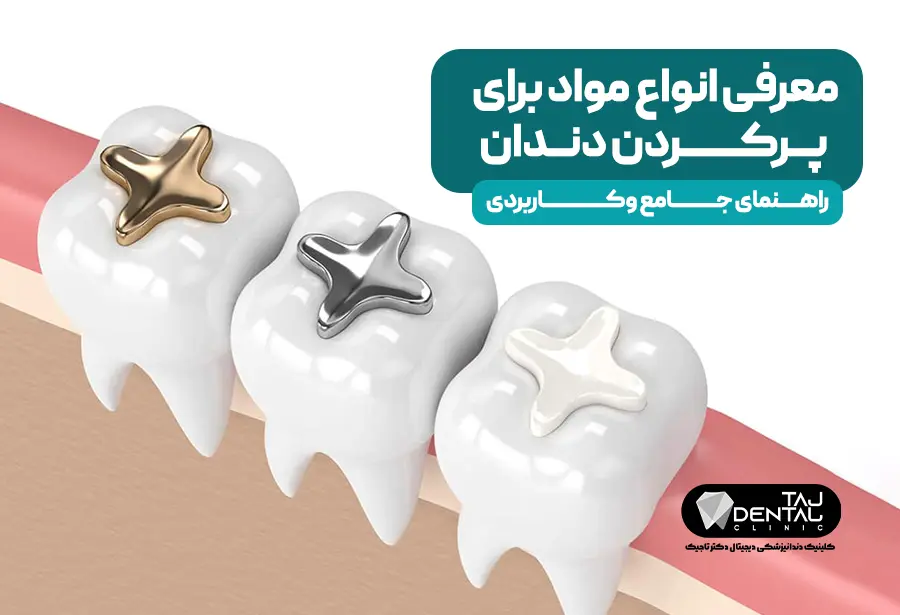
1. Filling teeth with amalgam

Filling teeth with Amalgam
Definition and use
Amalgam is one of the oldest materials used to fill teeth, which consists of a combination of materials such as silver, mercury, tin and copper. This material is mostly used to fill posterior teeth that are under more pressure.
Advantages
- High durability: Amalgam has a long life and high resistance to chewing pressure.
- Cost Cost-effective: Amalgam is one of the cheapest dental filling materials. Less technique needed: Amalgam installation is relatively simpler than some other materials and does not require special equipment. Disadvantages justify;">
- Unfavorable appearance: Amalgam has an unfavorable color that can be seen on the front teeth.
- Sensitivity to fluoride: High consumption of fluoride may cause further destruction of amalgam.
- Health concerns: The presence of mercury in amalgam has caused concerns about the patient's health.
2. Filling teeth with composite

filling teeth with composite
Definition and Application
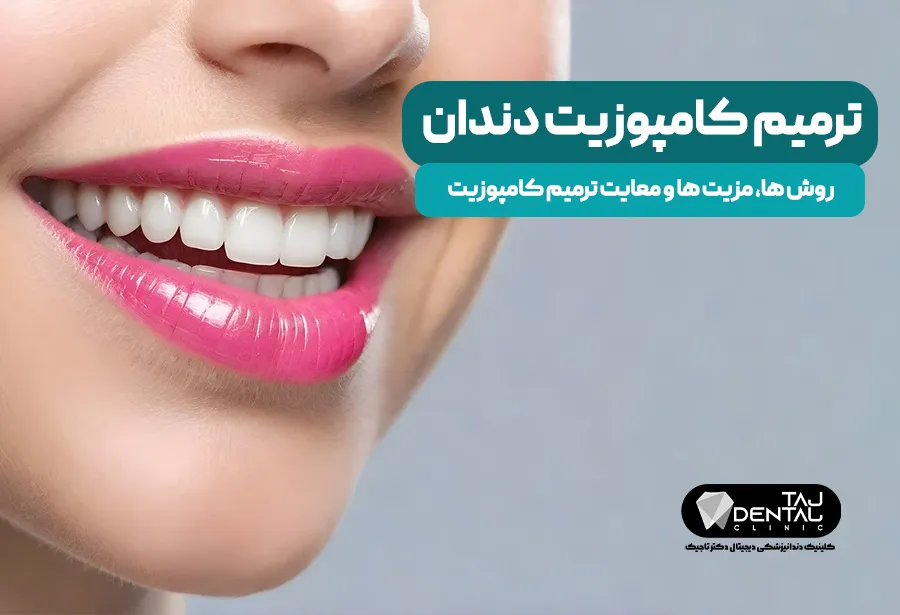
Composite is a beautiful synthetic material. which consists of epoxy resins and glass fibers. This material can match the color of the teeth and is mostly used to fill the front and damaged teeth. href="https://taj.dental/dental-composite-restoration/">Composite has the ability to match the color of the teeth and fits naturally in the tooth.
Disadvantages
- Less durable: Compared to amalgam, composite is less durable and may require repairs sooner.
- Higher cost: Composite is usually more expensive than amalgam.
- Vulnerability to oils and stains: Food imitations may cause discoloration and staining.
3. Filling teeth with ceramics

filling teeth with ceramics
Definition and application
Ceramics are made of special ceramics that are similar to tooth enamel. These materials are mostly used to fill the front teeth and areas where the beauty of the appearance is more important.
Advantages
- Very natural appearance: Ceramics are very beautiful and transparent and match the best tooth color
- High Durability: Due to their high quality, ceramics are highly durable and can last for years without needing to be replaced. lang="fa" style="text-align: justify;">
- High cost: Ceramics are one of the most expensive dental filling materials.
- Need for advanced technique: Ceramic installation requires advanced equipment and techniques.
- Fragility: Despite high durability, ceramics may break in case of severe impact.
4. Filling teeth with glass aorite

Tooth filling with glass aorite
Definition and application
Glass aorite is a resistant type of ceramic for Restoration of front teeth is used. This material consists of a combination of ceramics and metal foils, which increases its resistance.
Advantages
- Natural appearance: Aureite glass is similar to tooth enamel and has a high beauty.
- Suitable durability: The combination of metal and ceramic is durable.
- Resistance against cracking: This material has good resistance against breaking and cracking.
Disadvantages
- Cost Top: Like other ceramics, glass aorite is also expensive.
- Fragile under high pressure: It may break under very high pressures.
- Requires precise technique: Installation of this material requires high precision and expertise.
5. Tooth filling with zinc oxide ionomer (Zirconomer)
Definition and application
Zinc oxide ionomer is a filling material that consists of a combination of zinc oxide and polymers. This material is mostly used to fill pediatric and children's teeth.
Advantages
- Fluoride secretions: This material can release fluoride that helps prevent tooth decay again.
- Suitable durability: It has good durability and is suitable for filling temporary teeth.
- Suitable for children: Due to safety and ease of installation, it is more suitable for children. justify;">
- Less natural appearance: This material does not look as natural as composite and ceramic.
- Less durable: It is less durable than other materials and may need to be replaced sooner.
- Moisture sensitivity: Proper installation requires a dry environment to avoid damage during treatment.
Comparative table of tooth filling materials
| material type | Advantages | padding: 1px solid #ddd;">cost | thead> | |
|---|---|---|---|---|
| Amalgam | High durability, cost-effective installation | Unpleasant appearance, sensitivity to fluoride | Bottom | Long term | Composite | Repair less teeth style="padding: 10px; border: 1px solid #ddd;">Lower durability, higher cost, vulnerability to stains | Medium to high | Medium to long term |
| Ceramic | Very natural appearance, resistant to staining | High cost, can break under high pressure | very high | long-lasting | natural appearance, durable Cracking | High cost, breakable under high pressure, requires precise technique | High | Long term |
| Zinc oxide ionomer | Fluoride release, good durability, suitable for children | Less natural appearance, less durability, sensitivity to moisture | bottom to medium | medium |