
Table of Contents
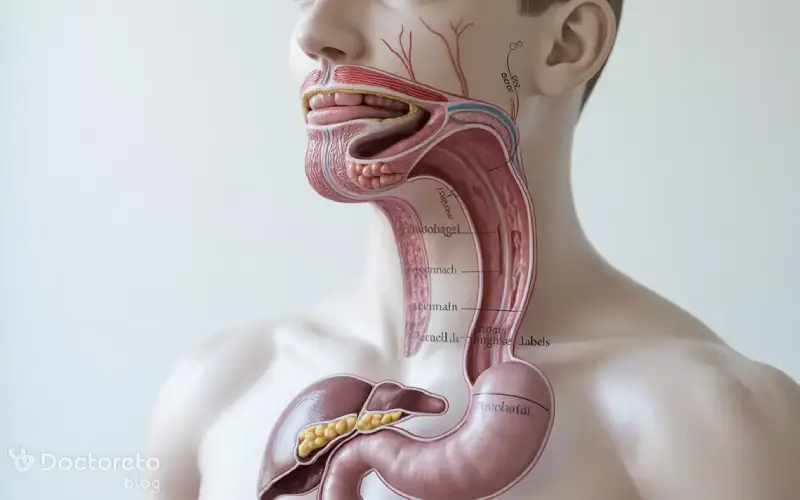
Herbal teas and infusions such as turmeric, green tea, fennel and ginger contain active ingredients that help reduce inflammation, improve digestive movements, and reduce some digestive system discomforts. Although these teas are not considered a definitive treatment for digestive diseases, they are used as a complementary treatment in the daily schedule with the approval of the doctor. Teas will be effective in reducing mild symptoms of digestive diseases. In the rest of this article, we will introduce the best tea for the digestive system from your doctor. Stay with us.
How do teas help the digestive system?
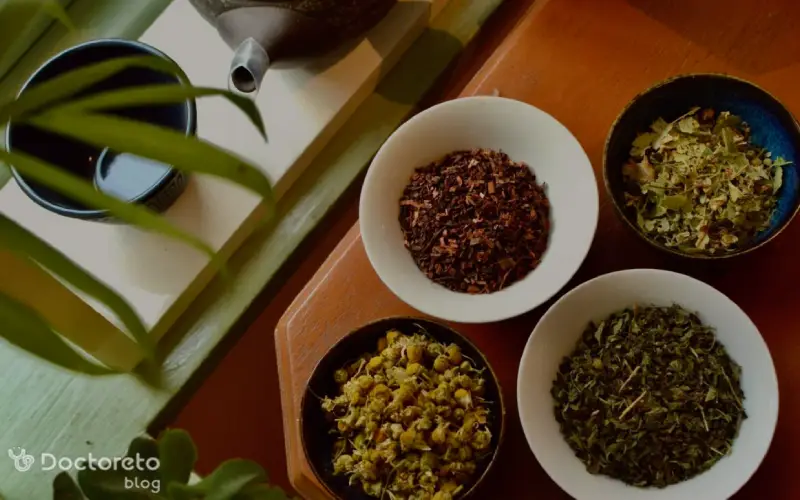
Many herbal teas such as ginger, fennel, chamomile, and peppermint are traditionally used to soothe the stomach, reduce inflammation, and help improve bowel movements. Some studies show that the active compounds in these plants help to better digest food and strengthen the digestive system by relaxing the smooth muscles of the intestine, reducing gas and having mild anti-inflammatory effects.
| Type of tea | Type of effect on the digestive system |
|---|---|
| Ginger tea | Reducing nausea, helping digestion, reducing bloating, mild stimulation of stomach movements |
| Mint tea Pepper | Reduce intestinal spasms, relieve abdominal pain, reduce bloating and IBS symptoms |
| Chamomile tea | Mild anti-inflammatory effect, soothing the stomach, help with mild indigestion and reflux |
| Fennel tea | Reduce gas and bloating, relax intestinal smooth muscles, help eliminate Gas |
| Cumin tea | Improving digestion, reducing bloating and the feeling of heaviness after meals |
| Licorice tea (DGL) | Protecting the gastric mucosa, reducing burning and reflux symptoms |
| Thyme tea | Helping digestion, reducing bloating and antispasmodic effect Mild |
| Dandelion tea | Stimulates bile secretion, helps digest fats |
| Senna tea | Stimulating laxative, increases bowel movements (short-term use only) |
| Ginger + lemon tea | Helps digestion, reduces nausea and feeling full Stomach |

The best teas for the digestive system by symptom
Teas are rich in antioxidants and compounds such as polyphenols that neutralize free radicals and reduce inflammation. Some studies have shown that these compounds play a role in reducing the symptoms of inflammatory bowel diseases such as ulcerative colitis; However, they are not a substitute for medical treatment.It is better to note that the available evidence about the effect of teas in inflammatory bowel diseases is limited and insufficient, and these methods should not be considered as treatment or therapeutic support. In the following, we have introduced some of the best herbal teas for the digestive system based on symptoms.
English text:
quoted from ncbi.nlm.nih
Evidence for herbal therapies in inflammatory bowel disease remains limited and inconsistent.
Persian translation:
Evidence for herbal therapies in inflammatory bowel diseases is limited and inconsistent.
1. The best tea for bloating and gas
Fennel tea is one of the most well-known options for reducing bloating, gas and abdominal pain. The compounds in fennel help to relax the muscles of the digestive system and facilitate the elimination of gas. Meanwhile, some people may be able to benefit from the properties of mint, ginger, oregano and cumin teas.
2. The best tea for indigestion and stomach heaviness
Chamomile tea is used to reduce indigestion, stomach heaviness and mild reflux symptoms due to its anti-inflammatory and soothing properties. This tea helps to reduce the irritation of the gastric mucosa. Also, herbs such as mint, ginger, caraway and cumin can help strengthen the digestive system and prevent indigestion.
3. The best tea for nausea
The teas of ginger, chamomile, peppermint, fennel and licorice are among the most effective options as herbal tea to relieve nausea Ginger may help reduce nausea in some specific situations, but its definitive effect on gastric emptying has not been proven in general.
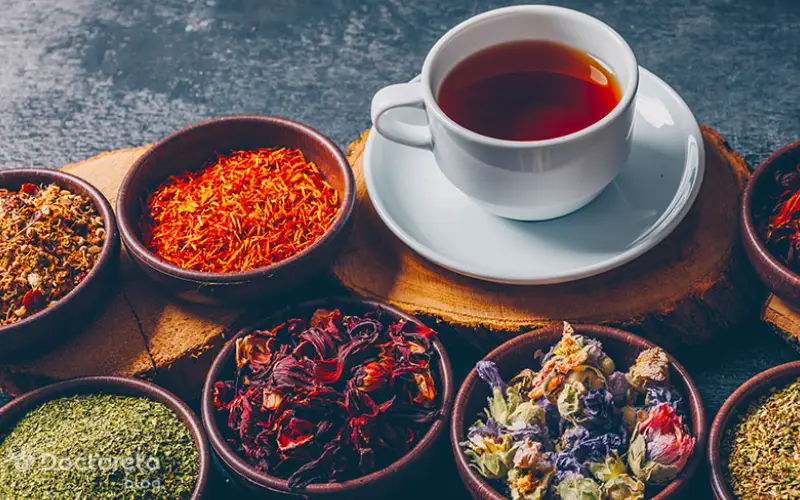
Mint, ginger, fennel, and chamomile teas help reduce intestinal muscle spasms and abdominal pain in patients with irritable bowel syndrome (IBS). Peppermint is most effective in reducing IBS pain and bloating.
English text:
Healthy gut drinks have been used for centuries in many cultures and are now at the forefront of many research studies. Fermented drinks like kombucha and kefir may promote gut health. Green tea and ginger tea might also help ease gut symptoms. Persian translation: Gut healthy drinks have been used for centuries in many cultures and are now at the forefront of many research studies. Fermented beverages such as kombucha and kefir promote gut health. Green tea and ginger tea will also help reduce gut symptoms.5. The best tea for constipation
Some teas such as senna and rhubarb have a stimulating laxative effect and increase bowel movements; But their consumption should be short-term and with caution. Less risky options such as ginger and fennel are also more suitable for mild constipation.
6. Tea for reflux and heartburn
Chamomile, ginger and licorice teas (DGL type) help to reduce the symptoms of reflux and heartburn. Also, non-acidic drinks such as coconut water or vegetable milk are good options for treating these digestive problems. Consuming non-carbonated and sugar-free drinks are also recommended for those suffering from reflux and heartburn.The right way to use tea for a better effect
Drinking tea can be an opportunity to relax and pay attention to the health of the body, but knowing its properties and limitations is very important. To benefit more from the properties of teas, keep the following things in mind:
- Heat water to near boiling point (not full boil).
- Brew the tea according to the instructions for 5 to 10 minutes.
- Allow the drink to cool slightly and then consume.
Complications and contraindications of digestive teas
Excessive or incorrect consumption of some teas causes side effects. Teas containing caffeine can cause insomnia or headaches if consumed in large quantities. In some people, drinking green tea on an empty stomach irritates the stomach and increases the risk of gastritis. Also, teas like senna are not recommended for long-term use. In pregnant patients, people with chronic diseases or users of certain drugs, it is necessary to consult a doctor before consuming any type of infusion.
Conclusion
The best tea for the digestive system is usually peppermint tea, as it helps reduce bloating, heartburn and intestinal spasms, and improves digestion. With its sedative properties, mint relaxes the muscles of the digestive system and reduces the feeling of heaviness after eating. In addition, teas such as ginger and chamomile are also very useful for digestive health; Ginger reduces nausea and indigestion and chamomile calms stomach inflammation. Drinking these teas regularly can help the stomach and intestines function better and give the body a more relaxed feeling. These drinks are used as a natural and complementary solution to reduce mild digestive discomfort; But they are not a substitute for medical treatment and should be used consciously.
Your doctor takes care of your health!