Listen to the summary of this article in this podcast:
Symptoms of diabetes occur when a person's blood sugar is high for a long time and damages different organs of the body. Damage to kidneys, nerves, eyes and heart are among the common complications of diabetes. These complications may occur in different age groups from young people to the elderly. For this reason, to avoid the risks of diabetes, it is better to have a careful management of your blood sugar and, if necessary, see a specialist doctor. Stay with us in the continuation of this article from Dr. Toto medical magazine to examine the complications of diabetes in detail.
What are the complications of diabetes?
Diabetes is a chronic disease that causes high blood sugar levels due to the body's inability to produce or use insulin effectively. If diabetes is not controlled, it can gradually damage different organs of the body and lead to serious complications such as heart, kidney and eye problems.
Short-term complications of diabetes include hypoglycemia (severe drop in blood sugar) and hyperglycemia (excessive increase in blood sugar), which can cause confusion, weakness, sweating, and even unconsciousness. On the other hand, long-term complications of diabetes refer to permanent damage to body organs such as kidneys, nerves, and eyes.
Symptoms of diabetes include:
Diabetic foot ulcer
Diabetic neuropathy in patients
Diabetic ketoacidosis
heart disease
kidney disease
eye disease
Skin disease
Oral and dental disease
Diabetic coma
Common complications of diabetes
Dangerous complications of diabetes
Diabetic retinopathy
Diabetic ketoacidosis
Diabetic nephropathy
Hypersmolar syndrome Hyperglycemic
Peripheral neuropathy
Severe hypoglycemia
Coronary artery disease
Acute renal failure
Peripheral vascular disease and diabetic foot
Invasive infections
Gum disease and Mouth
Acute heart or brain attack
You can see the common and dangerous complications of diabetes in the table above.
1. Diabetic foot ulcer
Diabetic foot ulcer is a wound that develops on the foot due to the combination of neuropathy, decreased blood supply and infection and heals slowly. In these patients, the feeling of pain in the leg is reduced and pressure or small injuries are not noticed by the patient, as a result, simple blisters and cracks can become deep wounds. High sugar disrupts immune defense and wound healing and increases the risk of infection, gangrene and amputation.
Diabetic neuropathy is damage to peripheral nerves caused by chronic high blood sugar. The most common condition is the involvement of the feet, which causes tingling, burning, numbness and pain at night and can gradually reach the hands. Autonomic nervous system disorders may also affect blood pressure, heart rate, digestive system, and sexual function. Sugar control, smoking cessation, and neuropathic pain medications can slow progression and control symptoms to some extent.
It is possible to prevent the complications of diabetes by controlling blood sugar.
3. Diabetic ketoacidosis
Diabetic ketoacidosis is an acute emergency caused by severe insulin deficiency and extensive breakdown of fats. In this case, ketones accumulate in the blood and metabolic acidosis, dehydration, high blood sugar, and electrolyte disturbances occur. Symptoms include nausea, vomiting, abdominal pain, deep breathing, and a fruity smell in the mouth, and can lead to a decrease in consciousness.
4. Heart disease
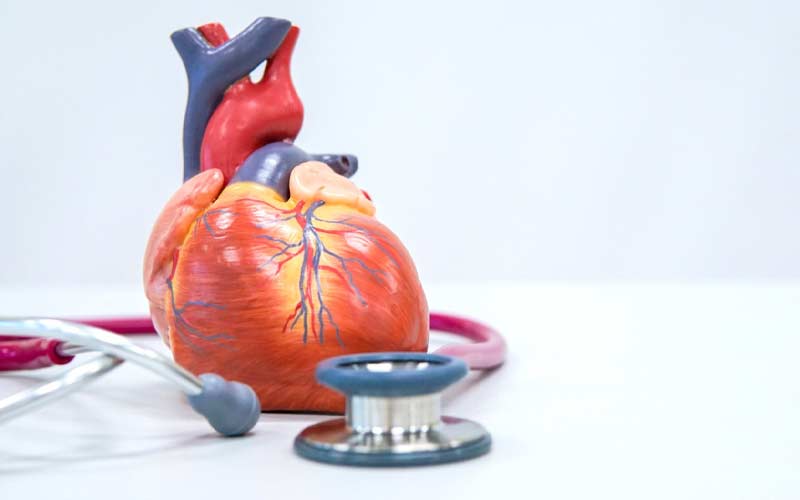
Diabetes and heart disease usually occurs as narrowing and blockage of coronary arteries due to accelerated atherosclerosis. High sugar, along with blood pressure, blood fat and smoking, destroys the vessel wall and aggravates the deposition of fat, so that diabetes alone is equivalent to a major heart risk factor. The result of this process is an increased risk of heart attack, heart failure and sudden death.
English text: Cardiovascular (heart and blood vessel) issues are the most common type of long-term diabetes complication. Persian translation: Cardiovascular problems, that is, involving the heart and vessels, are considered the most common type of long-term diabetes complication.
Diabetes and kidney diseases or Diabetic nephropathy is one of the most important microvascular complications (damage to the small vessels of the eyes, kidneys and nerves) that It starts gradually and without obvious symptoms. First, mild albumin excretion is seen in the urine, and if blood sugar and blood pressure control is not appropriate, it progresses to chronic kidney failure. In advanced stages, the patient may need dialysis or a kidney transplant.
Diabetes complications are usually called damage to vital organs caused by a sustained increase in blood sugar.
6. Eye disease
The most important eye disease in diabetes is diabetic retinopathy, which is caused by the gradual damage of small retinal vessels. In the early stages of diabetes and eye diseases, the patient may not have any symptoms, but small hemorrhages, macular edema, and abnormal blood vessel growth can eventually lead to severe vision loss or blindness. The risk of this complication increases with the duration of diabetes and poor sugar control.
In this video Dr. Alireza Ramezani eye specialist and cornea subspecialist talks to you about the complications of diabetes on the eyes.
7. Skin disease
Diabetes has a variety of skin lesions, some of which are more specific. High sugar weakens immune defenses and sets the stage for bacterial and fungal skin infections. Diabetes and skin disease needs investigation and treatment.
8. Oral disease
Uncontrolled diabetes increases the risk of gum disease, oral infections, and tooth loss. High sugar creates the perfect environment for bacteria to grow, weakens the immune response and slows down gum tissue repair, resulting in more severe and resistant gingivitis and periodontitis. Dry mouth, oral thrush and bad breath are also common in these patients.
Diabetic coma is a life-threatening condition that occurs due to high or low blood sugar and puts the patient into deep unconsciousness. This condition is usually seen in diabetic ketoacidosis, hyperosmolar syndrome or severe hypoglycemia. Symptoms such as confusion, drowsiness, abnormal breathing, rapid pulse, dry skin or, conversely, profuse sweating can appear before coma. Diabetic coma is a medical emergency and requires hospitalization and immediate treatment.
common complications of diabetes
The common complications of diabetes are the result of years of high blood sugar, which damages small vessels (eyes, kidneys, nerves) and large vessels (heart, brain, legs). These complications usually start slowly and quietly and show themselves when part of the damage has become irreversible.
The common types of complications of diabetes are:
Diabetic retinopathy
Diabetic nephropathy
Coronary heart disease
Ischemic stroke
Diabetic foot ulcer
Frequent skin and urinary infections
Acute and long-term complications of diabetes
Diabetes complications are divided into two main categories, acute and long-term. Acute complications occur in a short period of time and usually due to severe fluctuations in blood sugar, and if not treated, they can be life-threatening. The long-term effects of years of high sugar are damage to the capillaries, large vessels, and nerves. Regular control of sugar, blood pressure, fat and periodic examinations is the key to prevent or slow down these damages.
Common acute side effects:
Hypoglycemia (severe reduction of blood sugar)
Diabetic ketoacidosis
Common long-term side effects:
Diabetic retinopathy
Diabetic nephropathy
Coronary heart disease
stroke
Peripheral vascular disease and diabetic foot
English text: Type 1 diabetes can affect the major organs in your body. Keeping your blood sugar level close to normal most of the time can dramatically reduce the risk of many complications. Persian translation: Type 1 diabetes can affect the main organs of your body. Keeping blood sugar levels close to normal most of the time can reduce the risk of many complications.
dangers of different types of diabetes
The risks of diabetes may vary among types of diabetes. In type 1 diabetes, the body almost does not produce insulin, and the patient is dependent on injectable insulin from an early age; Therefore, the risk of ketoacidosis and acute sugar fluctuations is higher. In type 2 diabetes, we have insulin, but there is insulin resistance and it is associated with overweight, blood pressure and high fat; Therefore, the risk of cardiovascular and chronic complications increases. Both types, without proper control, can lead to eye, kidney and nervous complications.
Uncontrolled diabetes can lead to eye, kidney and nerve damage.
1. Risks of type 1 diabetes
Type 1 diabetes is an autoimmune disease in which the body's immune system attacks and destroys insulin-producing cells in the pancreas. The result of this disorder is the inability of the body to produce insulin, which is necessary to control blood sugar. If this type of diabetes is not controlled, it can lead to serious complications such as heart problems, diabetic ketoacidosis (DKA), kidney damage, vision and neurological disorders.
2. Complications of type 2 diabetes
Type 2 diabetes is a metabolic disorder in which the body either does not produce insulin properly or is unable to use it effectively. As a result, this condition causes blood sugar to remain high. A person with type 2 diabetes may not have symptoms at the beginning of the disease, but over time and without effective treatment, they may suffer from problems such as heart disease, damage to the kidneys, vision impairment, and neurological problems. Controlling type 2 diabetes with proper diet, exercise and medication can prevent these complications.
In this video, Dr. Syed Mohammad Bagher Abtahi specialist in physical medicine and rehabilitation explains about the damage to the nerves of the hands and feet caused by diabetes.
A post shared by doctoreto, appointment and online consultation (@doctoreto)
3. Complications of diabetes in men
In men with diabetes, problems such as erectile dysfunction, decreased libido and decreased testosterone levels may occur. Also, the risk of cardiovascular diseases is high in diabetic men. These problems are caused by nerve damage and poor blood circulation, which affect sexual function and heart health.
4. Complications of diabetes in women
Women with diabetes may experience complications such as menstrual disorders, reduced fertility, and the risk of urinary and vaginal infections. Also, diabetes can increase the risk of heart disease and stroke in women. Hormonal changes and damage to the body's immune system cause these problems.
5. Complications of diabetes in children
In children, type 1 diabetes is more common; However, the cases of type 2 diabetes are also increasing, especially with the increase in obesity. Diabetes in children can cause serious problems such as diabetic ketoacidosis (DKA) and mental disorders such as anxiety and depression. If diabetes is not managed, these complications can negatively affect the child's quality of life.
6. Complications of diabetes in the elderly
Elderly people with diabetes are more at risk of problems such as heart disease, stroke, vision loss and kidney damage than other age groups. Also, reducing the ability to control blood sugar due to reduced physical activity and hormonal changes increases the severity of these risks.
7. Complications of gestational diabetes
Gestational diabetes is a dangerous disease during pregnancy and can cause risks for the mother and fetus. For a pregnant mother, there is an increased chance of high blood pressure, infections, and giving birth to a baby that is larger than normal. On the other hand, gestational diabetes complications on the fetus can include macrosomia (large fetus), hypoglycemia after birth and increased risk of obesity and diabetes in the later years of life.
Management of diabetes complications with the best endocrinologist in Iran
If you are experiencing symptoms such as fatigue, blurred vision, leg pain, or severe fluctuations in blood sugar, you should check your condition as soon as possible under the supervision of the best endocrinologist in Iran. Accurate control of blood sugar can prevent dangerous complications of diabetes. Book an appointment for consultation or an in-person visit right now.
In the following, you can see a list of the most prominent endocrinologists in different cities of Iran.
Diabetes is a chronic disease that can be controlled for years without serious complications with proper treatment, but if neglected, it causes both acute complications quickly and irreversible damage to the eyes, kidneys, heart and nerves in the long term. Symptoms of diabetes usually progress slowly and quietly and become obvious when part of the damage is irreversible. Anyone with excessive thirst and urination, unexplained weight loss, blurred vision, slow-healing wounds, or a family history should see a doctor for a blood sugar test and full evaluation. Diabetic patients should also take regular periodic examination, eye, kidney and heart check-up and medication adjustment seriously.
Your doctor takes care of your health!
Frequently Asked Questions
Keep your blood sugar in the normal range to prevent the complications of diabetes. Don't forget a balanced diet, regular physical activity, regular monitoring of blood sugar, and taking medications prescribed by the doctor.
Diabetes is the foundation of a series of diseases. The most important of them include coronary artery disease and stroke, chronic kidney failure, retinopathy and blindness, peripheral neuropathy and diabetic foot. It also increases the risk of frequent skin and urinary infections, gum disease, advanced fatty liver and sexual disorders.
Type 1 and type 2 diabetes are both potentially dangerous, but their risk patterns are different. In type 1, the lack of insulin increases the risk of ketoacidosis and severe sugar fluctuations, and the patient is always dependent on insulin. In type 2, due to obesity, high blood pressure and high fat, the risk of heart attack, stroke and chronic complications is higher. The lack of control of both types makes them dangerous.
Yes, uncontrolled diabetes is associated with almost all known complications of this disease. Sustained high blood sugar destroys capillaries and nerves and leads to retinopathy, nephropathy and neuropathy. At the same time, it accelerates atherosclerosis and multiplies the risk of heart attack and stroke. Also, the possibility of ketoacidosis, severe infections, amputation and premature death increases.
Diabetes drugs can have possible side effects; For example, insulin and some pills can cause hypoglycemia, metformin causes gastrointestinal discomfort in some patients and rarely lactic acidosis, and other drugs may affect the kidneys, weight, or body fluids. The use of diabetes herbal tablets without sufficient studies can interfere with other drugs, so it should not be used without a doctor's opinion.