برخی از کودکان با یک بیماری قلبی به نام نقص سپتوم متولد میشوند. این بدان معنی است که سوراخی در دیوارهای وجود دارد که چهار حفره قلب را از هم جدا میکند. در حالی که کنار آمدن با این مشکل برای والدین ترسناک است؛ باید به خاطر داشته باشید که این بیماری قابل درمان است و از طریق عمل جراحی میتوان این مشکل را برطرف کرد. البته این روش درمانی ممکن است عوارضی به دنبال داشته باشد و شما باید پیش از انتخاب روش درمانی، با عوارض بعد از عمل سوراخ قلب آشنا شوید. Stay with us in this article to fully discuss the operation of heart piercing and its complications.
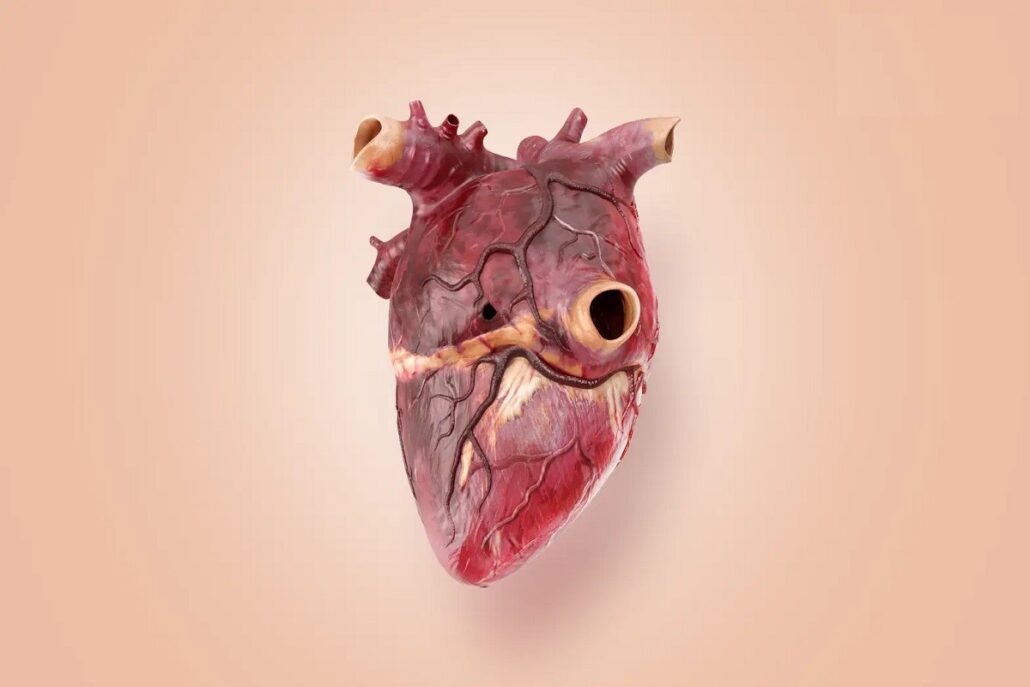
What does heart hole mean?
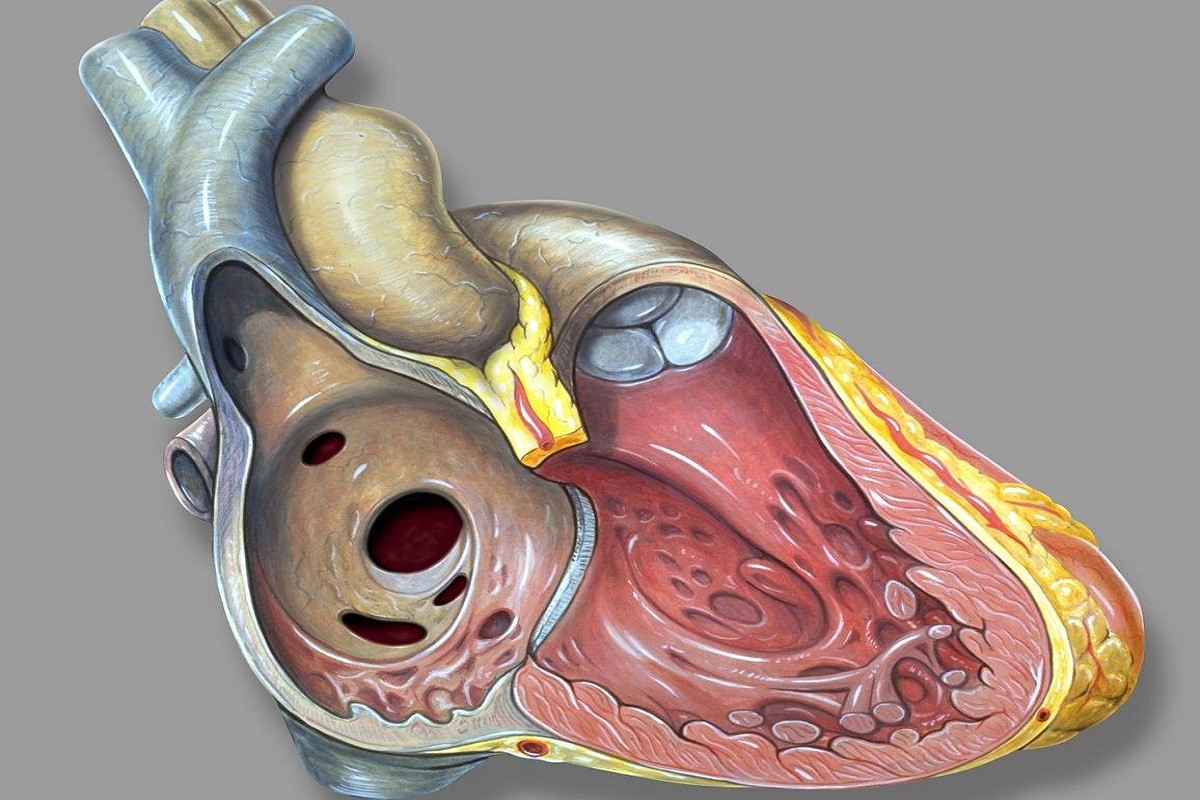
In the heart, there are cavities on the left and right sides, each of these cavities has a special role:
- The cavities on the right side receive deoxygenated blood from the body and pump it to the lungs to receive oxygen.
- The left ventricles take oxygen-rich blood from the lungs and pump it to the rest of the body.
In a healthy heart, the wall that separates the right and left chambers (septum) prevents deoxygenated blood from mixing with oxygenated blood. A septal defect causes blood to flow back and forth between the right and left sides of the heart.
Heart hole treatment with surgery
Perforation of the heart is divided into two categories, ASD and VSD, both of which can be treated through the operation of the perforation of the heart:
- Atrial septal defect (ASD) is a hole in the wall between the two upper chambers of the heart (atria). ASD is a congenital disease; It means that it is present at birth. "ASD puts stress on the heart over time and can cause enlargement of the atria, ventricles and pulmonary arteries," says James Thompson, MD, a cardiologist at Johns Hopkins Children's Hospital in St. Petersburg. ASD may lead to pulmonary hypertension, heart rhythm disorders, or heart failure.
- Ventricular septal defect (VSD) is a type of congenital heart disease in which there is a hole in the wall (septum) of the heart between the right ventricle and the left ventricle (lower chamber).
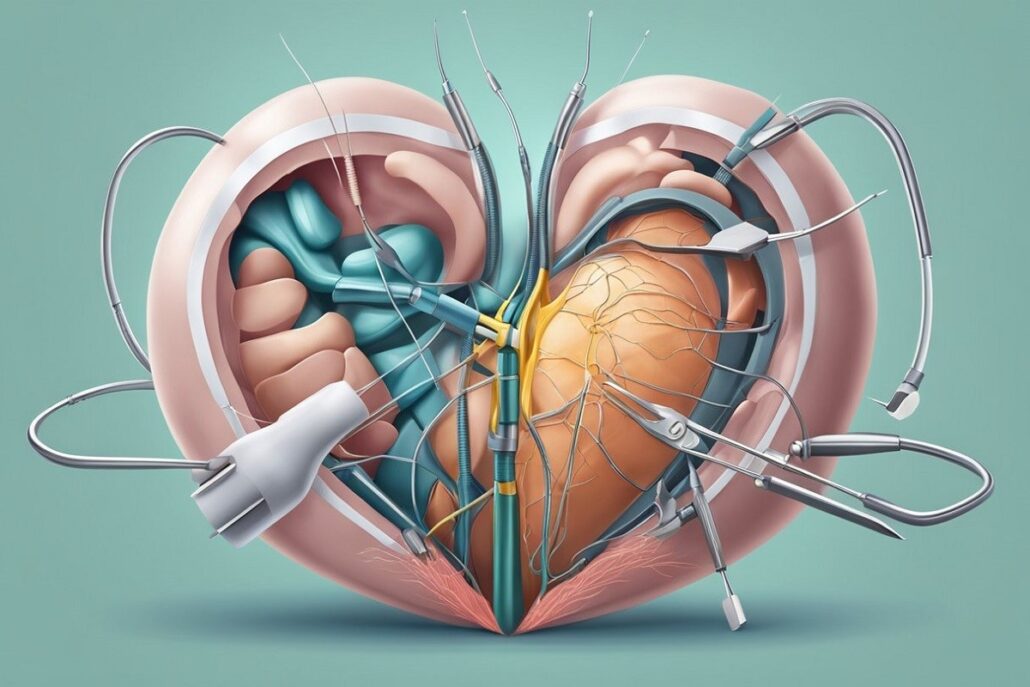
بهترین درمان برای سوراخ قلب
نوع درمان بستگی به شرایط فردی بیمار دارد. در برخی از کودکان، سوراخ ممکن است به اندازهای کوچک باشد که تنها با نظارت و مصرف دارو قابل کنترل باشد. نقص سپتوم ممکن است با رشد کودک خود به خود بسته شود. این امر معمولاً در صورتی اتفاق میافتد که نقص در قسمتی از سپتوم باشد که تماماً عضلانی است. اگر سوراخی در دو سال اول کودک به خودی خود بسته نشده باشد یا اگر سوراخ بزرگتر از ۸ تا ۱۰ میلی متر باشد، ممکن است جراحی لازم باشد. اگر سوراخهای بزرگ بسته نشوند، ممکن است به ریهها آسیب برسد. رایجترین روشها برای نقص سپتوم ترمیم کاتتر و عمل سوراخ قلب است:
ترمیم ترانس کاتتر
ترمیم ترانس کاتتر معمولاً برای نقص سپتوم دهلیزی توصیه میشود. در طی این روش، یک متخصص قلب و عروق کودکان، برشی را در کشاله ران ایجاد میکند، یک کاتتر را وارد کرده و یک دریچه مصنوعی کوچک را از طریق کاتتر به سوراخ قلب میرساند. به مرور زمان بافت قلب روی این دریچه رشد میکند.
عمل جراحی قلب باز
نقص دیواره بین بطنی معمولاً با عمل سوراخ قلب ترمیم میشود؛ اگرچه برخی از کودکان ممکن است کاندیدای روشی کمتر تهاجمی باشند. در طی عمل قلب باز، جراح با باز کردن جناغ (استخوان سینه) به قلب دسترسی پیدا میکند و یک پچ روی نقص سپتوم اعمال میشود. مانند ترمیم ترانس کاتتر، بافت قلب در نهایت روی پچ رشد میکند. Open heart surgery is necessary for ASD that cannot be repaired with a transcatheter device.
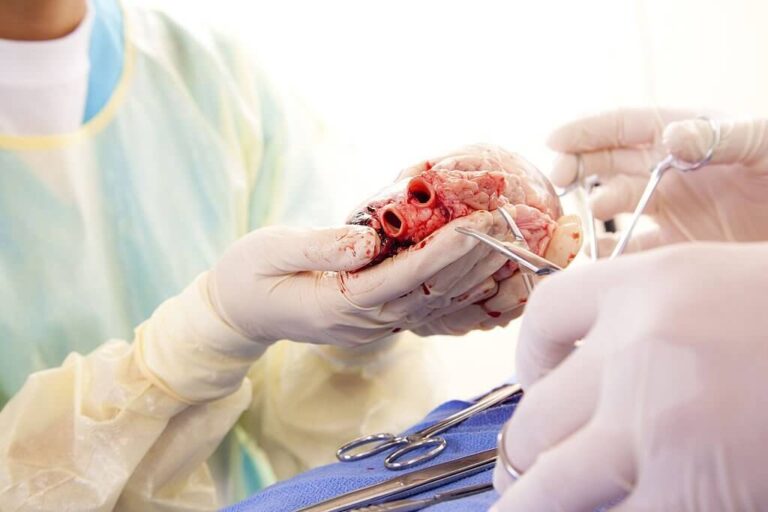
Complications after heart piercing operation
Heart piercing operation is usually safe and effective; But it is associated with some complications after heart piercing surgery, including:
- Allergy to the materials used during the operation.
- Abnormal heart rhythm (arrhythmia).
- Bleeding that may require a blood transfusion.
- Damage or perforation of heart tissue or veins that requires surgical correction.
- Infection of the incision site or its surroundings.
- Kidney failure.
- Brain stroke or transient ischemic attack (small stroke).
- Blood, fluid or pus at the cut site.
- chest pain.
- To be confused or faint.
- tab.
- Pain that worsens or does not improve with pain medication.
- Shortness of breath.
- Irregular heart rhythm, such as fluttering in the chest.
Heart piercing recovery period
The doctor will talk to the patient about what to expect during recovery. The patient should limit his physical activity for a few weeks, especially if the heart piercing operation was performed. Of course, after transcatheter repair, the patient can probably resume his normal activities within a week. The patient will likely need to take medication to prevent blood clots for six months after the operation. Antibiotics should also be taken to prevent infection.
Should we perform heart piercing or not?
Although the heart piercing operation can help improve the quality of life and increase the life span of patients; But like any other surgery, it has complications after the heart piercing operation and its own risks. Possible complications include infection, bleeding, respiratory problems, and heart complications. Also, the need for post-operative care and careful medical follow-up is essential; Therefore, patients and their families should make the necessary decisions with full knowledge of these complications and in consultation with a specialist doctor. Finally, the right and informed choice can play an important role in reducing risks and improving treatment results.

ایشان متخصص قلب و عروق و فلوشیپ آنژیوگرافی و آنژیوپلاستی هستند. His other specialties include: blood pressure treatment, varicose vein treatment, Holter heart monitoring, etc.