

پاپ اسمیر منفی، HPV مثبت: چه معنایی دارد؟ This combination may cause concern, but it actually indicates several different conditions that require careful attention and follow-up. One of the standard methods for diagnosing cervical problems in women is Pop test smear This test is mainly used to identify abnormal cells and the possibility of cervical cancer. In addition to the Pap smear, the human papilloma virus test (HPV) is also performed to assess the risk of developing cervical cancer. In this article, a negative and HPV positive Pap smear, its meaning, how to manage it, and the risks associated with this condition are discussed.
What is a pap smear?
According to mayoclinic
A Pap smear is a procedure that involves collecting cells from the cervix for testing. It is also called a Pap test. Healthcare professionals sometimes call it cervical cytology
A pap smear is a procedure that involves collecting cells from the cervix for testing. It is also called a Pap test. Healthcare professionals sometimes call it cervical cytology.
What is HPV?
According to cancer
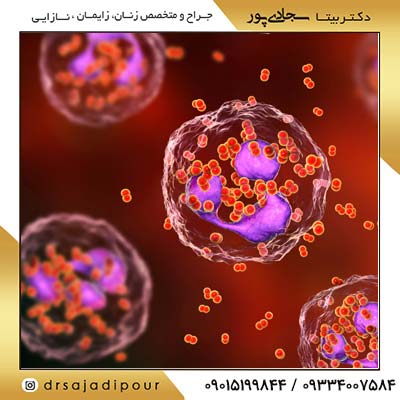
HPV stands for human papillomavirus. HPV is a common sexually transmitted infection that usually shows no symptoms and goes away by itself but can cause serious illness. HPV is responsible for: almost all cases of genital warts and cervical cancer
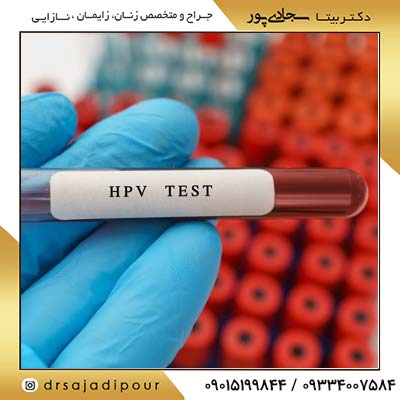
HPV stands for Human Papilloma Virus. HPV is a common sexually transmitted infection that usually has no symptoms and goes away on its own, but it can cause serious illness. HPV is responsible for: almost all cases of genital warts and cervical cancer.
Pap smear negative and HPV positive: what does it mean?
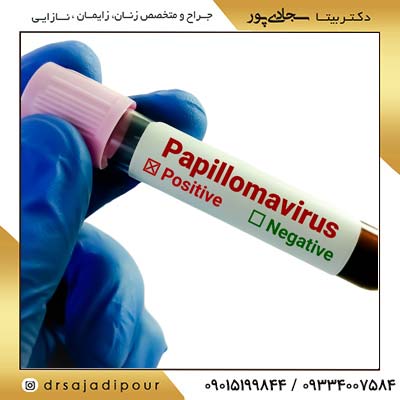
A negative Pap smear result means that no abnormal or suspicious cells for cancer were found in the sample removed from the cervix. This result is usually taken as an indication of cervical health. However, when the HPV test is positive, it indicates that the person is infected with human papillomavirus.The combination of negative pap smear and positive HPV may mean one of the following conditions:
- Presence of low-risk HPV: In many cases, HPV viruses that do not normally cause cell changes are present in the body. These viruses usually disappear naturally and rarely lead to cancer.
- Presence of high-risk HPV without cell changes: In this case, a person may be infected with a type of HPV virus that is associated with a high risk of developing cervical cancer, but no suspicious cell changes or cancer have yet been observed.
- Immune system response to HPV: In many cases, the immune system is able to fight HPV and prevent damage to cervical cells. In such a situation, even if HPV is positive, the probability that cancer will occur is low.
What factors cause this situation?
The presence of HPV in the body is one of the most common causes of cervical cancer. But not all cases of HPV infection lead to cancer. Various factors can be involved in this process:- Weak immune system: If the immune system is weak, the HPV virus may remain in the body for a long time and increase the possibility of dangerous cell changes.
- Type of virus HPV: Some higher-risk types of HPV (HPV 16 and 18) can cause cell changes that may lead to cervical cancer.
- Age and medical condition: Older women or those with weakened immune systems are more at risk of developing cellular changes.

How to deal with negative pap smear and HPV positive?
If the pap smear result is negative and HPV is positive, a more detailed follow-up is necessary. Common actions include the following:
- Periodic control and follow-up: Considering that HPV may be cleared from the body naturally, the doctor may recommend periodic tests to monitor the status of the virus and cervical cells. Usually, doctors do new tests after six months or a year.
- Perform more tests: If high-risk HPV is identified, additional tests such as HPV DNA tests may be performed to identify the type of virus and assess the risk of developing cancer.
- Maintain overall health: Maintaining a healthy lifestyle, eating nutritious foods, exercising regularly and avoiding smoking can help strengthen the immune system and help fight viruses and infections.
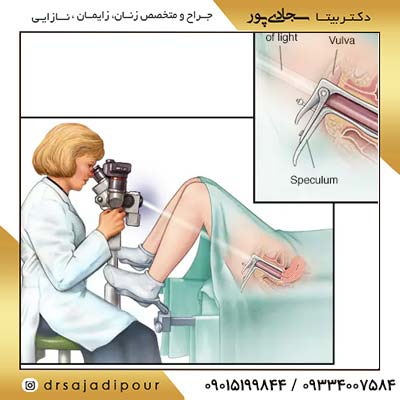
- Colposcopy test: If needed, the doctor may recommend a colposcopy, which is a procedure to take a closer look at the cervix and identify any abnormal changes in its cells.

Conclusion
A negative Pap smear and positive HPV may seem alarming, but in most cases, this means HPV is present without serious cellular changes. With regular follow-up and periodic tests, you can control the health of the cervix and prevent serious problems. Finally, it is important for women to cooperate with their doctor and follow the necessary instructions to manage their cervical health to avoid potential risks in the future. Dr. Bita Sajjadipour is the best Dr. Sjady-Pour Contact Information
Dr. Bita Sajjadipour
Gynecologists in Tehran and Shahryar are engaged in medical activities and provide medical services to women. Some of the medical services provided by Dr. Bita Sajjadipour, a gynecologist, include pre-marital counseling, prenatal care, natural childbirth and caesarean section, infertility treatment, treatment of menstrual disorders, menopause care, treatment of female infectious diseases, female cosmetic surgeries using the Mona Lisa Touch laser device, performing a variety of women's surgeries such as myomectomy, hysterectomy, laparoscopy, etc.![The role of inositol in the treatment of female infertility [obstetrics and gynecology specialist]](/storage/posts/covers/2026/01/05/c0b071d7095fdcbaa34903c34e092d27a7f5b2fc471de3ff89c0a6eb0c446a10.jpg)

![Children's vaginal infection: symptoms and treatment [obstetrics and gynecology specialist]](/storage/posts/covers/2026/01/05/e56f480f09acfaf71854a94f42ccf293be7e378bd9a4adcffd54d5476bf51caa.jpg)

![Breast cancer [breast] symptoms, diagnosis + treatment [gynecologist]](/storage/posts/covers/2026/01/05/0d2c008b72cfbf5343598c8045fd73cdfbfe6a0e567bd035ea8e1fc90702e96a.jpg)




![Vaginal infection in pregnancy: symptoms, diagnosis and treatment [obstetrician and gynecologist]](/storage/posts/covers/2026/01/05/74fbd328a8a4a83f39778f4a417048ddeb814f527d50d1afc9e23bbe0ad5e371.jpg)