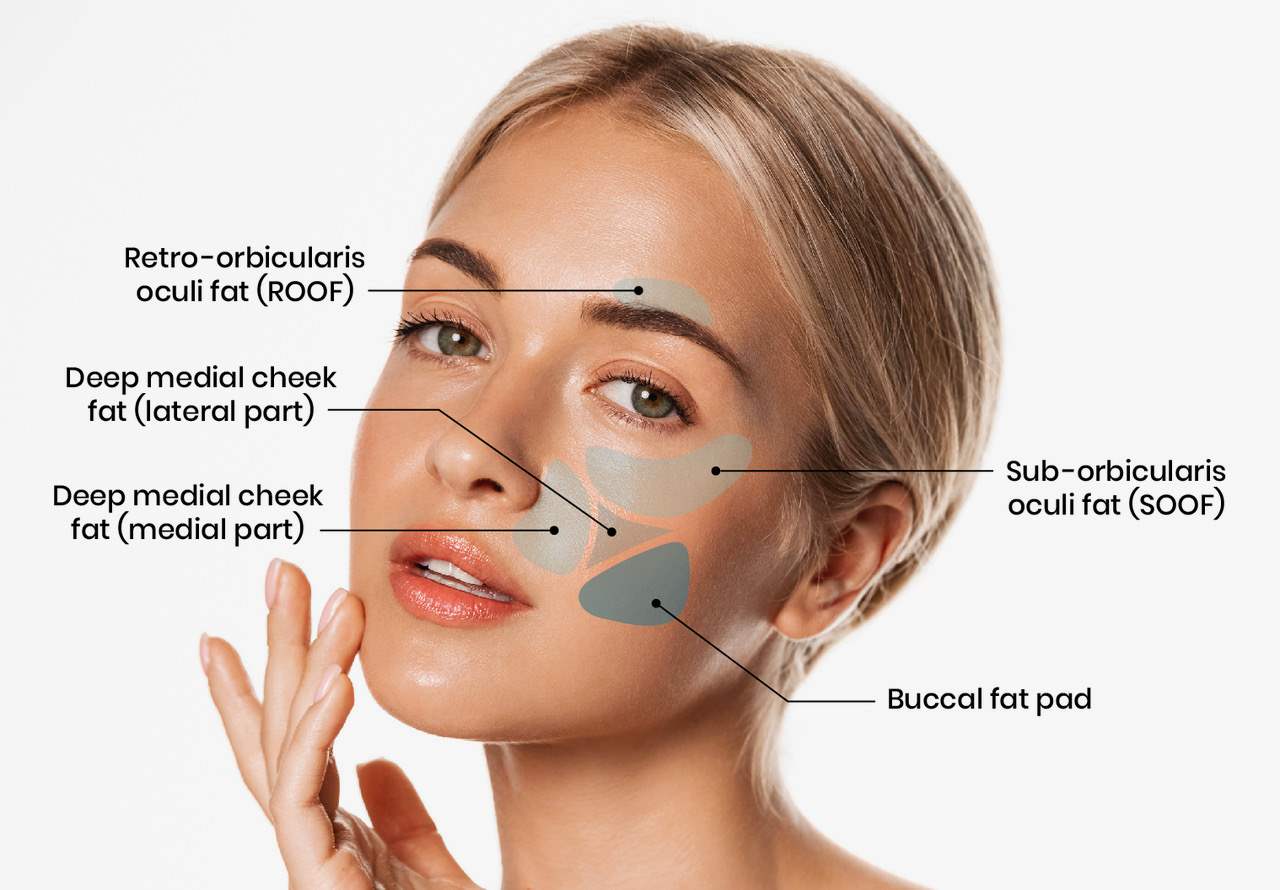

What is buccal fat surgery?
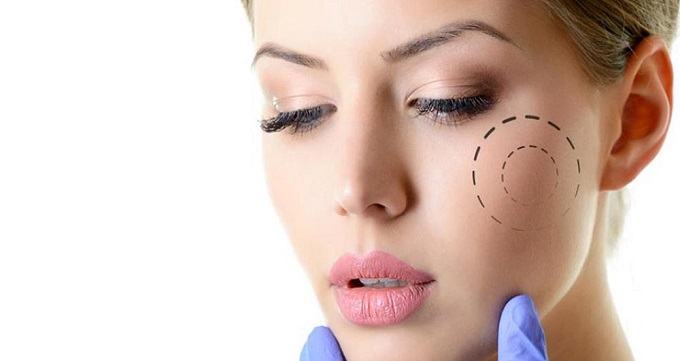
First of all, in response to the question of what is buccal fat, we must provide you with explanations so that you understand what is meant by this surgery. In line with this issue, it should be said that the surgery in which fatty tissue masses are removed from the cheeks of a person who has a round and chubby face with the intention of narrowing the face and creating more curvature is called buccal fat surgery.
What is the process of buccal fat surgery?
Buccal fat surgery is a complex cosmetic surgery procedure that requires high expertise and precision. The process of buccal fat surgery generally includes the following steps:
- Consultation and initial examination: Before surgery, initial examinations and consultation are done with a specialist in the field of cosmetic surgery. At this stage, the goals, expectations, and risks related to the surgery are discussed.
- Preparation: Before the surgery, the patient should follow the necessary instructions regarding the behavior and consumption of medicines. Also, pre-surgery checks are done.
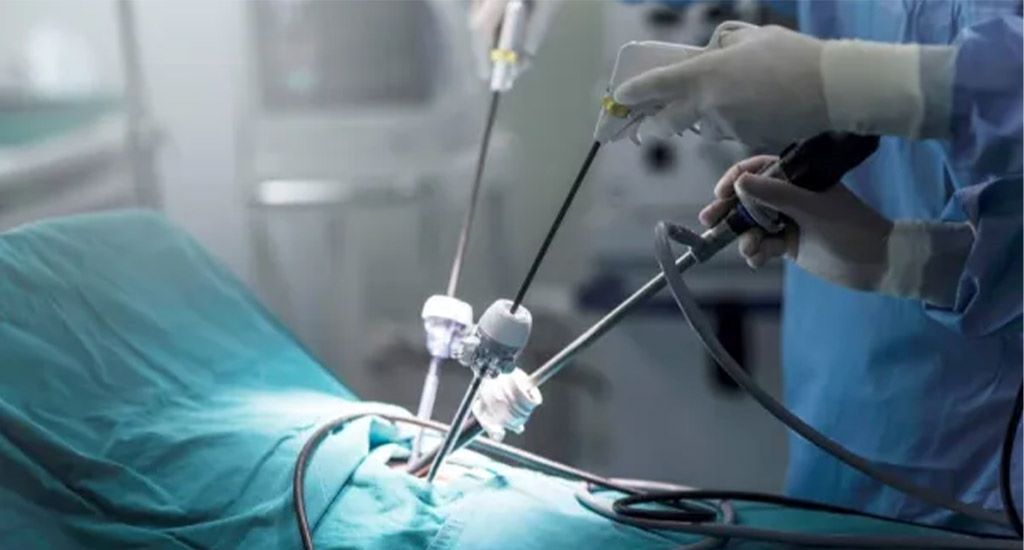
- Surgery: At this stage, the surgeon removes excess fatty tissue from the cheeks with the help of local or general anesthesia, and the face becomes narrower and more curved.
- Recovery: After surgery, the patient needs time to recover. At this stage, post-operative care and medications prescribed by the doctor should be observed.
Suitable candidate for buccal fat
Choosing the right candidate for buccal fat surgery should be done carefully by a doctor specialized in cosmetic surgery. But in general, the following people may be suitable for buccal fat surgery:
- Persons with round and chubby faces: People who have round and chubby faces and want to make their faces slimmer and with more curves.
- People with excess fat tissue in the cheek area: People who have excess fat tissue in the cheek area and want to remove this tissue and change their face.
- People who are in good general health: People who are in good general health and have the necessary preparation for surgery.
- People who have realistic expectations: People who have realistic expectations about the outcome of surgery and have sufficient information about the surgical process and recovery.
Which category of people cannot do buccal fat surgery?
Doing buccal fat surgery creates inconsistencies and high risks for some people. The following people may not be able to do buccal fat surgery:
- People with serious health problems: People who have serious health problems such as cardiovascular diseases, type 2 diabetes with serious complications, weak immune system, etc.
- People who are under treatment: People who are being treated for certain diseases or taking certain drugs.
- Persons with a history of past surgery: People who have had past surgeries in the cheek area or related areas and undergoing buccal fat surgery may cause new problems.
- People who have unrealistic expectations: People who have unrealistic expectations of the results of surgery and are likely to be dissatisfied with the actual results.
- People who don't have enough information: People who don't have enough information about buccal fat surgery process and its risks.
What are the benefits of buccal fat surgery?
Doing buccal fat surgery (cheek botox) can have many benefits for people who are looking to change the shape of their face. Some of the advantages and benefits of this type of cosmetic surgery are:
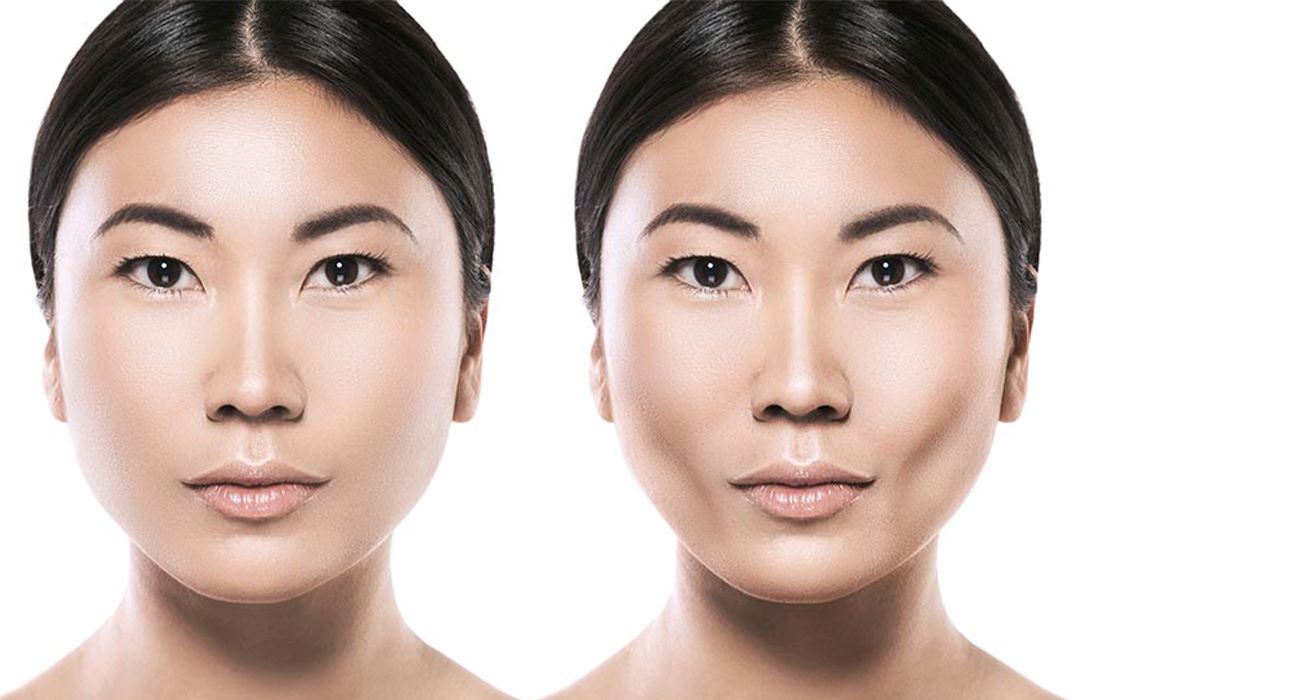
- Change the shape and beauty of the face: buccal fat surgery helps people to change the shape of their face and give more curves to their cheeks.
- Reduction of excess fat in the cheek area: This surgery removes excess fat tissue in the cheek area, resulting in a narrower face and widening curves.
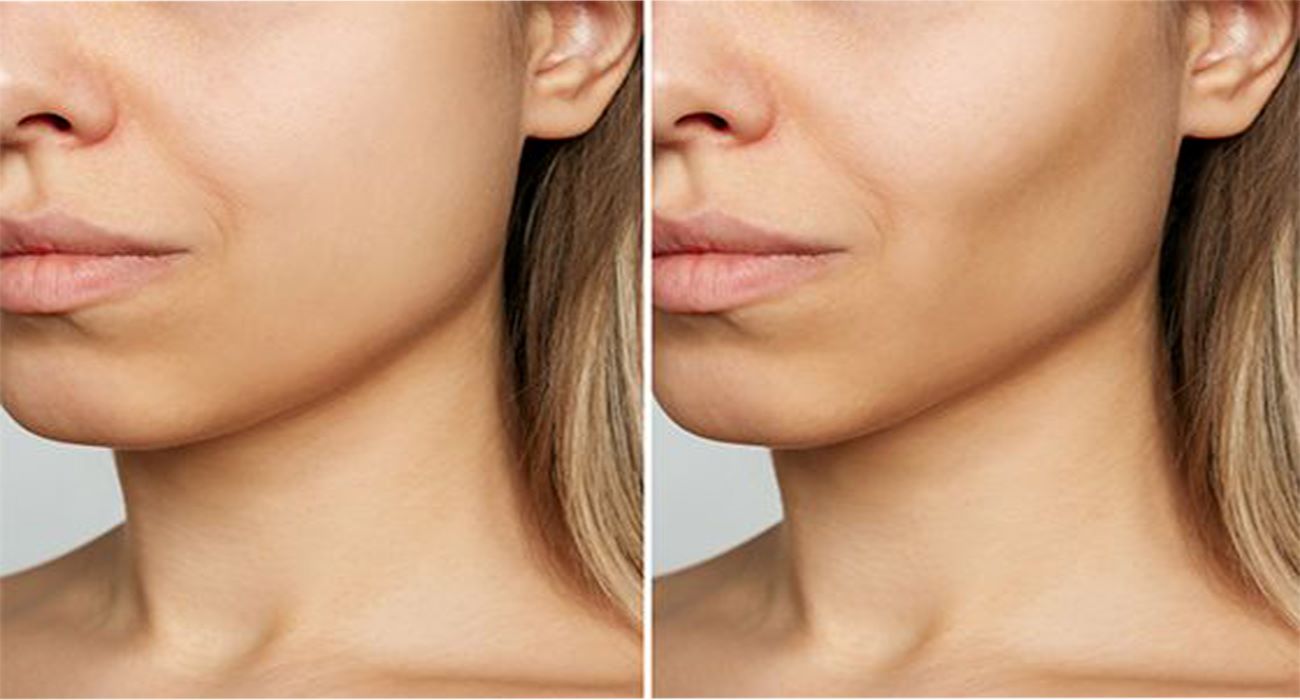
- Visible and permanent results: The results of buccal fat surgery are usually visible and last for a long time.
- Quick recovery process: Buccal fat surgery is usually associated with a quick recovery process and minimal post-surgical problems.
- Increasing self-confidence: Improving the appearance of the face and shaping it better can increase a person's self-confidence and self-esteem.
- Facial Rejuvenation: Buccal fat surgery can act as a facial rejuvenation procedure and give you a younger and fresher look.
possible side effects
Buccal fat surgery (cheek botox) may also be associated with complications and potential problems. Some of the possible complications of this type of cosmetic surgery are:
- Allergic reactions: Some people may be allergic to the materials used in surgery, which can lead to allergic reactions such as inflammation, redness, itching and swelling.
- Inability to move organs: In some cases, buccal fat surgery may result in temporary or permanent inability to move organs (such as the face).
- Temporary discomfort or pain: After surgery, there is a possibility of temporary discomfort, pain or swelling in the area of the cheeks and face, which will be relieved over time.
- Facial asymmetry: If the surgery is performed incorrectly or does not match the facial structure correctly, asymmetrical results and an unnatural appearance may occur.
- Dissatisfaction with results: Realistic expectations of surgery are critical; If the results do not match the expectations, this can lead to dissatisfaction with the results.
What is the recovery period after buccal fat surgery?
The recovery period after buccal fat surgery is an important and vital stage that plays a very important role in your recovery and recovery. Below are some key points about the recovery period after buccal fat surgery:
- Swelling and inflammation: After surgery, it is expected that there will be increased swelling and inflammation in the area of your cheeks and face, which usually lasts for several weeks after surgery.
- Pain and Discomfort: Mild to moderate pain and discomfort may be felt in the surgical area, which is usually controlled by the administration of pain medications.
- Food restrictions: After buccal fat surgery, you may be advised to eat certain foods or soft foods for a while to help you heal faster and without more problems.
- Care of the surgical area: It is very important to keep the surgical area clean and dry. Your doctor may give special instructions about dressing changes or surgical care.
- Time to return to daily activities: Time to return to your daily activities depends on the progress of your recovery. Your doctor may have specific recommendations in this regard.
- Regular visits to the doctor: Regular visits to the doctor are very important to follow and check the progress of your recovery.
Care after buccal fat
Care after buccal fat surgery plays a very important role in your recovery. Below are some important cares after buccal fat surgery:
Use of drugs
If your doctor has prescribed drugs for pain, inflammation or antibacterial, you must follow the instructions for taking these drugs carefully.
- Proper nutrition: Proper nutrition is critical to rapid recovery and recovery. Consuming food rich in vitamins, minerals and protein can make a faster recovery.
- Swelling control: To control swelling, your doctor may give specific recommendations, such as applying ice or keeping your head down and getting plenty of rest.
- Physical activity restrictions: Your doctor may recommend that you limit physical activity or exercise to avoid injury to the surgical area.
- Regular doctor visits: Regular doctor visits are vital to check the progress of recovery. Report any adverse symptoms or problems to your doctor.
- Adequate rest: Adequate rest is necessary for recovery. Avoiding tiring activities and resting on time can help you recover faster.
Conclusion
Consequently, post buccal fat surgery care plays a very important role in your recovery. Basic care includes taking care of the surgical area, taking medications on time, proper nutrition, controlling swelling, limiting physical activities, visiting the doctor regularly, getting enough rest, and informing the doctor. By carefully following your post-surgery care and following your doctor's instructions, you can experience a faster recovery and achieve full health. Also, the importance of visiting a doctor and reporting any adverse symptoms should not be overlooked.
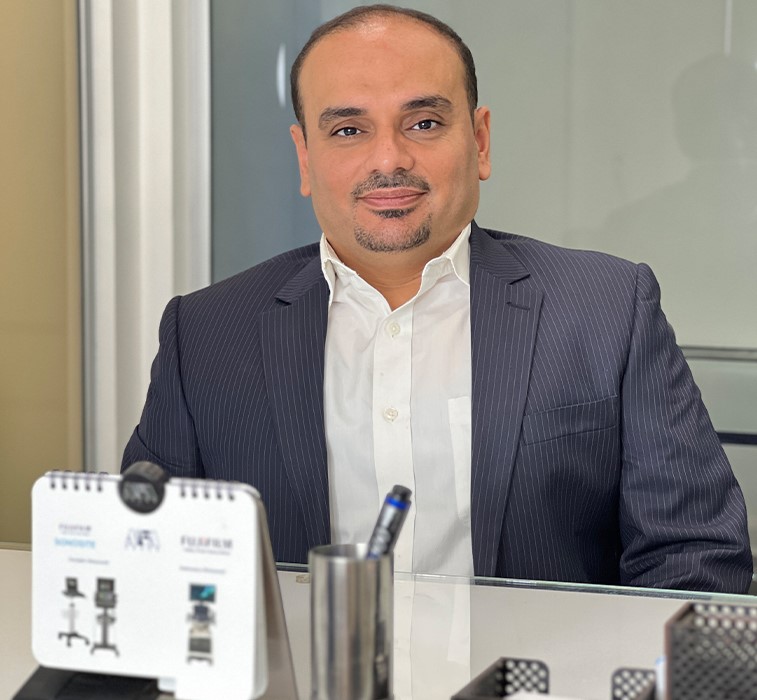
(Dr. Amir Manshizadeh, General Surgery Specialist Board and member of the American College of Surgeons, Buccal Fat Surgery Center in Zafar)