
Table of contents
- What is diabetes in children?
- Types of diabetes in children
- What are the symptoms of diabetes in children?
- At what age does diabetes start in children?
- Important points of diabetes in children for parents
- Causes of diabetes in children What is it?
- How to diagnose diabetes in children
- Table of blood sugar levels in children
- Is definitive treatment of diabetes in children possible?
- Complications of diabetes in Children
- Prevention of diabetes in children
- Conclusion
Many parents are concerned when they see their child's constant fatigue or sudden change in appetite and wonder if it is just simple lethargy or is it a sign of a more serious problem? Diabetes in children is one of those concerns that may be hidden at first, but it disturbs the balance of their body to manage energy. When the child's body cannot absorb sugar properly, small alarm bells appear in his behavior and appearance, which are dangerous to ignore. But the good news is that with awareness and timely diagnosis, this path can be well managed. To know what symptoms you should take seriously and how to protect your child's future health, follow this article with your doctor.
How is diabetes in children?
Our body needs energy to move and grow, and this energy is provided by a sugar called glucose in food. Imagine that the child's body is like a car whose fuel is sugar. In order for this fuel to enter the engine (cells), it needs a key called insulin, which is made by the pancreas. In diabetes, either this switch is not made (type 1) or the lock in the cells is broken (type 2). As a result, sugar accumulates in the blood instead of providing fuel and causes lethargy and thirst. With proper management, this car will start moving again.
English text:
Quoted from brownhealth
To know if your child might be developing diabetes, watch for signs such as frequent urination, excessive thirst, bed-wetting, increased hunger, tiredness, blurry vision, and weight loss. Pay attention to nocturia, increased appetite, fatigue, blurred vision, and weight loss.
Types of diabetes in children
Types of diabetes In children, it is generally divided into two main groups, type one diabetes and type two diabetes. In type 1, the immune system attacks the cells that produce insulin, and as a result, the body loses the ability to produce enough insulin. This type is the most common form of childhood diabetes and is usually seen at a younger age.
In type 2 diabetes, insulin resistance and its dysfunction develop gradually and are mostly seen in adolescents with overweight and family history. There is another form of pre-diabetes in which blood sugar is in the range between normal and diabetic and requires follow-up. There is also a very rare and special case of infantile diabetes. The types of diabetes in children are:
- Prediabetes
- Type 1 diabetes
- type two diabetes
- Infantile diabetes
1. Prediabetes in children
Prediabetes is a condition in which blood sugar levels are higher than normal but still below the diagnostic level of diabetes. This condition is usually a sign of glucose metabolism disorder and increased risk of type 2 diabetes in the future. Risk factors include overweight, family history of diabetes, sedentary lifestyle, and poor nutrition.
2. Type 1 diabetes in children
Type 1 diabetes is an autoimmune disease that usually occurs in children and adolescents. In this case, the pancreatic beta cells that produce insulin are destroyed by the immune system, and the body is unable to regulate blood sugar. The onset is usually sudden, and the symptoms of type 1 diabetes in children can include things like thirst, frequent urination, weight loss, and fatigue.
What is diabetes insipidus in children?
3. Type 2 diabetes in children
Type 2 diabetes in children is characterized by insulin resistance and progressive dysfunction of pancreatic beta cells. This type of diabetes is usually seen in adolescents and children who are overweight or obese and have a family history of type 2 diabetes. Symptoms may be slow and mild, including fatigue, thirst, frequent urination, and abnormal weight gain.4. Neonatal diabetes
Infantile diabetes is a very rare and special condition that, unlike type 1 diabetes (which is related to the immune system), is completely genetic in origin. This disease is diagnosed exactly in the first 6 months of birth and occurs due to a disruption in the genes that are responsible for making insulin in the baby's pancreas.
There are two general conditions for this disease:
- Transient type: which improves temporarily after a few months of care but may return in the future.
- Permanent type: the baby needs blood sugar management for the rest of his life.
The biggest difference between neonatal diabetes and other types of diabetes is that many of these babies do not need insulin injections at all due to their genetic mutation and are treated and controlled only by taking special oral pills. Therefore, genetic testing for these babies is the first and most important treatment step.
| Categories of diabetes | Specific symptoms | Important tips for parents in treatment and control |
|---|---|---|
| Type 1 diabetes | Sudden onset Thirst and excessive urination Weight loss Fatigue | Insulin should be regular and Accurate injection Monitor blood sugar daily Recognize the symptoms of hypoglycemia Participate the child in learning to manage the disease |
| Type 2 diabetes | Overweight Darkness of the neck or armpit skin (insulin resistance) Family history | Correcting the whole family's nutrition Increasing daily physical activity Regular use of medication according to Prescription Monitor weight and blood pressure |
| Pre-diabetes | Usually asymptomatic Sometimes overweight and signs of insulin resistance | Golden opportunity for prevention Nutrition modification (reduction of simple sugars and processed foods) Increase physical activity Periodic monitoring of blood sugar according to doctor's opinion |
| Diabetes Newborn | Emergence before 6 months Low birth weight | Regular referral to a specialist Following growth and development Doing genetic tests according to the doctor's opinion |
What are the symptoms of diabetes in children?
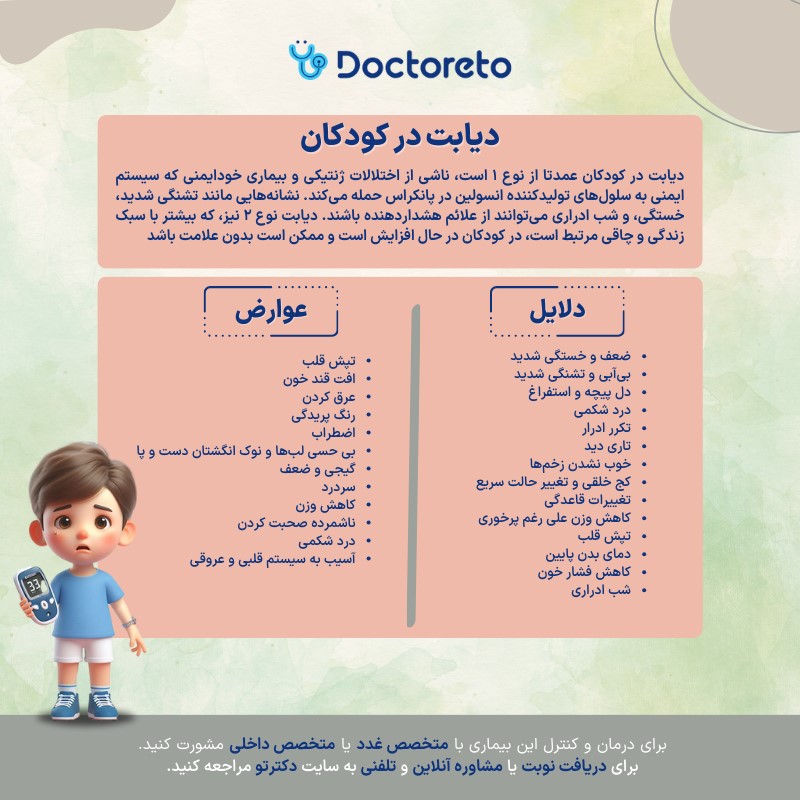
Symptoms of diabetes can be different and intensify depending on the type of diabetes. Excessive thirst, frequent urination and unwanted weight loss are common symptoms. Persistent fatigue, blurred vision, and irritability may also be observed. In type 1 diabetes, the onset of symptoms is usually rapid and severe, while in type 2 diabetes, symptoms may appear slowly and are usually associated with excess weight.
Symptoms of diabetes in children include the following:
- Symptoms of type 1 diabetes in children: extreme thirst, frequent urination, rapid weight loss, fatigue, nausea and vomiting
- Symptoms of type 2 diabetes in children: milder thirst and frequency of urination, fatigue, overweight, blurred vision
- Common symptoms: fatigue, irritability, decreased growth or physical strength
Skin-symptoms of diabetes in children
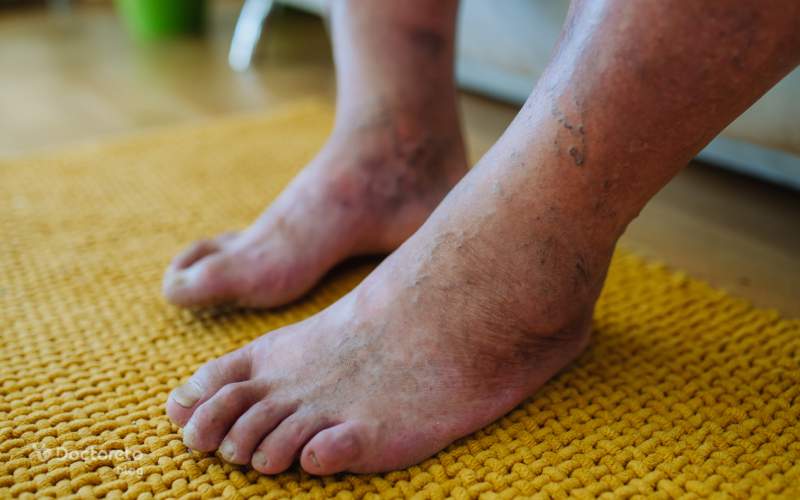
Symptoms of diabetes mellitus in children and diabetes symptoms in children and adolescents usually begin with excessive thirst and frequent urination. In addition to these, the skin symptoms of diabetes in children can be seen such as severe dryness, itching or darkness in the neck and armpit areas. Also, excessive fatigue, sudden weight loss and blurred vision are serious symptoms of diabetes in this age group.
diabetes symptoms in children under 5 years old
Symptoms of diabetes in children under 2 years of age and symptoms of diabetes in children under 3 years of age are often associated with abnormal diaper wetting and extreme restlessness. Diagnosing the symptoms of diabetes in children under 5 years of age due to their inability to express thirst may be determined by the sweet smell of the mouth or urine. Parents should pay special attention to things like resistant fungal infections, delayed wound healing, and abnormal sleepiness at this age.
English text:
quoted from the site mayoclinic
Children's risk of type 2 diabetes increases if they have a parent or sibling with the disease.
Persian translation:
If one of the parents or siblings has this disease, the risk of type 2 diabetes in children increases.
When is bedwetting in children a sign of diabetes in children?
If children's enuresis is accompanied by frequent urination, feeling tired and lack of energy in children and extreme thirst, this type of enuresis can be considered as a sign of diabetes in children. Symptoms of this disease usually appear late. Therefore, if you see the symptoms of diabetes in children, such as nocturnal urination with frequent urination and excessive thirst, go to the doctor immediately.
At what age does diabetes start in children?
Diabetes can appear at any time from birth to the end of adolescence, but its onset patterns are different at different ages. In general, diabetes knows no age and whenever the body's metabolic balance is disturbed, it may appear:
- Infancy (up to 6 months): very rare and usually occurs due to genetic mutations (infantile diabetes)
- Preschool age (4 to 7 years): one of the main peaks of type 1 diabetes due to exposure to environmental factors and viruses Adolescence (10 to 14 years): the most common age for type 1 diabetes and gradual onset of type 2 diabetes due to hormonal and weight changes

Important tips about the signs of diabetes in children for parents
Parents are the main protagonists in diabetes management. Psychological acceptance of the disease is very important so that the child does not feel guilty. Always check your blood sugar as prescribed by your doctor and have a quick sugar source (such as juice) with you in case of low blood sugar. Feed the family towards healthy eating so that the child does not feel isolated. Also, inform the school authorities about the child's condition. Remember that diabetes does not prevent a child from exercising, studying or succeeding; It just needs a more detailed planning.
Important points of diabetes in children for parents generally include the following:
- Early identification of symptoms
- Regular blood sugar check
- Adherence to diet and exercise
- Teaching the child about illness and insulin
- Communication with the medical team
- Prevention of acute and long-term complications
What is the cause of diabetes in children?
Most cases of diabetes in children are type 1 diabetes. Type 1 diabetes is an autoimmune disease with genetic predisposition and environmental factors also play a role in its occurrence. In type 1 diabetes in children, the immune system attacks the cells of the pancreas and destroys them.
With the destruction of the cells responsible for insulin production, the body can no longer produce insulin hormone. Glucose from food accumulates in the blood and blood sugar rises. Other reasons for contracting this disease include infection, the symptoms of which appear a few weeks after contracting the disease.
Unhealthy diet and lifestyle, lack of exercise and inactivity are the causes of type 2 diabetes in children and adults. Genetics is one of the causes of this disease. Type 2 diabetes can be prevented and controlled by changing life habits and choosing a healthy lifestyle. This type of this disease may be without signs and symptoms for a long time.
The cause of diabetes in children is usually the following:
- Genetic factors and family history
- Environmental and viral factors (such as some infections)
- Childhood overweight and obesity
- Sedentary lifestyle and high-calorie diet
- Family history of type 2 diabetes
diagnosis method of diabetes in children
To diagnose this disease, a specialist doctor prescribes a variety of blood sugar tests such as urine glucose test, glucose tolerance test and blood sugar test for type 2 diabetes. Since the symptoms of type 2 diabetes appear later, it may take several months to diagnose this type of diabetes in children. In general, Diabetes diagnosis test in children, which is prescribed by a pediatric endocrinologist, includes the following:
- A1C test
- Fasting blood sugar test (fbs)
- glucose tolerance test (OGTT)
- Two-hour blood sugar test
- Random blood sugar test
What should be the blood sugar of children?
Normal blood sugar level in children is different according to age. In infants and children under 5 years of age, blood sugar should be between 70 and 100 mg/dL. For children aged 6 to 9 years, the normal sugar range for children is 80 to 140 mg/dL, and for children over 10 years old, the normal blood sugar level is between 70 to 120 mg/dL.
Table of children's blood sugar levels
Blood sugar levels in children, especially in cases of type 1 or 2 diabetes, need close monitoring to avoid complications. Normal levels are usually kept between 70 and 180 mg/dL (3.9 and 10 mmol/L). Hypoglycemia (less than 70 mg/dL) can cause symptoms such as tremors or confusion and requires immediate treatment. Hyperglycemia (more than 180) also increases the risk of ketoacidosis.
You can see the table of normal blood sugar in healthy children and other blood sugar ranges of the child.
| Blood glucose level | Range (mg/dL) | Range (mmol/L) | Description |
|---|---|---|---|
| Normal (therapeutic target) | 70 to 180 | 3.9 to 10 | Target range for more than 70% of the time per day; Before meals: 70 to 144, after meals: less than 180 |
| Hypoglycemia (low) | Less than 70 | Less than 3.9 | Mild symptoms; Less than 54 mg/dL is severe and dangerous and requires immediate intervention. |
| Hyperglycemia (high) | More than 180 | More than 10 | Less than 25% of the time allowed; More than 250 mg/dL increases the risk of ketoacidosis. |
| Dangerous | Less than 54 (hypo) or more than 250 with symptoms (hyper) | Less than 3 (hypo) or more than 13.9 with symptoms (hyper) | can lead to seizures, coma, or ketoacidosis; It requires immediate medical examination. |
Is definitive treatment of diabetes in children possible?
Currently, there is no definitive treatment for type 1 diabetes in children in the sense of complete eradication, because the immune system has destroyed the insulin-producing cells; But with new technologies such as insulin pump, the child will have a normal life. In some children with type 2 diabetes, weight loss and physical activity can improve blood sugar, but many will need medication. Scientists are researching stem cells and artificial pancreas to provide definitive treatment for all children in the near future.
The latest treatment of diabetes type 1 in children
The newest approaches in pediatric type 1 diabetes include the use of insulin pumps and continuous glucose monitoring (CGM) systems. These technologies provide the possibility of accurate control of blood sugar and reduction of sudden fluctuations.
Suitable diet for children's diabetes
The right food at the right time plays a very important role in controlling this disease. Along with activity and insulin injection, diet plays the first role in the control and treatment of type 1 diabetes in children. Carbohydrates are the most important component to maintain a balanced diet in diabetics, especially for those with type 1 diabetes to convert into glucose.
Carbohydrates have two types of sugar carbohydrates and starch carbohydrates, which starches are found in potatoes, pasta, bread and beans. Carbohydrates and sugar in sweet foods. The amount of carbohydrates needed by each person varies depending on their activity level, age and weight.
In the proper diet for this disease, one third of the food and drinks consumed should be starchy carbohydrates. 3 meals a day should include the following:
- Non-starch nutrients such as carrots, vegetables, peppers, tomatoes and broccoli
- Starches such as corn, potatoes and green peas
- Fruits such as apples, bananas, grapes, berries, melons and oranges
- Whole grains such as rice, beans, corn, barley, quinoa, wheat, bread, pasta
complications of diabetes in children
Diabetes in children can cause short-term and long-term complications if insufficiently controlled. In the short term, hypoglycemia and diabetic ketoacidosis are common, requiring immediate medical intervention. In the long term, chronic high blood sugar can lead to vascular, kidney, nerve and eye damage.
The severity and type of complications of diabetes depend on the type of diabetes and blood sugar control. In type 1 diabetes, the risk of ketoacidosis and autoimmune complications is higher, while in type 2, metabolic and cardiovascular complications are more common:
- Type one: ketoacidosis, hypoglycemia, long-term vascular damage, kidney and eye problems
- Type two: insulin resistance, increased blood pressure, obesity, heart and liver problems
Short-term effects of diabetes in children
Short-term complications of diabetes in children are usually caused by severe fluctuations in blood sugar. Hypoglycemia can be accompanied by tremors, sweating, fatigue, headache, and even fainting, and requires rapid correction with simple sugar intake. Diabetic ketoacidosis is a life-threatening condition and occurs mostly in type 1 diabetes.
If you get this disease, you will probably see the following side effects:
- Heartbeat
- Low blood sugar
- to sweat
- Pale color
- Anxiety Numbness of lips and fingertips
- Drowsiness
- Confusion and weakness
- Headache
- Weight loss
- To speak uncountable
Long-term effects of child diabetes
To prevent long-term complications of diabetes, you must control your blood sugar regularly. Among the long-term complications of diabetes, we can mention damage to small and large blood vessels, which is caused by the lack of blood sugar control in the long term. Microvascular (destruction of small blood vessels) and macrovascular (destruction of large blood vessels) are long-term complications of diabetes.

prevention of diabetes in children
Prevention of diabetes in children depends on the type of disease. Type 1 diabetes is usually not preventable due to autoimmunity, but early detection of antibodies and continuous monitoring can reduce acute complications. In type 2 diabetes, prevention is possible through maintaining a healthy weight, balanced diet, regular physical activity and reducing environmental risk factors.
To prevent this disease, you can take the following actions:
- Encouraging the child to have healthy eating habits, creating a balance in eating, reducing the consumption of sugar and refined carbohydrates
- Proper weight control
- Movement and physical activity, regular exercise
- Reduce time spent watching TV and playing computer games
Conclusion
Diabetes in children is a complex disease that requires early diagnosis and continuous management. Parents should pay attention to the warning signs and see a doctor immediately if they notice excessive thirst, frequent urination, weight loss, fatigue or skin changes. Regular blood sugar checks, lifestyle changes, child education and collaboration with the medical team can control the disease and prevent long-term complications. Timely diagnosis to the best pediatric diabetes doctor in Tehran or other cities, general doctor or pediatrician and correct management can improve the child's health, growth and quality of life.
Your doctor takes care of your health!