مقاله تخصصی
celiac disease in children; From symptoms to treatment
3 months ago
964 بازدید

Dr. Ali Faraji
تهرانSpecialist in children and babies
**Celiac in children** is an autoimmune disease that affects the digestive system and causes dysfunction of the small intestine. In this disease, the body's immune system reacts to eating foods containing gluten. Although the symptoms of this disease are similar to gluten sensitivity, there are differences between the two diseases. Stay with us until the end of this article to learn more about the symptoms, diagnosis and treatment of celiac disease in children. What is celiac disease in children? Celiac is an autoimmune disease that has a hereditary background that usually occurs from infancy and is not contagious. This disease occurs due to gluten intolerance in the body. Gluten (a protein found in wheat and barley) causes damage to the intestinal villi in people with this disease. When the intestinal villi are damaged, the child's body has difficulty absorbing food. Failure to absorb food can affect the child's growth and make him malnourished. Symptoms of celiac disease in children
Due to intestinal damage in children with celiac disease, a set of symptoms is created that may be different for each child. These symptoms may appear after six months or even older, the most important of which are:
- Bloating and diarrhea
- Weight loss
- Lack of absorption of nutrients by the body
- Bone loss
- Bone softness
- Anemia
- Tooth enamel damage
- Joint pains
- Skin allergies
- Headache and fatigue
- Gastric reflux
- Weight gain or weight loss
- Growth delay in children
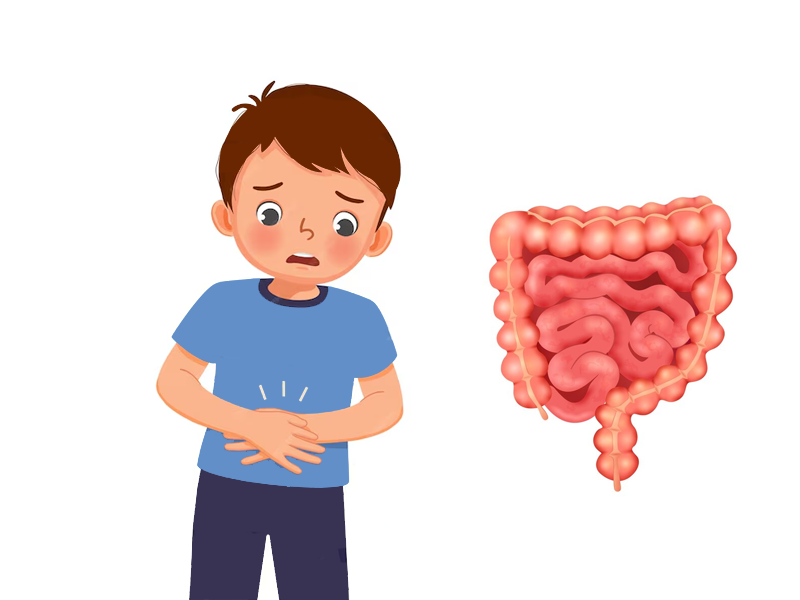
- Abdominal pains
A series of celiac symptoms that may appear at an older age include:
- Constipation
- Short stature in children
- Late puberty
However, sometimes celiac disease may not have any symptoms. Note that symptoms such as bloating, diarrhea, and abdominal pain may not necessarily be related to celiac disease in children. ### Symptoms of celiac disease in diabetic children
If children with celiac disease develop diabetes, many other complications may appear in the child. If celiac disease is not diagnosed in time in diabetic children, it will cause digestive problems, loss of appetite and most importantly growth disorders. Celiac disease and diabetes are types of autoimmune diseases, in each of which the immune system attacks a certain point in the body. Celiac disease causes the immune system to attack the small intestine, and diabetes damages the pancreas. Both of these diseases require a special diet. It is possible that the child has diabetes before the diagnosis of celiac disease. Therefore, people with diabetes need to be tested for celiac disease. Children with diabetes usually have symptoms such as growth disorders, weight loss, or digestive symptoms before being diagnosed with celiac disease. The difference between gluten sensitivity and celiac disease
As mentioned, celiac disease is an autoimmune disease. While gluten intolerance is considered an allergic reaction in children. Although gluten consumption in both diseases causes similar signs and symptoms, gluten can damage the intestinal tissue in people with celiac disease. But in people with gluten sensitivity, damage to the tissue and intestinal villi is not observed. Although the symptoms of celiac disease, gluten intolerance, and even wheat allergy can be very similar, they also have their own unique differences. Therefore, it is very difficult to distinguish these diseases from each other, and if you experience any of the mentioned symptoms, you should see a doctor. The best way to diagnose celiac disease
**Blood test** and **endoscopy** are used to **diagnose celiac disease**. Sometimes, by doing a blood test, there is no need for other investigations. If the symptoms are similar to celiac disease, endoscopy and biopsy may be needed. Before performing diagnostic tests for celiac disease, the patient must use a gluten-containing diet. **Blood test** is usually done in people who do not have any special symptoms and their relatives have this celiac disease. Endomysial antibody and tissue transglutaminase tests are two tests that are usually done for these patients. **Endoscopy** is another method that is used to definitively diagnose celiac disease. In this diagnostic method, samples are taken from the wall of the small intestine using a narrow tube. Can celiac disease in children be treated? Celiac disease cannot be cured and the only way is to have a gluten-free diet throughout the child's life. Treatment of celiac disease in children is usually done by avoiding foods containing gluten. In fact, by removing these foods from the child's diet, we can help reduce the symptoms of the disease. You can take the help of a pediatric nutritionist to manage your child's diet and prevent further damage to the digestive system. If celiac disease in children is not treated, it may cause complications such as iron deficiency, malnutrition and short stature in the child. ### Treatment of celiac disease in children
The goal of treating celiac disease in children is to reduce or eliminate the symptoms of the disease, and there is no definitive cure for celiac disease. However, following some tips can reduce the occurrence of serious complications and exacerbation of symptoms, which include:
- With a gluten-free diet, associated symptoms and damage to the intestinal villi disappear. - It is recommended to use nutritional supplements to treat malnutrition caused by the lack of absorption of nutrients and to adhere to pharmaceutical drugs for the treatment of chronic inflammatory bowel diseases. - It is necessary to visit a specialist doctor to carry out treatment measures and assess the damage of the disease. It is better to know that a gluten-free diet slows the progression of the disease for 6 months in children, while it may take 2 to 3 years in adults. Is celiac disease dangerous? Celiac disease is not fatal and can be prevented by avoiding food. But if celiac disease is not treated on time, it may cause a series of complications or even the cause of diseases such as small intestine cancer, neurological problems, malnutrition and calcium deficiency. Research shows that untreated celiac disease in children increases the possibility of developing other autoimmune diseases such as type 1 diabetes and Hashimoto's disease. In order to say with certainty that this disease causes the risk of premature death in people, more research is needed. But following a gluten-free diet can reduce the risk of early death in people. ### Life expectancy of celiac patients
Most people with celiac disease will have a normal lifespan, provided they can manage the disease by following a lifelong gluten-free diet. Gluten is not an essential part of your diet, so it can be safely removed from your diet and replaced with safe, gluten-free foods. Complications of celiac disease in children
If there is no treatment and the presence of gluten in the diet of a child with celiac disease, serious diseases and complications may occur. The most important risks and diseases caused by celiac disease are:
- Autoimmune disorders
- Low blood glucose
- Liver diseases
- Anemia with a low number of blood cells
- Intestinal tumors (colon tumor, intestinal lymphoma)
- Loss of calcium and bone density (osteomalacia)
- Nervous disorders (convulsive seizures and peripheral neuropathy)
- Fertility problems
- Muscle cramps
**last word**
Celiac disease in children is an autoimmune disorder that causes damage to the intestine due to gluten consumption. Damage to the inner lining of the intestine can cause the loss of the ability to absorb some nutrients, which in turn is related to the lack of some essential vitamins. Although there is no definite cure for celiac disease in children, not consuming gluten-containing foods and controlling this disease can reduce the symptoms of the disease and prevent serious complications. Therefore, it is recommended to refer to the best pediatrician as soon as you see the symptoms of this disease in a child.