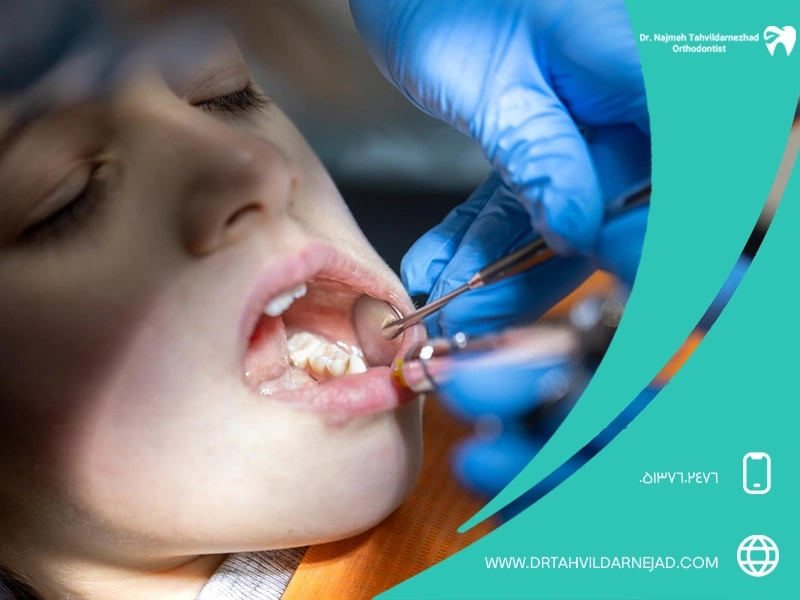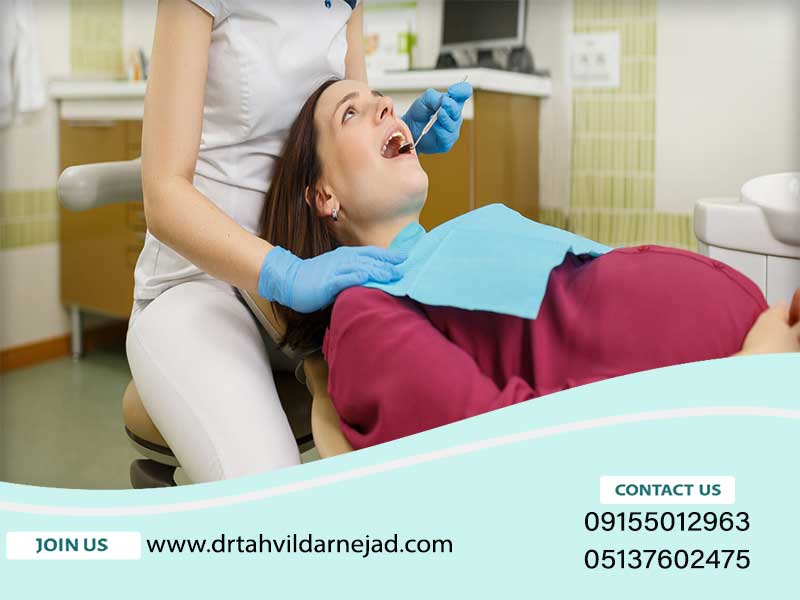


Teething during pregnancy can be a challenging issue be. Some doctors believe that this operation in the second trimester of pregnancy, when the fetus is relatively stabilized, is less risky than the other two trimesters. But various factors such as the type of tooth infection, the need for anesthesia, and the general health status of the mother can affect the decision. During this period, dental care should be done carefully to preserve the health of both the mother and the fetus. In the continuation of this article from the official website of Dr. Najmeh Dartahvildarnejad, we are trying to answer the question "Is tooth extraction dangerous during pregnancy or not?"
Proper methods for tooth extraction during pregnancy

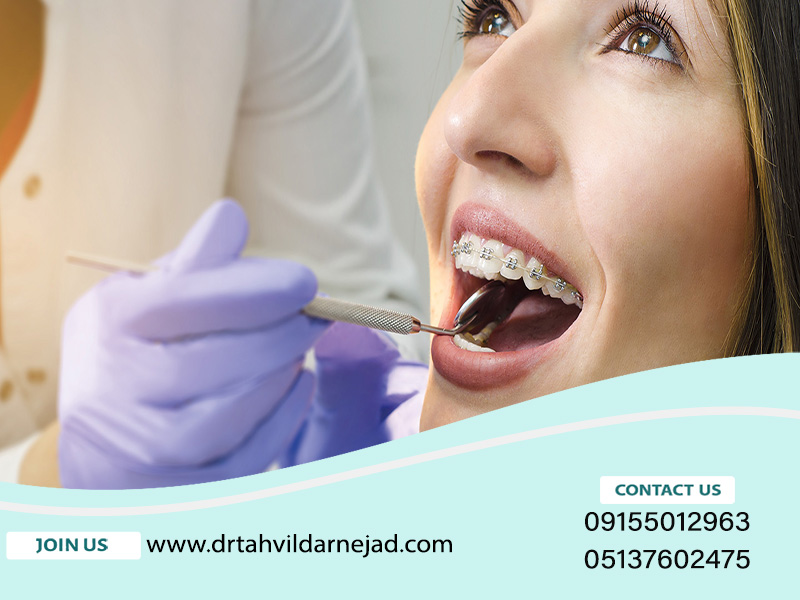
Mothers should pay attention to try to use appropriate and low-risk methods during pregnancy, which do not pose any risk to the health of both the mother and the child. For example, refer to Orthodontics specialist in Mashhad It is not recommended for straightening teeth. Because it may be associated with tooth extraction to create the required space to move the teeth. Some of the most common and appropriate dental procedures and dental treatment during pregnancy according to the prescription of the relevant doctor are as follows.
Using X-rays for tooth extraction during pregnancy
For tooth extraction during pregnancy, according to the needs and prescriptions of the dentist, dental CBCT photo and X-rays are needed to easily find the damaged tooth and the degree of decay will be determined by the doctor. A lead apron will be used to cover the upper part of the patient's body, so that the side effects of the radiation will not harm the fetus.
Read more» laser orthodontics and the benefits of this method to accelerate this method in dental orthodontics
Anesthesia for tooth extraction of pregnant women
usually lidocaine or Novocaine is a class B drug, which is injected into the patient before tooth extraction. will be According to the doctor's opinion, the use of this medicine during pregnancy is not dangerous. Anesthesia has entered the placenta, but it will also be filtered before it reaches the fetus.
Local anesthesia does not pose a risk to pregnant women, because according to studies, there is no evidence that dental treatment with anesthesia is harmful during pregnancy. In any case, routine dental hygiene procedures should be planned during pregnancy before the start of pregnancy, and it is better to do them during the middle trimester of pregnancy. Considering that both the mother and the fetus are treated, it should be noted that before starting any method or medicine in this field, consultation with a gynecologist is obtained.
Read more» Learn about the advantages and disadvantages of orthodontics
Symptoms of needing tooth extraction during pregnancy
If the mother faces the following symptoms during pregnancy, it is recommended to consult her dentist and gynecologist.
- Very severe and continuous pain in the teeth and gums
- Gum sensitivity and swelling (dental abscess)
- Bleeding gums Gum diseases
Pulling teeth in the first days of pregnancy
Extracting a tooth in early pregnancy is generally not recommended unless there is severe pain or infection. During this stage, the body responds to hormonal changes and may be more sensitive to pain and infection. Also, there are risks to the health of the fetus. If there is an urgent need to extract a tooth, the doctor can do it with caution and using local anesthesia.
Teeth extraction in the second trimester of pregnancy

The second trimester of pregnancy is usually the best time for tooth extraction. During this period, the risk of miscarriage is reduced and the fetus is significantly developed. If there is a need to extract a tooth, the doctor can do it with safe anesthetic drugs. This period generally has the lowest risk for pregnancy complications and fetal health, but it should still be done after consultation with a dentist.
Read More» If you want to know more about the duration of orthodontic treatment, click on the given link.
Teeth extraction during pregnancy in the third trimester
Teeth extraction in the third trimester of pregnancy should be done more carefully. At this time, there is a possibility of premature birth and the stress caused by dental treatment may have a negative effect on the mother and the fetus. If there is a need for tooth extraction, it is important that the doctor uses non-invasive and safe methods. In necessary cases, following the safety and pain control measures, this action may be performed.
What are the side effects of tooth extraction during pregnancy?
Tooth extraction during pregnancy is one of the most important concerns of many mothers, because during this period, any medical treatment or drug use can directly or indirectly affect the health of the fetus. Although in most cases, tooth extraction does not pose a serious risk in accordance with medical principles and at the right time of pregnancy, but knowing its possible complications helps mothers to make a more informed decision and prevent future problems.In general, the complications of tooth extraction in pregnancy depend on the physical condition of the mother, the time of treatment, the severity of the infection, and the type of care after tooth extraction. In the following, we mention the most important possible complications of tooth extraction during pregnancy.
1. Increased risk of infection
One of the most important side effects of tooth extraction during pregnancy is the possibility of infection at the site of the extracted tooth. The body's immune system undergoes changes during pregnancy and this can slow down the wound healing process. If the infection is not controlled, this problem can threaten the health of the mother and indirectly affect the growth and health of the fetus.
2. Bleeding more than normal
Hormonal changes during pregnancy increase the sensitivity of gums and oral blood vessels. For this reason, bleeding after tooth extraction in pregnant women may be more or longer than usual. If this bleeding is not properly controlled, it can cause weakness and decrease the physical strength of the mother.
3. Creating a dry socket (Dry Socket)
Dry mouth is another possible complication of tooth extraction during pregnancy. This problem occurs when the blood clot protecting the tooth area is lost or not formed. A dry cavity can cause severe pain, inflammation, and delayed wound healing and is more annoying than usual during pregnancy.4. Increased pain and restrictions on drug use
After tooth extraction, painkillers are usually used to reduce pain and inflammation, but there are restrictions on the use of many medications during pregnancy. This issue can make it more difficult to control the pain and increase the discomfort and stress of the mother.
5. Weakness, lethargy and eating disorder
Pain, bleeding or infection caused by tooth extraction may cause loss of appetite and disturbance in mother's nutrition. If this problem continues, it can lead to general weakness, extreme lethargy and lack of nutrients needed by the body, which is not good for the health of the fetus.
6. Indirect effects on the fetus
If tooth extraction is done at the wrong time of pregnancy or without proper care, in rare cases it may cause complications such as increased nausea, extreme maternal stress, impaired fetal growth or increased risk of premature birth. Although these cases are not common, it is very important to pay attention to them.
7. Increased stress and mental pressure
Stress caused by toothache, dental treatments and worry about the health of the fetus can be another complication of tooth extraction during pregnancy. Continuous stress during pregnancy may have a negative effect on the general state of the mother and the pregnancy process.
How to take care of the gums during pregnancy after tooth extraction?
After tooth extraction during pregnancy, hygiene and special care of gums is necessary to prevent infection and bleeding. You should use sterile gauze on the tooth extraction site for at least 30 minutes and avoid washing your mouth vigorously or using a straw. Consuming water and cool liquids, soft foods and avoiding hard or hot foods will help the gums to heal faster.
Gently brushing around the tooth extraction site and using alcohol-free mouthwash can be effective. If you see swelling or severe pain, you should see a dentist immediately.
Read more» The correct way to brush your teeth Dentists
Important points of tooth extraction during pregnancy

- Before taking action, consult a gynecologist.
- The best time for tooth extraction is the second trimester of pregnancy.
- It is mandatory to use lead protection during radiography.
- permissible anesthesia such as lidocaine without much epinephrine.
- During tooth extraction, sit half-lying or leaning to the left.
- Reduce stress and anxiety by breathing slowly and being with a reliable person.
- After pulling, do not manipulate the wound and apply an ice compress.
- Take only prescribed medications such as acetaminophen.
- Use soft and cool foods and drink enough water.
- Washing the mouth with diluted salt water and avoiding brushing the wound area until recovery.
- See a doctor immediately if you experience fever, chills, severe pain, or abnormal bleeding.
Read more» What is the difference between gum scaling and tooth scaling?
Home remedies for toothache during pregnancy
During pregnancy, due to the limitation of medication use, home methods can be useful to reduce toothache. Using a cold compress on the cheek helps reduce inflammation and pain. Rinsing the mouth with a solution of water and diluted salt also has antibacterial properties and reduces gum inflammation. Gently chewing cloves or using clove oil (in small amounts) on the teeth can have a soothing effect.
Maintaining oral hygiene with a soft toothbrush and dental floss is also necessary. Of course, these methods are temporary and definitive treatment should be done as soon as possible under the supervision of a dentist.
Why is dental care important during pregnancy?
During pregnancy, hormonal changes increase gum sensitivity and make teeth susceptible to decay. Gum diseases during this period can increase risks such as premature birth or low birth weight. Morning sickness may also damage tooth enamel. For this reason, daily tooth care with a toothbrush, dental floss and alcohol-free mouthwash is particularly important.
Regular dental checkups during pregnancy make it easier to identify and treat oral problems. Adhering to a diet rich in calcium and vitamin D is also necessary to maintain the health of the teeth and the healthy development of the fetus.
Frequently asked questions about tooth extraction during pregnancy
1. Is tooth extraction dangerous during pregnancy?
In the second trimester, it is usually safe, but in the first and third trimesters, it is done only when necessary.
2. When is the best time for tooth extraction during pregnancy?
The second trimester of pregnancy is the safest time to perform dental treatments.
3. Is the use of anesthesia during tooth extraction harmful to the fetus?
Approved local anesthetics such as lidocaine in appropriate doses are usually safe for the fetus.
4. What should be done if there is a tooth infection during pregnancy?
You should go to the dentist immediately, because an untreated infection is more dangerous for the mother and the fetus than treatment.
5. Is there a need to consult a gynecologist before tooth extraction?
Yes, it is recommended to consult a gynecologist to ensure the safety of the mother and fetus.
6. What are the side effects of tooth extraction in the first trimester?
In the first trimester, due to the sensitivity of the fetal growth stages:
- Possibility of increasing mother's stress
- Risk of damage to the development process of the fetus
- Restriction in the use of anesthetics and painkillers
7. What are the side effects of tooth extraction during pregnancy?
Teeth extraction during pregnancy may increase stress, pain, inflammation and limit the use of medications. If this is done at the wrong time, it can, in rare cases, increase the risk of premature birth. However, if performed properly and preferably in the second trimester of pregnancy, it usually does not cause serious complications for the mother and the fetus.