When should we see a neurologist?

Dr. Majid Kihani Fard
TehranNeurologist
When should we see a neurologist?
- September 15, 2025
- Author: Dr. Majid Kehanifard
- The article has been reviewed and approved by Dr. Majid Kehanifard
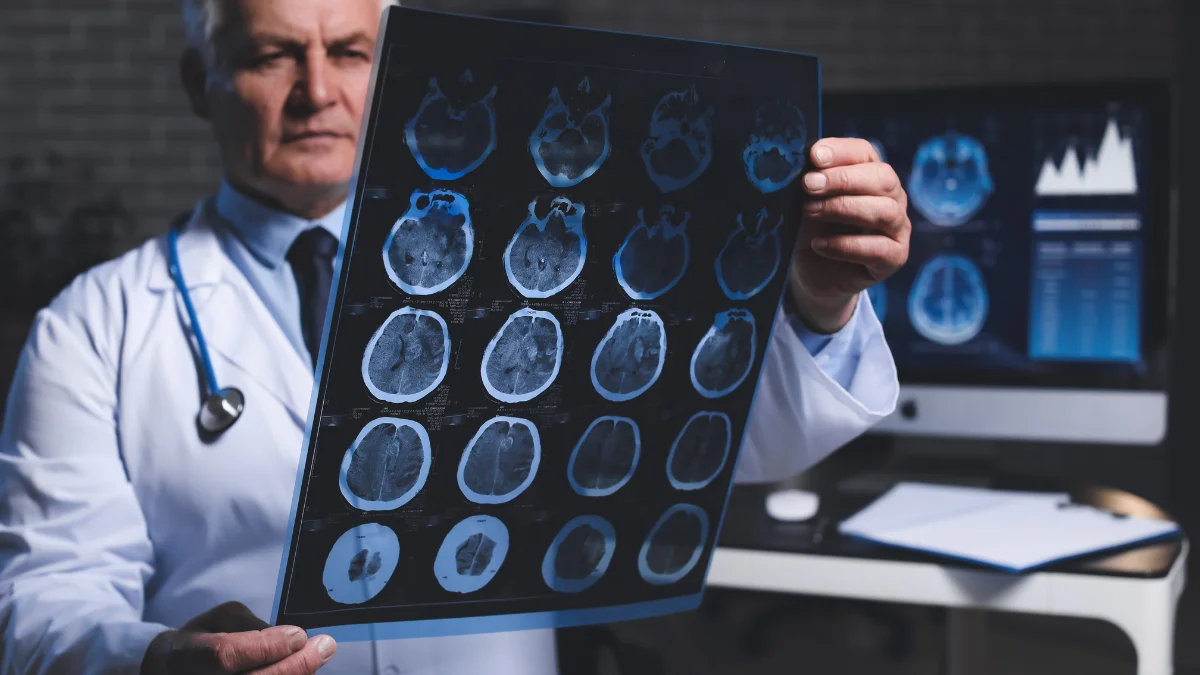
Neurologist, or Neurologist, is a doctor who examines, diagnoses and treats diseases and disorders of the nervous system. The nervous system includes the brain, spinal cord and peripheral nerves and plays a vital role in controlling and coordinating all body functions, from movement and senses to thinking and memory. Any disturbance in this system can lead to serious problems such as chronic headaches, seizures, cognitive impairment, or debilitating diseases such as Parkinson and Alzheimer, which require careful examination by a specialist. Early referral to a neurologist can prevent the development of many of these diseases and improve the patient's quality of life. In the rest of this article, we will review specialized services provided by neurologists, including Engography (EEG) and home doctor visits. Stay with us.
Related services: EEG and home doctor visits
Neurologists use various tools to diagnose neurological diseases. Some of the important services include:
- Encephalogram (EEG); Electroencephalogram (EEG) is one of the most important diagnostic tools in neurology. This method helps the doctor examine the electrical activity of the brain and diagnose diseases such as epilepsy, brain injuries, or sleep disorders. This test is non-invasive and widely used to monitor brain health.
- Doctor's home visit; For patients who cannot go to the doctor's office due to physical conditions or movement restrictions, visiting a doctor at home is one of the best options. In this service, the doctor can perform the necessary examinations at the patient's home and provide appropriate treatment recommendations. This method is especially effective for the elderly or patients with mobility problems and reduces the difficulty of movement.
Warning symptoms of brain and nervous diseases
Some symptoms can indicate serious neurological problems and should not be ignored. If you see any of the following symptoms, it is necessary to see a neurologist. Examples of symptoms that indicate serious neurological problems include:
- Frequent and severe headaches: Headaches that do not respond to pain medication or are accompanied by symptoms such as nausea, blurred vision, or slurred speech may be a sign of migraines or more serious conditions such as a brain tumor. to be Headaches that come on suddenly and are severe also require immediate evaluation.
- Seizures: Sudden seizures can be a sign of epilepsy or brain injuries that require immediate evaluation. This condition may be accompanied by loss of consciousness or involuntary body movements, which, if repeated, require immediate treatment.
- Weakness or numbness in limbs: If these symptoms appear suddenly, there is a possibility of stroke and you should see a doctor immediately. Also, these symptoms can be related to spinal disorders or nerve damage.
- Memory and cognitive problems: Memory loss, confusion or behavioral changes can be a sign of Alzheimer or other cognitive disorders. If these symptoms worsen over time, a specialist evaluation should be done to prevent the disease from progressing. Tremors or movement disorders: Problems such as hand tremors, difficulty walking, or slowness of movement are commonly associated with Parkinson's disease. These symptoms may become more severe over time and require medical and therapeutic management.
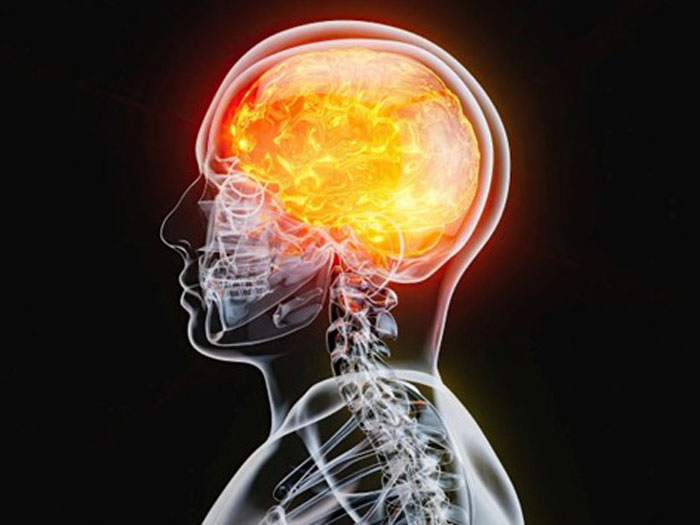
 Weakness or numbness of limbs is one of the warning signs of brain and nervous diseases that you see in the picture.
 How can the services of a neurologist help in quick diagnosis?
One of the most important goals of a neurologist is the quick and accurate diagnosis of diseases to prevent their progression. There are various and advanced diagnostic tools in this field that help doctors to accurately identify neurological disorders. Among these tools is TCCD, which is a non-invasive imaging method for examining blood flow in cerebral arteries and plays an important role in diagnosing vascular problems such as stroke. Electroencephalography (EEG) is also used as a key tool for monitoring the electrical activities of the brain, in identifying disorders such as seizures and sleep problems. In addition, advanced imaging methods such as MRI and CT scans allow doctors to more accurately examine brain injuries, tumors, and other structural abnormalities. These technologies help specialists to provide more effective treatment for patients.
Use of brain tape to examine brain function
Brain tape is very important as a practical method in the diagnosis of neurological diseases. By measuring the electrical activity of the brain, this method can provide valuable information about the state of brain health. Some of the applications of this method are:
- Epilepsy and convulsions: Brain tape can help to diagnose the type and severity of epilepsy and identify abnormal brain activities. This tool also helps the doctor to examine seizure patterns and determine appropriate treatments.
- Brain injuries: In patients with a history of concussion or surgery, EEG can be used to monitor brain activity and diagnose disorders caused by brain injuries. This method is very useful in the evaluation of patients with chronic or acute brain injuries. Sleep disorders: Brain tape allows the examination of problems such as sleep apnea, narcolepsy and other sleep disorders. This test can identify abnormal patterns in sleep and help the doctor determine treatment methods.
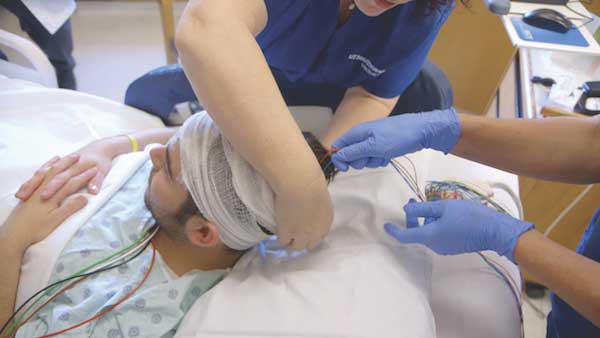
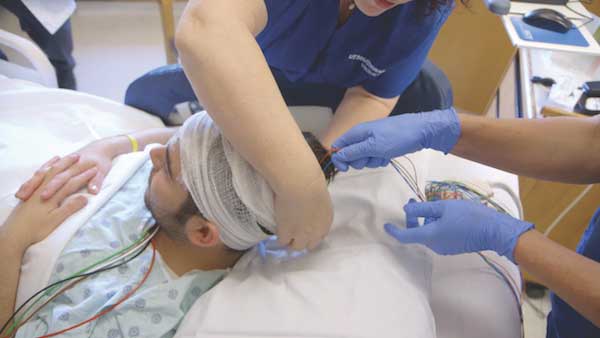
 Brain tape can help diagnose the type and severity of epilepsy and identify abnormal brain activities. In the picture, you can see a person who has symptoms of epilepsy.
 Doctor's home visit for a more comprehensive evaluation
For patients who cannot go to the office for various reasons, a doctor's home visit is a very useful and effective option. This service is especially important for the elderly, patients with mobility disabilities or those who live in remote areas. By being at the patient's home, the doctor can evaluate the patient's physical and mental condition in the familiar and comfortable environment of his life and prescribe more suitable treatments. The use of portable devices such as electroencephalography (EEG) at home allows the doctor to monitor the patient's brain activity and diagnose neurological problems. In addition, a more accurate assessment of the patient's condition in a natural and low-stress environment of daily life can help the doctor to provide more effective treatment solutions and accelerate the patient's recovery process.
Initial stages of referral and diagnostic methods
In the first visit to a neurologist, the doctor first carefully listens to the patient's history and examines his symptoms and medical history. Then, he evaluates the patient's general condition by performing physical examinations, including the assessment of muscle strength, motor coordination, and neurological status. If further investigation is needed, the doctor will prescribe certain diagnostic tests to identify the cause of the neurological problems. Some of these tests include:
- MRI or CT scan: These are advanced imaging methods that are used to closely examine the structure of the brain and identify brain injuries, tumors, or disorders such as stroke or degenerative diseases.
- Encephalogram (EEG): This test helps the doctor examine the electrical activity of the brain and detect disorders such as epilepsy, seizures, or sleep problems.
- Blood tests: These tests can be useful for investigating metabolic, infectious, or inflammatory causes of neurological problems. For example, some neurological diseases may be caused by infections or metabolic disorders that can be detected through blood tests. These initial stages allow the doctor to make an accurate diagnosis of the patient's condition and start appropriate treatments.
Initial consultations for patients
Neurology specialist After conducting examinations and diagnostic tests, based on the results obtained, he suggests appropriate treatment solutions to the patient. These solutions may include lifestyle changes, drug treatments, or specific methods to control symptoms and improve the patient's condition. For example, in cases where neurological conditions are caused by stress or poor lifestyle habits, changes in diet, sleep and daily activities may be helpful. In addition, drug treatments to control the symptoms of nerve diseases such as antiepileptics, antidepressants, or specific pain relievers for nerve pain may be prescribed. One of the effective and specific methods for treating chronic migraine headaches is Migraine Botox in which Botox is injected directly in certain areas of the head to reduce the intensity and frequency of migraine headaches. This method is recommended by many neurologists, especially in cases of migraine resistant to conventional treatments, and as a minimally invasive treatment, it has acceptable results in the control of chronic headaches. Conclusion Neurological diseases may have serious effects on a person's life, but early diagnosis and appropriate treatment can improve the patient's quality of life. Referral to a neurologist is necessary if warning signs such as headaches, seizures, or memory problems are observed. Advanced tools such as electroencephalography (EEG), modern imaging, and home visit services can help better diagnose and treat brain and neurological diseases. Neurological consultation is of particular importance so that the neurologist can accurately identify brain damage and prescribe the appropriate treatment plan.
Categories:
prevention of neurological diseasestreatment of neurological diseases Dr. Majid Kihani Fard
Dr. Majid Kihanifard was born in 1352 in Isfahan. He completed his general medical education at Isfahan University and specialized neurology course at Shahid Chamran University of Ahvaz and completed his knowledge and skills by completing a subspecialty fellowship in cerebrovascular surgery in Switzerland. He has always been a pioneer in providing new treatments and effective research, especially in the field of MS and stroke prevention, by emphasizing on increasing the health level of the society, informing the patients and respecting the patient. Dr. Kihanifared has been awarded the title of "Best neurologist in Isfahan" by the provincial medical system organization and has played an effective role in improving patient care services with applied research and advanced surgeries. Related Articles
Dr. Majid Kihani Fard
Dr. Majid Kihanifard was born in 1352 in Isfahan. He completed his general medical education at Isfahan University and specialized neurology course at Shahid Chamran University of Ahvaz and completed his knowledge and skills by completing a subspecialty fellowship in cerebrovascular surgery in Switzerland. He has always been a pioneer in providing new treatments and effective research, especially in the field of MS and stroke prevention, by emphasizing on increasing the health level of the society, informing the patients and respecting the patient. Dr. Kihanifared has been awarded the title of "Best neurologist in Isfahan" by the provincial medical system organization and has played an effective role in improving patient care services with applied research and advanced surgeries. Related Articles July 28, 2025

Author: Dr. Majid Kihanifard
Sinus headaches: why they happen and how to get relief?
July 15, 2025

Author: Dr. Majid Kehanifard
treating headaches with cold compresses- fast headache treatment
July 14, 2025
Author: Dr. Majid Kehanifard
Severe Headache Quick Cure at Home in Less Than 10 Minutes
May 25, 2025

Author: Dr. Majid Kehanifard
side effects of antidepressants
May 14, 2025

Author: Dr. Majid Kehanifard
Symptoms of generalized anxiety disorder in adults
May 12, 2025.
Author: Dr. Majid Kehanifard
May 11, 2025

Author: Dr. Majid Kehanifard
How can I deal with social anxiety?
May 11, 2025

Author: Dr. Majid Kehanifard
May 11 2025. src="https://drmkeyhanifard.com/wp-content/uploads/2025/03/dr-kehanifard.webp">
Author: Dr. Majid Kehanifard
April 19, 2025. Fred
Plasmapheresis: Treating Autoimmune Diseases to Cancer with Plasmapheresis
April 9, 2025

Author: Dr. Majid Kehanifard
What are the warning signs of neurological diseases?
April 8, 2025
Author: Dr. Majid Kehanifard
Epilepsy treatment - what is the best treatment for epilepsy patients?
Drug Library
Find all neurology drugs here