
What is oral blister? Causes, symptoms and treatment of mouth and lip blisters

 Last update: 15-05-1404 Confirming doctor: Dr. Saeed Qureshi Author: Elaha Panahi
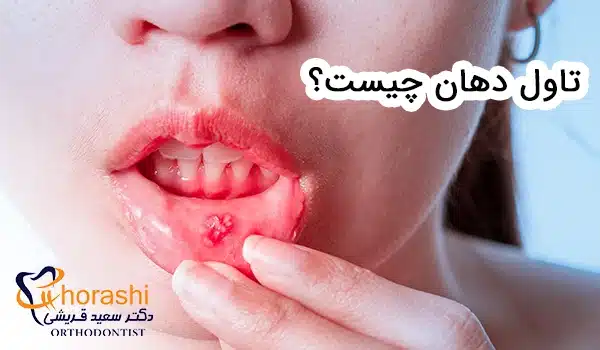
Blister mouth is one of the oral problems that different people of any age may face. This lesion can appear in different areas of the mouth, such as on the tongue, lips, inside the cheek or the end of the tongue, affecting speaking and eating. But why does the mouth blister? And what is the difference between its types?
In this article, we intend to fully investigate the causes, types, methods of home treatment of tongue and mouth blisters and ways to prevent this problem. If you or someone close to you is facing this problem, we suggest not to miss reading this article.
List of titles
ToggleWhat is oral blister?
Oral blisters are small appendages or protrusions that usually appear as fluid-filled sacs or surface sores inside the mouth, on the tongue, lips, gums, or roof of the mouth. These blisters can be clear, white, yellow, or red in color and are often accompanied by pain, burning, or discomfort when eating, drinking, or talking.Blistering in the mouth is usually a sign of inflammation or the body's reaction to external factors, such as an unwanted bite, food allergies, or the use of certain medications. Some blisters will heal on their own within a few days without the need for specific treatment, but in some cases they may be a sign of underlying diseases or viral infections that require further investigation. Understanding the nature of this complication is the first step to choose the right treatment method and prevent its recurrence.
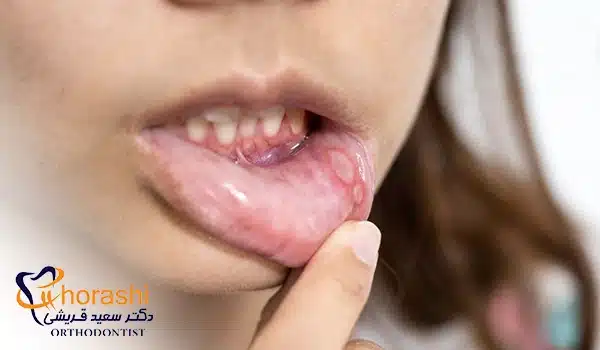
You can see an example of a mouth blister photo in the image below.
Types of mouth and lip blisters
types of mouth ulcers and blisters may have different appearance, location and causes. Some of them are viral, some are caused by immune system reactions, and some are caused by nutritional deficiencies or underlying diseases. Knowing the type of blister and the main cause of its occurrence plays an important role in choosing the appropriate treatment method and preventing the recurrence of blisters and ulcers.
In the following, you will learn about the most common types of blisters and oral lesions:
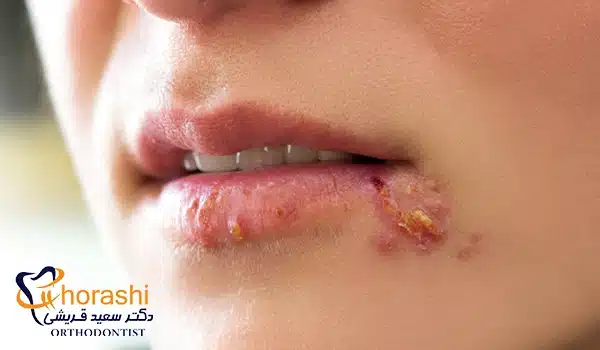
oral blister due to herpes
cold sores is a viral infection caused by the herpes simplex virus (HSV-1) that causes small, painful fluid-filled blisters on the lips and around the mouth. These blisters are contagious and are transmitted through close contact. Cold sores are often associated with burning, fever and feeling tired for no reason.
Anemia
In people with anemia, especially anemia caused by iron deficiency, the oral mucosa becomes weak and vulnerable, and they may face oral lesions in the form of ulcers or blisters. This condition can also be accompanied by a burning sensation of the tongue. Anemia has other symptoms such as paleness, cold skin, pale gums, lightheadedness, dizziness, increase or decrease in blood pressure, fatigue and heart palpitations.
oral blister due to gingivomatitis
Gingivomatitis is an inflammation of the gums and oral mucosa that is often seen in young children and is accompanied by painful blisters (especially when eating), salivation, fever and bad breath. These blisters have a red center and a yellow or gray border. The cause of this type of oral blister is a viral infection, especially the herpes virus.
Infectious mononucleosis
This viral disease, also known as "kissing disease", can cause inflammation of the throat, enlarged lymph nodes, blisters, sores or bumps in the mouth. The cause of this disease is Epstein-Barr virus (EBV) and its recovery may take up to 2 months. Infectious mononucleosis is more common in teenagers and young adults.
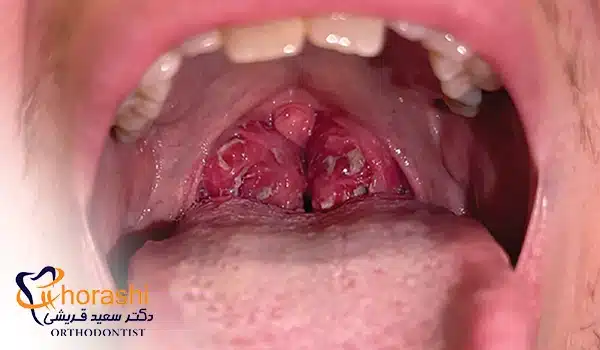
Canker wound
Cancer is a kind of painless skin wound that usually occurs in the early stages of syphilis. These sores appear inside the mouth, on the lips of the genitals or the anus (where syphilis bacteria enter the body) and at first they seem harmless. The small red bumps of canker sores quickly fester (turn white or yellow) and become larger and become sores.
However, these sores will disappear after four to eight weeks without treatment, but untreated syphilis can lead to serious damage to the heart and brain. Canker sores can indicate other dangerous diseases such as Crohn's disease, celiac disease, vitamin deficiency or AIDS.
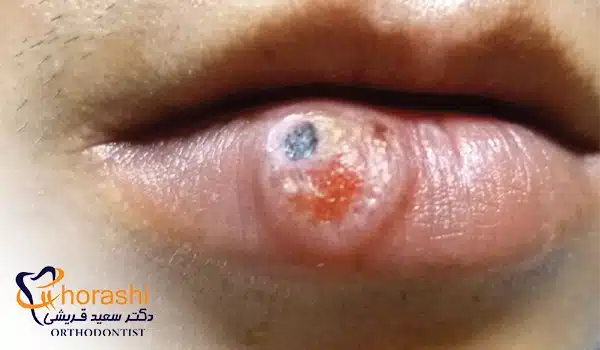
Folate deficiency
Folate (vitamin B9) plays an important role in the health of the oral mucosa. Deficiency of this vitamin can lead to painful sores and blisters on the mouth, tongue or gums. Weakness, pale skin, fatigue, swollen tongue, gray hair and delayed growth are other symptoms of folate deficiency in the body.
Thrush of the mouth
It is a type of fungal infection caused by Candida albicans, which is often seen in babies, children and people with a weak immune system or after taking antibiotics. Oral thrush is associated with white or cream-colored spots on the tongue, gums, and roof of the mouth, and sometimes ends in inflammation and blisters. Oral thrush causes other complications such as pain in the area of the bumps, loss of sense of taste, problems in swallowing, dry and cracked skin in the corners of the mouth.
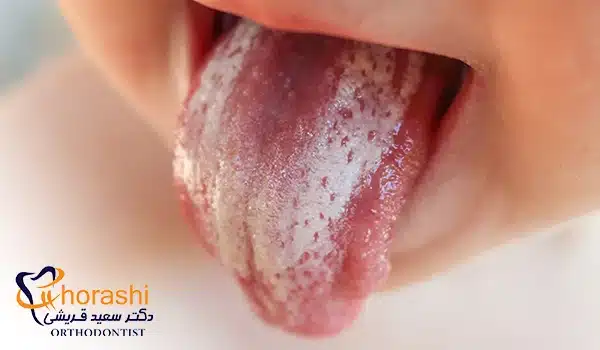
Leukoplakia
It appears as thick lesions, white spots and sometimes rough and hairy, on the oral mucosa. This complication is usually painless, but with constant irritation, it may turn into a sore or blister. Leukoplakia is more common in smokers and usually improves after two weeks. If leukoplakia persists, further investigations should be done for precancerous changes and risk of oral cancer.
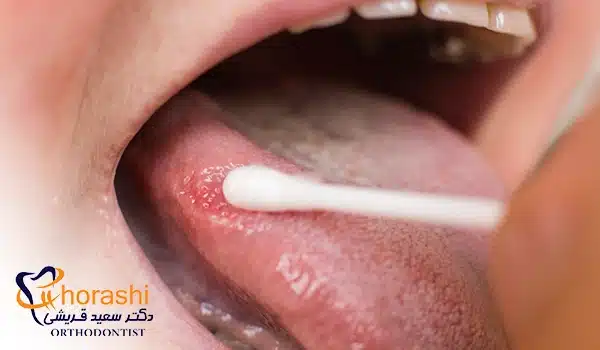
Lecan plan
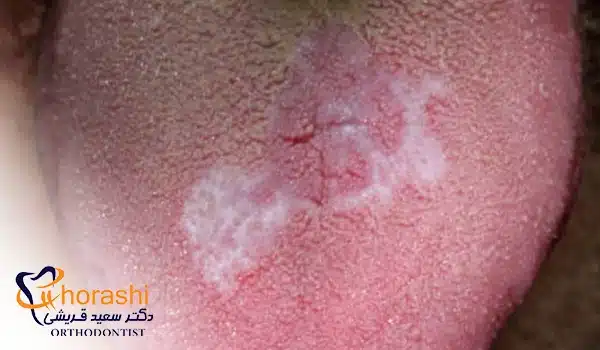
It is a type of chronic autoimmune disease that can cause lesions in the form of white or red spots and lines and superficial ulcers and blisters (white lace-like spots) in the mouth. These blisters, which often involve the sides of the tongue, the inside of the cheek, and on the gums, are associated with pain, itching or burning, but they are not contagious and do not have the risk of becoming cancerous.
There is no quick and immediate treatment for this ulcer on the side of the tongue and dentists usually prescribe mouthwash and the use of ointments and tablets to relieve the pain and discomfort. Diagnosis of lichen planus is done by a dentist and clinical examinations and sampling of the wound.
Celiac disease
In people with celiac disease (a digestive disease caused by gluten sensitivity), consuming gluten (a type of protein found in wheat, barley, and rye) may lead to an immune reaction in the body and complications such as blisters and sores in the mouth, especially on the tongue and cheeks.
Black hairy tongue
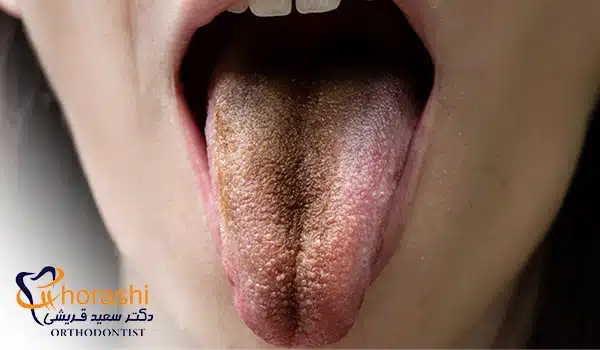
It is a rare and safe condition in which the bumps on the surface of the tongue turn black or brown and have a hairy appearance. This condition is sometimes associated with discomfort, burning and an unpleasant metallic taste in the mouth.
Antibiotic use, poor oral hygiene, lack of oral saliva, smoking, drinking too much tea and coffee are among the causes of black hairy tongue. Brushing the tongue and using a tongue scraper is the best treatment for this condition, but taking medicine is also necessary.
mouth disease
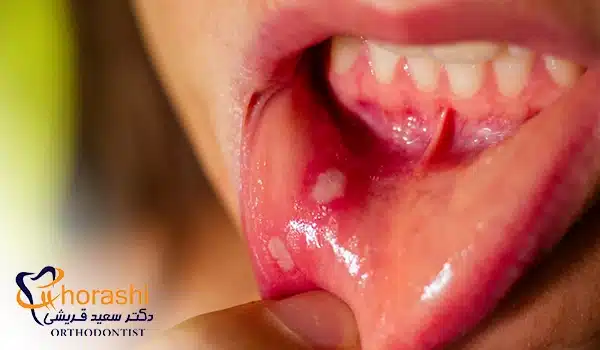
One of the most common types of mouth blisters is oral thrush. The plague usually appears as a round or oval wound with a red border and a white or yellow center that appears spontaneously and heals within one to two weeks without the need for treatment. These wounds are seen on the tongue, cheek and gums.
Geographic language
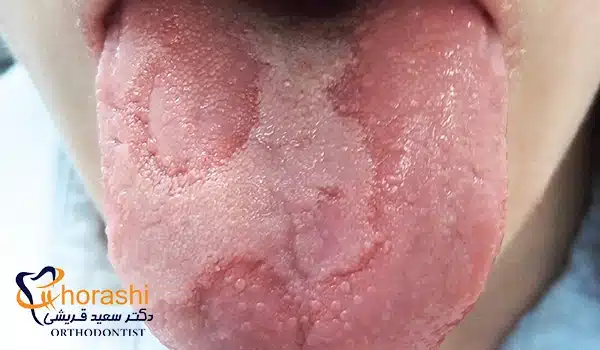
Geographical tongue is a benign complication that changes the color and shape of the language surface, so that the language looks like a map. Spots and blisters can change their size, pattern and location within minutes to hours.
Some patients experience pain, burning or irritation when eating certain foods. This disease is usually not dangerous, but if there is pain, taking over-the-counter painkillers and anti-inflammatory drugs will help you.
Amalgam tattoo
Gray or black spots that are caused by contact with dental filling materials (such as amalgam) in oral tissues. Penetration of pigments and silver contained in amalgam into oral tissues may look like a sore or blister, but it is not painful and does not require treatment.
If the amalgam tattoo grows or changes color, you should suspect the type of oral wound and visit a dentist for further investigation.
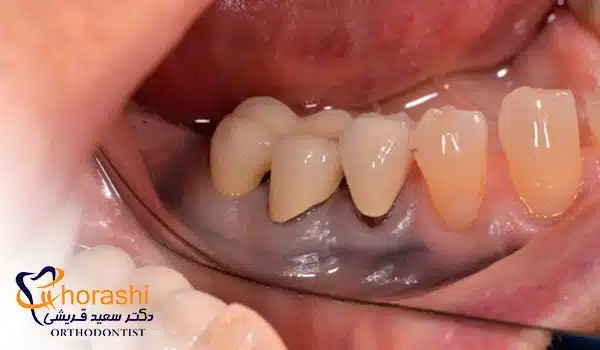
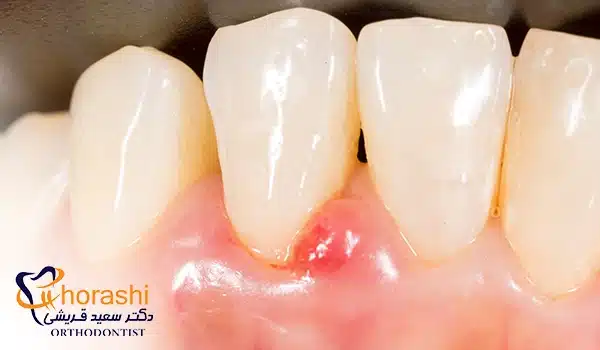
Gingivitis
It is one of the types of gum diseases which is caused by the accumulation of bacterial plaque. This condition is associated with swelling, bleeding, sensitivity and pain in the gums, and in more advanced stages, it leads to ulcers or mouth blisters.
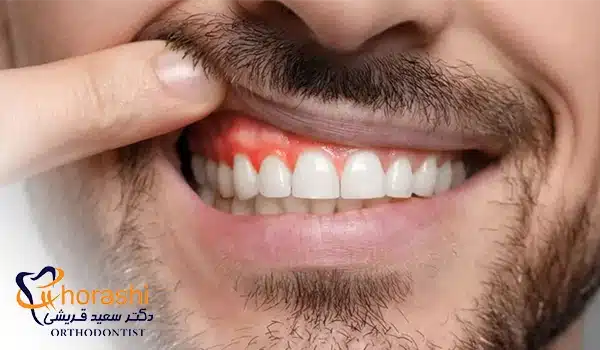
Periodontitis
It is an advanced form of gingivitis that occurs by ignoring the inflammation and bleeding of the gums. This disease causes the decay of the gums and tooth-supporting tissues. In severe cases, sores or blisters may develop in the gums that require specialized treatment.

External factors that cause mouth blisters
Some types of oral blisters are caused by internal diseases or infections, but sometimes external and environmental factors irritate the oral mucosa and cause blisters. Knowing these factors helps to prevent and treat wounds better:- Mechanical injuries such as accidentally biting the tongue or cheek while chewing food or talking
- Collision of sharp and hard objects with the tongue
- stimulation caused by artificial teeth or orthodontics
- Burns with hot food or drink
- Allergic reaction to toothpaste or mouthwash containing compounds such as sodium lauryl sulfate
- Allergy to certain foods such as nuts, chocolate, citrus fruits or spicy, acidic and spicy foods
- Mental stress and immune system weakness caused by stress and nervous tension
- use of tobacco or alcohol
- Non-observance of oral and dental hygiene and the formation of bacterial plaques
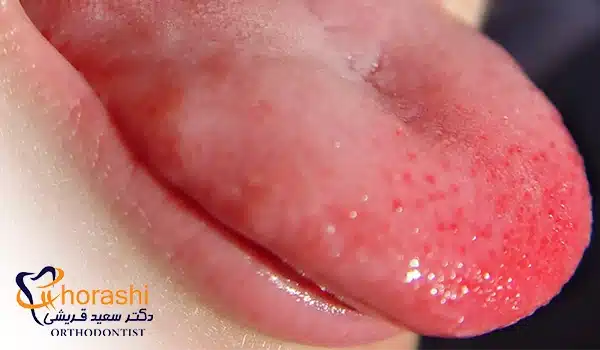
Home treatment of oral blisters
In most cases, oral blisters heal by themselves within a few days without the need for medical and specialized treatment. However, using home remedies for tongue and mouth blisters can help reduce pain, speed up the healing process, and prevent secondary infections. In the following, we will introduce you some techniques of home treatment of oral blisters.
Mouth rinse with water and salt solution
Washing the mouth with salt water solution is a simple and useful way to reduce inflammation and disinfect the blistered areas of the mouth. It is enough to dissolve a teaspoon of salt in a glass of warm water and gargle gently several times a day to relieve your pain and discomfort and speed up the healing process.
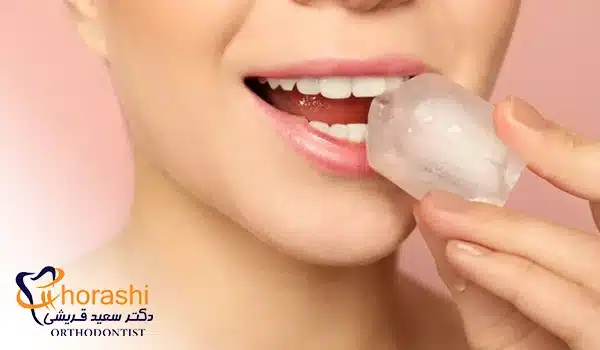
Using ice or cold compress
Placing an ice pack or cool cloth on the blister area can temporarily reduce pain, inflammation, and burning sensation. This method is very effective especially in the initial stages of the formation of blisters.
Avoid eating irritating foods
Spicy, acidic, spicy or hot foods will irritate the oral mucosa and cause blisters to worsen. It is recommended to avoid consuming these types of foods until complete recovery.
Drink enough fluids
Drinking water and cool liquids increases saliva secretion, maintains oral moisture, reduces dryness and burning, and accelerates the healing process of blisters. It is better to avoid caffeinated or acidic drinks such as tea, coffee and carbonated drinks and citrus juice.
Use of natural honey
Honey is considered a natural solution to relieve mouth blisters due to its antibacterial and restorative properties. Apply natural honey topically on the mouth sores and blisters daily to reduce pain and inflammation and heal faster.
Using drops for tongue blisters
You can also use over-the-counter medications to relieve the symptoms of mouth ulcers or consult your doctor to get tongue blister drops. Topical drops and gels contain anti-inflammatory or numbing agents that help reduce the pain and burning of the blisters and canker sores fast treatment.
Maintaining oral and dental hygiene
Regular use of a soft toothbrush, dental floss, and mild mouthwash prevents the accumulation of bacteria and the formation of plaque in the mouth, and provides better conditions for the healing of blisters.
L-lysine
L-lysine is a useful amino acid to shorten the treatment period of oral blisters. This supplement significantly limits the occurrence of lip blisters. Follow the recommendations on the package to take L-lysine supplements or consult your doctor about the dosage.
Zinc mineral
Zinc is useful for healing blisters and sores in the mouth and lips, and its topical use helps in the treatment of herpes. To shorten the healing time of herpes, use zinc oxide cream 3 to 4 times a day.
Oregano oil
Research results show the effectiveness of oregano oil in inhibiting various human and animal viruses and treating mouth and lip blisters. To take advantage of the properties of this natural substance, apply some diluted oregano oil to a cotton ball or ear swab and apply to the affected area. Repeat this several times during the day until the blisters are completely healed.
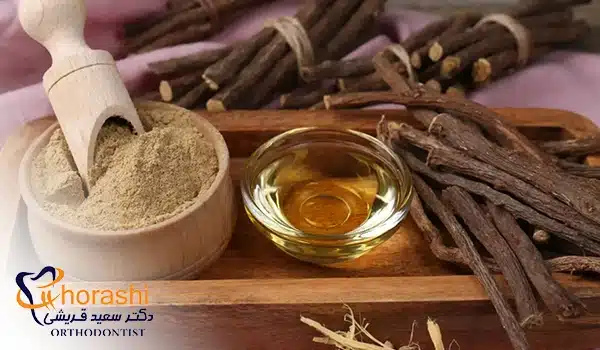
Licorice extract
Licorice root extract is a simple and affordable treatment for cold sores and oral blisters. Dip a piece of cotton in diluted licorice extract and place it on the herpes blisters. You can also make a paste of licorice with almond or coconut oil and apply it on the affected areas. Licorice should be consumed in consultation with a doctor.
Enchanted hazelnut
Witch hazel extract fights viruses, reduces inflammation and helps heal blisters by drying them. Dip a cotton ball in witch hazel extract and place it on the blisters and cold sores without pressing directly. Be careful not to rub the extract on the affected area. Continue doing this until the blisters are completely gone.Apple vinegar
Apple vinegar has anti-fungal and anti-viral properties and is useful for quick treatment of mouth and lip blisters. But due to its acidity, it should be used with caution on blisters. This natural substance is not recommended for the treatment of bacterial skin blisters. Apply some apple cider vinegar on the blisters with the help of a cotton ball. Do this several times a day and continue until complete recovery. Excessive consumption of apple cider vinegar is safe, but it can irritate the skin.

Preventing oral blisters
To reduce the possibility of blisters in the mouth and lips, consider the following simple tips:
- Maintain oral hygiene by regular brushing and flossing
- Choosing mouthwash and toothpaste without irritating substances such as sodium lauryl sulfate
- Paying attention to how to eat and talk to avoid mechanical injuries such as biting the tongue, lips and cheeks
- Decreasing consumption of very spicy, sour, hot and acidic foods
- Reduce stress and manage mental pressure with exercise, meditation and enough sleep
- Having a balanced diet rich in vitamins and nutrients, especially iron and B group vitamins
- Avoid smoking and drinking alcohol
- Ensuring the fit and health of artificial teeth, orthodontic braces or other dental equipment
- Regular visit to the dentist for timely diagnosis and treatment of oral lesions or inflammations
FAQ
Next, we will answer your frequently asked questions.
What is the cause of blistering at the end of the tongue?
Blisters on the tip of the tongue are usually caused by accidental bites, burns from eating hot food, lack of B vitamins (such as folate), stress, or a viral infection such as herpes. Also, sensitivity to some foods and contact with irritants can cause it.What drops are suitable for tongue blisters?
Topical drops or gels containing anesthetics such as lidocaine and anti-inflammatories such as clobetasol help reduce pain and inflammation. These drops should be used under the supervision of a dentist or doctor to avoid possible side effects.
What is the best treatment for oral blood blisters?
Blood blisters, which are called hemorrhagic blisters, usually heal without treatment within 7 to 14 days.
Using moisturizers containing aloe vera and cold compresses to reduce swelling and pain, avoiding eating spicy and hard foods, and strictly observing oral hygiene are among the best ways to speed up the healing process of these blisters. In case of severe pain or infection, it is necessary to see a doctor.
Is lip and mouth blisters contagious?
Blisters caused by pest and other non-infectious factors are not contagious. But blisters caused by herpes simplex virus infection or mononucleosis (Epstein-Barr virus) are highly contagious and are transmitted through direct contact.Are oral blisters viral or bacterial?
Viruses are the most common cause of mouth and lip blisters, for example herpes and mononucleosis blisters are of viral origin. Bacteria play a role in the occurrence of gingivitis and periodontitis wounds, and their traces can also be seen in secondary infections.
How are oral blisters dangerous?
If blisters last longer than two weeks, are accompanied by bleeding or signs of infection, appear frequently, are accompanied by burning eyes, or destroy oral tissues, it can be dangerous. Also, people with a weak immune system, if they get mouth blisters, it is better to see a doctor for more care.
Blister mouth is one of the common oral problems that can often be controlled by observing oral hygiene, avoiding irritants and using home remedies. However, in cases where the blisters are frequent, painful, or long-lasting, a specialist evaluation is needed.
Accurate diagnosis of the cause of the blister and appropriate treatment can prevent secondary infections and more serious complications. Dear ones, you can contact Dr. Saeed Qureshi to maintain oral health and receive professional guidance. Dr. Saeed Qureshi
Dr. Saeed Qureshi, an orthodontic specialist with more than 20 years of experience in the treatment of jaw and teeth abnormalities, is the first member of the specialized board of the country, has the specialized board of orthodontics from Canada and is a member of the American Association of Orthodontics (AAO). To book an appointment and receive advice, you can visit any of the three specialized orthodontic centers in Tehran (located in Saadat Abad, Tehran Pars and Nawab areas) or the Qom orthodontic office under their management.
About Dr. Qureshi book appointment How much do you think the writing score is? Subscribe to 0 comments the most recent the oldest The most votes Feedback (Feedback) inline View all comments





