

مقدمه
در دنیای دندانپزشکی، درمان ریشه یا عصبکشی یکی از رایجترین روشها برای نجات دندانهای آسیبدیده است. But many patients have the question of What is a dental canal? and why is it important to fill it? In this article, we are going to discuss all the aspects of dental canal, the cause of treatment, steps, benefits and after care in simple but precise language.
What is a dental canal?
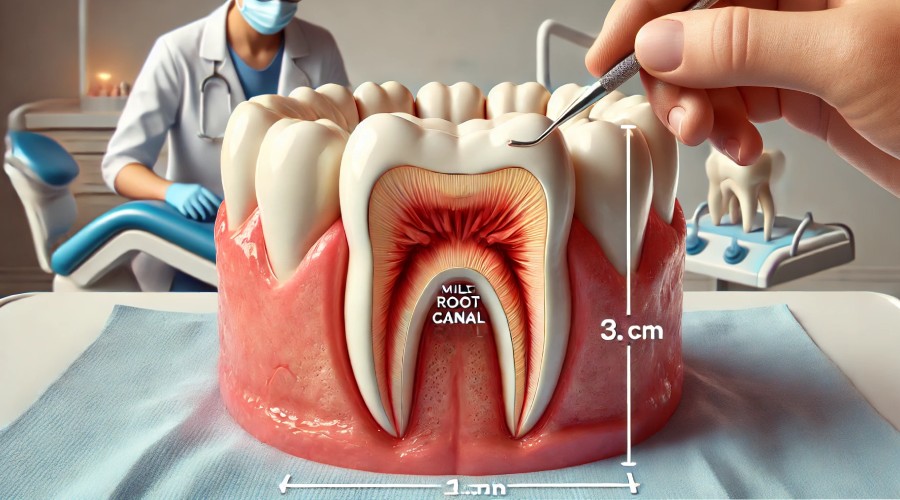
Tooth canal is a hollow space inside the root of the tooth that contains soft tissue called dental pulp. The pulp contains nerves, blood vessels and connective tissue, which plays a vital role during tooth development. When this tissue becomes infected or inflamed, to prevent the problem from spreading, the pulp should be removed and the canals cleaned and filled with root canal treatment.

General anatomy of the tooth and location of the canal
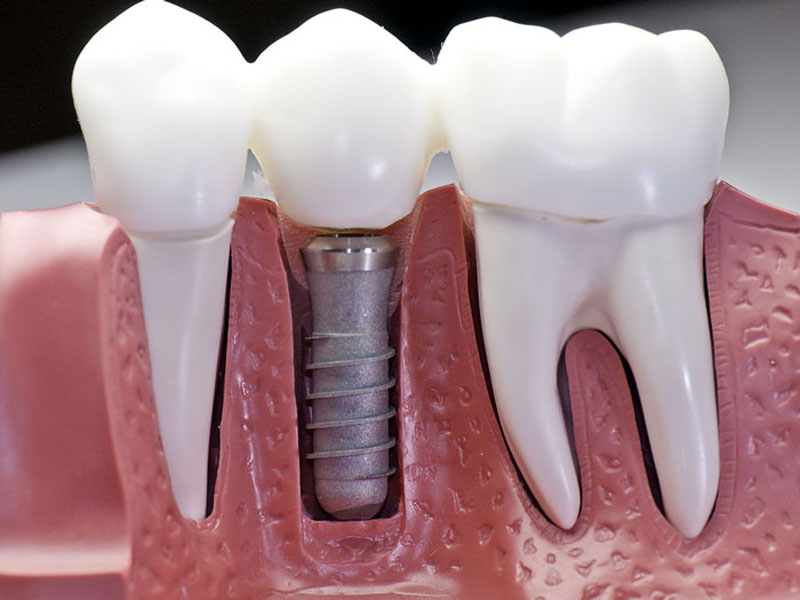
To better understand what dental canal is, it is necessary to first get acquainted with the structure of the tooth. The tooth consists of three main parts:
-
Enamel: the hard and outer layer of the tooth
-
Dentin: middle layer with porous structure
-
Pulp: the internal part where the canals are located
Each tooth may have one or more canals. For example, molars usually have 3 to 4 canals, while front teeth usually have one canal.
When do we need root canal treatment?
When the tooth pulp is damaged or infected, root canal treatment is necessary. The following are among the symptoms that indicate the need for nerve extraction or root canal treatment:
-
severe and persistent toothache
-
sensitivity to extreme cold or heat
-
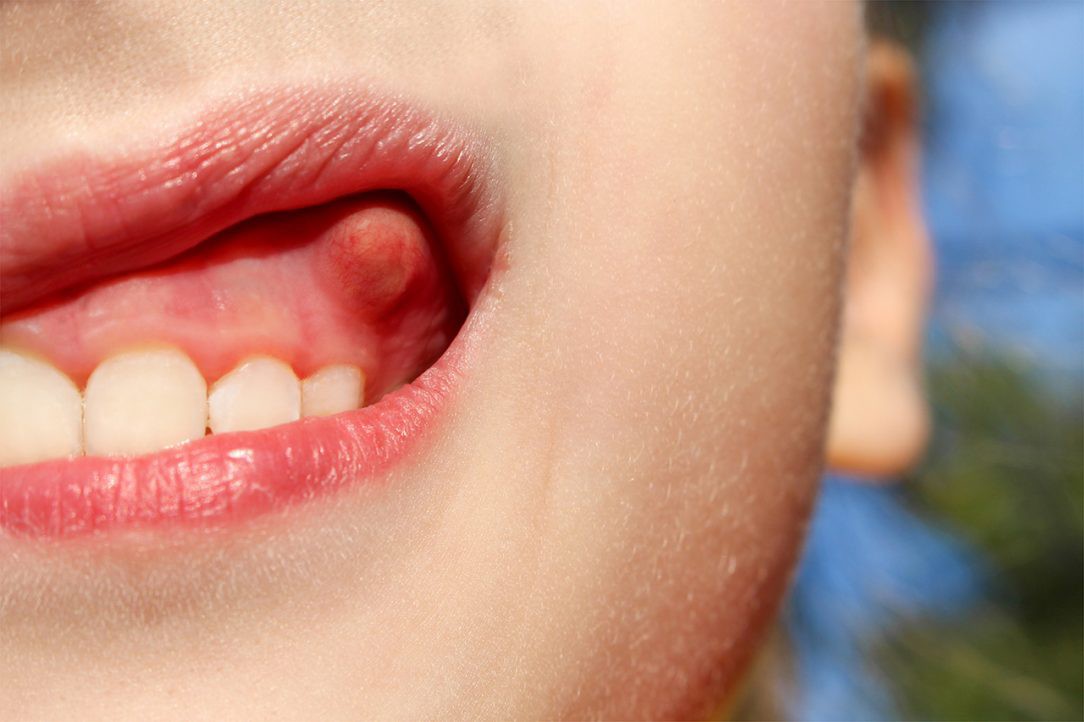
gum swelling around the teeth
-
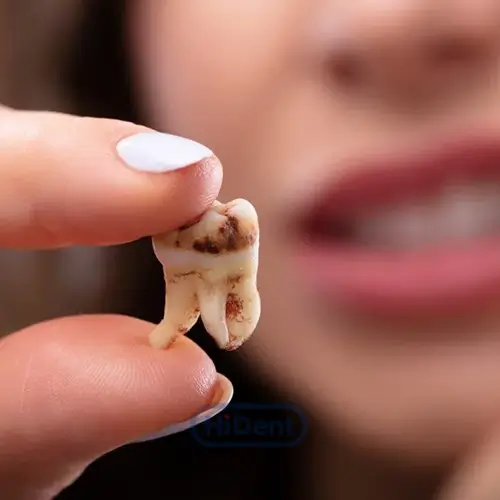
Change in tooth color (darkening)
-
presence of abscess or discharge of pus from the gums
Steps of tooth canal treatment
Dental canal treatment is carried out in several specific steps. Depending on the patient's condition, this process may be done in one or more sessions.
1. Examination and imaging
In the beginning, the dentist evaluates the condition of the canals, the level of infection and the number of dental canals by taking a radiograph (periapical or CBCT).
2. Local anesthesia
To reduce the pain and comfort of the patient, local anesthesia is used. After complete anesthesia, the process begins.
3. Access to the pulp and its drainage
The dentist makes a small hole in the crown of the tooth to access and remove the pulp.
4. Cleaning channels
After the pulp is drained, the canals are cleaned, rinsed and disinfected with precision instruments to remove any bacteria, dead tissue or contamination.
5. Filling the channel
After making sure the canals are clean, they are filled with special materials such as gutta percha to prevent re-infection.
6. Final restoration
At the end, the tooth is restored with temporary or permanent filling materials. Sometimes there is a need to install a veneer to strengthen the teeth.

Does root canal treatment hurt?
Contrary to popular belief, root canal treatment is performed under anesthesia and is not painful. Most patients only feel pressure or mild discomfort. Even after treatment, minor pain may remain for a few days, which is controlled with regular pain relievers.
possible side effects of root canal treatment
While root canal treatment is very successful and safe, it can sometimes encounter some problems:
-
Pain or sensitivity after treatment
-
Instrument failure inside channel
-
Reinfection in case of incomplete repair
-
crack or fracture of the tooth in the absence of veneer
Care after root canal treatment
To prevent complications and increase the life of the treated tooth, it is recommended to observe the following:
-
Avoid chewing hard foods until complete recovery
-
Strict observance of oral and dental hygiene
-
Using disinfectant mouthwash
-
Refer to the dentist to check and install the veneer (if needed)
-
Monitoring periodic control sessions
Canal treatment in children; Different but necessary
Children may also need root canal treatment (pulpotomy or pulpectomy) in case of pulp infection. In these cases, depending on the amount of root growth and the age of the child, the treatment method will be different. Pediatric dentists perform the treatment painlessly and successfully with special tools and methods.
Difference between denervation and root canal treatment
The term denervation is the same as root canal treatment. But more precisely:
-
Nervicide is a popular term among people
-
Dental canal treatment is the scientific and specialized term of this method
Both refer to draining the damaged pulp and filling the canals to prevent infection.
Is root canal treatment permanent?
If root canal treatment is done correctly and the patient follows up aftercare, it can remain problem-free for years. However, if the tooth restoration is not complete or the oral hygiene is not observed, there is a possibility of treatment failure and the need for re-treatment or even epicectomy surgery.
root canal treatment or tooth extraction; Which is better?
Many people tend to pull teeth when faced with severe pain. But preserving natural teeth is always a priority. Channel treatment:
✅ Maintains the natural appearance of teeth
✅ Makes chewing and speaking easier
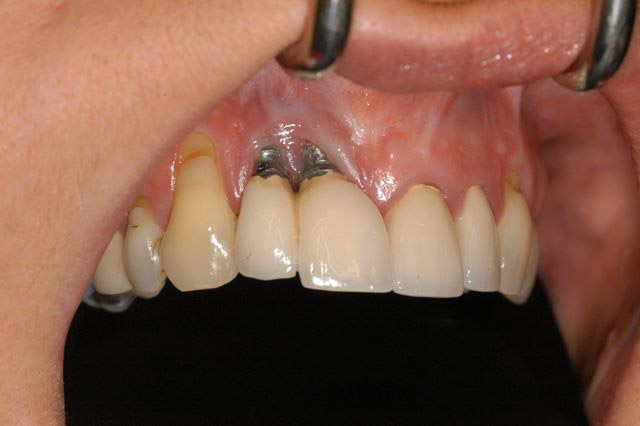
✅ Prevents jawbone degeneration
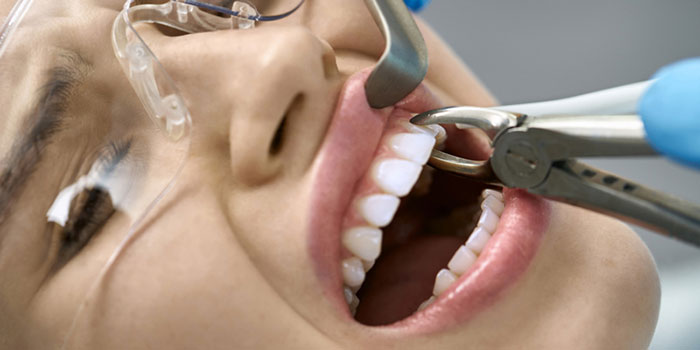
Tooth extraction is recommended only when root canal treatment is not possible or the tooth is severely damaged.
How much does root canal treatment cost?
The cost of this treatment depends on the following:
-
Type of teeth (front, small or large mill)
-
Number of channels
-
Need cover or not
-
Geographic location of the office
In general, back teeth with more canals will cost more.

How to prevent root canal treatment?
By following a simple routine, the probability of needing nerve removal can be greatly reduced:
-
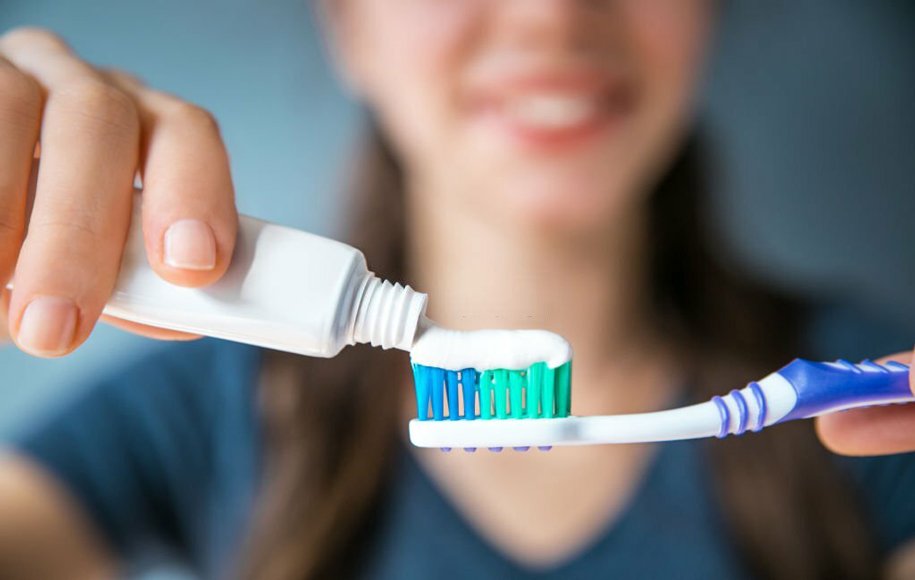
brushing at least twice a day
-
Using dental floss
-
Periodical visit to the dentist
-
repairing partial caries in the initial stages
-
Prevention of impact or broken teeth
Frequently asked questions about root canal treatment
Can the tooth be used as before after root canal treatment?
Yes, but it is recommended not to chew very hard foods with that tooth, especially if it is not covered yet.
Is gutta-percha a harmful substance?
No, gutta-percha is a harmless and biocompatible substance that has been used in dentistry for years.
Is root canal treatment suitable for all ages?
Yes, but the method of treatment and consumed substances may be different in children.
Summary
In response to the question What is a tooth canal, it must be said that the canals are a vital part of the internal structure of the tooth, which should be treated quickly in case of damage to prevent the spread of infection and tooth loss. Root canal treatment is an effective, relatively painless, and convenient alternative to tooth extraction. By observing oral and dental hygiene and regular treatment follow-up, you can benefit from the health of treated teeth for years.