What is the sign of hgb (hemoglobin) in the blood test and what is its normal level?
Hemoglobin (hgb) is one of the most important factors that doctors measure its level in the blood. By checking the level of hgb in a blood test, one can check the health status and diagnose blood diseases, including anemia.
Hemoglobin is a protein produced by the bone marrow and stored in red blood cells. This protein helps red blood cells carry oxygen from the lungs to the rest of the body and return carbon dioxide to the lungs. In addition, the color of red blood cells is related to the hemoglobin in them.
If the amount of hemoglobin in the blood test is abnormally low or high, you will experience symptoms such as fatigue, shortness of breath, headache, dizziness, etc.... In this article from GCORP LLC health magazine, you will learn everything you need to know about low hemoglobin or the reasons for it.. increase .... follow us to the end Follow this article.. Do this.
Table of contents
- Why is hgb measured in a blood test?
- How much is normal hemoglobin?
- Symptoms of hemoglobin deficiency
- Reasons of low hemoglobin in a blood test
- Symptoms of increased hgb in high blood test
- Word Final
- Frequently Asked Questions
Why is hgb measured in a blood test?
A hemoglobin test may be done as part of a complete blood count test. In a CBC test, other important blood components are also measured, including white blood cells and platelets. An abnormality in any of these cells is a sign of disease or blood abnormalities.
An internist, hematologist, or other doctor may recommend hgb testing for a variety of reasons.. Below are some of these reasons:
- One of your close relatives has blood disorders such as sickle cell anemia.
- You have an infection.
- You don't get enough iron, folate (vitamin B9) or vitamin B12 from your diet.
- You have lost a lot of blood after surgery or an injury.
- You are pregnant.
- You suffer from a certain disease that can affect the level of hgb in a blood test.
Hemoglobin testing does not necessarily require fasting... However, if the doctor's goal is to evaluate other blood factors at the same time, he may ask you to fast for the test... In this case, you must refrain from eating food and drinking liquids containing calories for 12 hours... Of course, you must drink a lot of water.
How much is normal hemoglobin?
Age and gender affect the amount of hgb in a blood test. The following table shows the range of normal hemoglobin in healthy people:
Typically, hemoglobin less than 14 g/dL is considered "low" for men and less than 12 g/dL for non-pregnant women.. These values may vary depending on individual circumstances.. It can also vary by laboratory.. Hemoglobin levels are interpreted in children, especially infants, less than 6 months of age.>
Learn more: What is LDH in blood test?
Symptoms of hemoglobin deficiency
Reduction of hgb in blood test is called as anemia.. it means that the person does not have enough red blood cells in his body.... in case of anemia, the number of red blood cells and the hematocrit level are also low.... hematocrit measures the volume of red blood cells compared to other blood compounds.
Anemia occurs for various reasons and therefore is associated with various symptoms.... Among the common symptoms of this condition, the following can be mentioned:
- fatigue
- Pale color
- shortness of breath
- Abnormal or fast heartbeat
- chest pain
- Coldness of the hands or feet and their swelling
- Headache
- Difficulty in doing physical activity
Learn more: RDW in blood test
Low level of hemoglobin reduces oxygen supply to muscles and vital organs. As a result, the person experiences fatigue or lack of energy.
Reasons of low hgb in blood test
Any disease or problem that affects the body's ability to produce red blood cells or reduces the number of these cells in the bloodstream can be one of the reasons for the decrease in hemoglobin in the blood test. The most common reasons for low hemoglobin levels in a blood test are:
- Deficiency of iron in the diet: In this condition, the production of hemoglobin in the bone marrow is difficult.
- Folate or vitamin B12 deficiency: This issue can lead to a decrease in the production of red blood cells in the body.
- Loss of significant blood volume: May occur after surgery or serious injury.
- Internal bleeding: This complication occurs due to stomach ulcer, stomach or colon cancer and other internal injuries.
- Sickle cell anemia: is a genetic disease that causes red blood cells to be deformed and therefore unable to carry enough hemoglobin.
- Hypothyroidism: In people with this disease, the thyroid gland does not produce enough hormones.
- Splenomegaly (enlarged spleen): This condition occurs due to infection, liver problems, or cancer.
- Bone marrow diseases: For example, leukemia, which is a type of cancer, stops the production of red blood cells in the bone marrow.
- Chronic kidney disease:In this disease, the kidney does not function optimally... As a result, the erythropoietin hormone is not produced enough... This hormone stimulates the production of red blood cells in the bone marrow.
The following factors may lead to a decrease in hgb in a blood test in some people:
- excessive blood donation
- Conditions that cause chronic bleeding (including uterine fibroids and heavy menstrual bleeding)
- alcohol abuse
- Chronic diseases including autoimmune disease or cancer
Learn more: ESR in blood test
Symptoms of increased blood hemoglobin
A high level of hgb in a blood test is called polycythemia... it means an increase in the number of red blood cells.... Polycythemia vera is a type of blood cancer in which the bone marrow produces a large number of red blood cells.
In polycythemia, in addition to hemoglobin, blood tests show that the number of red blood cells and the hematocrit level are increased. The common symptoms of high hemoglobin are:
- Itching
- Headache
- dizziness
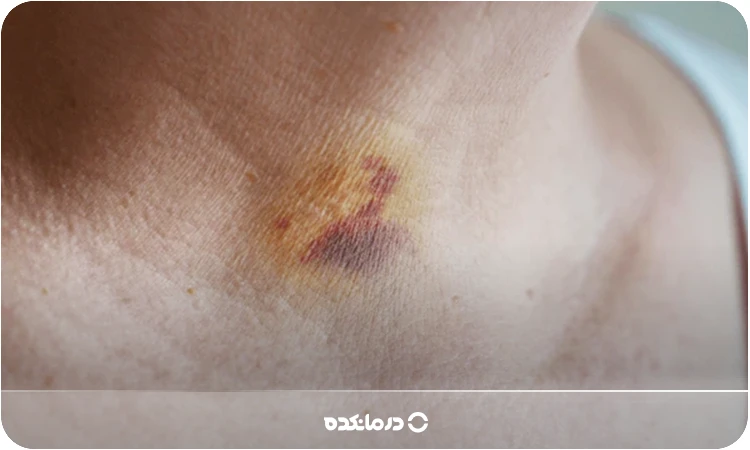
- Bleeding or bruising
- Excessive sweating
- Painful swelling of joints Abnormal weight loss
- yellowing of the skin or eyes (jaundice)
- Feeling tired
- creating red or purple spots on the skin
Reasons of high hgb in blood test
Sometimes, in response to lack of oxygen, the body starts to store hemoglobin in red blood cells, which increases the level of hgb in the blood... The following factors play a role in the lack of oxygen and, as a result, the increase in the level of hemoglobin in the blood test:
- Living at altitude: In these environments, including mountainous areas, there is not much oxygen in the air.
- Tobacco: Cigarettes and other products containing tobacco reduce oxygen levels.
- Chronic Obstructive Pulmonary Disease (COPD): This disease is associated with inflammation of the lungs and prevents air from entering them.
- Heart or lung disease: These diseases affect breathing, the ability of the lungs to deliver oxygen to the bloodstream, or the ability of the heart to pump blood.
- Unnecessary use of erythropoietin: For example, this may happen to increase the body's physical performance.
Among the other reasons for the increase in hemoglobin in the blood test, the following can be mentioned:
- Severe dehydration Liver or kidney cancer
Learn more: ptt test
Endword
Hemoglobin testing is a key tool for assessing your health status... because it helps diagnose anemia and other blood-related disorders.... If you need help interpreting your hgb blood test result, see your GP or internist.. Your doctor will review the test results and, if necessary, refer you to other specialists, including a hematologist.
To consult with the best doctors, you can go to the website of GCORP LLC and consult with the best specialist doctors, including oncology doctors online, or make an appointment with your desired specialist through the online appointment system to see an oncology doctor in person.
Frequently Asked Questions
It is a protein found in red blood cells whose main job is to carry oxygen from the lungs to the body's tissues and return carbon dioxide from the tissues to the lungs... So, doctors can get a lot of information about your health from blood tests. Has the hemoglobin test been done?
Doctors recommend this test for various reasons, including: having a family history of blood disorders, following an improper diet, pregnancy, injury and heavy bleeding, and suffering from some diseases, including infectious diseases.
Should you always take the increase in hemoglobin seriously? Sometimes high hemoglobin is a sign of an underlying disease... Even if you don't have a specific disease, it's important to treat high hemoglobin... because it can lead to complications like blood clots.
Source: Healthline
Was this article helpful to you?
![Which fruit increases blood pressure [high and low]? 18 effective fruits](/storage/posts/covers/2026_01_08/ef00bb701cbb99e90a24ba8d73265ba4c08936335e859a33b69553f5c5e737a2.webp)
![For whom is rhinoplasty dangerous? [10 groups+cause+solution]](/storage/posts/covers/2026_01_06/3e06a993c87e243daaf67dc69ac3e484d377b2708c93656820e0084ea4f080d6.webp)
![What fruits have vitamin B12? [13 fruits + consumption tips]](/storage/posts/covers/2026_01_06/dfaeceb7cb9a203805aeba8715bf7cdea6f5cb2b5b9314e1898807545e874bb1.webp)
![Is nasal massage necessary after surgery? [Training + 5 effective benefits]](/storage/posts/covers/2026_01_06/1f2686c8d522130d256828a51d7d46594dbde31ec2253325e6a8a38f04094789.webp)
![The best drops to reduce eye pressure [14 powerful drugs + method of administration]](/storage/posts/covers/2026_01_06/0177c50098eb80d878d1c883d09ae31ad2f489b17e1288f52018e3f8ef213e5f.webp)
![What is hair filler? [9 benefits, how to inject + durability of hair filler]](/storage/posts/covers/2026_01_06/c21c5e1ff48e9af8214111dfe0b867586f298e3d74a95fadda02b0b04df12598.webp)
![The strongest antibiotic for tonsil infection [7 drugs + method of administration]](/storage/posts/covers/2026_01_06/7b5adf6bb8cf556824d96570b6adba58f824b3a7f248993cfaafb73c0b5b8610.webp)
![Garlic pills for weight loss [4 effective benefits and side effects + how to use]](/storage/posts/covers/2026_01_06/c49f08b482d5860218c8635e48194a50f2ed48b51ef15925aa2d73d8393ff3ab.webp)
![What foods increase eye pressure? [8 harmful foods and drinks]](/storage/posts/covers/2026_01_06/52929c4d1b9ed7916d3fc5a8e45060479fb186f332dd217e68905f71f89a33f0.webp)
![What foods lower eye pressure? [18 useful foods]](/storage/posts/covers/2026_01_06/f180eb15f8e64fc9b386f9d5dc7936a5e416af36032be3bdcdf9054925a21d43.webp)
![itchy scalp; 18 causes [medical treatment + 11 home remedies]](/storage/posts/covers/2026_01_06/a1e116ec1c6243fd5c4e6fb951da5cb33bbd92a09c44e29b845852a86f550681.webp)
![What is intestinal colitis and what are its symptoms? [3 causes + definitive treatment]](/storage/posts/covers/2026_01_06/d3384e9221c036ff3eb447c69ffabb109dd6c0c35f5e5f0af775c4545cfd7ea5.webp)
![The best pills for irritable bowel syndrome [10 powerful drugs]](/storage/posts/covers/2026_01_06/70f02d6808fab88d67b0c6734a623e5e71982d323dbd2fb8158c29669849b813.webp)