مقاله تخصصی
What is a coma? How to help a comatose patient?
3 months ago
974 بازدید

Dr. Majid Kihani Fard
TehranNeurologist
**Actually, coma is the same** deep anesthesia, the patient is not awake and has no reaction to his surroundings. A patient who has brain problems due to **brain injuries**, stroke, **brain infections,** drug poisoning, brain aneurysm, accident, etc., may fall into a coma. Coma patients have no response to external stimuli and are usually dependent on medical devices to maintain body functions. For example, their breathing can depend on the respiratory system. Coma treatment depends on its cause and doctors use different treatment methods to help improve the patient's condition. The rate of recovery depends on the severity of the injury and the cause of the coma. The condition of the patient is checked with a number as the level of consciousness, which is called GCS (Glasgow Coma Scale) in medical terms. In the continuation of this article from Dr. Kihani Fard's website, we will discuss the causes, symptoms, types and treatment of coma or temporary death. Stay with us. ### What is a coma?
As we said, a person who is in a coma because he is unconscious, does not respond to any stimulus, even pain or light, and cannot be woken up. In this case, the person's body does not function normally and may face problems. For example, having breathing disorders or blood circulation problems. Or to have kidney and digestive problems. Coma patients need special medical care to prevent complications such as pneumonia or blood clots. Therefore, to maintain a patient who is in a coma, intensive care in the ICU is considered. If the patient is in a coma for a long time, the patient may be sent home and the companions must rent special care devices in this situation to be able to take care of their patient. It is also necessary to coordinate with expert nurses to come to the patient's home for care. Concussion, stroke, brain infections, brain embolism or severe metabolic problems are some of the reasons that may put the patient into a coma. **The level of consciousness of the patient shows how much he is damaged**, where lower scores indicate more severe brain damage. The rate of recovery from this condition depends on the cause of the coma and the severity of the brain damage. ### What are the causes of coma?
Coma can be caused by various causes that affect brain function. ** Coma-causing factors ** are:
#### Traumatic brain injuries
Traumatic brain injuries, often caused by car accidents, falls, or other types of physical trauma, can lead to coma. These injuries may directly damage brain structures or cause secondary damage through increased intracranial pressure or vascular compression. #### Metabolic disorders
- - - **Blood sugar abnormalities:** Both **hypoglycemia** (low blood sugar) and **hyperglycemia** (high blood sugar) can lead to **coma**; Especially in people with diabetes. Extreme fluctuations in blood sugar levels can disrupt brain function and lead to unconsciousness. Other metabolic causes: Electrolyte imbalance, liver failure, kidney failure, and severe infections such as sepsis can also cause coma by affecting brain metabolism. #### Lack of oxygen or blood flow
Conditions that reduce oxygen supply to the brain, such as:
- - - Cardiac arrest
- Stroke
- Near-drowning incidents
- Carbon monoxide poisoning
#### infection
Severe infections that affect the central nervous system include:
- - - Meningitis
- Encephalitis
- Brain abscesses
These can cause **brain swelling** and lead to **coma**. #### Poisons and substance abuse
Exposure to toxic substances, drug overdose, or alcohol overdose can cause coma or unconsciousness. This includes prescription drugs and illegal drugs, especially tranquilizers and opioids. #### nervous conditions
Certain neurological events or conditions can cause coma, such as:
- - - Prolonged or severe seizures
- **brain tumors**
- **Intracerebral hemorrhage** or blood clot in the brain
- Rupture of brain aneurysm
### other causes
- - - Severe hypothermia or hyperthermia
Endocrine disorders, such as severe hypothyroidism
- Some autoimmune conditions such as MS or Parkinson's disease that affect the brain. ### coma symptoms
**Symptoms of coma** indicate a severe state of impaired consciousness and the inability of a person to respond to the surrounding environment. These symptoms include the following:
- **Anesthesia:** The person cannot be woken up and seems to be in a deep sleep. - **No eye response:** The eyes remain closed and there is no reaction to light or effort to open them. **Absence of voluntary movements:** The person does not show any movement and does not react to painful stimuli or verbal commands. - **Reduction of cerebral reflexes:** Reactions such as pupillary response to light are greatly reduced or completely disappear. - **Irregular breathing:** The person's breathing pattern may suffer from disturbances such as breathing interruptions or abnormal rhythm. - **Abnormal body conditions:** The person's body may experience contractions or abnormal muscle movements that do not seem normal. - **Blood pressure changes:** Blood pressure may change irregularly, sometimes higher and sometimes lower than normal, depending on the **cause of coma.**
In the table below, you can see the symptoms of coma in summary:
### types of coma
There are different types of coma that have different characteristics depending on the cause, severity and type of brain damage. In the following, we mention some **common types of coma or temporary death**:
1. **Toxic-Metabolic Encephalopathy:** This type of anesthesia occurs due to systemic diseases, organ failure or toxic substances affecting brain function. It is often reversible if the underlying cause is treated. 2. **Cerebral hypoxia:** This is caused by a lack of oxygen to the brain, which can occur as a result of accidents such as drowning, suffocation or cardiac arrest, leading to immediate loss of consciousness. 3. **Persistent Vegetative State (PVS):** In this state, a person may have a cycle of sleep and wakefulness, but is not aware of his surroundings and cannot respond to stimuli. They may breathe and have basic reflexes but no higher cognitive functions. 4. **Minimally conscious state:** This state is characterized by inconsistent but recognizable signs of consciousness. Individuals may respond to simple commands or occasionally show purposeful actions. 5. **Locked-in syndrome:** A rare condition in which a person is fully conscious and has intact cognitive functions but is unable to move or communicate verbally, except for eye movements. 6. **Medical Induced Coma:** Doctors sometimes intentionally put patients in a coma to protect the brain from swelling or damage following severe injuries. 7. **Brain Death:** This type of coma is the irreversible loss of all brain function including the brain stem and is legally recognized as death. ### coma treatment
Coma treatment focuses on identifying the underlying cause and providing supportive care to maintain the patient's vital condition. **Steps of anesthesia treatment** include the following:
#### Emergency Actions
In the early stages, securing the airway, respiratory support, and intravenous fluids are necessary. Glucose or naloxone may be used in cases of drug or drug overdose. #### Diagnostic Assessment
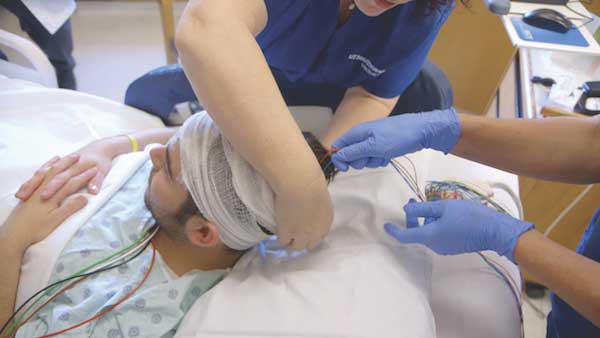
To identify the cause of coma and check the condition of the brain, imaging such as CT scan or MRI and EEG tests are used to determine any brain damage or abnormality. #### Proprietary treatments
Depending on the cause of the coma, antibiotics may be used to treat infections, anticonvulsants to control seizures, or interventions to reduce intracranial pressure. #### Supportive Care
This stage includes feeding through special tubes, skin care to prevent bedsores, and changing the patient's position regularly to improve circulation and prevent other complications. ### Rehabilitation after stabilization
After leaving the critical condition, the patient may need physical therapy, speech therapy and other rehabilitation methods to help improve their motor and cognitive functions. It is better to read the article about coma after stroke. Conclusion
Coma is a serious and critical condition in which a person loses consciousness due to severe brain damage, infection, stroke, or other factors. The main symptoms of coma include unconsciousness, unresponsiveness to stimuli, irregular breathing, and decreased cerebral reflexes. This condition requires prompt diagnosis and immediate treatment to prevent further damage. If you or your loved ones are facing such conditions, it is very important to see an experienced neurologist. One of the best specialists in this field is Dr. Majid Kihanifar. With neurovascular intervention and neurology expertise, he has high experience and skill in diagnosis and treatment of **brain diseases**. You can visit his office and benefit from professional services to receive accurate advice and treatment.