What are the types of vitamin B?
The different types of vitamin B are a group of 8 essential nutrients that play an important role in many organs and systems of the body.... Although these vitamins work together in the body, each one has its own function.
In this article, we discuss the function of vitamin B in the body and some key foods that are rich in this vitamin.
Also, we will take a look at the symptoms of deficiency of any B vitamins in the body.
What are the types of vitamin B?
To ensure the proper functioning of body cells, we need different groups of vitamin B.... This vitamin helps the body in converting food into energy (metabolism process), producing new blood cells and maintaining healthy cells of the skin, brain and other tissues.
Vitamin B is divided into eight different types, each of which has its own function:
- Thiamine (vitamin B-1)
- Riboflavin (vitamin B-2)
- Niacin (vitamin B-3)
- Pantothenic acid (vitamin B-5)
- Vitamin B-6
- Biotin (vitamin B-7)
- Folate (vitamin B-9)
- Vitamin B-12
The collection of these things is called Vitamin B Complex.
In most cases, all of these vitamins are found in the same food. Most people can get enough B vitamins by eating a variety of nutritious foods.
However, those who have difficulty meeting the daily requirement can use supplements.
If a person does not get enough vitamin B through food and supplements, he suffers from a deficiency of this vitamin...Also, if the body cannot absorb nutrients well or removes a large amount of nutrients due to illness or the use of certain drugs, a person suffers from vitamin B deficiency.
Learn more:What is the use of vitamin B1 tablets?
Next, we will discuss each type of B vitamin in more detail.
Thiamine or vitamin B-1
Heart, liver, kidney and brain are all rich in thiamine.... The body needs thiamine to perform the following tasks:
- Breakdown of sugar molecules (carbohydrates) from food
- Formation of some neurotransmitters (brain chemicals)
- Fatty acid production
- Production of some special hormones
Foods containing thiamine
Thiamine is found in the following foods:
- Whole grains and enriched bread, breakfast cereals, pasta and rice
- Pork
- Salmon
- Black oyster
- Acorn squash Legumes such as black beans and soybeans
- Egg
- Nuts
Thiamine deficiency is not common, however, certain groups of people may not get enough thiamine:
- People who are addicted to alcohol
- Elderly
- People with HIV or AIDS
- People with diabetes
- People who suffer from heart failure
- Those who have had gastric bypass surgery
Learn more: Which is the best neurobion ampoule?
Thiamine deficiency symptoms
A person with thiamine deficiency may experience the following symptoms:
- Weight loss
- anorexia or anorexia
- Memory problem or confusion
- Heart problems Numbness and numbness of hands and feet
- Reduction of muscle mass
- Weak reflexes
Alcohol addiction can be the cause of thiamine deficiency.... In this case, the person has Wernicke-Korsakoff syndrome, which causes numbness and tingling in hands and feet, memory problems, and confusion.
Wernicke-Korsakoff syndrome may lead to Wernicke's disease in the brain, which carries a risk of death. According to a 2017 article, people with Wernicke's brain disease benefit from high-dose thiamine.
Riboflavin or vitamin B-2
Riboflavin is essential for:
Read more: What is magnesium?.. | A complete guide to the daily requirement of magnesium tablets
- Energy production
- helping the body to break down fat, medicine and steroid hormones
- Transformation of tryptophan into niacin (vitamin B-3)
- Vitamin B6 conversion with the help of an enzyme that the body needs
Foods containing riboflavin
Foods rich in riboflavin include the following:- Animal meat
- Enriched breakfast cereals
- Joe yogurt and milk
- Mushroom
- Almonds
Riboflavin deficiency symptoms
Riboflavin deficiency is rare, but if a person has an endocrine disorder (such as a thyroid problem) or some other disease, they may be riboflavin deficient.
The following are the symptoms of riboflavin deficiency:- Skin disorders
- Lip corner wound
- Swelling of the mouth and throat
- Inflammation and chapped lips
- Hair loss
- Redness and itching of the eyes
Severe riboflavin deficiency can lead to anemia and iron deficiency and cataracts... If the mother suffers from riboflavin deficiency during pregnancy, the risk of certain congenital disorders increases.
The following people are more at risk of riboflavin deficiency:
- People who use a vegetarian diet or do not eat dairy.
- Athletes who do not eat meat, especially those who do not consume dairy or other animal products.
- Pregnant or lactating women, especially women who do not eat meat or dairy products.
Niacin or vitamin B-3
The body converts niacin with the help of an enzyme called nicotinamide adenine dinucleotide (NAD).... These enzymes are effective in the following cases:
- Converting energy into carbohydrates, fats and proteins in a way that the body can use
- Metabolism process in body cells
- cell interaction
- Formation of DNA in cells
Learn more: What are biotin tablets for?
Foods containing niacin
Animal foods such as meat, chicken and fish are rich in NAD, which the body can easily use.
Plant foods such as nuts, legumes, and grains naturally contain niacin that the body cannot easily use. However, food manufacturers add niacin to breakfast cereals, etc., to make it easier for the body to digest.
Symptoms of niacin deficiency
Low consumption of niacin leads to niacin deficiency.... Severe deficiency of this vitamin causes a person to suffer from scurvy, which results in the following:
- The formation of brown spots in the parts of the skin that are exposed to the sun.
- Skin roughness and callus
- Severe redness of the tongue
- Vomiting, diarrhea or constipation
- Headache
- Severe fatigue
- Depression
People who suffer from the following conditions are at risk of niacin deficiency:
- Malnutrition
- Anorexia nervosa
- alcohol consumption disorder
- AIDS
- Inflammatory bowel disease (IBD)
- Knapp heart disease
- Carcinoid syndrome that causes tumor formation in the digestive system
pantothenic acid
Pantothenic acid is necessary for the formation of new enzymes, proteins and fats in the body.
Red blood cells carry pantothenic acid throughout the body to use nutrients in a variety of energy and metabolic processes.
Foods containing pantothenic acid
Many foods contain at least small amounts of pantothenic acid, but the highest amounts are found in the following foods:
- beef liver
- Shiitake mushroom
- Sunflower seeds
- Chicken
- Tuna fish
- Avocado
- Enriched breakfast cereals
Symptoms of pantothenic acid deficiency
Pantothenic acid deficiency is rare because it is found in many foods.. However, it may affect people who suffer from malnutrition. These people are usually deficient in other nutrients as well.
Symptoms of pantothenic acid deficiency are:
- Numbness and burning of hands and feet
- Headache
- Mood swings
- Disturbed and insufficient sleep
- Anorexia
The risk of pantothenic acid deficiency is higher in people with a certain type of genetic mutation called pantothenate kinase 2 (PANK2).
Vitamin B-6
Vitamin B-6 or pyridoxine is involved in more than 100 enzymatic reactions... The body needs vitamin B6 for the following:
- amino acid metabolism
- Carbohydrate and fat breakdown
- Brain growth
- Safety function
Foods containing vitamin B-6
The richest sources of vitamin B-6 include the following:
- Animal meat
- peas
- Tuna fish
- Salmon
- Poultry
- Potatoes
- Enriched breakfast cereals
Symptoms of vitamin B-6 deficiency
According to the report of the National Health Organization of the Ministry of Food Supplements, in many cases, vitamin B6 deficiency is related to low levels of vitamin B-12.
Vitamin B-6 deficiency leads to the following problems:
- anemia
- Defoliation of lips
- Leaving the corners of the mouth
- tongue swelling Weakening of the immune system
- Confused
- Depression
People who suffer from the following problems are at risk of vitamin B-6 deficiency:
- Kidney disease
- People who have had a kidney transplant Celiac disease
- Crohn's disease
- ulcerative colitis
- Autoimmune disorders such as rheumatoid arthritis
- Alcohol addiction
Learn more: What are B6 tablets?
Biotin or vitamin B-7
Manufacturers add biotin to many skin, hair, and nail supplements.. However, the National Institutes of Health says there isn't enough evidence that biotin has a greater effect on skin, hair or nails.
Some believe that biotin helps with psoriasis.
The human body needs biotin for the following:
- Breakdown of fat, carbohydrate and protein
- Interaction of cells in the body
- DNA regulation
Foods containing biotin
Many foods contain biotin.... including:
- Animal meat
- Egg
- Salmon
- Pork
- Beef
- Sunflower seeds
Symptoms of biotin deficiency
Symptoms of biotin deficiency are:
- hair thinning
- Rough rashes around the eyes, nose and mouth Brittle nails
- Depression
- Severe fatigue
Biotin deficiency is rare, but the following people are more at risk:
- People with a metabolic disorder called biotinidase deficiency
- People with alcohol use disorder
- Pregnant or lactating women
Folate or vitamin B-9
The natural form of vitamin B-9 is called folate. Folic acid, which is found in many healthy foods and fortified foods and some supplements, is the synthetic form of this vitamin.
Since most people cannot consume the required amount of vegetables during pregnancy, it is recommended that all women of childbearing age who plan to have children consume 400 micrograms of folic acid in addition to a varied diet containing folate.
If the amount of folate in a woman's body is high enough before and during pregnancy, the risk of some congenital problems that affect the brain and spinal cord is reduced.
Folate is also essential in the following cases:
- DNA replication Metabolism of vitamins
- amino acid metabolism
- Cell division
Foods containing folate
The Food and Drug Administration has asked manufacturers to add folic acid to standard and fortified cereals to reduce the risk of neural tube defects. People can get the folic acid they need by consuming breakfast cereals and fortified bread.
Folate is found naturally in the following substances:
- Vegetables whose leaves are dark green
- beef liver
- Avocado
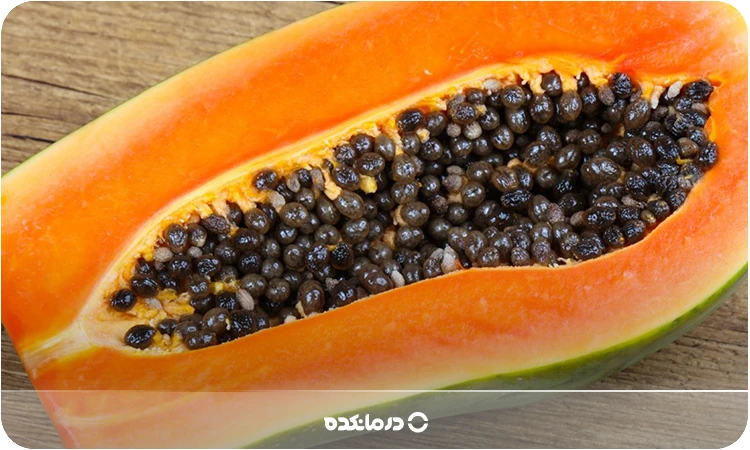
- Papaya
- Orange juice
- Egg
- Beans
- Nuts
Symptoms of folate deficiency
The addition of folic acid to cereals has made folate deficiency less common... However, possible symptoms of folate deficiency include:- weakness
- Headache
- Heartbeat
- Mood swings Tongue or mouth abscess
- Changes in skin, hair or nails
The Food and Drug Administration recommends that women increase their intake of folate and use folic acid supplements every day before pregnancy and during pregnancy. People who have the following problems need more folate:
- alcohol consumption disorder Celiac disease
- Diseases that interfere with the absorption of nutrients
- IBD
Daily intake of folic acid should not be more than 1000 micrograms.
Vitamin B-12
Vitamin B-12 contains the mineral cobalt and is sometimes called cobalamin.. The body uses vitamin B-12 in the following cases:
- Production of new red blood cells
- DNA synthesis
- function of the brain and nerves
- Fat and protein metabolism
Learn more: vitamin b12
Foods containing vitamin B-12
Vitamin B-12 is found naturally in animal products, such as:
- Mussels
- beef liver
- Salmon
- Beef
- Milk and yogurt
People who do not eat animal products may need to take supplements or fortified foods, such as breakfast cereals and nutritional yeast, to get vitamin B-12.
Learn more: When to take Magnifort tablets
Symptoms of vitamin B-12 deficiency
Vitamin B-12 deficiency usually leads to a condition called megaloblastic anemia. Symptoms of vitamin B-12 deficiency include:- Severe fatigue
- Weight loss
- Constipation
- Anorexia Numbness and numbness of hands and feet
- Memory problem
- Depression
People who have the following problems are at risk of vitamin B-12 deficiency:
- Diseases that interfere with the absorption of nutrients
- Elderly Celiac disease
- Crohn's disease
- Those who have undergone gastric bypass surgery or gastric surgery
Vegetarians, pregnant and lactating women need more vitamin B-12.
Vitamin B supplements
Most multivitamin supplements contain some B vitamins and may provide 100% or more of a person's daily requirement for each vitamin.
If a person suffers from a deficiency of one type of vitamin, he can use vitamin B supplements separately.. However, some evidence suggests that even if a person is deficient in one type of vitamin, taking a B complex vitamin supplement is a better option.
Researchers say that most people are deficient in the vitamin and would benefit from high-dose B complex supplements.
See more: Best Nutrition Doctor List
Summary
Each type of B vitamin has its own function, but they work together for proper absorption and the best health benefits. A healthy and varied diet usually provides all the B vitamins the body needs.
People can treat or prevent vitamin B deficiency by increasing their intake of vitamin B-rich foods or taking supplements. Be careful to check with your doctor before taking any supplement to make sure it does not interact with any medication you are taking.
Source: medicalnewstoday
Was this article helpful to you?...
Average score 4.1 / 5... Number of votes 149
No points registered yet
![Which fruit increases blood pressure [high and low]? 18 effective fruits](/storage/posts/covers/2026_01_08/ef00bb701cbb99e90a24ba8d73265ba4c08936335e859a33b69553f5c5e737a2.webp)
![For whom is rhinoplasty dangerous? [10 groups+cause+solution]](/storage/posts/covers/2026_01_06/3e06a993c87e243daaf67dc69ac3e484d377b2708c93656820e0084ea4f080d6.webp)
![What fruits have vitamin B12? [13 fruits + consumption tips]](/storage/posts/covers/2026_01_06/dfaeceb7cb9a203805aeba8715bf7cdea6f5cb2b5b9314e1898807545e874bb1.webp)
![Is nasal massage necessary after surgery? [Training + 5 effective benefits]](/storage/posts/covers/2026_01_06/1f2686c8d522130d256828a51d7d46594dbde31ec2253325e6a8a38f04094789.webp)
![The best drops to reduce eye pressure [14 powerful drugs + method of administration]](/storage/posts/covers/2026_01_06/0177c50098eb80d878d1c883d09ae31ad2f489b17e1288f52018e3f8ef213e5f.webp)
![What is hair filler? [9 benefits, how to inject + durability of hair filler]](/storage/posts/covers/2026_01_06/c21c5e1ff48e9af8214111dfe0b867586f298e3d74a95fadda02b0b04df12598.webp)
![The strongest antibiotic for tonsil infection [7 drugs + method of administration]](/storage/posts/covers/2026_01_06/7b5adf6bb8cf556824d96570b6adba58f824b3a7f248993cfaafb73c0b5b8610.webp)
![Garlic pills for weight loss [4 effective benefits and side effects + how to use]](/storage/posts/covers/2026_01_06/c49f08b482d5860218c8635e48194a50f2ed48b51ef15925aa2d73d8393ff3ab.webp)
![What foods increase eye pressure? [8 harmful foods and drinks]](/storage/posts/covers/2026_01_06/52929c4d1b9ed7916d3fc5a8e45060479fb186f332dd217e68905f71f89a33f0.webp)
![What foods lower eye pressure? [18 useful foods]](/storage/posts/covers/2026_01_06/f180eb15f8e64fc9b386f9d5dc7936a5e416af36032be3bdcdf9054925a21d43.webp)
![itchy scalp; 18 causes [medical treatment + 11 home remedies]](/storage/posts/covers/2026_01_06/a1e116ec1c6243fd5c4e6fb951da5cb33bbd92a09c44e29b845852a86f550681.webp)
![What is intestinal colitis and what are its symptoms? [3 causes + definitive treatment]](/storage/posts/covers/2026_01_06/d3384e9221c036ff3eb447c69ffabb109dd6c0c35f5e5f0af775c4545cfd7ea5.webp)
![The best pills for irritable bowel syndrome [10 powerful drugs]](/storage/posts/covers/2026_01_06/70f02d6808fab88d67b0c6734a623e5e71982d323dbd2fb8158c29669849b813.webp)