مقاله تخصصی
What is an intestinal polyp? Symptoms + treatment
3 months ago
453 بازدید

Dr. Mohammad Amani
TehranAdult gastroenterology and liver specialist
Study duration 9 minutes
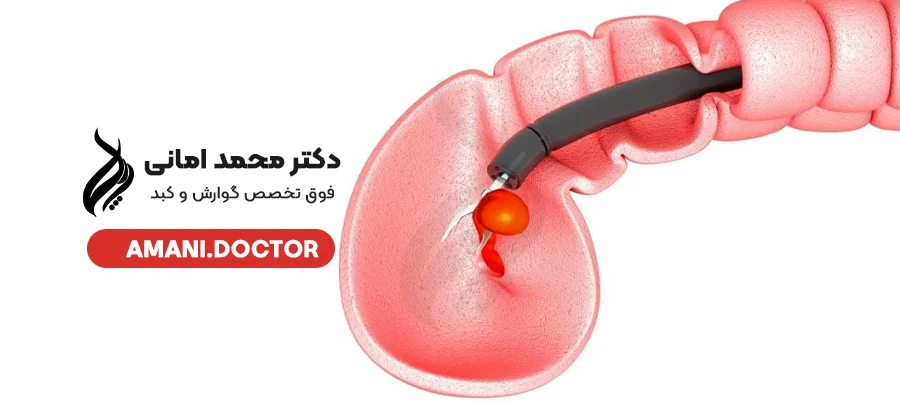
Intestinal polyps are abnormal growths that form on the inner wall of the colon or rectum. These lumps are usually benign, but some may become cancerous over time. Several factors such as age, family history and lifestyle can play a role in increasing the likelihood of intestinal polyps. Early identification and timely treatment of these growths plays an important role in preventing more serious problems. In this article, we will examine the causes, symptoms and methods of prevention and treatment of intestinal polyps. What are the symptoms of intestinal polyps? An intestinal polyp is an abnormal growth of cells on the inner wall of the colon or rectum. Most polyps are small and asymptomatic and are often discovered incidentally during a colonoscopy. However, some polyps can cause symptoms and, if left untreated, may develop into colon cancer over time. Timely diagnosis and removal of polyps is very important. - 🔴 blood in the stool (in the form of light or dark blood)
- Change in bowel habits (persistent diarrhea or constipation)
- Abdominal pain or cramp
- Unreasonable weight loss
- Iron deficiency anemia (due to hidden bleeding from polyps)
- 🔴 Feeling of incomplete stool excretion
Timely detection of intestinal polyps through checking the symptoms and performing screening tests can prevent them from progressing to cancer. Going to the doctor and having a colonoscopy at regular intervals is especially important for people at risk. Are intestinal polyps dangerous? **Yes, colon polyps can be dangerous.** Although many polyps are benign and do not cause problems, some may turn into colon cancer over time. The main danger of polyps is that they often appear without symptoms and their early detection is only possible with screening tests. Therefore, it is very important to identify and remove polyps before they turn into cancer. Treatment of intestinal polyps
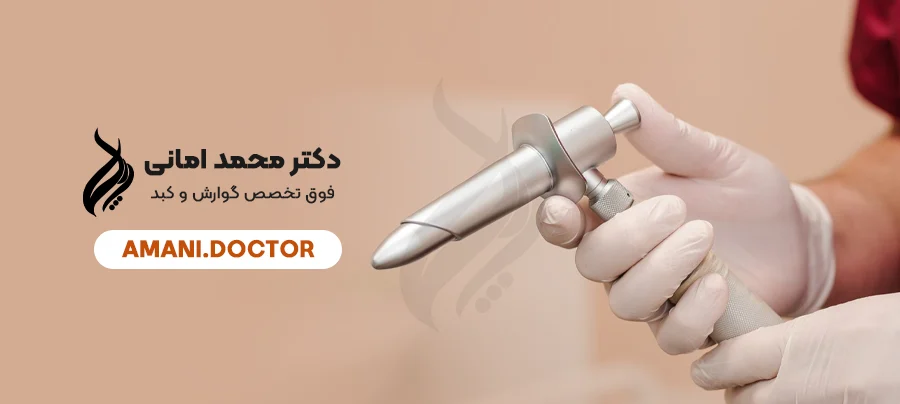
A colon polyp is usually an abnormal cell growth that develops on the inner wall of the colon or rectum. Most polyps are asymptomatic and are discovered incidentally during a colonoscopy, but some may develop into colon cancer if not treated early. Therefore, the treatment of polyps is important not only to remove the polyp itself, but also to prevent cancer. - **Endoscopic removal (Polypectomy):** The polyp is removed during colonoscopy with a special tool. - **Surgery:** For large polyps, numerous or suspected to be malignant, a part of the intestine is removed. Regular follow-up and screening: Periodic colonoscopy is performed to check for new or recurring polyps. - **Lifestyle change:** high fiber consumption, red meat reduction, exercise, weight control and smoking cessation. - **Medical treatment:** In certain genetic syndromes, drugs such as NSAIDs reduce the growth of polyps. In general, timely and regular colon polyp treatment plays an important role in colon cancer prevention. Polyp removal and periodic follow-up with colonoscopy is the most effective prevention method. Adhering to a healthy lifestyle and proper nutrition also help to reduce the possibility of new polyps forming. In certain cases, drugs can play an auxiliary role, but they are not a substitute for direct treatment. Types of intestinal polyps
An intestinal polyp is a small lump or bump that forms on the inner wall of the colon or rectum. These polyps are usually caused by abnormal cell growth and can be completely benign or have the potential to become cancerous over time. Most polyps are asymptomatic and are discovered during screening, but knowing their type is very important for prevention and treatment. - 🔴 **Adenomatous polyp**: the most common type; It can turn into colon cancer. - 🔴 **Serrated polyp**: Some small types are less dangerous, but larger types may become cancerous. - 🔴 **Hyperplastic polyps**: often small and harmless; They usually do not become cancerous. - 🔴 **Inflammatory polyp (Inflammatory)**: It is mostly seen in people with inflammatory bowel diseases and it is not directly cancerous. - 🔴 **hamartomatous polyp (hamartomatous)**: usually occurs in children or certain genetic syndromes; Some types are likely to be malignant. In general, not all colon polyps are dangerous, but because some of them can eventually turn into colon cancer, early detection is important. Usually, with colonoscopy, polyps can be identified and removed on the spot. For this reason, screening is especially recommended for people over the age of 50 or those with a family history of colon cancer. Removing polyps at an early stage is a very effective preventive method to reduce the risk of cancer. Is intestinal polyp the same as cancer? **No, intestinal polyps are not cancer**. **Intestinal polyps are abnormal masses that grow on the inner wall of the colon or rectum. Most polyps are benign and do not cause problems**, but some types, particularly adenomatous and serrated polyps, may develop into colon cancer over time. Therefore, although polyps are not cancer in themselves, some of them can lead to cancer if not diagnosed and treated. The latest treatment for intestinal polyps
The most recent treatment for colon polyps usually involves removing them through minimally invasive procedures, such as a polypectomy performed during a colonoscopy. For larger or more complex polyps, more advanced methods such as **endoscopic mucosal resection (EMR)** and **endoscopic microdissection (ESD)** are used. In more severe cases, laparoscopic surgery may also be necessary. Regular follow-ups after treatment are necessary to prevent polyps from returning. How do we know if we have intestinal polyps? There are usually no specific symptoms to diagnose colon polyps, as polyps are often asymptomatic. But there are several ways to find out about intestinal polyps:
1. **Colonoscopy**: The most common and accurate way to diagnose polyps is to examine the entire colon using a colonoscope. In this method, the doctor can observe the polyps and remove them if necessary. 2. **Stool test**: Examining occult blood in the stool may help diagnose polyps, as internal bleeding is one of the symptoms of polyps. 3. **Sigmoidoscopy**: It is another method that examines the lower part of the large intestine. 4. **CT Colonography (Virtual Colonoscopy)**: Using CT scan images, a three-dimensional view of the intestine is created to check the presence of polyps. Early detection of colon polyps through regular screenings, especially colonoscopy, is very important. These methods allow doctors to detect and treat polyps before they turn into cancer. **It is recommended that people at risk or over 50 years of age do regular diagnostic tests.**
What causes intestinal polyps? Intestinal polyps can develop for various reasons, including genetic factors and unhealthy lifestyle. These abnormal growths on the intestinal wall may appear without specific symptoms, but several factors play a role in their formation. - **Genetic changes**: **Certain genetic mutations can cause abnormal growth of intestinal cells and the formation of polyps.** People who have a family history of polyps or colon cancer are more at risk. - **Unhealthy diet**: **High consumption of fat, red meat and processed foods and lack of fiber in the diet** can increase the risk of polyps. - **Age**: With age, the risk of colon polyps increases, especially in people over 50 years old. - Inflammatory bowel diseases: Diseases such as ulcerative colitis or Crohn's disease that cause chronic inflammation in the intestine can increase the risk of developing polyps. - **Lifestyle**: Factors such as **smoking, alcohol consumption, lack of physical activity and obesity ** can also increase the risk of intestinal polyps. Diagnosis and lifestyle changes can help reduce the risk of colon polyps. Regular medical follow-ups and diet improvement are among the effective solutions in preventing the growth of these masses. What to do after removal of intestinal polyps? After colon polyps are removed, follow-up care is critical to prevent their recurrence and maintain overall bowel health. By following medical tips and lifestyle changes, the risk of polyps returning can be significantly reduced. Following these precautions after colon polyp removal can help you heal faster and reduce the risk of new problems. Paying attention to doctor's recommendations and regular follow-ups is the key to maintaining intestinal health. Summary
Intestinal polyps are abnormal growths that grow on the inner wall of the colon or rectum and in some cases can turn into cancer. Most polyps are asymptomatic, but symptoms such as bleeding and changes in bowel habits may occur. Early detection through colonoscopy and removal of polyps can prevent cancer. Genetic factors, unhealthy diet and sedentary lifestyle are the main factors in the formation of polyps. After polyps are removed, regular follow-ups and lifestyle changes help maintain bowel health and prevent polyps from recurring.