

مقدمه
کیست دندان یکی از مشکلات شایع در حوزه دهان و دندان است که میتواند بدون علامت خاصی رشد کند و در صورت عدم درمان، عوارض جدی برای سلامت دهان ایجاد کند. Accurate knowledge of this condition, awareness of warning signs, treatment methods and prevention methods can greatly help the health of the teeth and surrounding tissues.
In this article, we fully answer the question What is a dental cyst? What are its symptoms, how is it treated, and what measures can be taken to prevent it.
What is a dental cyst?
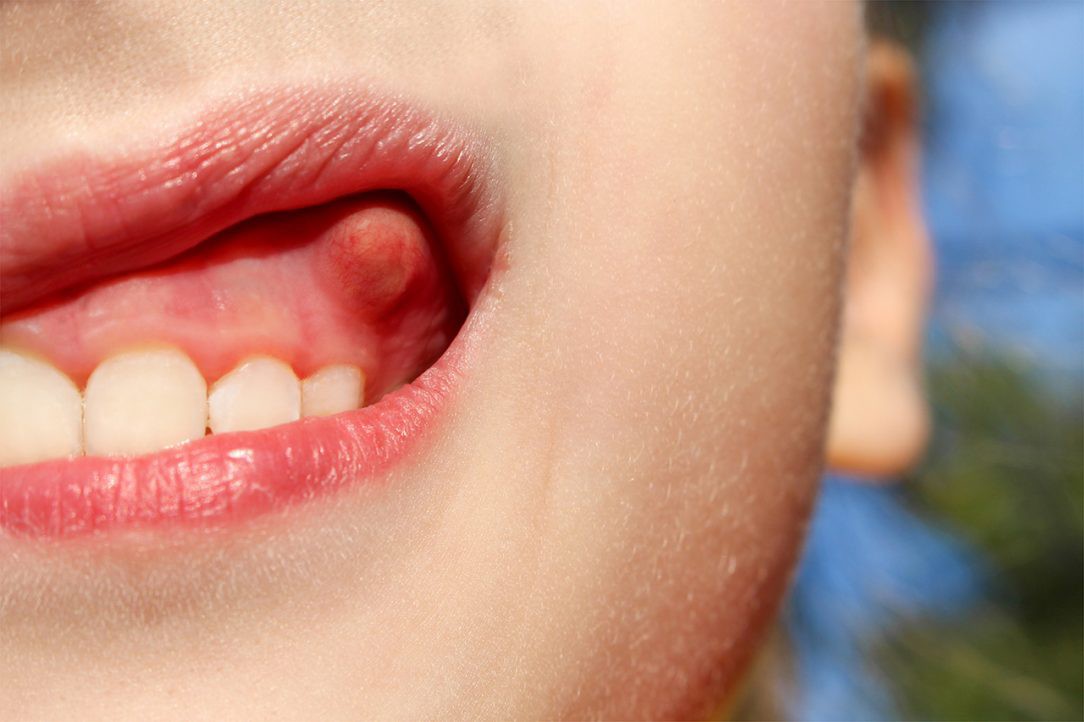
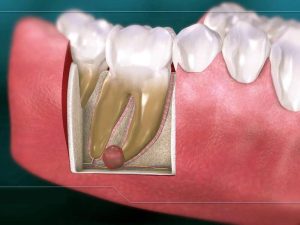
A dental cyst is a closed sac or cavity containing fluid, air, or semi-solid material that usually develops around the root of a tooth, gums, or jawbone. This lesion usually occurs as a result of inflammation, infection or damage to the dental pulp (dental nerve). The growth of cysts is gradual and may remain for a long time without specific symptoms.
Types of dental cysts
There are different types of dental cysts, each of which has a different origin and requires specific treatment. The most important types of dental cysts are:
1. Periapical cyst
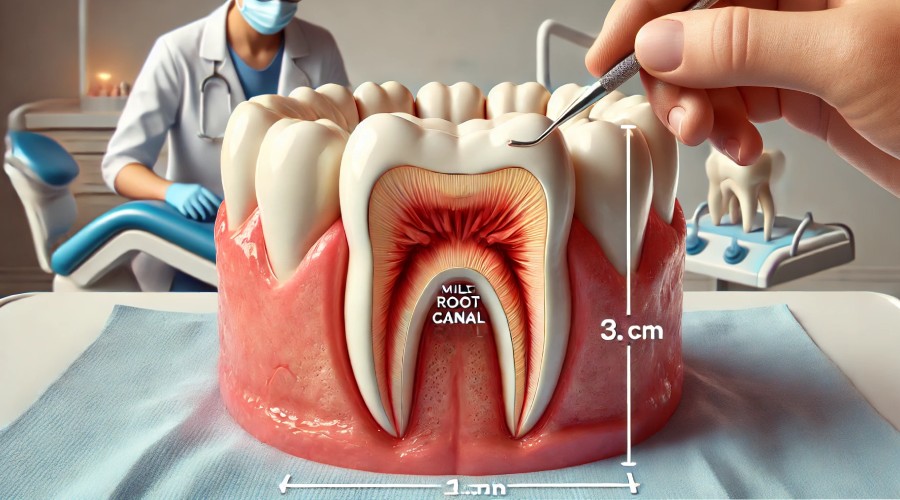
It is the most common type of dental cyst that develops at the end of the root of a dead tooth. This type of cyst is usually formed due to infection of the dental pulp and its spread to the tip of the root.
2. Dentigerous cyst
This type of cyst develops around the crown of the wisdom tooth or the teeth embedded in the jawbone and is often detected during radiological examination.
3. Periodontal cyst
It is a cyst that forms next to the tooth and in the gum tissue and usually occurs due to gum diseases or local infections.
4. Odontogenic keratocystic cyst (OKC)
A more aggressive type of cyst that can spread inside the jawbone and has a high probability of recurrence. This cyst is sometimes related to genetic syndromes.
Symptoms of tooth cyst
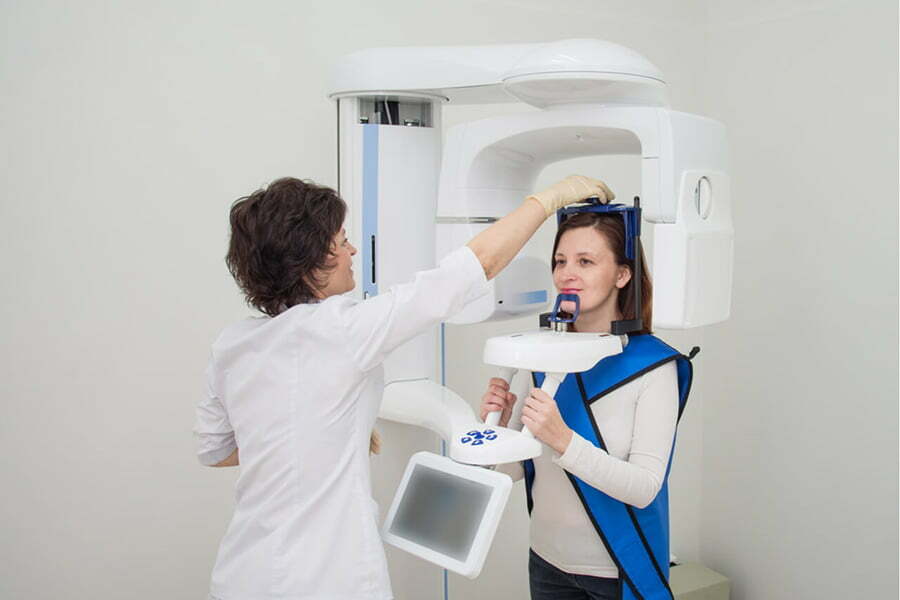
In the early stages, dental cyst is usually asymptomatic and is detected during periodic examinations and imaging such as panoramic photo or CBCT. As the cyst grows and the pressure on the surrounding tissues increases, the following symptoms may occur:
-
A dull pain or pressure in the jaw
-
Gum or cheek swelling
-
Looseness of adjacent teeth
-
bad breath
-
Pus discharge from the gums or around the teeth
-
Change in gum color or jaw shape
-
sensitivity to touch or pressure
If you see any of these symptoms, it is necessary to see a dentist quickly.
Causes of dental cysts
Different factors can cause the formation of dental cyst. The most important reasons are:
-
Severe tooth decay and pulp infection
-
Kick to the teeth
-
remaining the root or crown of a hidden tooth
-
gum diseases
-
Unsuccessful root canal treatments (nervectomy)
-
Disorders of tooth development
-
Genetic factors (such as Guerlain syndrome)
Dental cyst complications if not treated
If a dental cyst is not treated in time, it can seriously damage the surrounding structures. Some of the important complications are:
-
Jaw bone analysis
-
loss of surrounding teeth
-
spread of infection to sinuses or soft tissues
-
Formation of abscess or fistula
-
What is the malformation of the jaw and face when it grows up
-
Damage to jaw nerves and numbness or tingling
Dental cyst detection methods
The dentist can usually detect the presence of dental cyst by examining the mouth and performing imaging. Among the diagnostic tools, the following can be mentioned:
-
Panoramic radiology photo: to check the impacted teeth and cysts around them
-
CBCT image or CT scan of the jaw: to accurately check the location, size and effect of the cyst on the surrounding structures
-
Clinical examination: Check for swelling, tenderness or symptoms in the gums and teeth
Dental cyst treatment
The treatment method of dental cyst depends on its type, size, location and progress. Some common treatment methods are:
1. Root treatment (nerve removal)
If the cyst is caused by a dental pulp infection, root canal treatment can control the infection and reduce the cyst. In some cases, there is a need for additional surgery.
2. Cystectomy
In this method, the cyst is completely removed along with its inner lining. This method is recommended for large or recurrent cysts.
3. Apicoctomy
In this surgery, the end part of the tooth root is removed along with the cyst. This method is used for cases where root canal treatment has not been successful.
4. Enucleation or marsupialization
There are two different surgical techniques used in large and space-occupying cysts. In marsupialization, the cyst is opened and gradually shrinks until it is completely removed in the next step.
Care after dental cyst treatment
After treatment of dental cyst, it is very important to follow care tips to avoid infection or recurrence of the cyst:
-
observe oral and dental hygiene
-
Use of antibiotics as prescribed by the doctor
-
Avoid excessive pressure on the surgical site
-
Regular visit to check the condition of jaws and teeth
-
avoid smoking
Are dental cysts dangerous?
In most cases, dental cyst is benign and treatable; But if it is not diagnosed and treated in time, it can cause serious risks to the health of the mouth and jaw. Some cysts have the potential to become invasive or even malignant lesions. Therefore, they should not be underestimated.
Methods to prevent dental cysts
To prevent the occurrence of dental cyst, a series of care and preventive measures must be taken continuously:
1. Regular dental examinations
Visit the dentist at least once every 6 months to check for cavities or impacted teeth.
2. Timely treatment of caries
Failure to treat tooth decay can lead to pulp death and cyst formation. Early treatment prevents the occurrence of cysts.
3. Observance of oral hygiene
Daily use of toothbrush, dental floss and mouthwash is very effective in reducing gum inflammation and preventing dental infections.
4. Treatment of impacted teeth
Impacted wisdom teeth or teeth that have not grown properly should be checked by a dentist and removed if necessary.
Difference between dental cyst and dental abscess
Many people confuse dental cyst with dental abscess. While these two have significant differences:| property | Dental cyst | Dental abscess |
|---|---|---|
| content | liquid or air | pus (active infection) |
| Dard | usually painless | Severe and sudden pain |
| progress | slow and gradual | fast and sharp |
| treatment | usually surgery | antibiotic and pus drainage |
Conclusion
Dental cyst is a relatively common but dangerous disease if neglected. This lesion can grow over time and cause damage to the jaw bone, adjacent teeth and surrounding tissues. By knowing the symptoms of cysts, timely diagnosis and appropriate treatment, complications can be prevented. Also, compliance with oral hygiene, regular dental examinations and follow-up of dental problems play an important role in preventing this complication.
Dr. Farbad Seifi and Dr. Farzaneh Dashkhaneh dental center in Maragheh is one of the most equipped specialized centers for consultation and treatment of oral and dental diseases. You can call 04137223003 for more detailed information and reservation. You can also find other ways to contact us on the Contact Us page. To see the trainings and routines of the office, you can also Dr. Farbod Seifi's Instagram page and Follow the page of Dr. Farzaneh Dashkhane on Instagram.