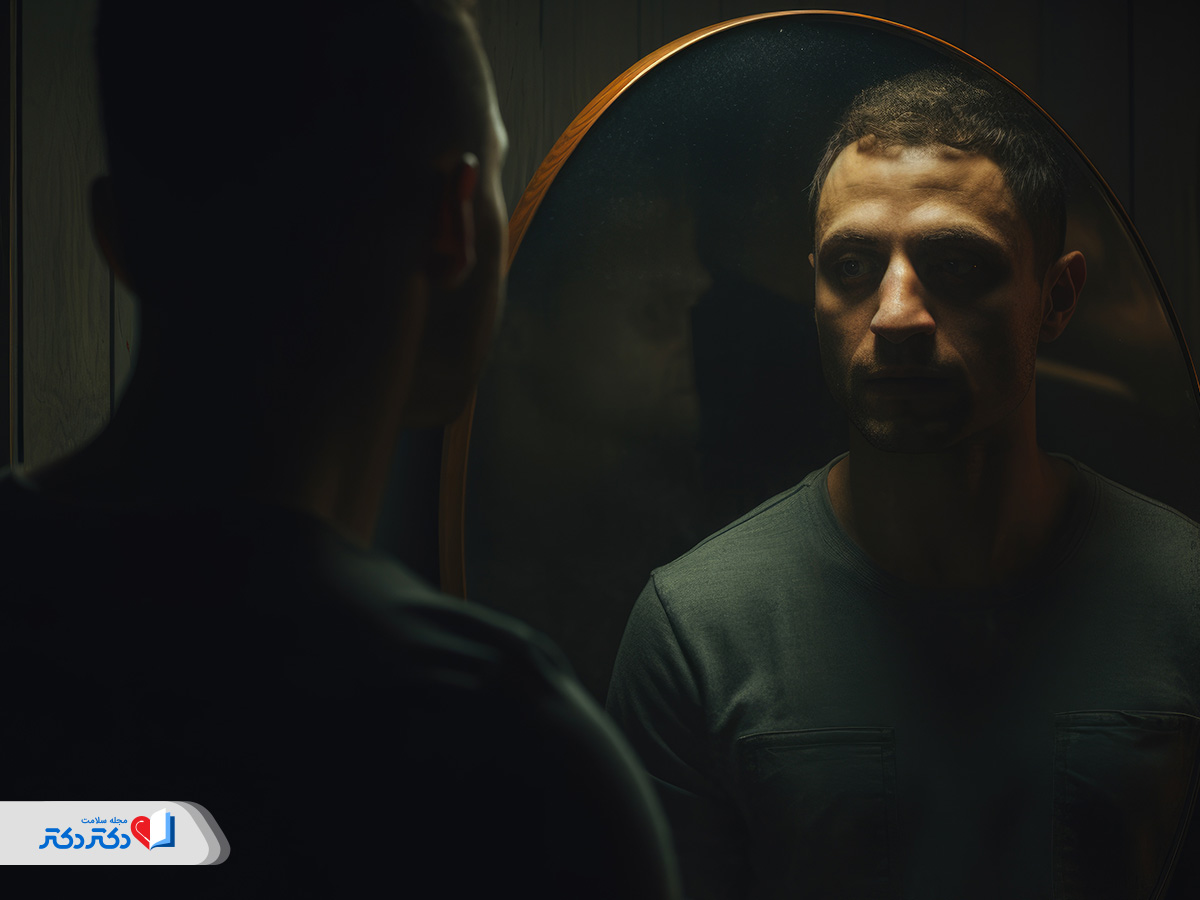
میگرن چشمی شاخهای از سردرد میگرنی است که باعث اختلال در بینایی میشود. این عارضه عصبی تاری دید، کمبینی یا کوری موقت یکی از چشمها را بهدنبال دارد و اگر شناختی نسبت به آن نداشته باشید، در طول حمله بسیار نگرانکننده است، تاجاییکه عدهای آن را با سکته چشم یا اماس اشتباه میگیرند. ولی این بیماری که از نوسان موقت جریان خون به بخشهای مختلف مغز نشأت میگیرد، آنقدرها نگرانکننده نیست. In the following, we will examine exactly what this type of migraine is, what are its symptoms and causes, and how can it be controlled with medication and home remedies. class="lwptoc_itemWrap">

مقاله تخصصی
What is an ocular migraine? Symptoms, definitive treatment methods
2 days ago
771 بازدید

Dr. Reza Bahadur
MashhadOrthopedic specialist
Ocular Migraines What is it?
Ocular Migraines or retinal migraine is a rare form of migraine headache. Attacks of this migraine involve only one of the eyes and cause you to experience severe eye pain, reduced vision, darkness or even blindness. You may also see an aura or a flickering light in your eye, like a wave alternating between light and dark. The problem is not your eyes; Rather, it is in the way the brain processes the visual signals sent from your eyes. This state is temporary and disappears as soon as the attack ends. Most people face the first symptoms of this migraine in their 20s, and its peak is at the age of 40.
So far, you know roughly what an ocular migraine is. Read more about its symptoms.
Symptoms Ocular Migraine
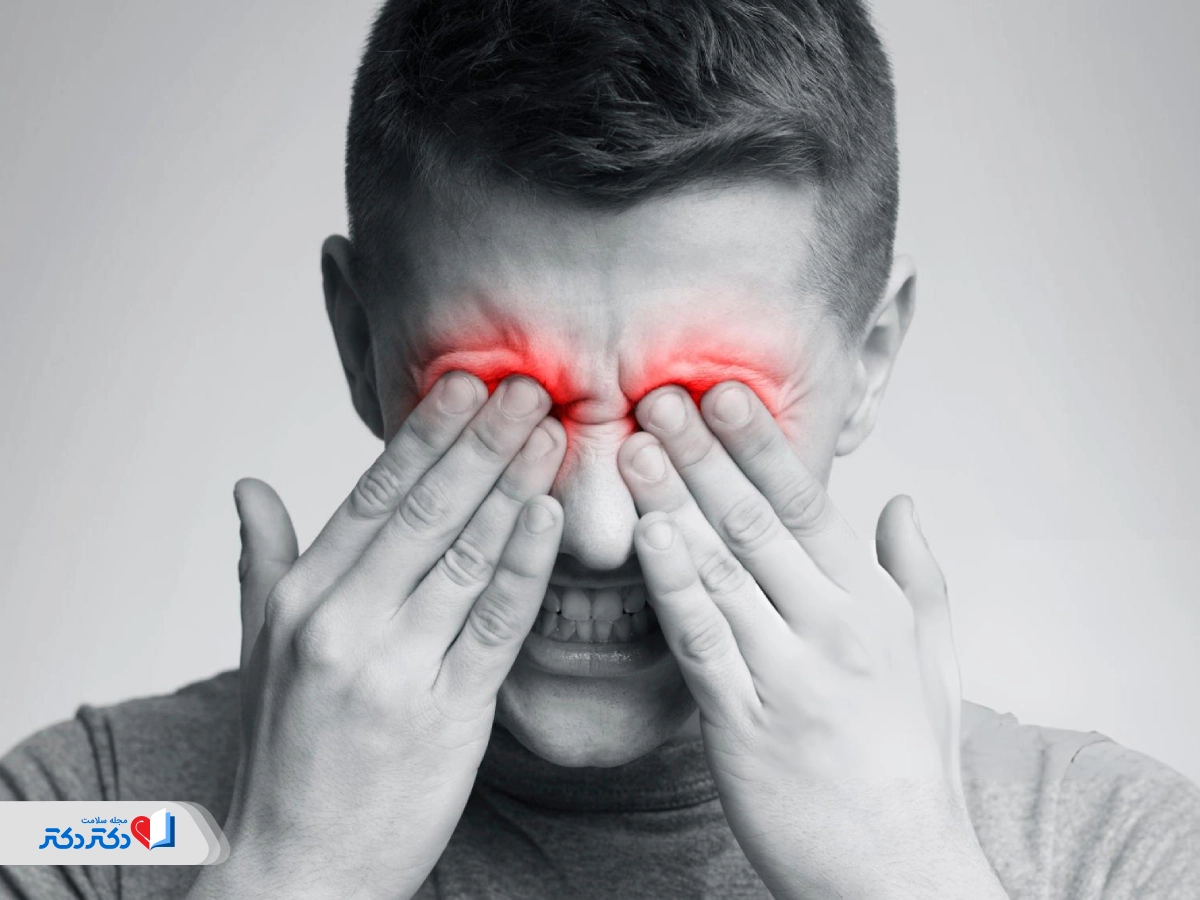
This complication appears mostly with visual impairment in one eye and migraine headache, and its symptoms last between 5 and 60 minutes. Gradually and with the end of this attack, the vision will return to normal. Other symptoms of ocular migraine include:
- Blind spots and halo vision (partial or complete blindness);
- Seeing zigzag patterns;
- Seeing flickering light;
- Seeing floating lines.
In addition to the above, you suffer from a series of symptoms due to a pulsating migraine headache behind the affected eye. you do, such as:
- Sensitivity to light, sound or smell;
- Nausea and vomiting;
- Anorexia;
- Feeling extreme heat (to the extent of sweating) or extreme cold (to the extent of shivering);
- Pale skin;
- Feeling tired.
Now that you know the symptoms of migraine What is an ocular migraine, are you eager to know its cause and why it occurs?
The cause of ocular migraine and neurological factors
Experts still do not know exactly what the cause of ocular migraine is and they justify it with several theories:
- Spasm in the blood vessels of the retina, blood flow in the nerves reduces vision;
- Pressure on the neuron spreads in the retina;
- Probably genetics and family history are involved.
To find out if they have ocular migraines, take a look at the triggers of this condition:
- Stress;
- Smoking;
- High blood pressure (hypertension) Ocular migraines are vulnerable and at risk. You may ask, what is the danger? Is ocular migraine dangerous?

Is ocular migraine dangerous?
Ocular migraine is usually not dangerous and can be treated without permanent damage to the eye or brain; But if the attacks are continuous and long-term and cause permanent blurred vision, weakness or numbness, they disrupt the routine of daily life. In this situation, see a doctor immediately to check the possibility of more serious risks such as stroke or vision disorders.
Of course, it is not necessary to see a doctor in person for a medical examination. Discuss this issue with a specialist doctor in the online visit session of Dr.Doctor and get advice.
Treatment of ocular migraine: drugs and home methods
If you suffer from an ocular migraine attack less than once a month, do not look for ocular migraine treatment or not! Your condition does not require specialized medical evaluation. Just rest your eyes until your vision returns to normal. If you have an ocular migraine with a headache, take pain relievers. In general, the home treatment of ocular migraine mostly includes following and preventive care:
- Quit smoking;
- Avoid foods and drinks that trigger migraines;
- Drink enough water and keep the body hydrated;
- Take your doctor's advice about blood pressure management seriously;
- Manage stress and anxiety.
- Find an alternative to birth control pills.
What is the medicine for ocular migraine?
Research on what is the medicine for the treatment of ocular migraine has not yet been completed and no definitive medicine has been found to completely cure this condition, but doctors can reduce its severity and frequency by using drugs that prevent and treat attacks.
- Epilepsy drugs such as topiramate (Qudexy XR, Topamax and Trokendi XR) or valproic acid (Depakene and Depakote);
- Tricyclic antidepressants such as amitriptyline (Elavil), nortriptyline (Pamelor) or venlafaxine (Effexor);
- blood pressure drugs and beta blockers such as metoprolol (Lopressor) or propranolol (Inderal) and calcium channel blockers such as nicardipine (Cardene) and verapamil (Calan);
- CGRP inhibitors including optinzumab (Vyepti), erenumab (Aimovig), furmenzumab (Ajovy), galcanzumab (Emgality).
What are the home remedies for ocular migraine?
In addition to medications and medical recommendations, following some simple home methods can help reduce the severity and recurrence of ocular migraine attacks:
Read more: Migraine diet
1. Get enough sleep
Sufficient and quality sleep prevents migraine attacks and related symptoms to a great extent. According to experts, set a specific time for sleeping and waking up and stick to it. Do not look at the screen a few hours before going to sleep and spend some time under natural light during the day. If you feel migraine pain during the day, try to take a nap.
2. Get enough exercise
Exercising at the height of a migraine attack is not helpful. But if you include a few minutes of light exercise in your daily routine, it will prevent attacks and annoying symptoms. Experts recommend walking and yoga; They even say that if you do a little exercise as soon as the symptoms start, the situation will not get worse.
3. Drink enough water
We all know that dehydration causes headaches and sometimes migraines. To prevent this from happening, drink 8 glasses of water a day and keep a bottle of water handy wherever you go.
4. Dim the lights in the house
Sensitivity to light is one of the common symptoms of ocular migraine. To prevent these attacks, dim the lights at home and at work. We have some other suggestions for you:
- Use thick curtains for the windows, a fabric that blocks the way of light when necessary;
- Use sunglasses outside the house;
- Buy an anti-glare screen for the computer or use a screen protector;
- Get fluorescent lamps with the daylight spectrum for the house.
5. Use a cold or warm compress
Keep a cold compress or ice pack by your side and press it on your temple or neck when you feel a migraine attack coming on. Some people prefer compresses or warm pads. Whether it's hot or cold, don't keep the compress on your head for more than 15 minutes.
6. Try essential oils
Traditional medicine has not provided us with any evidence that essential oils have an effect on migraines. But if inhaling the scent of an oil relaxes you, there is no harm in trying it. Many have had positive results from mint and lavender. Of course, during migraine attacks, the nostrils of some people become sensitive to smell and the strong smell of migraine irritates them. Pay attention to this point.
Read more: 8 oils for headaches with an incredible effect!
The relationship between ocular migraine and MS
Ocular migraine and MS do not have a clear relationship. The causes of these two diseases are different, but their symptoms are common. MS is an autoimmune disease and occurs when the immune system attacks the protective covering of nerves; In this sense, it is similar to ocular migraine and is associated with vision problems, pain, tingling and weakness.
Studies show that people with MS suffer from headaches and migraines more often than others. But researchers are still not sure that these migraine headaches are exactly due to MS; We only know that some aspects of this disease increase the possibility of migraine headaches, such as:
- MS relapse or flare-up period: People with ocular migraines are more likely to have attacks during the MS relapse period;
- MS medication: Some MS medications may make a person prone to migraines.
- Emotional aspects of MS: Anxiety and stress caused by having MS can cause migraines;
- Brain stem damage: MS damages the brain stem, exactly where migraines occur;
- Swelling of the optic nerve: MS disease swells the optic nerve behind the eye. does This incident gives the person such a headache that he feels like he has a migraine.
Read more: Take pain behind the eye seriously!
Doctor's last word
Ocular migraine with respect A few simple tips will provide relief and the intervals between attacks will increase, tips such as having regular and sufficient sleep, drinking enough water, reducing caffeine consumption, avoiding stress and dimming the living and work environment. During eye migraine attacks, rest in a quiet and dark environment and take painkillers for a maximum of one hour. This complication is usually not dangerous, but it is unlikely to be a sign of changes in the nervous system or vision disorders. In case of new, severe and frequent symptoms, inform the specialist doctor. Early diagnosis is the key to maintaining vision health in the long term.
DoctorDoctor health system provides you with a quick and easy way to talk to a specialist doctor. Wherever you are, start an online visit session with a few clicks and track suspicious symptoms in time.
Frequently Asked Questions
What is the difference between ocular migraine and normal migraine?We know normal migraine with a severe headache that usually involves one side of the head. While an ocular migraine is a temporary visual disturbance, during its attacks, a person sees bright spots, zigzag lines, or blurred scenes. Ocular migraine may not be painful at all.Is ocular migraine dangerous?